Jean R. Soderlund - Böcker
Visar alla böcker från författaren Jean R. Soderlund. Handla med fri frakt och snabb leverans.
14 produkter
14 produkter
Freedom by Degrees
Emancipation in Eighteenth-Century Pennsylvania and its Aftermath
Inbunden, Engelska, 1991
1 146 kr
Skickas inom 5-8 vardagar
This book shows how slavery ended within a single generation at the end of the eighteenth century in the important colony/state of Pennsylvania. The authors have made a study of the slaveholders themselves in order to understand the process by which most slaves were given freedom without legislative or judicial efforts and without compensation to their masters. The book also traces a number of individual cases which show the varying processes by which slaves brought pressure for emancipation. This book represents a major milestone in our understanding of slavery and how it was effectively abolished.
3 372 kr
Tillfälligt slut
353 kr
Skickas inom 7-10 vardagar
is book explores the growth of abolitionism among Quakers in Pennsylvania and New Jersey from 1688 to 1780, providing a case study of how groups change their moral attitudes. Dr. Soderlund details the long battle fought by reformers like gentle John Woolman and eccentric Benjamin Lay. The eighteenth-century Quaker humanitarians succeeded only after they diluted their goals to attract wider support, establishing a gradualistic, paternalistic, and segregationist model for the later antislavery movement. Originally published in 1985. The Princeton Legacy Library uses the latest print-on-demand technology to again make available previously out-of-print books from the distinguished backlist of Princeton University Press. These editions preserve the original texts of these important books while presenting them in durable paperback and hardcover editions. The goal of the Princeton Legacy Library is to vastly increase access to the rich scholarly heritage found in the thousands of books published by Princeton University Press since its founding in 1905.
1 608 kr
Skickas inom 3-6 vardagar
is book explores the growth of abolitionism among Quakers in Pennsylvania and New Jersey from 1688 to 1780, providing a case study of how groups change their moral attitudes. Dr. Soderlund details the long battle fought by reformers like gentle John Woolman and eccentric Benjamin Lay. The eighteenth-century Quaker humanitarians succeeded only after they diluted their goals to attract wider support, establishing a gradualistic, paternalistic, and segregationist model for the later antislavery movement. Originally published in 1985. The Princeton Legacy Library uses the latest print-on-demand technology to again make available previously out-of-print books from the distinguished backlist of Princeton University Press. These editions preserve the original texts of these important books while presenting them in durable paperback and hardcover editions. The goal of the Princeton Legacy Library is to vastly increase access to the rich scholarly heritage found in the thousands of books published by Princeton University Press since its founding in 1905.
433 kr
Skickas inom 10-15 vardagar
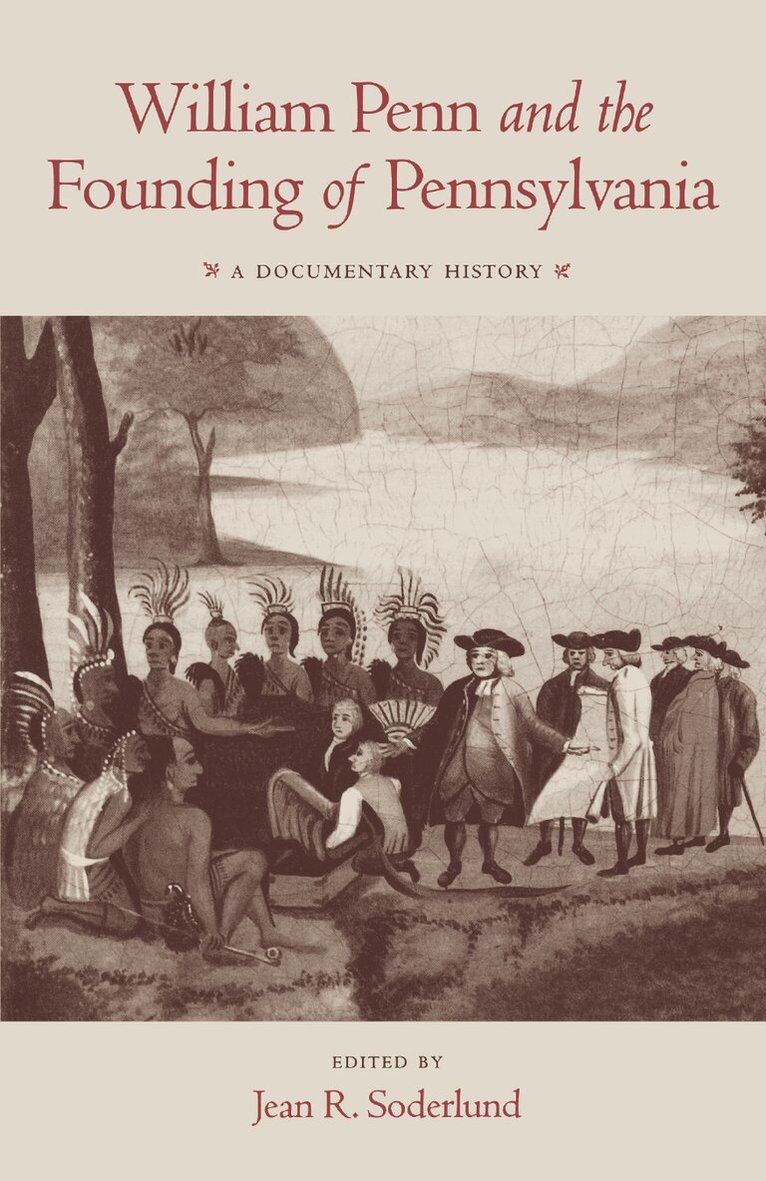
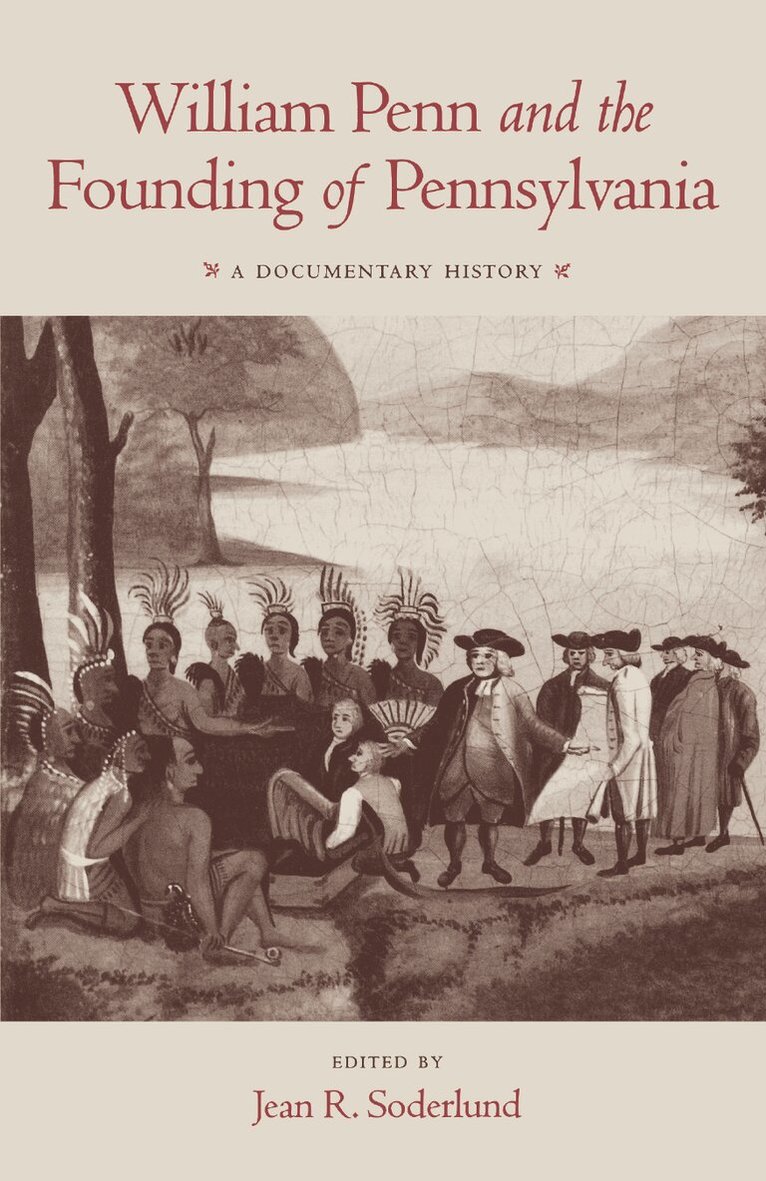
On March 5, 1681, one day after receiving his royal charter for Pennsylvania, William Penn wrote that he believed God would make his colony "the seed of the nation." Penn wanted his Pennsylvania to be a land where people of differing languages and customs could live together, where men and women could worship as they pleased, where men could participate fully in their government. Such a land, Penn believed, would indeed be blessed. Beginning with his petition to the king in May 1680 and ending with his departure to England in August 1684, this book contains the most important documents describing the founding of Pennsylvania. The letters, orders, petitions, charters, laws, pamphlets, maps, constitutional drafts, legislative journals, newspaper articles, memoranda, deeds, and other business records assembled here include Penn's own explanations of his desire to found a Quaker colony, his invitation to settlers, and his design for government.
319 kr
Skickas inom 7-10 vardagar
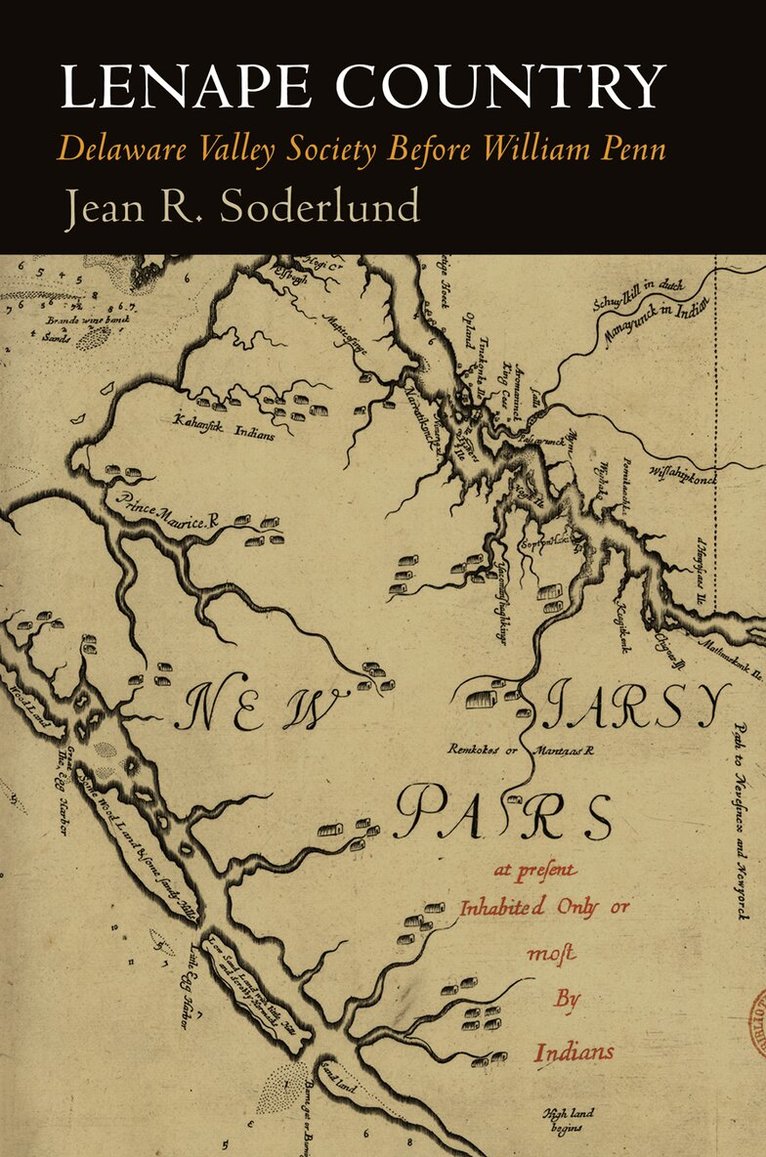
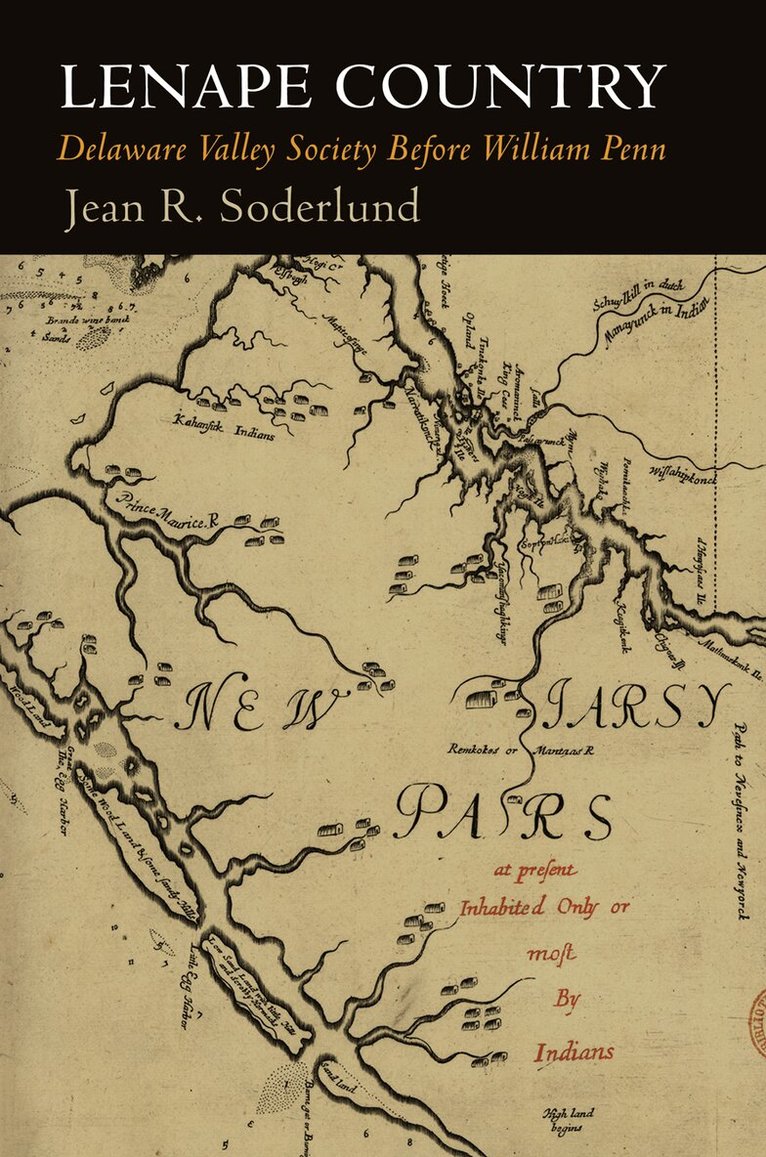
In 1631, when the Dutch tried to develop plantation agriculture in the Delaware Valley, the Lenape Indians destroyed the colony of Swanendael and killed its residents. The Natives and Dutch quickly negotiated peace, avoiding an extended war through diplomacy and trade. The Lenapes preserved their political sovereignty for the next fifty years as Dutch, Swedish, Finnish, and English colonists settled the Delaware Valley. The European outposts did not approach the size and strength of those in Virginia, New England, and New Netherland. Even after thousands of Quakers arrived in West New Jersey and Pennsylvania in the late 1670s and '80s, the region successfully avoided war for another seventy-five years. Lenape Country is a sweeping narrative history of the multiethnic society of the Delaware Valley in the seventeenth and early eighteenth centuries. After Swanendael, the Natives, Swedes, and Finns avoided war by focusing on trade and forging strategic alliances in such events as the Dutch conquest, the Mercurius affair, the Long Swede conspiracy, and English attempts to seize land. Drawing on a wide range of sources, author Jean R.Soderlund demonstrates that the hallmarks of Delaware Valley society-commitment to personal freedom, religious liberty, peaceful resolution of conflict, and opposition to hierarchical government-began in the Delaware Valley not with Quaker ideals or the leadership of William Penn but with the Lenape Indians, whose culture played a key role in shaping Delaware Valley society. The first comprehensive account of the Lenape Indians and their encounters with European settlers before Pennsylvania's founding, Lenape Country places Native culture at the center of this part of North America.
1 106 kr
Skickas inom 10-15 vardagar
In 1631, when the Dutch tried to develop plantation agriculture in the Delaware Valley, the Lenape Indians destroyed the colony of Swanendael and killed its residents. The Natives and Dutch quickly negotiated peace, avoiding an extended war through diplomacy and trade. The Lenapes preserved their political sovereignty for the next fifty years as Dutch, Swedish, Finnish, and English colonists settled the Delaware Valley. The European outposts did not approach the size and strength of those in Virginia, New England, and New Netherland. Even after thousands of Quakers arrived in West New Jersey and Pennsylvania in the late 1670s and '80s, the region successfully avoided war for another seventy-five years. Lenape Country is a sweeping narrative history of the multiethnic society of the Delaware Valley in the seventeenth and early eighteenth centuries. After Swanendael, the Natives, Swedes, and Finns avoided war by focusing on trade and forging strategic alliances in such events as the Dutch conquest, the Mercurius affair, the Long Swede conspiracy, and English attempts to seize land. Drawing on a wide range of sources, author Jean R.Soderlund demonstrates that the hallmarks of Delaware Valley society-commitment to personal freedom, religious liberty, peaceful resolution of conflict, and opposition to hierarchical government-began in the Delaware Valley not with Quaker ideals or the leadership of William Penn but with the Lenape Indians, whose culture played a key role in shaping Delaware Valley society. The first comprehensive account of the Lenape Indians and their encounters with European settlers before Pennsylvania's founding, Lenape Country places Native culture at the center of this part of North America.
1 216 kr
Skickas inom 10-15 vardagar
This first volume, spanning the first thirty-five years of William Penn's life, from 1644 to 1679, documents his activities as a young Quaker activist.
1 216 kr
Skickas inom 10-15 vardagar
This volume, covering the years 1680 to 1684, documents the founding of Pennsylvania.
Greater Philadelphia and the Nation
A New History for the Twenty-First Century, Volume 2
Inbunden, Engelska, 2025
475 kr
Skickas inom 3-6 vardagar
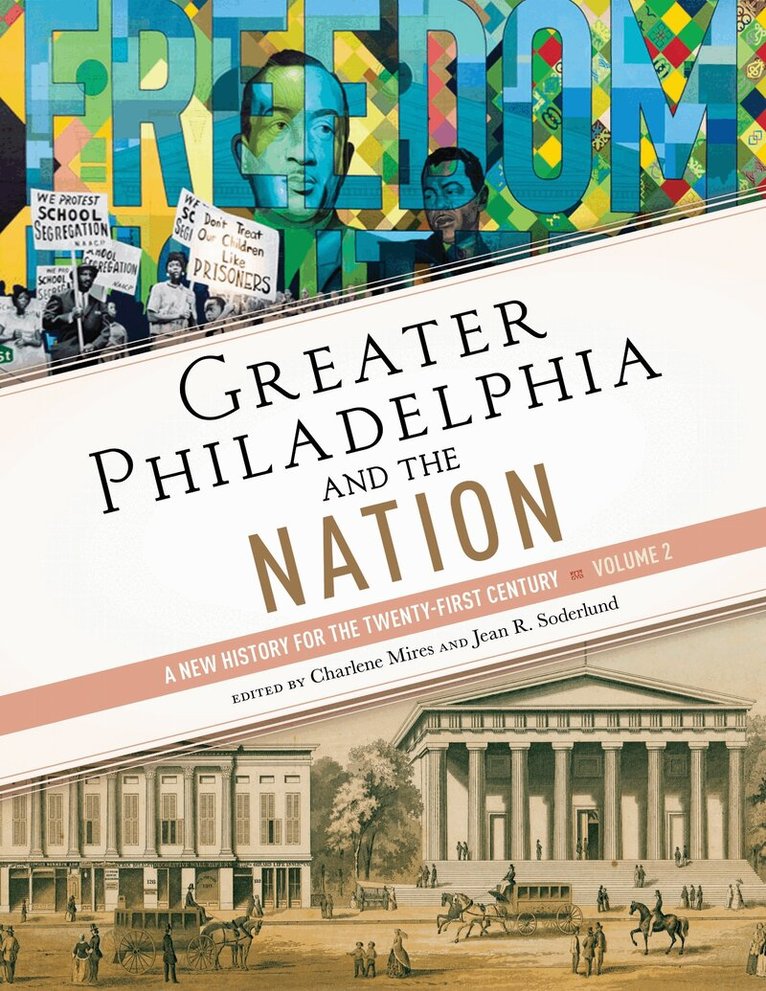
Informed by current scholarship and richly illustrated with full-color photographs and maps, Greater Philadelphia and the Nation and its companion volumes The Greater Philadelphia Region and Greater Philadelphia and the World bring to the public an up-to-date, diverse history of Philadelphia across its many dimensions. This visually stunning reference—assembled by the editorial team of the online Encyclopedia of Greater Philadelphia—begins with Philadelphia’s role during the American Revolution, as the nation’s first capital until 1800, and as home to one of the North’s largest free African American communities in the Antebellum period. From the Civil War to woman suffrage, from the Lenape people to the Gray Panthers, from Black Power to Occupy Philadelphia, the book chronicles the ongoing dynamics of citizenship and nationhood as they unfolded in the Philadelphia region from the eighteenth through the twenty-first centuries. The book is arranged thematically, with chapters containing: · Historical accounts of the events leading up to and during the Revolution, as well as how it continues to be remembered in parks, institutions, and national celebrations; · A chronicle of the journey the region took from enslavement to freedom, from the Underground Railroad to the Pennsylvania Emancipation Exposition, from the Mother Bethel AME Church to the Civil Rights movement, and beyond; · A review of the many ways the Philadelphia area defends the nation, including armories, the Navy Yard, and veterans’ organizations; · An overview of the region’s innovations in banking, communications, and transportation, as well as its contributions to American popular culture. Each chapter also features an “Explore More” section that provides opportunities for further reading and research, including places to visit and sites to investigate, to encourage discovery beyond the book’s pages. From the Revolution and rebellions of early America to the violent riots of the nineteenth century to the nonviolent protests of the twenty-first, Greater Philadelphia and the Nation demonstrates how Philadelphia, and its periphery across southeastern Pennsylvania, southern New Jersey, and northern Delaware, create, challenge, and sustain the nation.
319 kr
Skickas inom 7-10 vardagar
A sweeping narrative history of Lenape Indian encounters with European settlers in the Delaware Valley in the seventeenth and early eighteenth centuries, reissued with a new preface that discusses the complicated legacy of the nation's founding at its 250th anniversary for the Indigenous peoples of Pennsylvania and New JerseyIn 1631, when the Dutch tried to develop plantation agriculture in the Delaware Valley, the Lenape Indians destroyed the colony of Swanendael and killed its residents. The Native people and Dutch quickly negotiated peace, avoiding an extended war through diplomacy and trade. The Lenapes preserved their political sovereignty for the next fifty years as Dutch, Swedish, Finnish, and English colonists settled the Delaware Valley. The European outposts did not approach the size and strength of those in Virginia, New England, and New Netherland. Even after thousands of Quakers arrived in West New Jersey and Pennsylvania in the late 1670s and '80s, the region successfully avoided war for another seventy-five years.Lenape Country is a sweeping narrative history of the multiethnic society of the Delaware Valley in the seventeenth and early eighteenth centuries. After Swanendael, the Native people, Swedes, and Finns avoided war by focusing on trade and forging strategic alliances in such events as the Dutch conquest, the Mercurius affair, the Long Swede conspiracy, and English attempts to seize land. Drawing on a wide range of sources, author Jean R. Soderlund demonstrates that the hallmarks of Delaware Valley society—commitment to personal freedom, religious liberty, peaceful resolution of conflict, and opposition to hierarchical government—began in the Delaware Valley not with Quaker ideals or the leadership of William Penn but with the Lenape people, whose culture played a key role in shaping Delaware Valley society.The first comprehensive account of the Lenape people and their encounters with European settlers before Pennsylvania's founding, Lenape Country places Native culture at the center of this part of North America. This timely reissue features a new preface that discusses the complicated legacy of the nation's founding at its 250th anniversary for the Indigenous peoples of New Jersey and Pennsylvania, including where Philadelphia exists today.
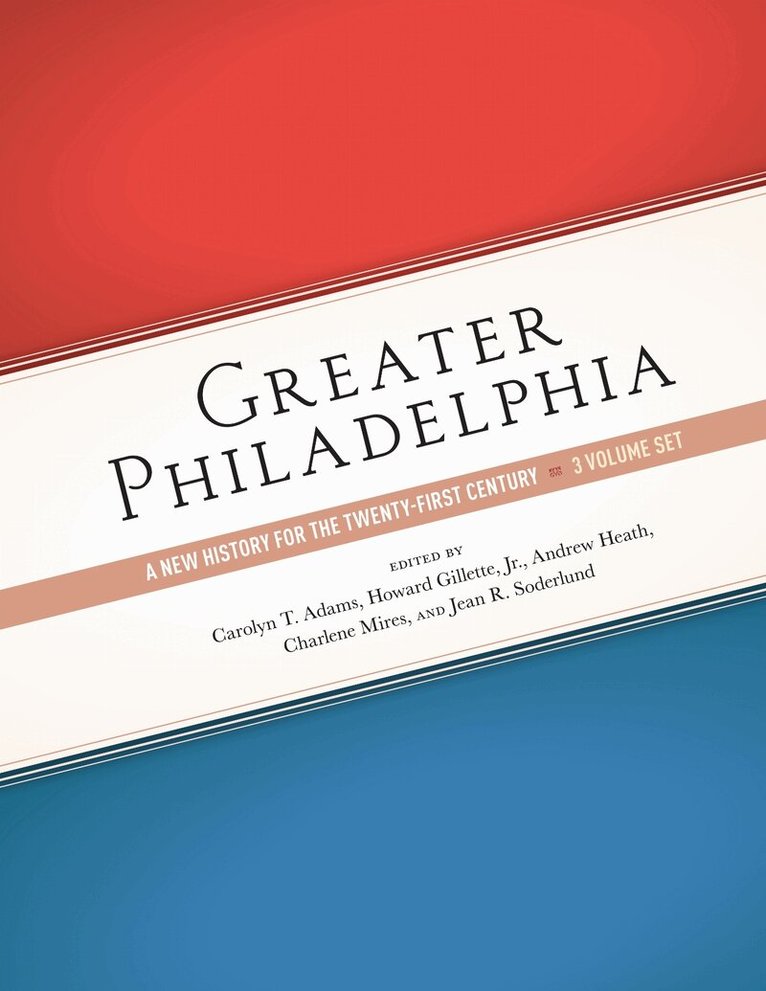
Greater Philadelphia
A New History for the Twenty-First Century, Three-Volume Set
Inbunden, Engelska, 2025
1 361 kr
Skickas inom 7-10 vardagar
Informed by current scholarship and richly illustrated with full-color photographs and maps, Greater Philadelphia: A New History for the Twenty-First Century brings to the public an up-to-date, diverse history of Philadelphia across its many dimensions.Volume 1 adopts "Greater Philadelphia" to indicate a regional scope, but not one limited by a fixed geographical boundary. Instead, "Greater Philadelphia" refers to the interdependence between the city and its periphery across parts of three states: southeastern Pennsylvania, southern New Jersey, and northern Delaware. The Greater Philadelphia Region represents a collection of stories fundamental to the Philadelphia area's history and evolution based on the belief that regions work best when residents, divided in space but linked in multiple ways through social and economic connections, possess shared knowledge about the people and the places that surround them.Volume 2 begins with Philadelphia's role during the American Revolution, as the nation's first capital until 1800, and as home to one of the North's largest free African American communities in the antebellum period. From the Civil War to woman suffrage, from the Lenape people to the Gray Panthers, from Black Power to Occupy Philadelphia, the book chronicles the ongoing dynamics of citizenship and nationhood as they unfolded in the Philadelphia region from the eighteenth through the twenty-first centuries. Greater Philadelphia and the Nation demonstrates how Philadelphia, and its periphery across southeastern Pennsylvania, southern New Jersey, and northern Delaware, create, challenge, and sustain the nation.Volume 3 reveals the influence of empires and nations on Greater Philadelphia while also emphasizing the dynamic role the region and its people have played in shaping the modern world. Exploring the immigrants who peopled the Delaware Valley, the faiths they practiced, the environment they shaped, the wars they waged, and the global connections they forged, Greater Philadelphia and the World reveals a city and its surroundings that has been continually molded by its links to the Atlantic, the Americas, and the Pacific.
332 kr
Skickas inom 7-10 vardagar
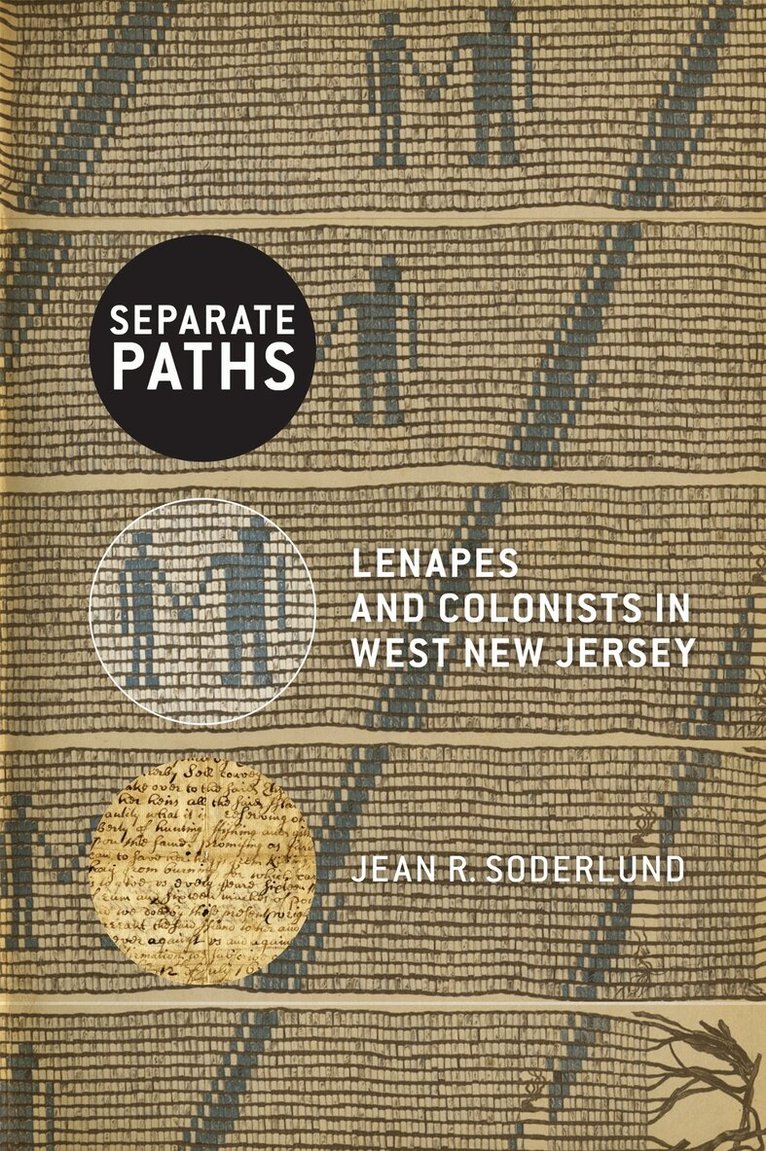
Winner of the 2024 McCormick Prize from the New Jersey Studies Academic AllianceSeparate Paths: Lenapes and Colonists in West New Jersey is the first cross-cultural study of European colonization in the region south of the Falls of the Delaware River (now Trenton). Lenape men and women welcomed their allies, the Swedes and Finns, to escape more rigid English regimes on the west bank of the Delaware, offering land to establish farms, share resources, and trade. In the 1670s, Quaker men and women challenged this model with strategies to acquire all Lenape territory for their own use and to sell as real estate to new immigrants. Though the Lenapes remained sovereign and “old settlers” retained their Swedish Lutheran religion and ethnic autonomy, the West Jersey proprietors had considerable success in excluding Lenapes from their land. The Friends believed God favored their endeavor with epidemics of smallpox and other European diseases that destroyed Lenape families and communities. Affluent Quakers also introduced enslavement of imported Africans and Natives—and the violence that sustained it—to a colony they had promoted with the liberal West New Jersey Concessions of 1676-77. Thus, they defied their prior experience of religious persecution and their principles of peaceful resolution of conflict, equality of everyone before God, and the golden rule to treat others as you wish to be treated. Despite mutual commitment to peace by Lenapes, old settlers, and Friends, Quaker colonization had similar results to military conquests of Natives by English in Virginia and New England, and Dutch in the Hudson Valley and northern New Jersey. Still, in alliance with old settlers, Lenape communities survived in areas outside the focus of English colonization, in the Pine Barrens, upper reaches of streams, and Atlantic shore.
806 kr
Skickas inom 7-10 vardagar
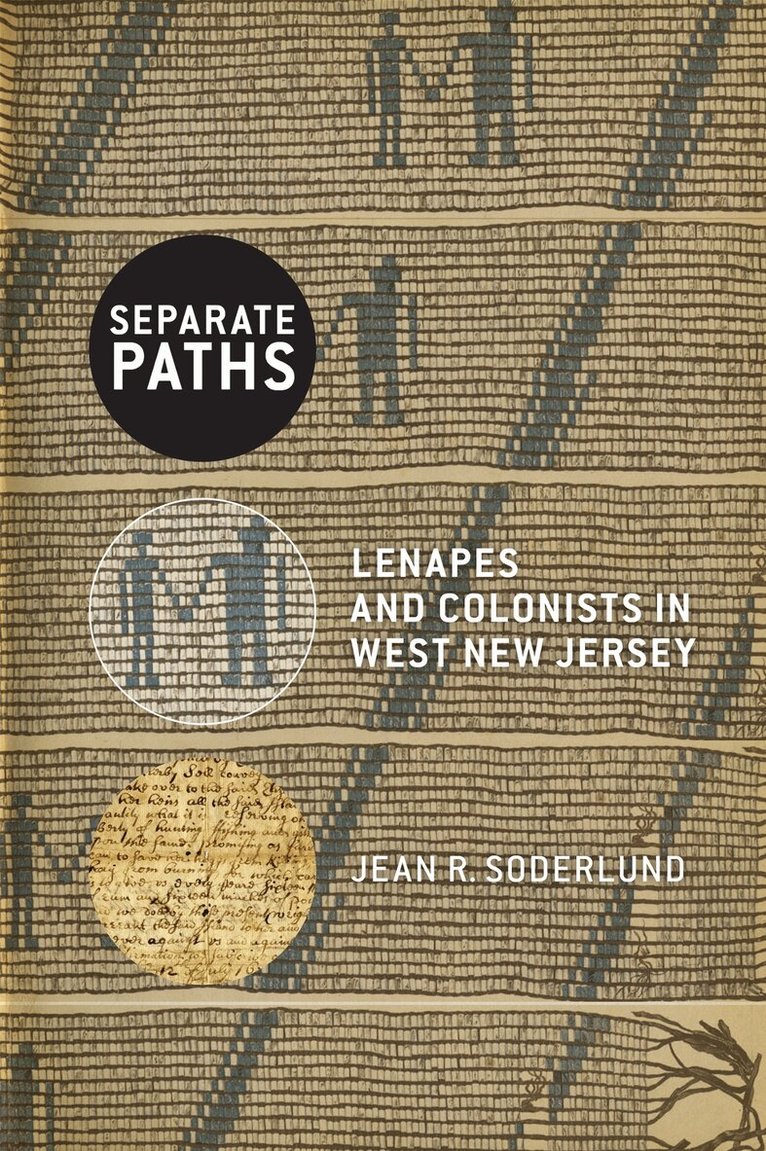
Winner of the 2024 McCormick Prize from the New Jersey Studies Academic AllianceSeparate Paths: Lenapes and Colonists in West New Jersey is the first cross-cultural study of European colonization in the region south of the Falls of the Delaware River (now Trenton). Lenape men and women welcomed their allies, the Swedes and Finns, to escape more rigid English regimes on the west bank of the Delaware, offering land to establish farms, share resources, and trade. In the 1670s, Quaker men and women challenged this model with strategies to acquire all Lenape territory for their own use and to sell as real estate to new immigrants. Though the Lenapes remained sovereign and “old settlers” retained their Swedish Lutheran religion and ethnic autonomy, the West Jersey proprietors had considerable success in excluding Lenapes from their land. The Friends believed God favored their endeavor with epidemics of smallpox and other European diseases that destroyed Lenape families and communities. Affluent Quakers also introduced enslavement of imported Africans and Natives—and the violence that sustained it—to a colony they had promoted with the liberal West New Jersey Concessions of 1676-77. Thus, they defied their prior experience of religious persecution and their principles of peaceful resolution of conflict, equality of everyone before God, and the golden rule to treat others as you wish to be treated. Despite mutual commitment to peace by Lenapes, old settlers, and Friends, Quaker colonization had similar results to military conquests of Natives by English in Virginia and New England, and Dutch in the Hudson Valley and northern New Jersey. Still, in alliance with old settlers, Lenape communities survived in areas outside the focus of English colonization, in the Pine Barrens, upper reaches of streams, and Atlantic shore.