Charles A. Erin - Böcker
Visar alla böcker från författaren Charles A. Erin. Handla med fri frakt och snabb leverans.
3 produkter
3 produkter
1 199 kr
Skickas inom 3-6 vardagar
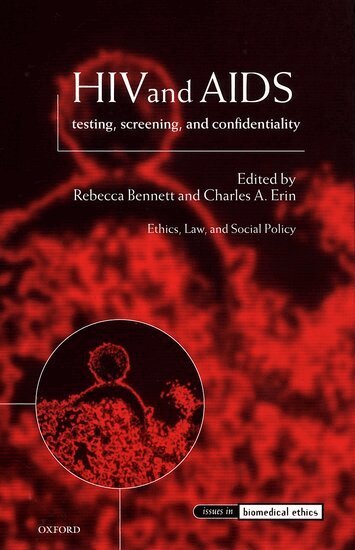
ISSUES IN BIOMEDICAL ETHICS General Editors: John Harris, University of Manchester; S(ren Holm, University of Copenhagen. Consulting Editor: Ranaan Gillon, Director, Imperial College Health Service, London. North American Consulting Editor: Bonnie Steinbock, Professor of Philosophy, SUNY, Albany. The late twentieth century has witnessed dramatic technological developments in biomedical science and the delivery of health care, and these developments have brought with them important social changes. All too often ethical analysis has lagged behind these changes. The purpose of this series is to provide lively, up-to-date, and authoritative studies for the increasingly large and diverse readership concerned with issues in biomedical ethics--not just health care trainees and professionals, but also social scientists, philosophers, lawyers, social workers, and legislators. The series will feature both single-author and multi-author books, short and accessible enough to be widely read, each of them focused on an issue of outstanding current importance and interest. Philosophers, doctors, and lawyers from several countries already feature among the contributors to the series. It promises to become the leading channel for the best original work in this burgeoning field. this book: Testing and screening for HIV and AIDS give rise to ethical, legal, and social issues of the most controversial and delicate kind. An international team of eighteen doctors, philosophers, and lawyers present a fresh and thorough discussion of these issues; they aim to show the way to practical advances but also to give an accessible guide to the debates for readers new to them. The contributors pay particular attention to the sensitive nature of the information yielded by a test for HIV antibody. They consider such questions as these: Are we under an obligation to disclose our HIV status if known? Can there be a moral justfication for the breaching of confidentiality in certain circumstances? Should health care professionals be forced to undergo HIV testing? Is there a right to remain in ignorance of one's HIV status? Consideration of such questions illuminates not only public policy and medical practice in connection with HIV and AIDS, but also broader issues about professional ethics and individual rights in other medical and social contexts. The breadth and depth of the research represented and the lucidity of the arguments put forward make this a key resource for academic researchers and healthcare professionals alike.
1 553 kr
Skickas inom 5-8 vardagar
This book examines questions of medical accountability and ethics. It analyses how the criminal justice system regulates health care practice, and to what extent it can and should be used as a tool to resolve ethical conflict in health care. For most of the twentieth century, criminal courts were engaged in matters relating to medicine principally as a forum to resolve ethical controversies over the sanctity of life. However, the judiciary approached this function with reluctance and a marked tendency to defer to the medical profession to define what constituted ethical, and thus lawful, conduct. However, over the past 25 years, criminal courts have increasingly been drawn into these types of question, and the criminal law has become a major actor in the resolution of ethical conflict. The trend to prosecute for aberrant professional conduct or medical malpractice and the role of the criminal process in medicine has been analytically neglected in the UK. There is scant literature addressing the appropriate boundaries of the criminal process in resolving ethical conflict, the theoretical legal analysis of the law's relationship with health care, or the practical impact of the criminal justice system on professionals and the delivery of health care in the UK. This volume addresses these issues via a combination of theoretical analyses and key case studies, drawing on the experiences of other carefully selected jurisdictions. It places a particular emphasis on the appropriateness of the involvement of the criminal justice system in health care, the limitations of this developing trend, and solutions to the problems it throws up. The book takes euthanasia as a primary example of the issues raised by the intersection of health care and the criminal law, and questions whether health care issues appropriately fall within the remit of the criminal justice system.
860 kr
Skickas inom 5-8 vardagar
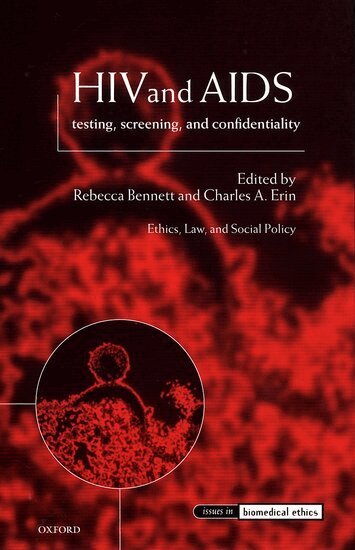
The series:General Editors: John Harris, University of Manchester; Soren Holm, University of Manchester.Consulting Editor: Ranaan Gillon, Director, Imperial College Health Service, London.North American Consulting Editor: Bonnie Steinbock, Professor of Philosophy, SUNY, Albany.The late twentieth century has witnessed dramatic technological developments in biomedical science and the delivery of health care, and these developments have brought with them important social changes. All too often ethical analysis has lagged behind these changes. The purpose of this series is to provide lively, up-to-date, and authoritative studies for the increasingly large and diverse readership concerned with issues in biomedical ethics--not just health care trainees and professionals, but also social scientists, philosophers, lawyers, social workers, and legislators. The series will feature both single-author and multi-author books, short and accessible enough to be widely read, each of them focused on an issue of outstanding current importance and interest. Philosophers, doctors, and lawyers from several countries already feature among the contributors to the series. It promises to become the leading channel for the best original work in this burgeoning field. This book:Testing and screening for HIV and AIDS give rise to ethical, legal, and social issues of the most controversial and delicate kind. An international team of eighteen doctors, philosophers, and lawyers present a fresh and thorough discussion of these issues; they aim to show the way to practical advances but also to give an accessible guide to the debates for readers new to them. The contributors pay particular attention to the sensitive nature of the information yielded by a test for HIV antibody. They consider such questions as these: Are we under an obligation to disclose our HIV status if known? Can there be a moral justification for the breaching of confidentiality in certain circumstances? Should health care professionals be forced to undergo HIV testing? Is there a right to remain in ignorance of one's HIV status? Consideration of such questions illuminates not only public policy and medical practice in connection with HIV and AIDS, but also broader issues about professional ethics and individual rights in other medical and social contexts. The breadth and depth of the research represented and the lucidity of the arguments put forward make this a key resource for academic researchers and healthcare professionals alike.