Charles Clover – författare
Visar alla böcker från författaren Charles Clover. Handla med fri frakt och snabb leverans.
9 produkter
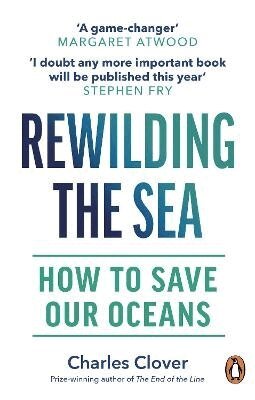
Rewilding the Sea
How to Save our Oceans
Häftad, 2023
166 kr
Lägg i varukorg
**SHORTLISTED FOR THE 2023 WAINWRIGHT PRIZE**'Desperately needed' - Isabella Tree'I doubt any more important book will published this year' - Stephen FryIn this indispensable follow up to his acclaimed The End of the Line: How Overfishing is Changing the World, Charles Clover chronicles how …
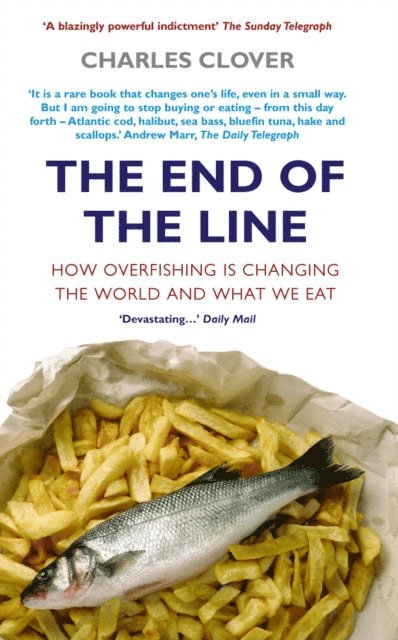
End Of The Line
Häftad, 2005
176 kr
Lägg i varukorg
We have reached a pivotal moment for fishing, with seventy-five percent of the world's fish stocks either fully exploited or overfished. If nothing is done to stop the squandering of fish stocks the life of the oceans will face collapse and millions of people could starve. Fish is the aspirational …
Black Wind, White Snow
Russia's New Nationalism
Häftad, 2022
166 kr
Lägg i varukorg
A fascinating study of the motivations behind the political activities and philosophies of Putin’s government in Russia“Part intellectual history, part portrait gallery . . . Black Wind, White Snow traces the background to Putin’s ideas with verve and clarity.”—Geoffrey Hosking, Financial …
Black Wind, White Snow
Russia''s New Nationalism
E-bok, 2022
221 kr
Lägg i varukorg
A fascinating study of the root motivations behind the political activities and philosophies of Putin’s government in Russia “Part intellectual history, part portrait gallery . . . Black Wind, White Snow traces the background to Putin’s ideas with verve and clarity.”—Geoffrey Hosking, Financial …
End Of The Line
E-bok, 2013
144 kr
Lägg i varukorg
We have reached a pivotal moment for fishing, with seventy-five percent of the world's fish stocks either fully exploited or overfished. If nothing is done to stop the squandering of fish stocks the life of the oceans will face collapse and millions of people could starve. Fish is the aspirational …
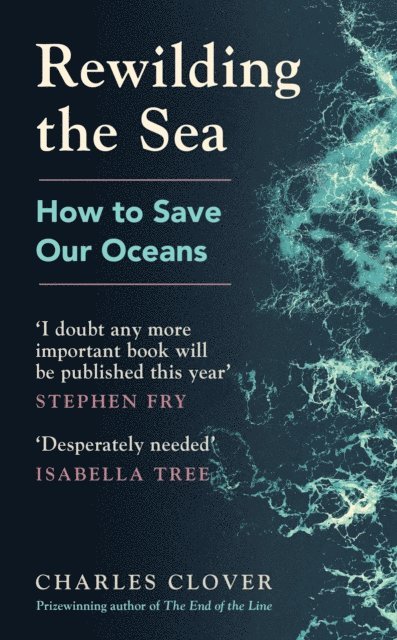
Rewilding the Sea
How to Save our Oceans
E-bok, 2022
34 kr
Lägg i varukorg
**SHORTLISTED FOR THE 2023 WAINWRIGHT PRIZE**'Desperately needed' - Isabella Tree'I doubt any more important book will published this year' - Stephen FryIn this indispensable follow up to his acclaimed The End of the Line: How Overfishing is Changing the World, Charles Clover chronicles how …
Rewilding the Sea
How to Save our Oceans
Ljudbok, 2022
166 kr
Lägg i varukorg
Brought to you by Penguin. In this indispensable follow up to his acclaimed The End of the Line: How Overfishing is Changing the World, Charles Clover chronicles how determined individuals are proving that the crisis in our oceans can be reversed, with benefits for both local communities and entire …
End of the Line
How Overfishing Is Changing the World and What We Eat
Inbunden, 2006
356 kr
Lägg i varukorg
Gourmands and health-conscious consumers alike have fallen for fish; last year per capita consumption in the United States hit an all-time high. Packed with nutrients and naturally low in fat, fish is the last animal we can still eat in good conscience. Or can we?In this vivid, eye-opening …