Charles R. Acland – författare
Visar alla böcker från författaren Charles R. Acland. Handla med fri frakt och snabb leverans.
19 produkter
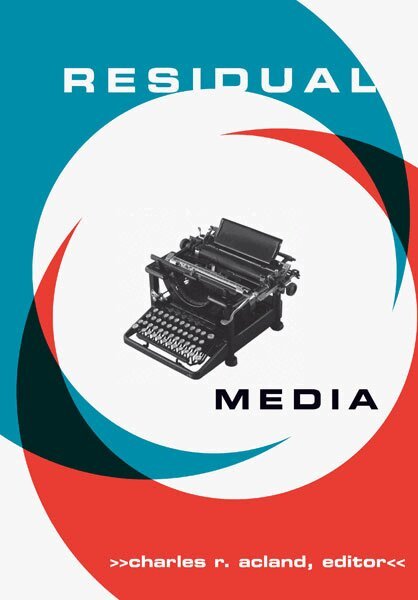
Residual Media
Häftad, 2007
304 kr
Lägg i varukorg
In a society that breathlessly awaits “the new” in every medium, what happens to last year’s new? Ample critical energy has gone into the study of new media, genres, and communities. But what becomes of discarded media? In what manner do the products of technological change reappear as …
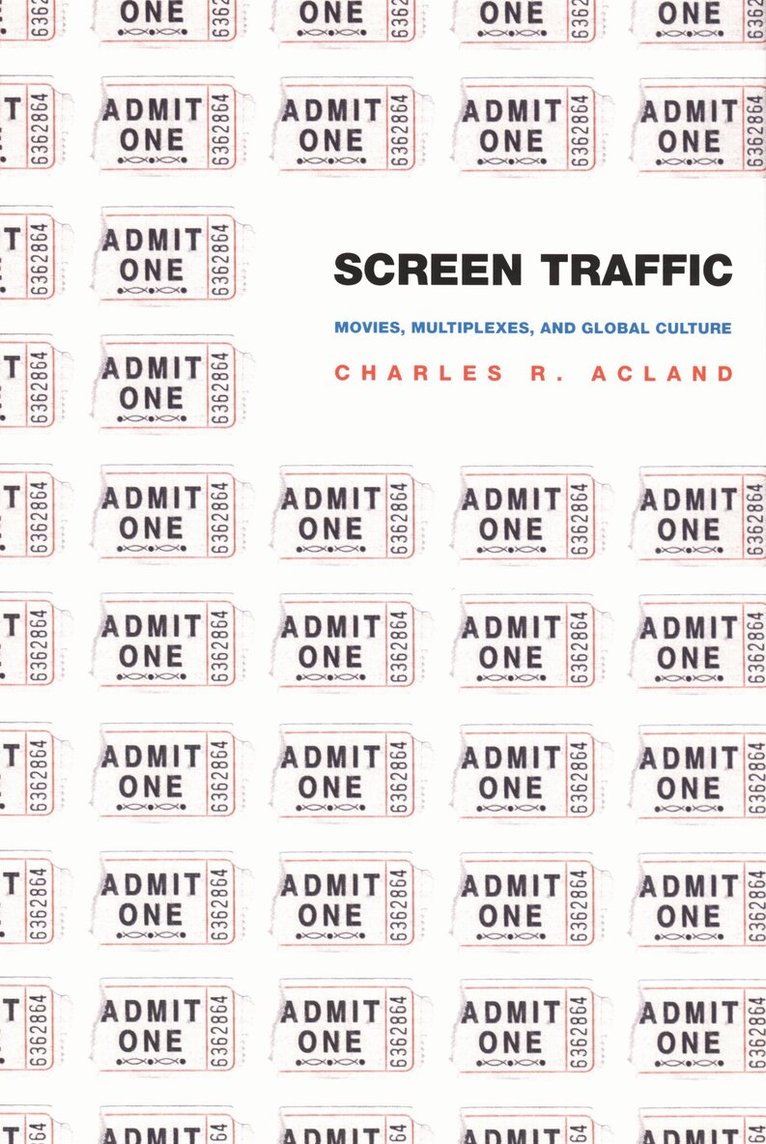
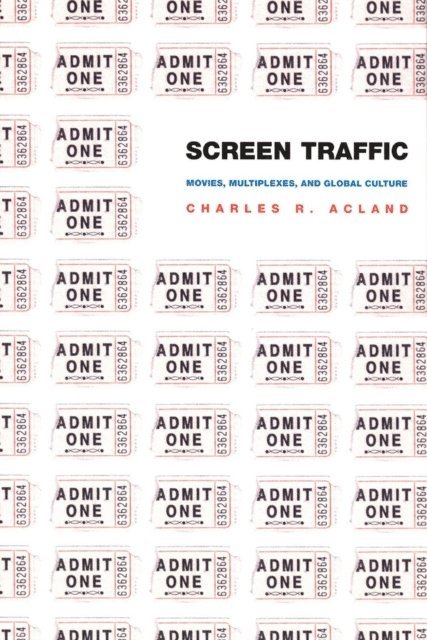
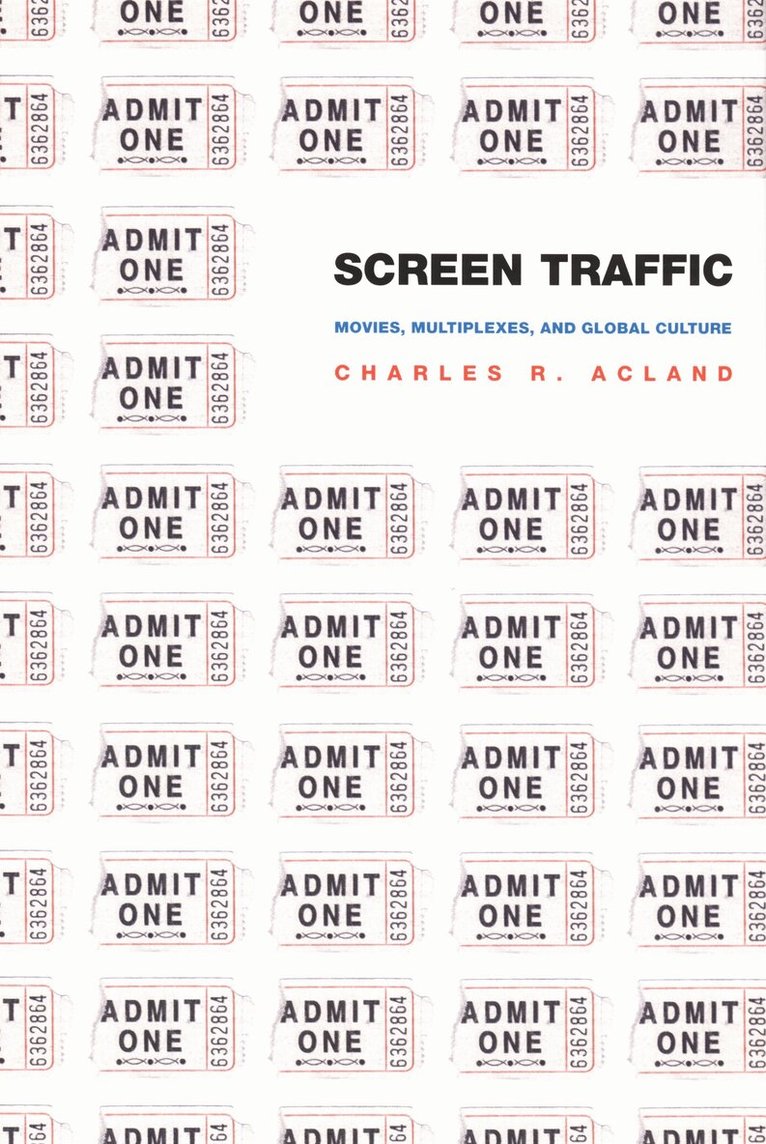
Screen Traffic
Movies, Multiplexes, and Global Culture
Häftad, 2003
441 kr
Lägg i varukorg
In Screen Traffic, Charles R. Acland examines how, since the mid-1980s, the U.S. commercial movie business has altered conceptions of moviegoing both within the industry and among audiences. He shows how studios, in their increasing reliance on revenues from international audiences and from the …
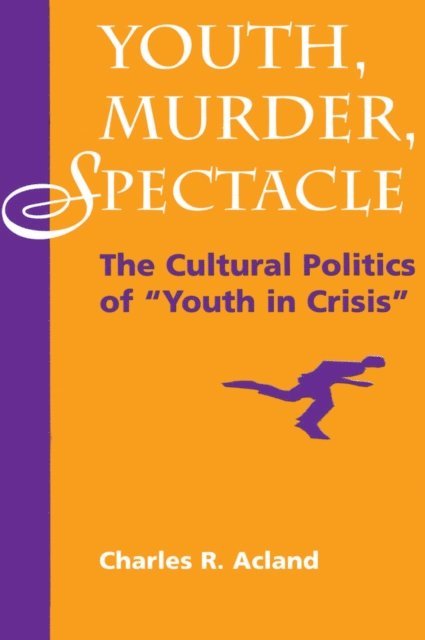
Youth, Murder, Spectacle
The Cultural Politics Of ""Youth In Crisis""
Inbunden, 2019
2513 kr
Lägg i varukorg
In this book, Charles Acland examines the culture that has produced both our heightened state of awareness and the bedrock reality of youth violence in the United States. Beginning with a critique of statistical evidence of youth violence, Acland compares and juxtaposes a variety of popular …
Youth, Murder, Spectacle
The Cultural Politics Of ""Youth In Crisis""
E-bok, 2018
762 kr
Lägg i varukorg
In this book, Charles R. Acland examines the culture that has produced both our heightened state of awareness and the bedrock reality of youth violence in the United States. Beginning with a critique of statistical evidence of youth violence, Acland compares and juxtaposes a variety of popular …
Youth, Murder, Spectacle
The Cultural Politics Of ""Youth In Crisis""
E-bok, 2018
762 kr
Lägg i varukorg
In this book, Charles R. Acland examines the culture that has produced both our heightened state of awareness and the bedrock reality of youth violence in the United States. Beginning with a critique of statistical evidence of youth violence, Acland compares and juxtaposes a variety of popular …
Harold Innis in the New Century
Reflections and Refractions
Av William J. Buxton, Charles R. Acland
E-bok, 1999
1072 kr
Lägg i varukorg
The book is divided into three sections: "Reflections on Innis" provides a historical reassessment of Innis, "Gaps and Silences" considers the limitations of both Innis''s thought and his interpreters, and "Innis and Cultural Theory" offers speculations on his influence on cultural analysis. The …
Youth, Murder, Spectacle
The Cultural Politics Of ""Youth In Crisis""
Häftad, 1994
649 kr
Lägg i varukorg
In this book, Charles R. Acland examines the culture that has produced both our heightened state of awareness and the bedrock reality of youth violence in the United States. Beginning with a critique of statistical evidence of youth violence, Acland compares and juxtaposes a variety of popular …
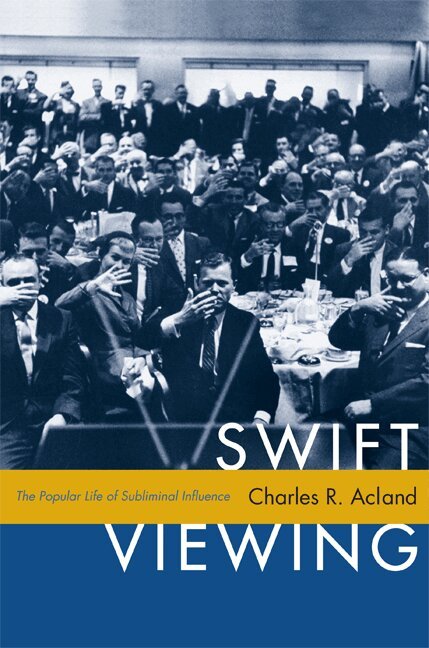
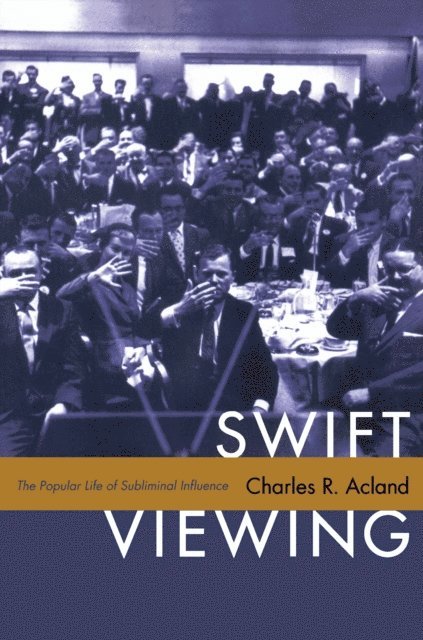
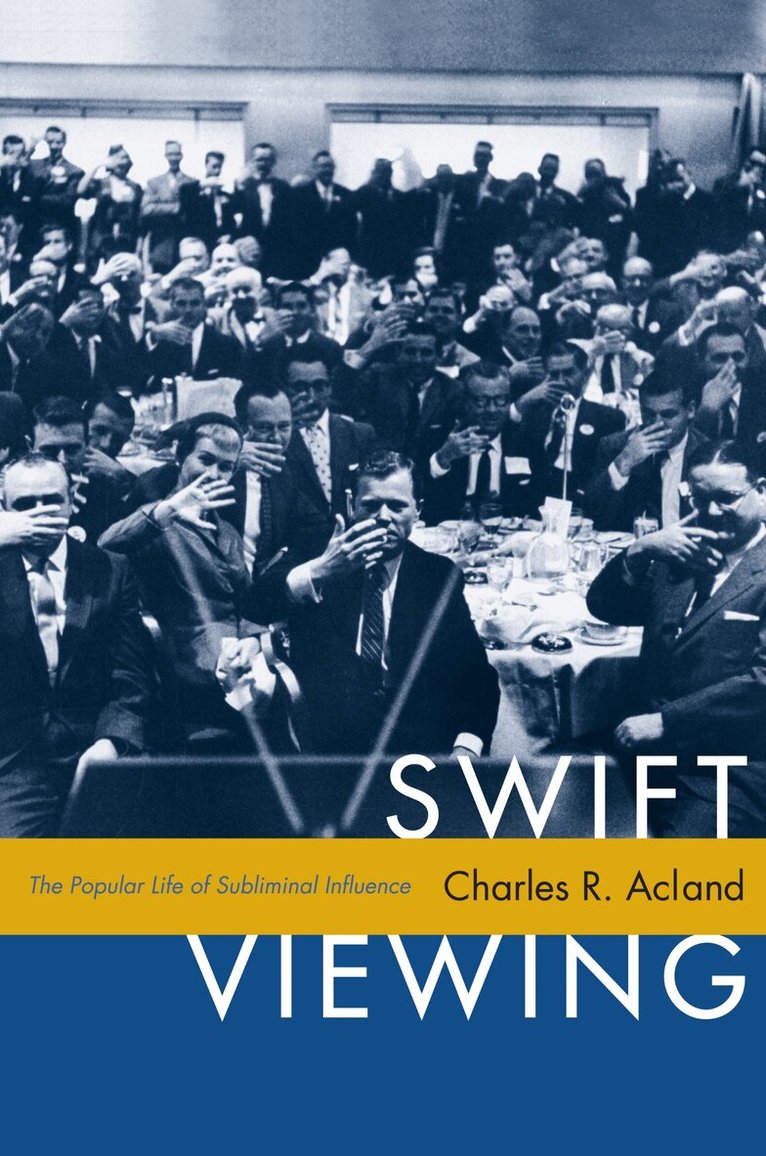
Swift Viewing
The Popular Life of Subliminal Influence
Häftad, 2012
579 kr
Lägg i varukorg
Since the late 1950s, the idea that hidden, imperceptible messages could influence mass behavior has been debated, feared, and ridiculed. In Swift Viewing, Charles R. Acland reveals the secret story of subliminal influence, showing how an obscure concept from experimental psychology became a …
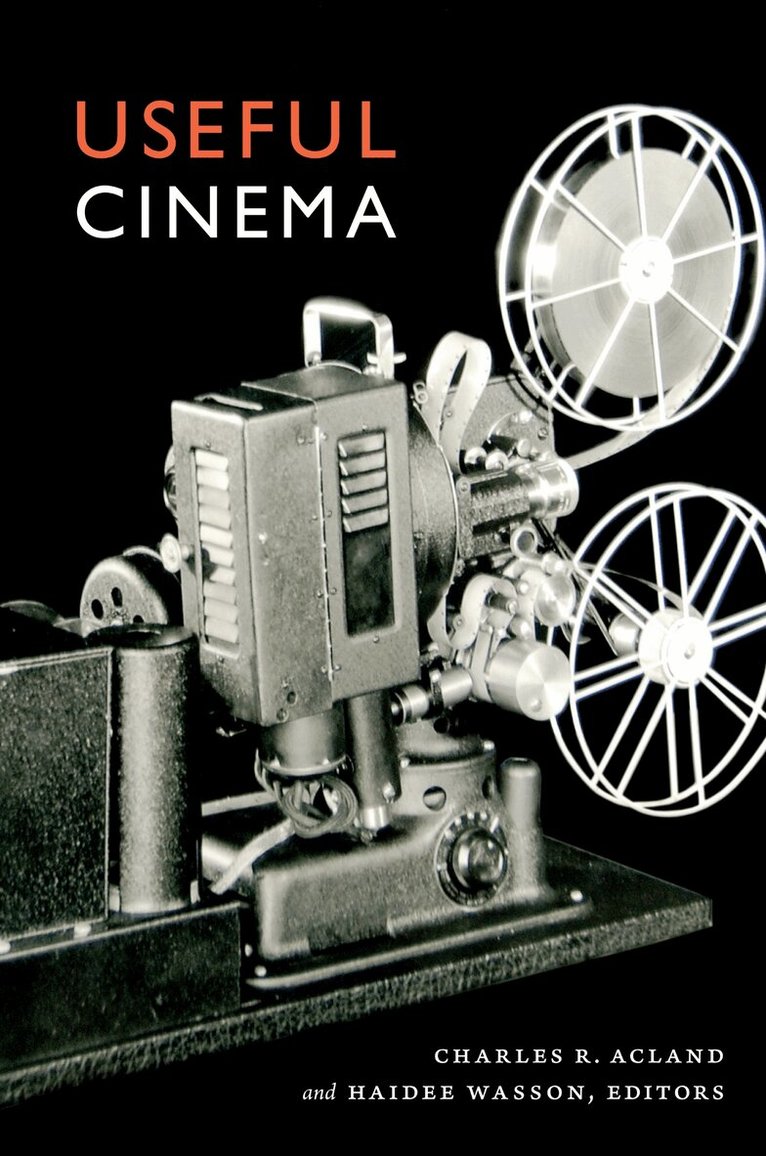
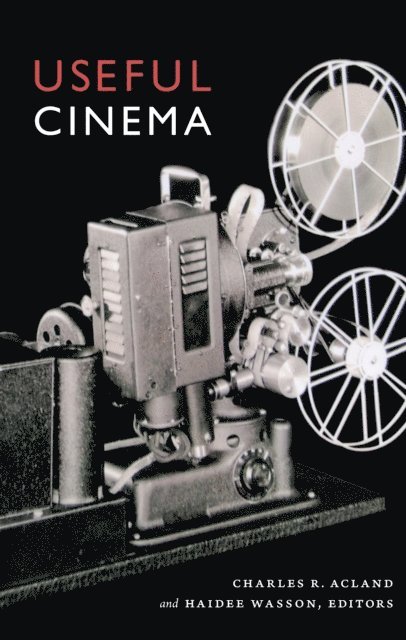
Useful Cinema
Av Charles R. Acland, Haidee Wasson
Inbunden, 2011
1494 kr
Lägg i varukorg
By exploring the use of film in mid-twentieth-century institutions, including libraries, museums, classrooms, and professional organizations, the essays in Useful Cinema show how moving images became an ordinary feature of American life. In venues such as factories and community halls, people …
Useful Cinema
Av Charles R. Acland, Haidee Wasson
Häftad, 2011
468 kr
Lägg i varukorg
By exploring the use of film in mid-twentieth-century institutions, including libraries, museums, classrooms, and professional organizations, the essays in Useful Cinema show how moving images became an ordinary feature of American life. In venues such as factories and community halls, people …
Screen Traffic
Movies, Multiplexes, and Global Culture
E-bok, 2003
651 kr
Lägg i varukorg
In Screen Traffic , Charles R. Acland examines how, since the mid-1980s, the U.S. commercial movie business has altered conceptions of moviegoing both within the industry and among audiences. He shows how studios, in their increasing reliance on revenues from international audiences and from the …
Swift Viewing
The Popular Life of Subliminal Influence
E-bok, 2012
570 kr
Lägg i varukorg
Since the late 1950s, the idea that hidden, imperceptible messages could influence mass behavior has been debated, feared, and ridiculed. In Swift Viewing , Charles R. Acland reveals the secret story of subliminal influence, showing how an obscure concept from experimental psychology became a …
Useful Cinema
Av Haidee Wasson, Charles R. Acland
E-bok, 2011
692 kr
Lägg i varukorg
By exploring the use of film in mid-twentieth-century institutions, including libraries, museums, classrooms, and professional organizations, the essays in Useful Cinema show how moving images became an ordinary feature of American life. In venues such as factories and community halls, people …
American Blockbuster
Movies, Technology, and Wonder
Inbunden, 2020
1298 kr
Lägg i varukorg
Ben-Hur (1959), Jaws (1975), Avatar (2009), Wonder Woman (2017): the blockbuster movie has held a dominant position in American popular culture for decades. In American Blockbuster Charles R. Acland charts the origins, impact, and dynamics of this most visible, entertaining, and disparaged cultural …
American Blockbuster
Movies, Technology, and Wonder
Häftad, 2020
344 kr
Lägg i varukorg
Ben-Hur (1959), Jaws (1975), Avatar (2009), Wonder Woman (2017): the blockbuster movie has held a dominant position in American popular culture for decades. In American Blockbuster Charles R. Acland charts the origins, impact, and dynamics of this most visible, entertaining, and disparaged cultural …
American Blockbuster
Movies, Technology, and Wonder
E-bok, 2020
505 kr
Lägg i varukorg
Ben-Hur (1959), Jaws (1975), Avatar (2009), Wonder Woman (2017): the blockbuster movie has held a dominant position in American popular culture for decades. In American Blockbuster Charles R. Acland charts the origins, impact, and dynamics of this most visible, entertaining, and disparaged cultural …
Harold Innis in the New Century
Reflections and Refractions
Av Charles R. Acland, William J. Buxton
Häftad, 2000
442 kr
Tillfälligt slut
The book is divided into three sections: "Reflections on Innis" provides a historical reassessment of Innis, "Gaps and Silences" considers the limitations of both Innis's thought and his interpreters, and "Innis and Cultural Theory" offers speculations on his influence on cultural analysis. The …
Screen Traffic
Movies, Multiplexes, and Global Culture
Inbunden, 2003
1323 kr
Tillfälligt slut
In Screen Traffic, Charles R. Acland examines how, since the mid-1980s, the U.S. commercial movie business has altered conceptions of moviegoing both within the industry and among audiences. He shows how studios, in their increasing reliance on revenues from international audiences and from the …
Swift Viewing
The Popular Life of Subliminal Influence
Inbunden, 2012
1363 kr
Tillfälligt slut
Since the late 1950s, the idea that hidden, imperceptible messages could influence mass behavior has been debated, feared, and ridiculed. In Swift Viewing, Charles R. Acland reveals the secret story of subliminal influence, showing how an obscure concept from experimental psychology became a …