Charles Zika – författare
Visar alla böcker från författaren Charles Zika. Handla med fri frakt och snabb leverans.
11 produkter
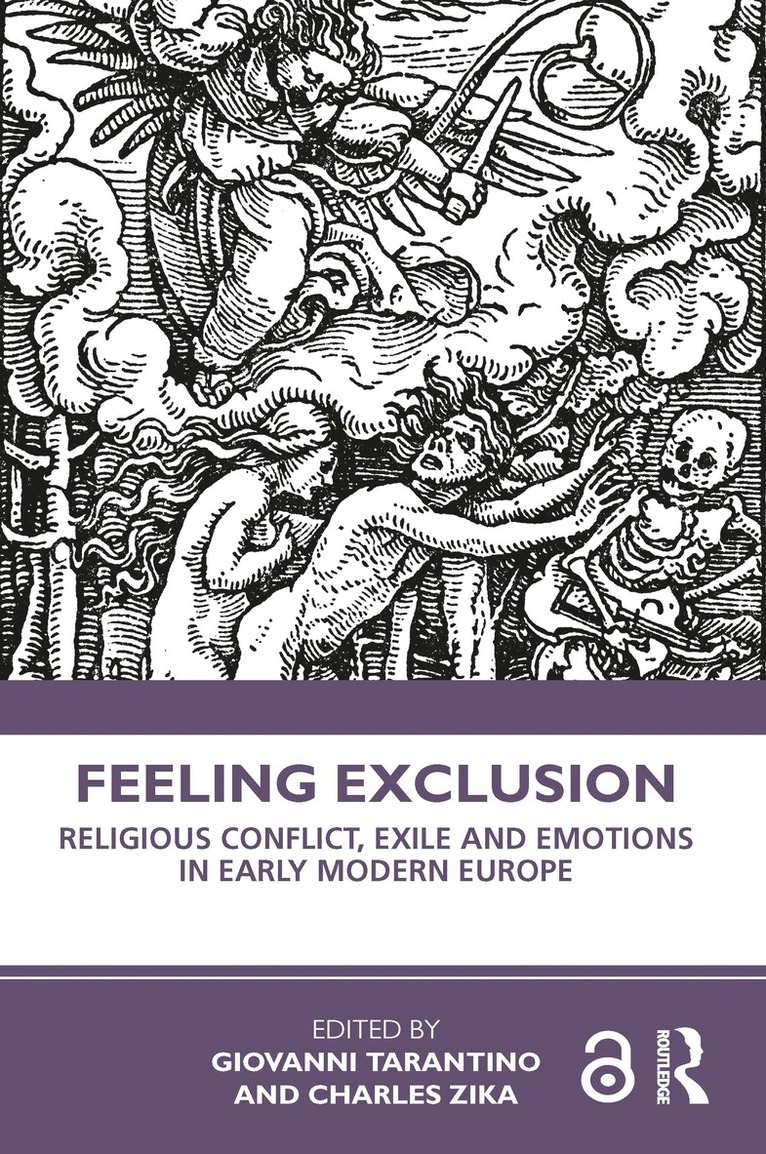
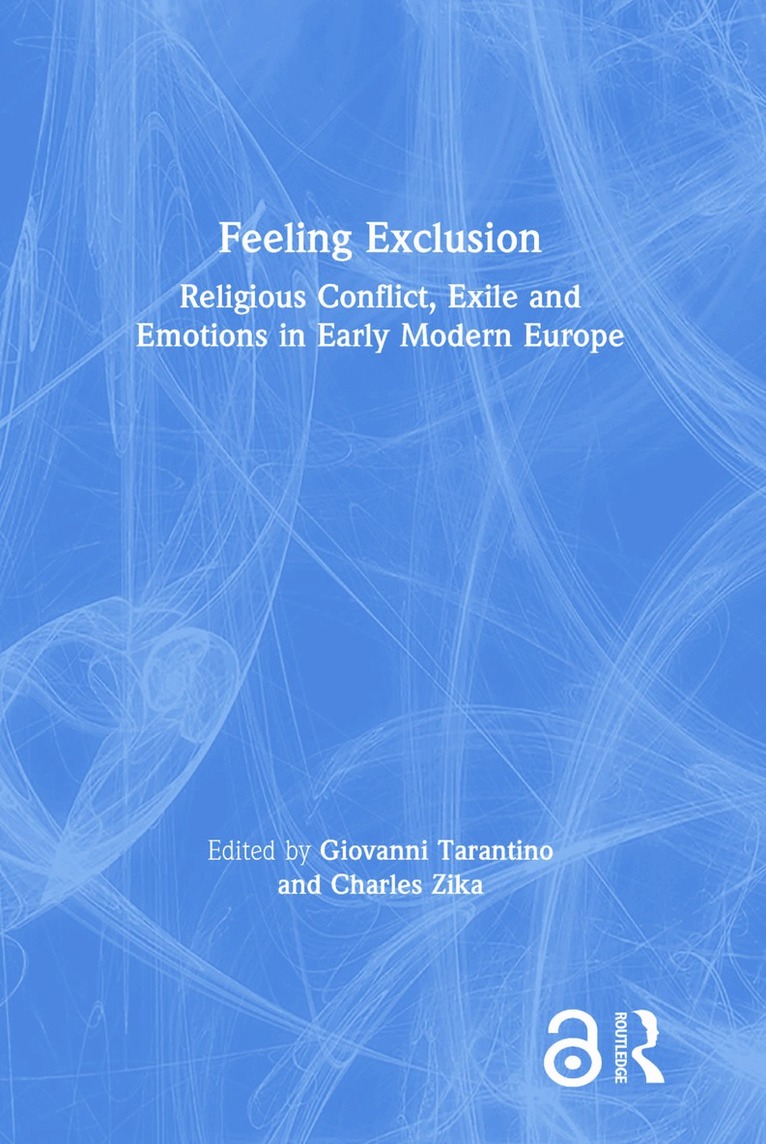
Feeling Exclusion
Religious Conflict, Exile and Emotions in Early Modern Europe
Av Giovanni Tarantino, Charles Zika
Häftad, 2019
646 kr
Lägg i varukorg
Feeling Exclusion: Religious Conflict, Exile and Emotions in Early Modern Europe investigates the emotional experience of exclusion at the heart of the religious life of persecuted and exiled individuals and communities in early modern Europe.Between the late fifteenth and early eighteenth …
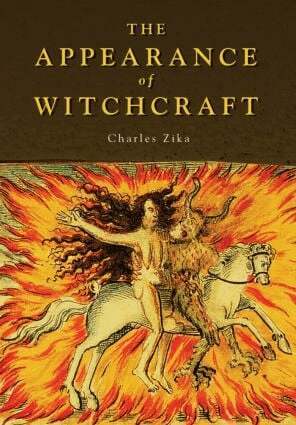
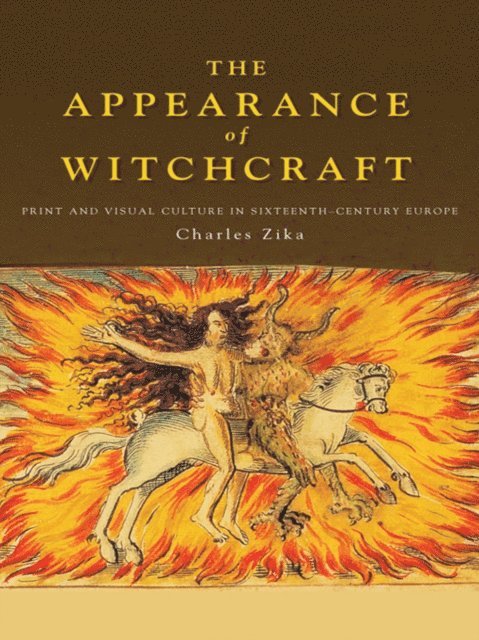
Appearance of Witchcraft
Print and Visual Culture in Sixteenth-Century Europe
Av Charles Zika
Inbunden, 2007
2504 kr
Lägg i varukorg
Shortlisted for the 2008 Katharine Briggs Award. For centuries the witch has been a powerful figure in the European imagination; but the creation of this figure has been hidden from our view. Charles Zika’s groundbreaking study investigates how the visual image of the witch was created in late …
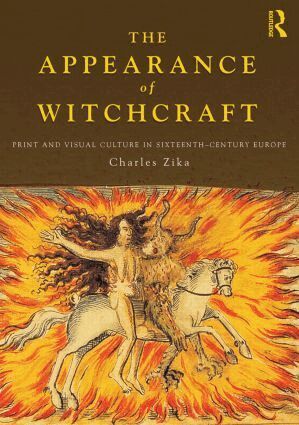
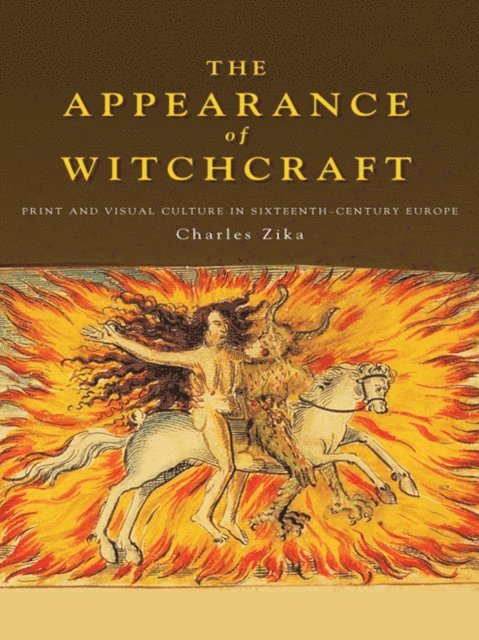
Appearance of Witchcraft
Print and Visual Culture in Sixteenth-Century Europe
Av Charles Zika
Häftad, 2009
665 kr
Lägg i varukorg
Shortlisted for the 2008 Katharine Briggs Award. For centuries the witch has been a powerful figure in the European imagination; but the creation of this figure has been hidden from our view. Charles Zika’s groundbreaking study investigates how the visual image of the witch was created in late …
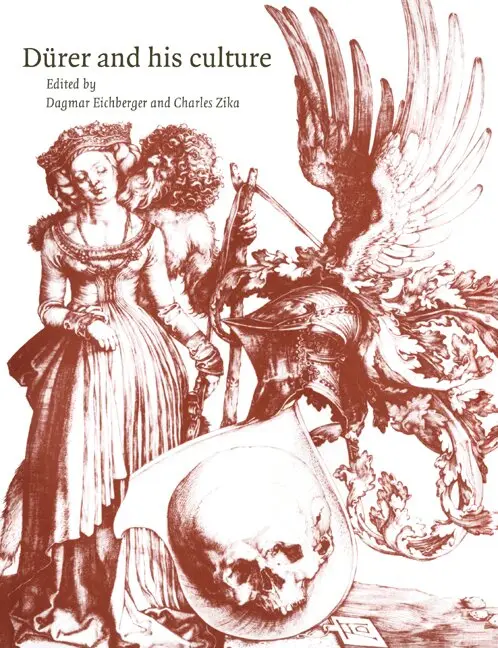
Dürer and his Culture
Av Dagmar Eichberger, Charles Zika
Häftad, 2005
721 kr
Lägg i varukorg
This collection extends and deepens understanding of the political, social, and cultural contexts through which the meanings of Dürer's works can be perceived, and focuses on images which provide insights into his rich cultural milieu. Expanding views of nature and landscape, cultural strategies of …
Appearance of Witchcraft
Print and Visual Culture in Sixteenth-Century Europe
Av Charles Zika
E-bok, 2013
696 kr
Lägg i varukorg
Shortlisted for the 2008 Katharine Briggs Award . For centuries the witch has been a powerful figure in the European imagination; but the creation of this figure has been hidden from our view. Charles Zika’s groundbreaking study investigates how the visual image of the witch was created in late …
Appearance of Witchcraft
Print and Visual Culture in Sixteenth-Century Europe
Av Charles Zika
E-bok, 2013
696 kr
Lägg i varukorg
Shortlisted for the 2008 Katharine Briggs Award . For centuries the witch has been a powerful figure in the European imagination; but the creation of this figure has been hidden from our view. Charles Zika’s groundbreaking study investigates how the visual image of the witch was created in late …
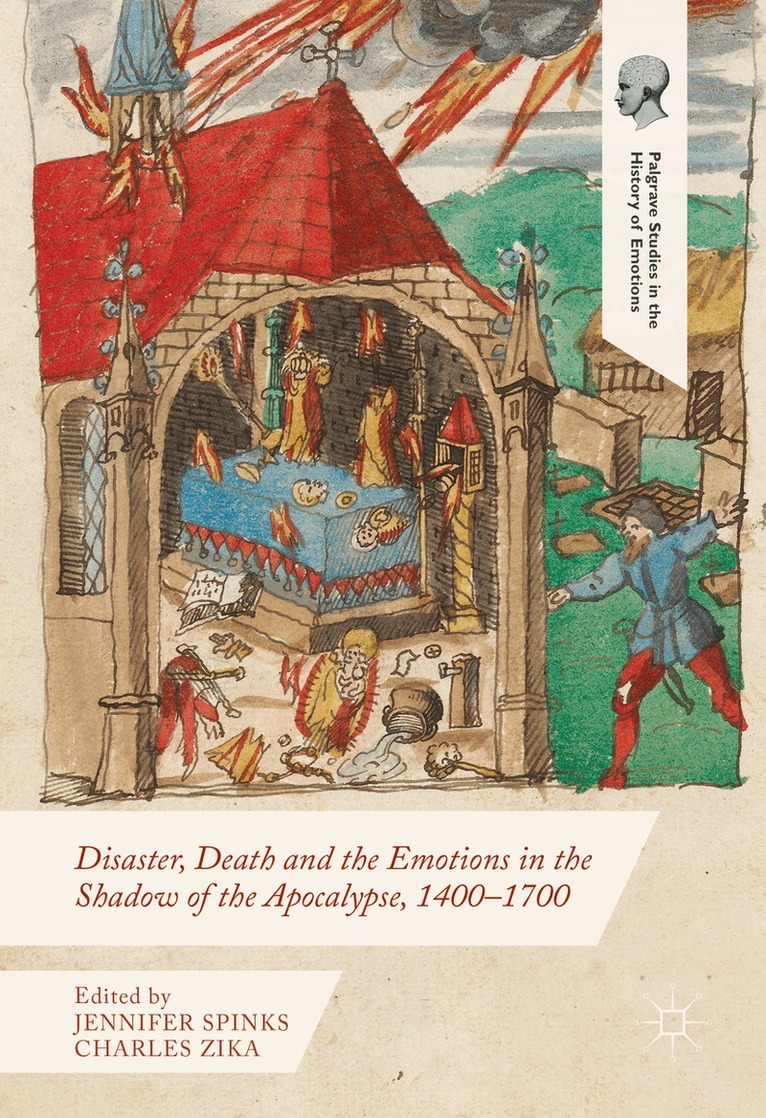
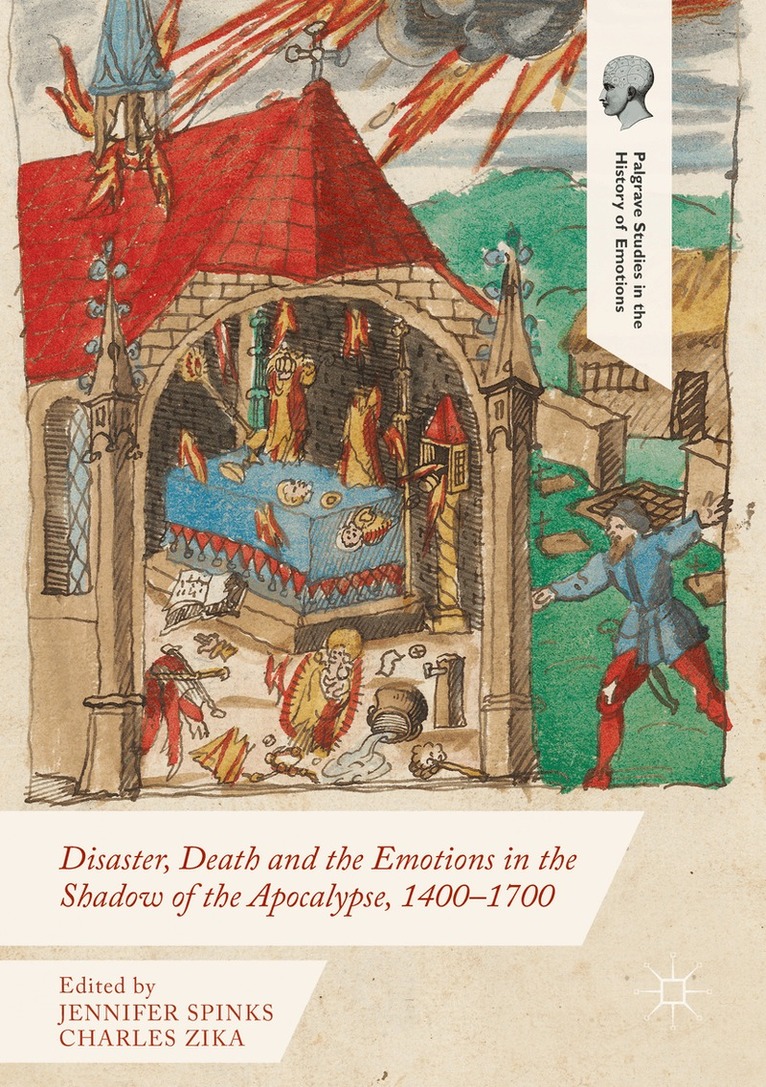
Disaster, Death and the Emotions in the Shadow of the Apocalypse, 1400–1700
Av Jennifer Spinks, Charles Zika
Inbunden, 2016
1464 kr
Lägg i varukorg
In late medieval and early modern Europe, textual and visual records of disaster and mass death allow us to encounter the intense emotions generated through the religious, providential and apocalyptic frameworks that provided these events with meaning. This collection brings together historians, …
Disaster, Death and the Emotions in the Shadow of the Apocalypse, 1400-1700
Av Charles Zika, Jennifer Spinks
E-bok, 2016
1953 kr
Lägg i varukorg
In late medieval and early modern Europe, textual and visual records of disaster and mass death allow us to encounter the intense emotions generated through the religious, providential and apocalyptic frameworks that provided these events with meaning. This collection brings together historians, …
Feeling Exclusion
Religious Conflict, Exile and Emotions in Early Modern Europe
Av Giovanni Tarantino, Charles Zika
Inbunden, 2019
2504 kr
Lägg i varukorg
Feeling Exclusion: Religious Conflict, Exile and Emotions in Early Modern Europe investigates the emotional experience of exclusion at the heart of the religious life of persecuted and exiled individuals and communities in early modern Europe.Between the late fifteenth and early eighteenth …
Disaster, Death and the Emotions in the Shadow of the Apocalypse, 1400–1700
Av Jennifer Spinks, Charles Zika
Häftad, 2019
1464 kr
Lägg i varukorg
In late medieval and early modern Europe, textual and visual records of disaster and mass death allow us to encounter the intense emotions generated through the religious, providential and apocalyptic frameworks that provided these events with meaning. This collection brings together historians, …
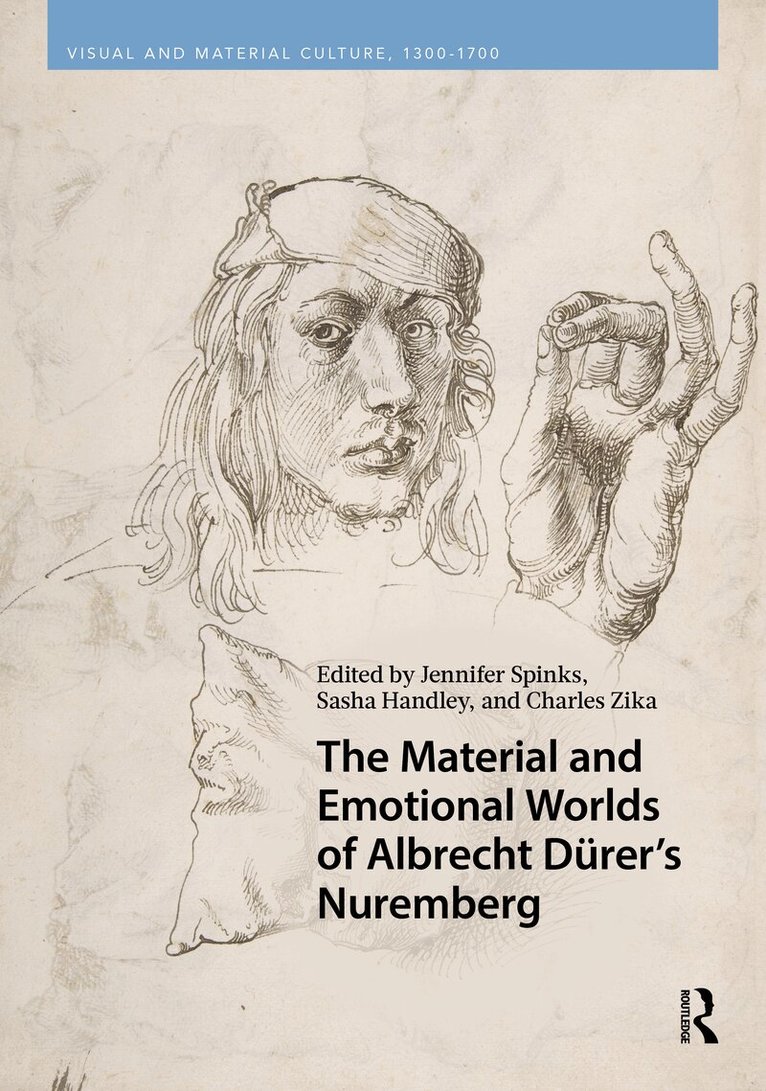
Material and Emotional Worlds of Albrecht Dürer’s Nuremberg
Av Jennifer Spinks, Sasha Handley m. fl.
Inbunden, 2026
2542 kr
Kommande
The Material and Emotional Worlds of Albrecht Dürer’s Nuremberg explores the life, work, and artistic creativity of Albrecht Dürer within the vibrant cultural, economic, and material world of Nuremberg around 1500, offering fresh interdisciplinary insights into the objects, emotions, and …