Charlotte V. Kuh – författare
Visar alla böcker från författaren Charlotte V. Kuh. Handla med fri frakt och snabb leverans.
3 produkter
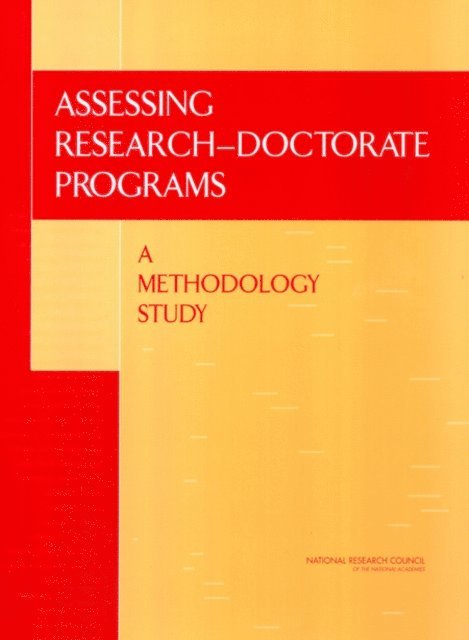
Assessing Research-Doctorate Programs
A Methodology Study
Av Jeremiah P. Ostriker, Charlotte V. Kuh m. fl.
E-bok, 2003
455 kr
Lägg i varukorg
How should we assess and present information about the quality of research-doctorate programs? In recommending that the 1995 NRC rankings in Assessing the Quality of Research-Doctorate Programs: Continuity and Change be updated as soon as possible, this study presents an improved approach to …
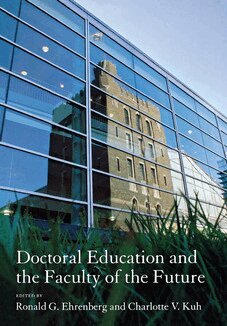
Doctoral Education and the Faculty of the Future
Av Ronald G. Ehrenberg, Charlotte V. Kuh
Inbunden, 2009
625 kr
Lägg i varukorg
American colleges and universities simultaneously face large numbers of faculty retirements and expanding enrollments. Budget constraints have led colleges and universities to substitute part-time and full-time non-tenure-track faculty for tenure-track faculty, and the demand for faculty members …
Assessing Research-Doctorate Programs
A Methodology Study
Av National Research Council, Policy and Global Affairs m. fl.
Häftad, 2003
646 kr
Tillfälligt slut
How should we assess and present information about the quality of research-doctorate programs? In recommending that the 1995 NRC rankings in Assessing the Quality of Research-Doctorate Programs: Continuity and Change be updated as soon as possible, this study presents an improved approach to …