Charlton W. Yingling - Böcker
Visar alla böcker från författaren Charlton W. Yingling. Handla med fri frakt och snabb leverans.
6 produkter
6 produkter
Free Communities of Color and the Revolutionary Caribbean
Overturning, or Turning Back?
Häftad, Engelska, 2021
637 kr
Skickas inom 10-15 vardagar
The tumult of the Age of Atlantic Revolutions provided new opportunities for free communities of color in the Caribbean, yet the fact that much scholarship places an emphasis on a few remarkable individuals—who pursued their freedom and respectability in a high-profile manner—can mask as much as it reveals. Scholarship on these individuals focuses on themes of mobility and resilience, and can overlook more subversive motives, underrepresent individuals who remained in communities, and elide efforts by some to benefit from racial hierarchies. In these free communities, displays of social, cultural, and symbolic capitals often reinforced systemic continuity and complicated revolutionary-era tensions among the long-free, enslaved, and recently-freed. This book contains seven fascinating studies, which examine Haiti, Caracas, Cartagena, Charleston, Jamaica, France, the Netherlands Antilles, and the Swedish Caribbean. They explore how free communities of color deployed religion, literature, politics, fashion, the press, history, and the law in the Atlantic to defend their status, and at times define themselves against more marginalized groups in a rapidly changing world. This volume demonstrates that problems of belonging, difference, and hierarchy were central to the operation of Caribbean colonies. Without recalibrating scholarship to focus on this, we risk underappreciating how the varied motivations and ambitions of free people of color shaped the decline of empires and the formation of new states. This book was originally published as a special issue of Atlantic Studies.
Free Communities of Color and the Revolutionary Caribbean
Overturning, or Turning Back?
Inbunden, Engelska, 2018
2 176 kr
Skickas inom 10-15 vardagar
The tumult of the Age of Atlantic Revolutions provided new opportunities for free communities of color in the Caribbean, yet the fact that much scholarship places an emphasis on a few remarkable individuals—who pursued their freedom and respectability in a high-profile manner—can mask as much as it reveals. Scholarship on these individuals focuses on themes of mobility and resilience, and can overlook more subversive motives, underrepresent individuals who remained in communities, and elide efforts by some to benefit from racial hierarchies. In these free communities, displays of social, cultural, and symbolic capitals often reinforced systemic continuity and complicated revolutionary-era tensions among the long-free, enslaved, and recently-freed. This book contains seven fascinating studies, which examine Haiti, Caracas, Cartagena, Charleston, Jamaica, France, the Netherlands Antilles, and the Swedish Caribbean. They explore how free communities of color deployed religion, literature, politics, fashion, the press, history, and the law in the Atlantic to defend their status, and at times define themselves against more marginalized groups in a rapidly changing world. This volume demonstrates that problems of belonging, difference, and hierarchy were central to the operation of Caribbean colonies. Without recalibrating scholarship to focus on this, we risk underappreciating how the varied motivations and ambitions of free people of color shaped the decline of empires and the formation of new states. This book was originally published as a special issue of Atlantic Studies.
336 kr
Skickas inom 7-10 vardagar
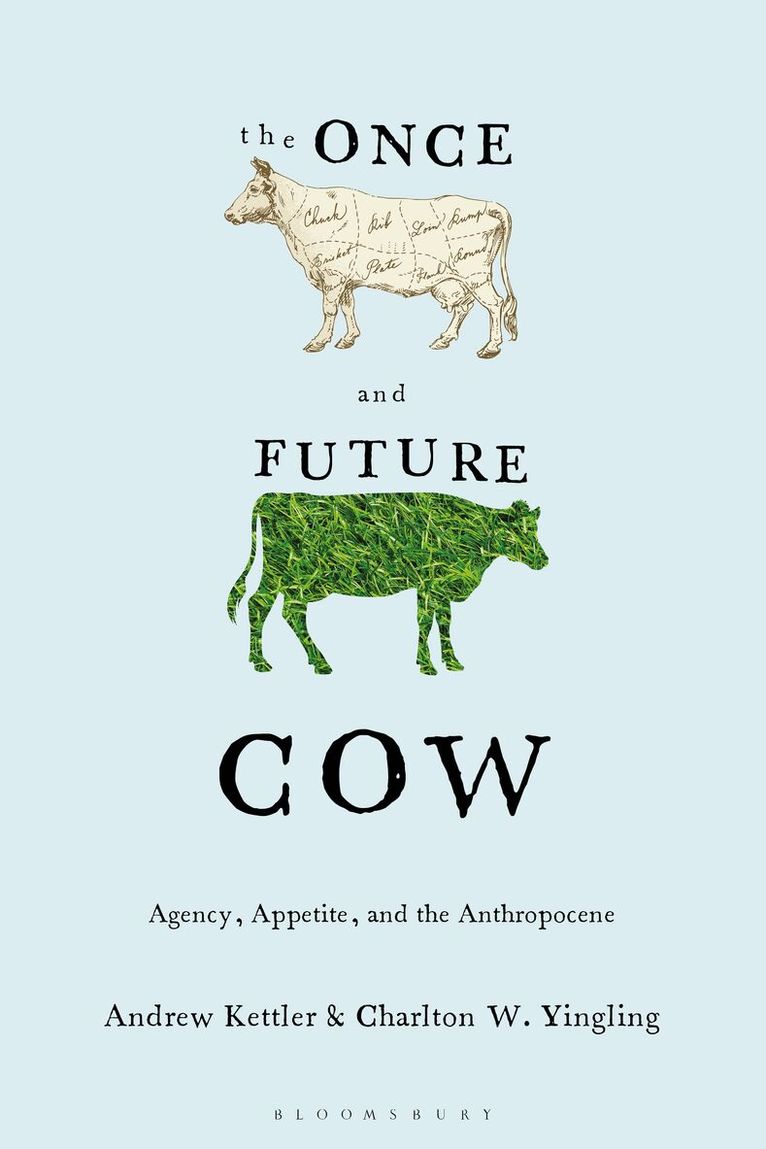
This groundbreaking book shows how cows' choices have influenced the economic, agricultural, and socio-political development of the Americas.Tracing the interconnected transformations of cattle, land, and labor from the 18th-century colonial Caribbean to the early national period of the 19th century to the present day, Kettler and Yingling demonstrate how cows impact on nearly every major aspect of development in the Americas, including colonization, slavery, our ability to objectify animals we consume, our current foodways, environmental degradation, and the climate emergency. Bringing together research from many fields, but proceeding always in a straightforward, chronological, historical manner underrepresented in other areas of animal studies, this book ultimately restores cattle as subjects of their own lives who in seeking to escape exploitation have deeply affected the legal, property, and geographical frameworks that haunt us today.
1 009 kr
Skickas inom 10-15 vardagar
This groundbreaking book shows how cows' choices have influenced the economic, agricultural, and socio-political development of the Americas.Tracing the interconnected transformations of cattle, land, and labor from the 18th-century colonial Caribbean to the early national period of the 19th century to the present day, Kettler and Yingling demonstrate how cows impact on nearly every major aspect of development in the Americas, including colonization, slavery, our ability to objectify animals we consume, our current foodways, environmental degradation, and the climate emergency. Bringing together research from many fields, but proceeding always in a straightforward, chronological, historical manner underrepresented in other areas of animal studies, this book ultimately restores cattle as subjects of their own lives who in seeking to escape exploitation have deeply affected the legal, property, and geographical frameworks that haunt us today.
482 kr
Skickas inom 7-10 vardagar
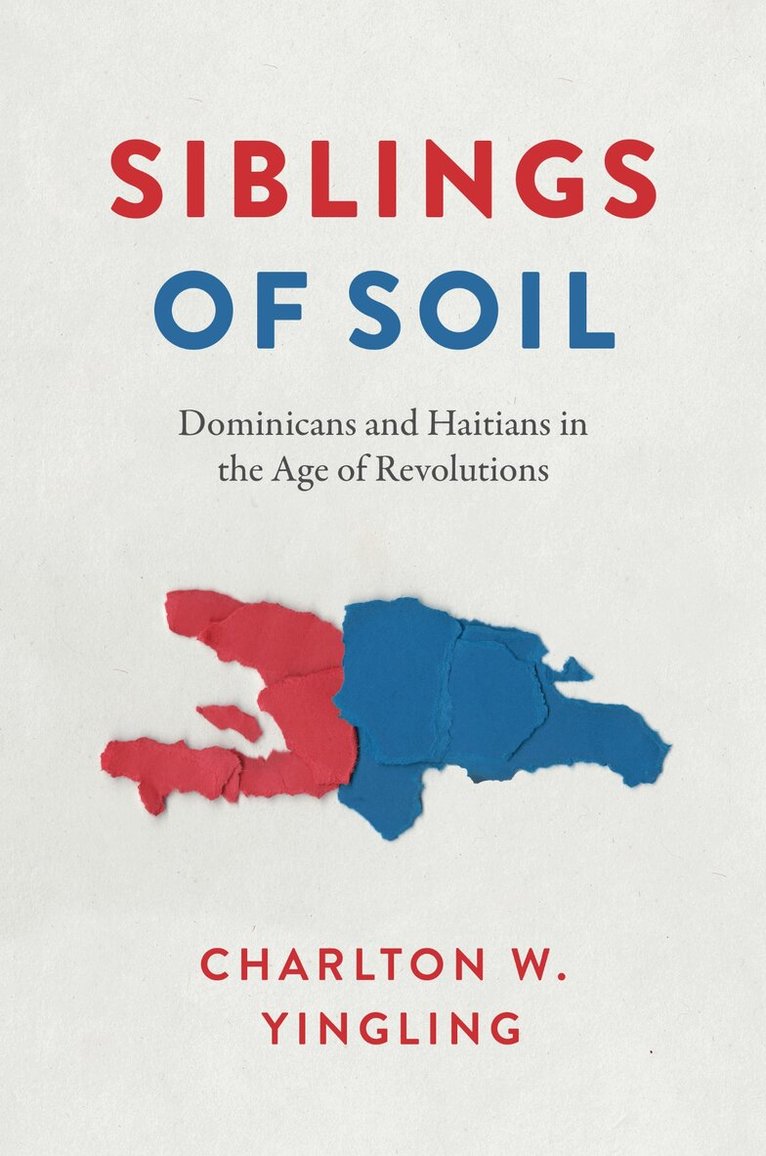
2023 Honorable Mention, Isis Duarte Book Prize, Haiti/ Dominican Republic section (LASA)After revolutionary cooperation between Dominican and Haitian majorities produced independence across Hispaniola, Dominican elites crafted negative myths about this era that contributed to anti-Haitianism.Despite the island’s long-simmering tensions, Dominicans and Haitians once unified Hispaniola. Based on research from over two dozen archives in multiple countries, Siblings of Soil presents the overlooked history of their shared imperial endings and national beginnings from the 1780s to 1822. Haitian revolutionaries both inspired and aided Dominican antislavery and anti-imperial movements. Ultimately, Santo Domingo's independence from Spain came in 1822 through unification with Haiti, as Dominicans embraced citizenship and emancipation. Their collaboration resulted in one of the most unique and inclusive forms of independence in the Americas. Elite reactions to this era formed anti-Haitian narratives. Racial ideas permeated the revolution, Vodou, Catholicism, secularism, and even Deism. Some Dominicans reinforced Hispanic and Catholic traditions and cast Haitians as violent heretics who had invaded Dominican society, undermining the innovative, multicultural state. Two centuries later, distortions of their shared past of kinship have enabled generations of anti-Haitian policies, assumptions of irreconcilable differences, and human rights abuses.
379 kr
Skickas inom 10-15 vardagar
Despite the island's long-simmering tensions, Dominicans and Haitians once unified Hispaniola. Based on research from over two dozen archives in multiple countries, Siblings of Soil presents the overlooked history of their shared imperial endings and national beginnings from the 1780s to 1822. Haitian revolutionaries both inspired and aided Dominican antislavery and anti-imperial movements. Ultimately, Santo Domingo's independence from Spain came in 1822 through unification with Haiti, as Dominicans embraced citizenship and emancipation. Their collaboration resulted in one of the most unique and inclusive forms of independence in the Americas. Elite reactions to this era formed anti-Haitian narratives. Racial ideas permeated the revolution, Vodou, Catholicism, secularism, and even Deism. Some Dominicans reinforced Hispanic and Catholic traditions and cast Haitians as violent heretics who had invaded Dominican society, undermining the innovative, multicultural state. Two centuries later, distortions of their shared past of kinship have enabled generations of anti-Haitian policies, assumptions of irreconcilable differences, and human rights abuses.