Andrew Kettler - Böcker
Visar alla böcker från författaren Andrew Kettler. Handla med fri frakt och snabb leverans.
7 produkter
7 produkter
234 kr
Skickas inom 7-10 vardagar
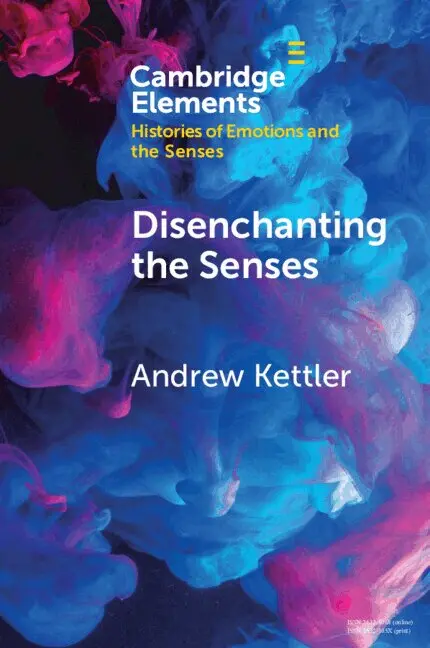
Specifically standing between humanity and natural perceptions of the environment in the contemporary age of ecological decay are disenchanted meanings of sulfur and evil that changed to support the base of capitalism during the Early Modern Era. The blinding system of linguistic and material networks that capital constructs to deny humans the ability to sense environmental threat can be understood most notably through a history of ideas related to supposedly sulfuric demons and the discursive archaeology surrounding many toxic sulfuric compounds ardently linked with the Anthropocene. Thinking of cause and effect in networks of objects and humans, as well as the structures of modernity and capitalism, this Element reasserts a philosophy of disenchantment into the history of the environment. At the core of modernity, capitalist discourses greenwashed experiences of the body related to evils of environmental threat to protect the means of production from considerable critique during the Industrial Revolution.
753 kr
Skickas inom 7-10 vardagar
Specifically standing between humanity and natural perceptions of the environment in the contemporary age of ecological decay are disenchanted meanings of sulfur and evil that changed to support the base of capitalism during the Early Modern Era. The blinding system of linguistic and material networks that capital constructs to deny humans the ability to sense environmental threat can be understood most notably through a history of ideas related to supposedly sulfuric demons and the discursive archaeology surrounding many toxic sulfuric compounds ardently linked with the Anthropocene. Thinking of cause and effect in networks of objects and humans, as well as the structures of modernity and capitalism, this Element reasserts a philosophy of disenchantment into the history of the environment. At the core of modernity, capitalist discourses greenwashed experiences of the body related to evils of environmental threat to protect the means of production from considerable critique during the Industrial Revolution.
3 435 kr
Skickas inom 10-15 vardagar
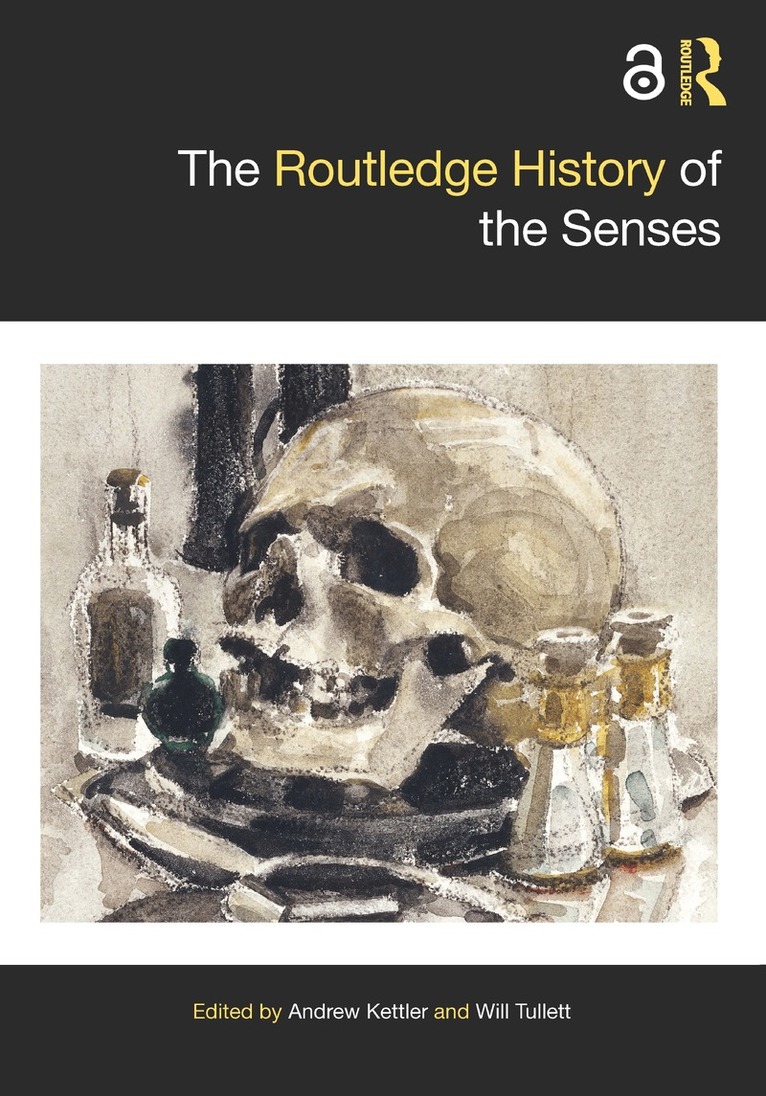
The Routledge History of the Senses presents readers with an overview of the field. As well as pointing to directions for the future of the discipline, it illustrates the extent to which the subject offers a considerable space for the exploration of diverse historical topics through the lens of sensory experience.The handbook brings together essays and case studies from some of the leading academics on the history of the senses. Together, they not only chart topics and arguments in existing scholarship but introduce fresh methodologies for future analyses. Specifically, the chapters collectively show that the senses of the historical body often portray the intensity of the invasion of capital upon the functions of the mind throughout global history. As a global history, this work arrives at a time when many sensory historians are looking for a touchstone for moving beyond the often heavily Western frameworks that dominate the existing literature on the historical senses.Not only will this book appeal to students and scholars of the history of senses, visual studies, art history, food studies, and many of the social sciences, but individual chapters also offer useful reading material for a wide range of history modules and contemporary topics.
474 kr
Skickas inom 7-10 vardagar
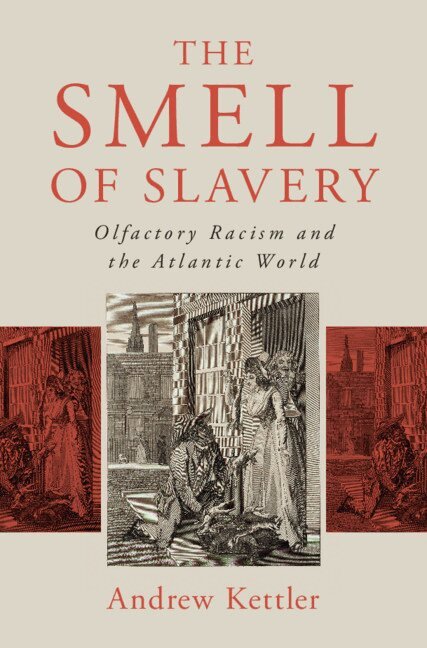
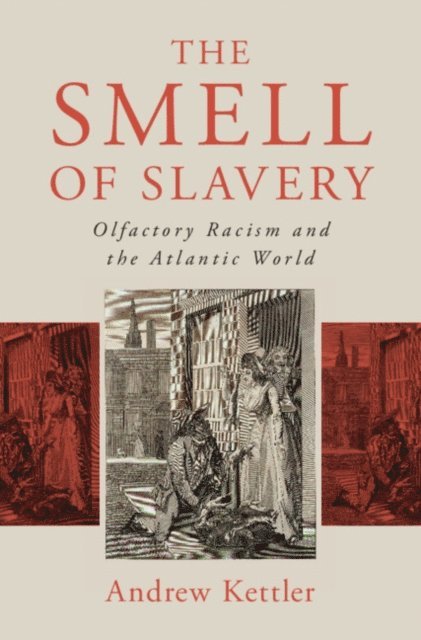
In the Atlantic World, different groups were aromatically classified in opposition to other ethnic, gendered, and class assemblies due to an economic necessity that needed certain bodies to be defined as excremental, which culminated in the creation of a progressive tautology that linked Africa and waste through a conceptual hendiadys born of capitalist licentiousness. The African subject was defined as a scented object, appropriated as filthy to create levels of ownership through discourse that marked African peoples as unable to access spaces of Western modernity. Embodied cultural knowledge was potent enough to alter the biological function of the five senses to create a European olfactory consciousness made to sense the African other as foul. Fascinating, informative, and deeply researched, The Smell of Slavery exposes that concerns with pungency within the Western self were emitted outward upon the freshly dug outhouse of the mass slave grave called the Atlantic World.
254 kr
Skickas inom 7-10 vardagar
In the Atlantic World, different groups were aromatically classified in opposition to other ethnic, gendered, and class assemblies due to an economic necessity that needed certain bodies to be defined as excremental, which culminated in the creation of a progressive tautology that linked Africa and waste through a conceptual hendiadys born of capitalist licentiousness. The African subject was defined as a scented object, appropriated as filthy to create levels of ownership through discourse that marked African peoples as unable to access spaces of Western modernity. Embodied cultural knowledge was potent enough to alter the biological function of the five senses to create a European olfactory consciousness made to sense the African other as foul. Fascinating, informative, and deeply researched, The Smell of Slavery exposes that concerns with pungency within the Western self were emitted outward upon the freshly dug outhouse of the mass slave grave called the Atlantic World.
336 kr
Skickas inom 7-10 vardagar
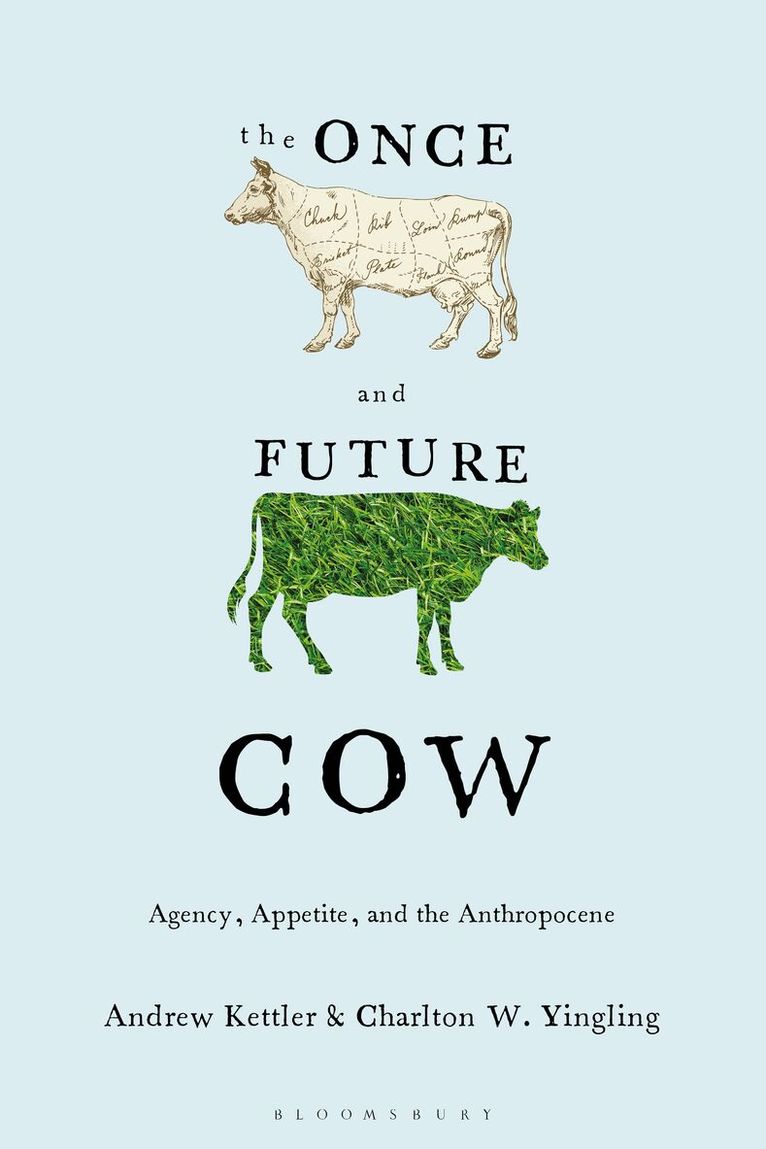
This groundbreaking book shows how cows' choices have influenced the economic, agricultural, and socio-political development of the Americas.Tracing the interconnected transformations of cattle, land, and labor from the 18th-century colonial Caribbean to the early national period of the 19th century to the present day, Kettler and Yingling demonstrate how cows impact on nearly every major aspect of development in the Americas, including colonization, slavery, our ability to objectify animals we consume, our current foodways, environmental degradation, and the climate emergency. Bringing together research from many fields, but proceeding always in a straightforward, chronological, historical manner underrepresented in other areas of animal studies, this book ultimately restores cattle as subjects of their own lives who in seeking to escape exploitation have deeply affected the legal, property, and geographical frameworks that haunt us today.
1 009 kr
Skickas inom 10-15 vardagar
This groundbreaking book shows how cows' choices have influenced the economic, agricultural, and socio-political development of the Americas.Tracing the interconnected transformations of cattle, land, and labor from the 18th-century colonial Caribbean to the early national period of the 19th century to the present day, Kettler and Yingling demonstrate how cows impact on nearly every major aspect of development in the Americas, including colonization, slavery, our ability to objectify animals we consume, our current foodways, environmental degradation, and the climate emergency. Bringing together research from many fields, but proceeding always in a straightforward, chronological, historical manner underrepresented in other areas of animal studies, this book ultimately restores cattle as subjects of their own lives who in seeking to escape exploitation have deeply affected the legal, property, and geographical frameworks that haunt us today.