Chiara Blanco – författare
Visar alla böcker från författaren Chiara Blanco. Handla med fri frakt och snabb leverans.
2 produkter
2 produkter
2 674 kr
Skickas inom 3-6 vardagar
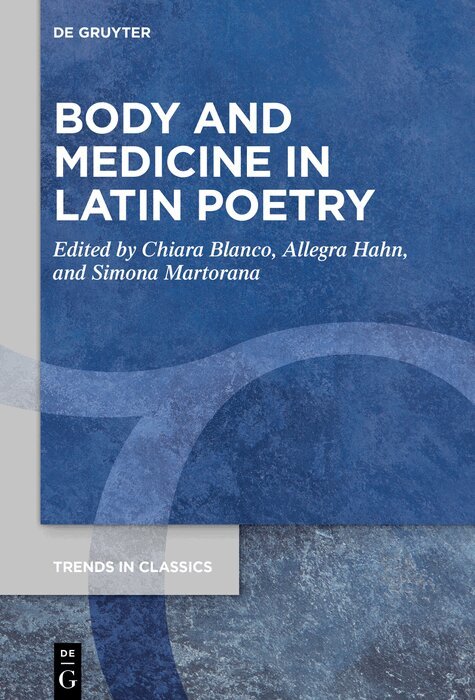
While intersections between Greek literature and medicine have become a focal point of considerable research among Classicists in the last ten years, little work has been done in the field of Latin literature, with particular regard to poetry. And yet the human body and its affections have pride of place in numerous poems from ancient Rome, the medical influence of which can hardly be denied. By building on the recent developments in the field of medical humanities, this volume aims at tackling innovatively the intersections between medical sciences and Latin literary texts, with papers exploring the ways in which medicine is integrated into poetry and how poetry, in turn, can propagate medical knowledge across various social classes and cultural contexts. This volume will uncover the connections between Roman literature and ancient theories of the body, thus showing how indebted Roman poetic production was to both ancient Greek and Roman medical traditions. As such, it will be of significant interest for researchers and postgraduate students working on ancient Greek and Roman medicine and philosophy, Roman poetry and literature more broadly, ancient senses and emotions, and medical humanities.
1 746 kr
Skickas inom 7-10 vardagar
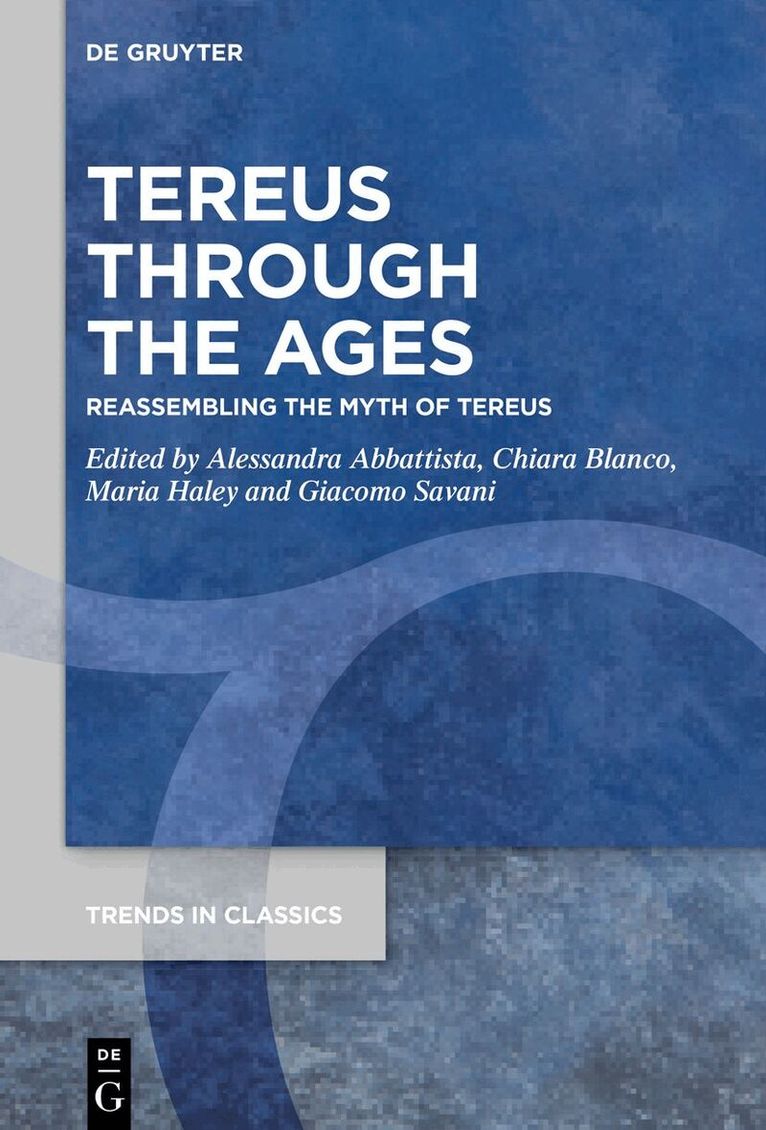
This volume constitutes the first attempt at bringing together scholars from Greek literature, Latin literature and archaeology working on the tradition of the Tereus myth. More specifically, it will focus on the reconstruction, transmission and reception of the myth in Greece and Rome by examining the different adaptations and interactions of the story through the lens of assemblage theory. References to the Tereus myth date back to the Homeric poems; it was addressed by renowned dramatists, such as Aeschylus, Sophocles and Accius, before being adapted by Ovid. These different versions raise questions about the reconstruction of the myth and the representation of women, revenge, paidophagia and metamorphosis. Aspects of the story reverberate in ancient material culture, especially Greek vase paintings, which stem from different variants and traditions. Building on assemblage theory, the volume draws forth collaboration between specialists in Classical studies to examine how the myth was adapted in Greece and Rome without prestiging a Greek original. As such, it will be of significant interest for researchers and postgraduate students working on Greek and Roman tragedy, Ovid, classical reception and ancient material culture.