Chika Watanabe - Böcker
Visar alla böcker från författaren Chika Watanabe. Handla med fri frakt och snabb leverans.
5 produkter
5 produkter
1 762 kr
Kommande
446 kr
Kommande
Becoming One
Religion, Development, and Environmentalism in a Japanese NGO in Myanmar
Häftad, Engelska, 2020
284 kr
Skickas inom 7-10 vardagar
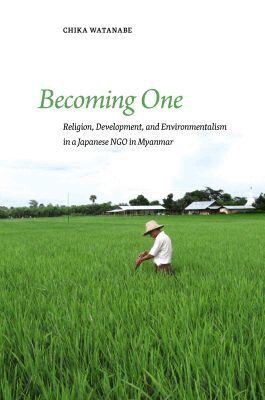
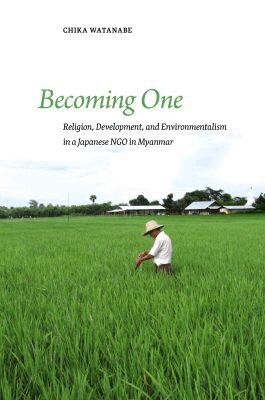
International development programs strive not only to alleviate poverty but to transform people, aid workers and recipients alike. Becoming One grapples with this process by exploring the work of OISCA*, a prominent Japanese NGO in central Myanmar. OISCA's postwar origins at the intersection of Shinto, secularism, and rightwing politics, and its vision of inter-Asian solidarity and a sustainable future helped shape the organization's ideology and activities. By delving into the world of its aid workers - their everyday practices, discourses, and aspirations - author Chika Watanabe seeks to understand the NGO's political, social, and ethical effects.At OISCA training centers, Japanese and local staff teach sustainable agricultural skills and organic farming methods to rural youth. Much of the teaching involves laboring in the fields, harvesting produce, and caring for livestock: what they can't use themselves is sold at nearby markets. Watanabe’s detailed and multi-sited ethnography shows how Japanese and Burmese actors mobilize around the idea of "becoming one" with Mother Earth and their human counterparts within a shared communal lifestyle. By exploring the tension between intentions and political effects - spanning environmentalism, cultural-nationalist ideologies of "Japaneseness," and aspirations to make the world a better place - Watanabe highlights fascinating questions and both positive and negative outcomes. Becoming One weaves together vivid descriptions of the intensive, intimate, and "muddy labor" of "making persons" (hitozukuri) with the wider historical resonances of these efforts, decentering common understandings of development, NGOs, and their moral and political promises. This engaging and thought-provoking book combines insights from anthropology, development studies, and religious studies to add to our understanding of modern Japan.*Organization for Industrial, Spiritual and Cultural Advancement
1 200 kr
Kommande
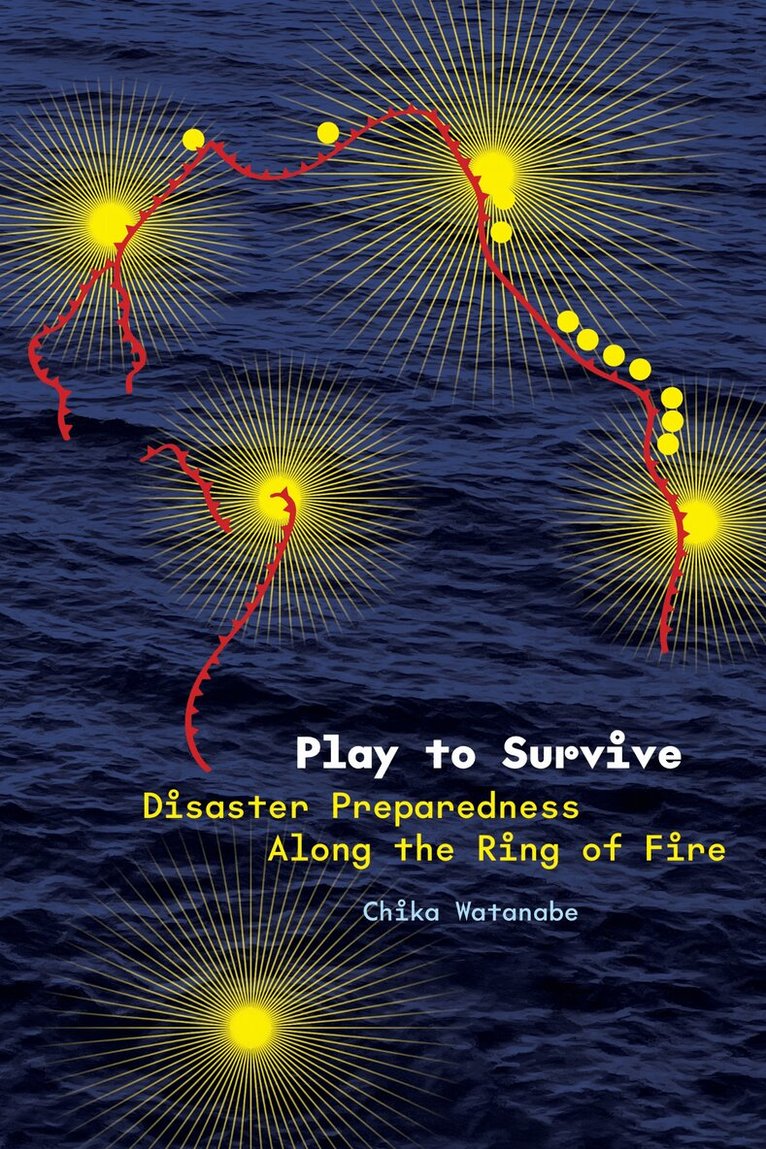
We live in a fragile world. This much is evident as stories abound of natural disasters that wipe out communities in an instant. How can we survive the future on such a planet, amid intensifying climate change? This question is particularly poignant along the Ring of Fire, a tectonic belt in the Pacific region that routinely faces some of the most devastating disasters in the world. Based on ethnographic research spanning seven years, Play to Survive examines the work of preparedness training in Japan and Chile, two primary nations along the Ring of Fire that experience frequent and intense disasters. Experts from these countries have often collaborated to create some of the most advanced disaster preparedness systems in the world. Chika Watanabe traces how local city officials, NGOs, and members of neighborhood and grassroots organizations are, counterintuitively, using fun, playful methods to teach preparation for our darkest hours.While there are many important studies of post-disaster response, much less is written about the future-orientation of disaster preparedness. This book shows how a transnational group of preparedness experts orient people toward potential disasters in gentle and hopeful ways, focusing on improvisation and repair. In a time of political and environmental destabilization globally, this book offers a unique look at how playful preparedness can reset relationships to environments, to the future, and to each other.
271 kr
Kommande
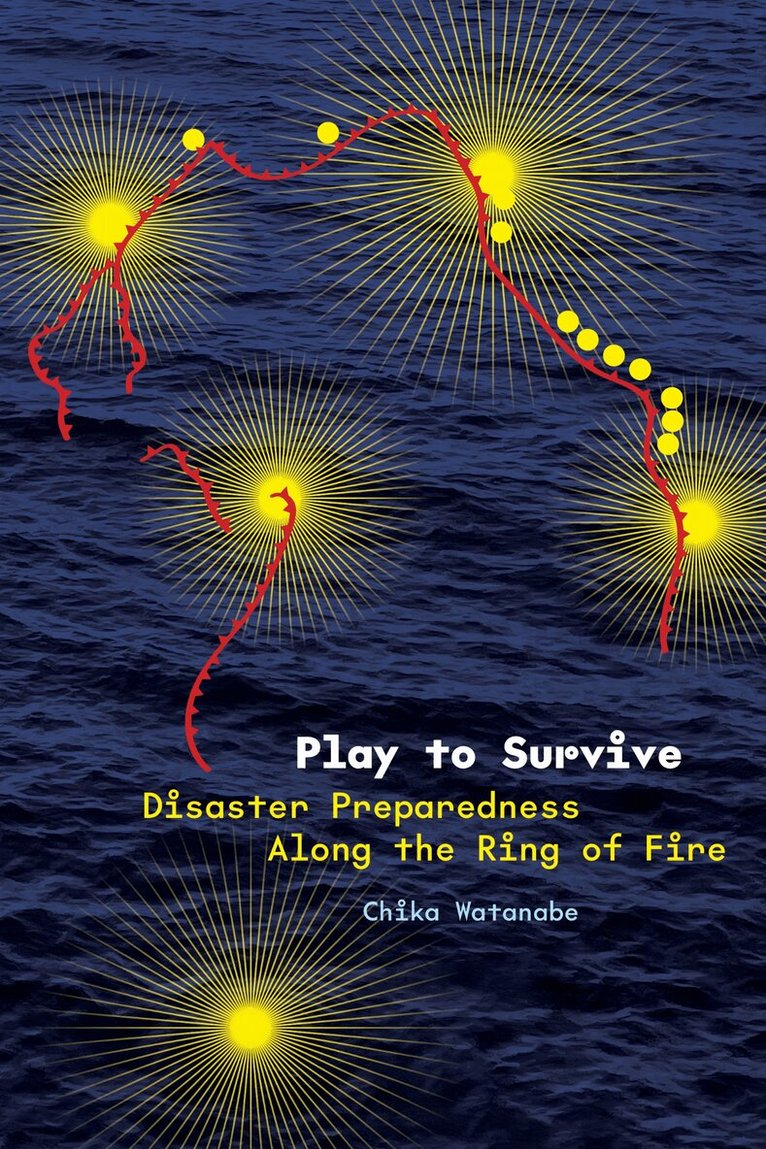
We live in a fragile world. This much is evident as stories abound of natural disasters that wipe out communities in an instant. How can we survive the future on such a planet, amid intensifying climate change? This question is particularly poignant along the Ring of Fire, a tectonic belt in the Pacific region that routinely faces some of the most devastating disasters in the world. Based on ethnographic research spanning seven years, Play to Survive examines the work of preparedness training in Japan and Chile, two primary nations along the Ring of Fire that experience frequent and intense disasters. Experts from these countries have often collaborated to create some of the most advanced disaster preparedness systems in the world. Chika Watanabe traces how local city officials, NGOs, and members of neighborhood and grassroots organizations are, counterintuitively, using fun, playful methods to teach preparation for our darkest hours.While there are many important studies of post-disaster response, much less is written about the future-orientation of disaster preparedness. This book shows how a transnational group of preparedness experts orient people toward potential disasters in gentle and hopeful ways, focusing on improvisation and repair. In a time of political and environmental destabilization globally, this book offers a unique look at how playful preparedness can reset relationships to environments, to the future, and to each other.