Chon Noriega - Böcker
Visar alla böcker från författaren Chon Noriega. Handla med fri frakt och snabb leverans.
3 produkter
3 produkter
271 kr
Skickas inom 7-10 vardagar
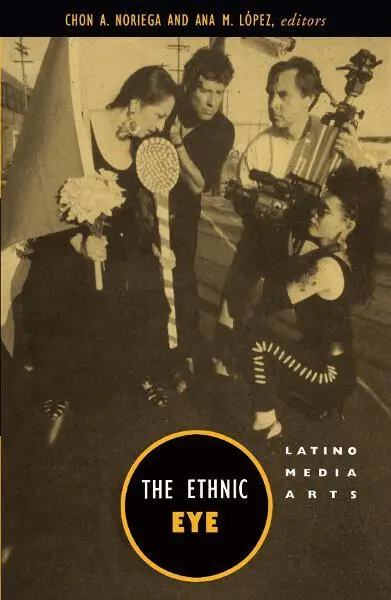
The first in-depth treatment of Latino film and video.This groundbreaking volume is the first to examine the range of Latino media arts, from independent feature production to documentary to experimental video. The essays explore the work of Chicano, Puerto Rican, Cuban American, and Latino film and video artists and address avant-garde practices, queer media, and performance art as well as more conventional film and video representations. Contributors to The Ethnic Eye provide close readings of a wide variety of films and videos, including Stand and Deliver, American Me, Bedhead, El Mariachi, Carmelita Tropicana, Improper Conduct, Welcome to America’s Finest Tourist Plantation, Border Brujo, MÉrida Proscrita, and Spitfire. The essays are unified by a concern with the creation of a common ground for Latino media arts, one that is pan-ethnic rather than narrowly transcribed by race, ethnicity, or national heritage. The volume also provides the first in-depth treatment of such artists as Robert Rodriquez, Ela Troyano, Raphael MontaÑez Ortiz, and Frances SalomÉ EspaÑa. Eclectic in the range of media artists and works considered, The Ethnic Eye is unique in its inclusion of site-specific public art, as well as performance-based works. Contributors: Marcos Becquer; Charles RamÍrez Berg, U of Texas; C. Ondine Chavoya; Marvin D’Lugo, Clark U; Claire F. Fox, Stanford U; Ilene S. Goldman; Carmen Huaco-Nuzum, U of California, Davis; Lillian JimÉnez; Alisa Lebow; Scott MacDonald, Utica College; JosÉ Esteban MuÑoz, New York U; Frances NegrÓn-Muntaner; Kathleen Newman, U of Iowa; Christopher Ortiz.
1 439 kr
Skickas inom 10-15 vardagar
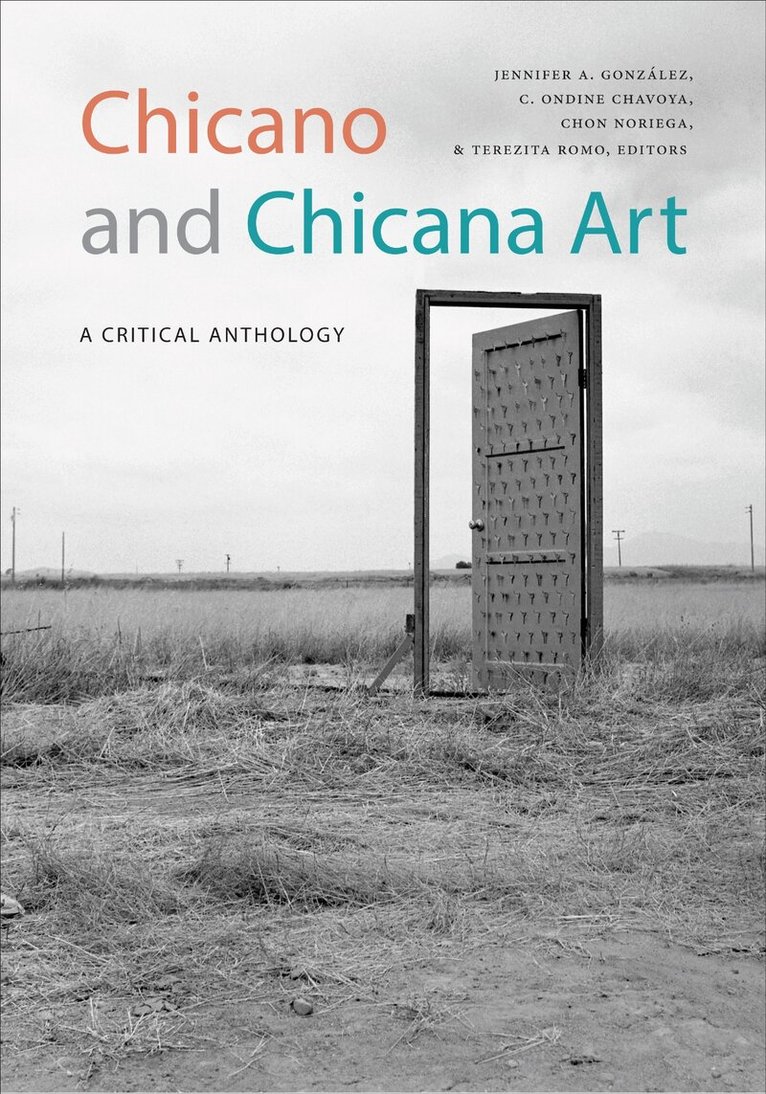
This anthology provides an overview of the history and theory of Chicano/a art from the 1960s to the present, emphasizing the debates and vocabularies that have played key roles in its conceptualization. In Chicano and Chicana Art-which includes many of Chicano/a art's landmark and foundational texts and manifestos-artists, curators, and cultural critics trace the development of Chicano/a art from its early role in the Chicano civil rights movement to its mainstream acceptance in American art institutions. Throughout this teaching-oriented volume they address a number of themes, including the politics of border life, public art practices such as posters and murals, and feminist and queer artists' figurations of Chicano/a bodies. They also chart the multiple cultural and artistic influences-from American graffiti and Mexican pre-Columbian spirituality to pop art and modernism-that have informed Chicano/a art's practice.Contributors. Carlos Almaraz, David Avalos, Judith F. Baca, Raye Bemis, Jo-Anne Berelowitz, Elizabeth Blair, Chaz BojÓroquez, Philip Brookman, Mel Casas, C. Ondine Chavoya, Karen Mary Davalos, Rupert GarcÍa, Alicia Gaspar de Alba, Shifra Goldman, Jennifer A. GonzÁlez, Rita Gonzalez, Robb HernÁndez, Juan Felipe Herrera, Louis Hock, Nancy L. Kelker, Philip Kennicott, Josh Kun, Asta Kuusinen, Gilberto “Magu” LujÁn, Amelia Malagamba-Ansotegui, Amalia Mesa-Bains, Dylan Miner, Malaquias Montoya, Judithe HernÁndez de Neikrug, Chon Noriega, Joseph Palis, Laura Elisa PÉrez, Peter Plagens, Catherine RamÍrez, Matthew Reilly, James Rojas, Terezita Romo, Ralph Rugoff, Lezlie Salkowitz-Montoya, Marcos Sanchez-Tranquilino, Cylena Simonds, Elizabeth Sisco, John Tagg, Roberto Tejada, RubÉn Trejo, Gabriela Valdivia, TomÁs Ybarra-Frausto, Victor Zamudio-Taylor
379 kr
Skickas inom 10-15 vardagar
This anthology provides an overview of the history and theory of Chicano/a art from the 1960s to the present, emphasizing the debates and vocabularies that have played key roles in its conceptualization. In Chicano and Chicana Art-which includes many of Chicano/a art's landmark and foundational texts and manifestos-artists, curators, and cultural critics trace the development of Chicano/a art from its early role in the Chicano civil rights movement to its mainstream acceptance in American art institutions. Throughout this teaching-oriented volume they address a number of themes, including the politics of border life, public art practices such as posters and murals, and feminist and queer artists' figurations of Chicano/a bodies. They also chart the multiple cultural and artistic influences-from American graffiti and Mexican pre-Columbian spirituality to pop art and modernism-that have informed Chicano/a art's practice.Contributors. Carlos Almaraz, David Avalos, Judith F. Baca, Raye Bemis, Jo-Anne Berelowitz, Elizabeth Blair, Chaz BojÓroquez, Philip Brookman, Mel Casas, C. Ondine Chavoya, Karen Mary Davalos, Rupert GarcÍa, Alicia Gaspar de Alba, Shifra Goldman, Jennifer A. GonzÁlez, Rita Gonzalez, Robb HernÁndez, Juan Felipe Herrera, Louis Hock, Nancy L. Kelker, Philip Kennicott, Josh Kun, Asta Kuusinen, Gilberto “Magu” LujÁn, Amelia Malagamba-Ansotegui, Amalia Mesa-Bains, Dylan Miner, Malaquias Montoya, Judithe HernÁndez de Neikrug, Chon Noriega, Joseph Palis, Laura Elisa PÉrez, Peter Plagens, Catherine RamÍrez, Matthew Reilly, James Rojas, Terezita Romo, Ralph Rugoff, Lezlie Salkowitz-Montoya, Marcos Sanchez-Tranquilino, Cylena Simonds, Elizabeth Sisco, John Tagg, Roberto Tejada, RubÉn Trejo, Gabriela Valdivia, TomÁs Ybarra-Frausto, Victor Zamudio-Taylor