Christa Jones - Böcker
Visar alla böcker från författaren Christa Jones. Handla med fri frakt och snabb leverans.
4 produkter
4 produkter
1 467 kr
Skickas inom 10-15 vardagar
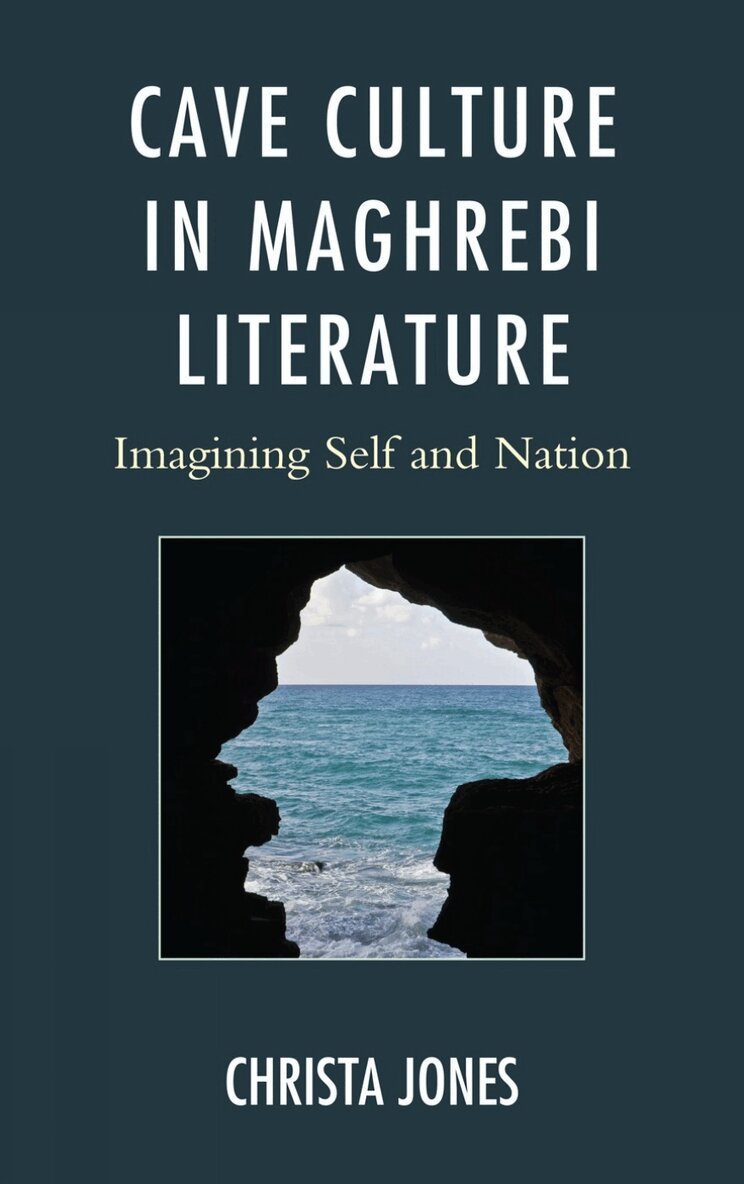
Cave Culture in Maghrebi Literature: Imagining Self and Nation discusses key postcolonial Francophone North African texts, centering on folktales, war, Berber traditions, femininity, sexuality, the Algerian War of Independence (1954–1962), and the Algerian Civil War (1992–1999). It explores the literary and cultural evidence testifying to the role of the cave as a locus of worship, transfiguration, dominance, and revelation in the context of colonial and postcolonial power struggles, and its wider significance in the context of nationalism and femininity, sexuality, and postcolonial identity construction. Historically, the cave has symbolized the explosive colonial and postcolonial struggles. It was a crucial site of colonial subjugation in North Africa during the colonial conquest in the nineteenthcentury and during the Algerian War of Independence in the twentieth century. Featuring narratives by authors such as Yamina Méchakra, Georges Buis, Tahar Ben Jelloun, Maïssa Bey, Assia Djebar, Driss Chraïbi, Hawa Djabali, Mohammed Dib, Nabile Farès, Larêej Waciny, and filmmaker Moumen Smihi, this book examines the cave as a metaphor of the collective imaginary of the North African literary subject and offers new insights into the field of Francophone literary studies. The complexity of the cave metaphor in this body of literature mirrors the struggle for identity at work in Francophone postcolonial literature: be it the struggle for colonial independence, the articulation of femininity, or, in a broader framework, the tensions at work in hybridized societies that are firmly rooted in tradition but at the same time curiously turned toward the Occident. Literary caves are firmly situated in the physical and psychic territories of North Africa, yet they offer bridges to the West and in particular to continental France. A combination of religious mysticism and natural splendor makes the cave a powerful symbol that has had a profound impact on the imaginations of artists on both sides of the Mediterranean. The literary cave has a strong hold on the Algerian and Moroccan collective imaginary and often stands as a metaphor for the homeland: the patrie. It defines the characters’ subjectivity, on both a conscious and unconscious level—as shown by its many literary manifestations, be it in folktales, feminist, war, or love narratives.
3 812 kr
Skickas inom 10-15 vardagar
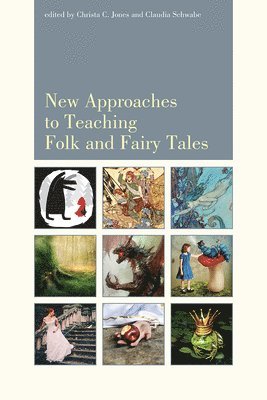
The Routledge Companion to Fairy Tales provides a comprehensive guide to fairy tales across literatures and cultures. It offers an expansive overview of contemporary themes and issues throughout the intersections of the fields of fairy-tale studies, literary studies, and cultural studies.The first part considers global formations of the canon and acts to decolonize the field of fairy-tale studies, highlighting the diverse national histories and traditions of the fairy tale worldwide. It demarcates the complex history of the field of fairy-tale studies and demonstrates how the genre is rooted in different oral stories and narratives passed down in cultures around the globe throughout time. The second section outlines important critical approaches, including recent developments shaping fairy-tale studies today such as disability studies, diversity, ecocriticism, inclusivity, and intersectionality. Part three explores how fairy tales have been articulated through a wide range of forms and combinations of textual, visual, and sound media. This section foregrounds the versatility and adaptability of the fairy tale and, more specifically, how it intersects with different art forms and genres, including literature, illustrations, performing arts, and media outlets. Section four addresses sociocultural concerns in transnational fairy-tale cultures and literatures examining the connections between fairy tales and multivocal influences in modern adaptations and postmodern reimaginings, the undoing of colonization and appropriation, feminism, politics and activisms, the canon, and controversies over authenticity.This interdisciplinary collection draws on international perspectives from folkloristics, ethnology, ethnography, cultural and social anthropology, as well as queer and gender studies. It will be an invaluable resource for students and researchers interested in fairy tales and their developments over time and across cultures.
340 kr
Skickas
112 kr
Skickas inom 7-10 vardagar
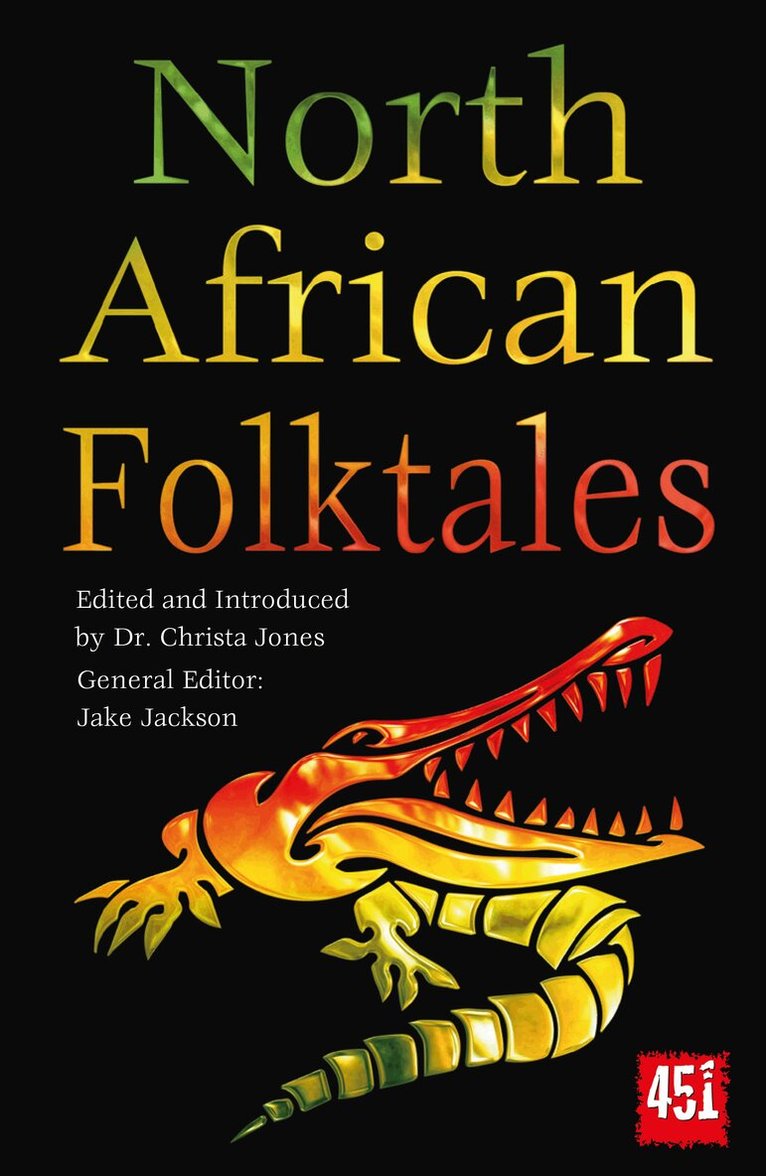
Historically Northern Africa was strongly affected by events and empires around the Mediterranean, from the exploits of the Phoenicians and their power centre Carthage, Alexander the Great, the ebb and flow of the Roman Empire and the Byzantine era in the early middle ages. The nomadic tribes of Libya and the ancient empire of Aksum are little understood today but their roots sit long behind the rise of Christianity and later the dominance of Islam. For this book of folktales the Berbers of Algiers, Libya and Morocco yield some stories, but many more come from the Arab influenced era with romances and poems which bring similarities to the Persian stories of the same period, with titles such as The Jealous King, The Lovers of Antequera, The Tower of Gold and The Ogre and the Beautiful Woman.FLAME TREE 451: From mystery to crime, supernatural to horror and myth, fantasy and science fiction, Flame Tree 451 offers a healthy diet of werewolves and mechanical men, blood-lusty vampires, dastardly villains, mad scientists, secret worlds, lost civilizations and escapist fantasies. Discover a storehouse of tales gathered specifically for the reader of the fantastic.