• Fri frakt över 249 kr
  • •
  • Snabba leveranser
  • •
  • Billiga böcker
Kundservice

Du är på sajten för privatpersoner.

Företag, bibliotek eller offentlig verksamhet?

Du handlar på classic.bokus.com, där alla dina funktioner finns intakta.
Till classic.bokus.com
Bokus logotyp. Gå till startsidan.
  • Erbjudanden
  • Nyheter
  • Student
  • Topplistor
  • Barn & ungdom
  • Bokus Play
  • E-böcker
  • Pocketböcker
  • Spel & pussel

Må bättre, för mindre! Upp till 50% rabatt på hälsoböcker

Sidfot

Mina sidor

    Hjälp

    • Kundservice
    • Vanliga frågor och svar
    • Frakt och leverans
    • Retur vid ångerrätt
    • Reklamera vara
    • Betalning
    • Köpvillkor
    • Allmänna villkor
    • Information om webbplatsens tillgänglighet

    Om Bokus

    • Om oss
    • Pressrum
    • För studenter
    • För företag
    • För bibliotek och offentlig verksamhet
    • För leverantörer
    • Hållbarhet

    Populärt

    • Aktuella erbjudanden
    • Presentkort
    • Studentlitteratur
    • Nya böcker
    • Topplistor
    • Signerade böcker
    • Engelska böcker

    Inspiration

    • Boktips
    • BookTok
    • Populära bokserier
    • Barnbokskaraktärer
    • Populära författare
    Logotyp för Bokus
    Följ oss på Facebook (extern länk)Följ oss på Instagram (extern länk)Följ oss på YouTube (extern länk)Följ oss på TikTok (extern länk)
    bokus @ CookiesAnpassa cookiesIntegritetspolicyKöpvillkor
    Till Citymail hemsida (extern länk)Till Budbee hemsida (extern länk)Till Postnord hemsida (extern länk)Till Schenker hemsida (extern länk)Till Early Bird hemsida (extern länk)Till Walleys hemsida (extern länk)
    1. Skönlitteratur
    2. Litteraturvetenskap
    3. Litteraturvetenskap

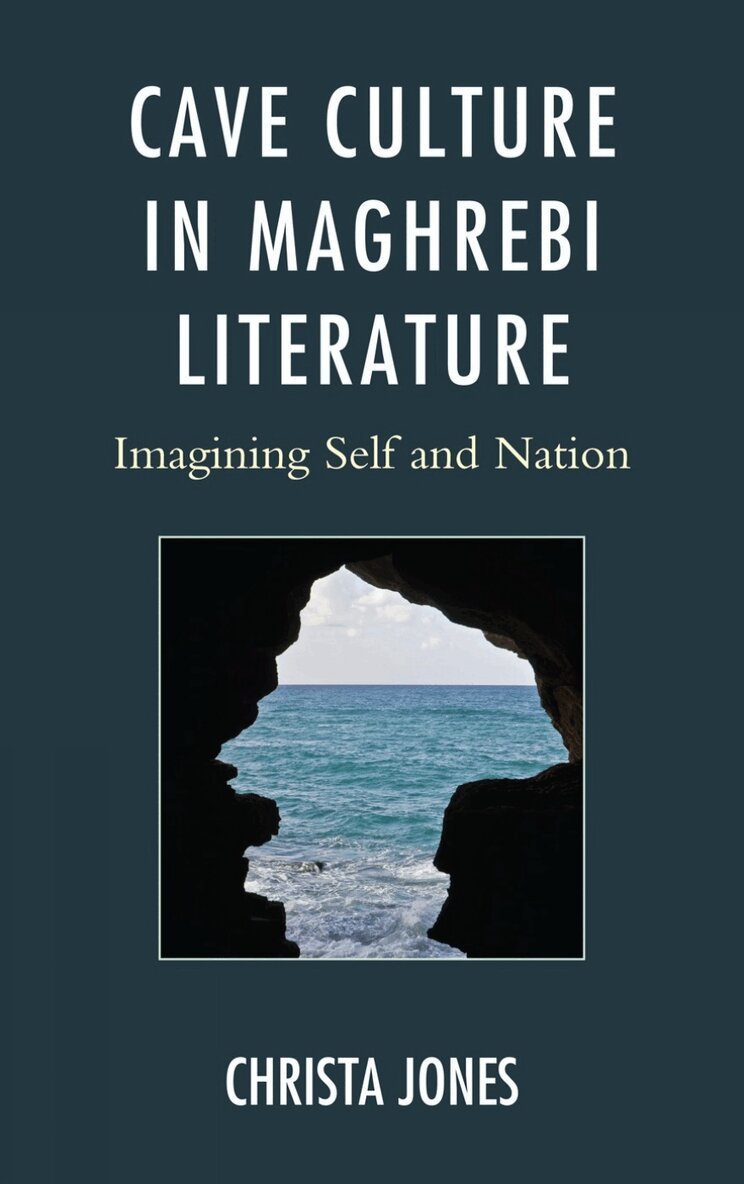
    Cave Culture in Maghrebi Literature

    Imagining Self and Nation

    AvChrista Jones

    Inbunden, Engelska, 2012

    Del i serien After the Empire: The Francophone World and Postcolonial France

    1 524 kr

    Beställningsvara. Skickas inom 10-15 vardagar. Fri frakt över 249 kr.

    Beskrivning

    Cave Culture in Maghrebi Literature: Imagining Self and Nation discusses key postcolonial Francophone North African texts, centering on folktales, war, Berber traditions, femininity, sexuality, the Algerian War of Independence (1954–1962), and the Algerian Civil War (1992–1999). It explores the literary and cultural evidence testifying to the role of the cave as a locus of worship, transfiguration, dominance, and revelation in the context of colonial and postcolonial power struggles, and its wider significance in the context of nationalism and femininity, sexuality, and postcolonial identity construction. Historically, the cave has symbolized the explosive colonial and postcolonial struggles. It was a crucial site of colonial subjugation in North Africa during the colonial conquest in the nineteenthcentury and during the Algerian War of Independence in the twentieth century. Featuring narratives by authors such as Yamina Méchakra, Georges Buis, Tahar Ben Jelloun, Maïssa Bey, Assia Djebar, Driss Chraïbi, Hawa Djabali, Mohammed Dib, Nabile Farès, Larêej Waciny, and filmmaker Moumen Smihi, this book examines the cave as a metaphor of the collective imaginary of the North African literary subject and offers new insights into the field of Francophone literary studies. The complexity of the cave metaphor in this body of literature mirrors the struggle for identity at work in Francophone postcolonial literature: be it the struggle for colonial independence, the articulation of femininity, or, in a broader framework, the tensions at work in hybridized societies that are firmly rooted in tradition but at the same time curiously turned toward the Occident. Literary caves are firmly situated in the physical and psychic territories of North Africa, yet they offer bridges to the West and in particular to continental France. A combination of religious mysticism and natural splendor makes the cave a powerful symbol that has had a profound impact on the imaginations of artists on both sides of the Mediterranean. The literary cave has a strong hold on the Algerian and Moroccan collective imaginary and often stands as a metaphor for the homeland: the patrie. It defines the characters’ subjectivity, on both a conscious and unconscious level—as shown by its many literary manifestations, be it in folktales, feminist, war, or love narratives.

    Produktinformation

    • Utgivningsdatum:2012-09-27
    • Mått:159 x 234 x 21 mm
    • Vikt:463 g
    • Format:Inbunden
    • Språk:Engelska
    • Serie:After the Empire: The Francophone World and Postcolonial France
    • Antal sidor:214
    • Förlag:Bloomsbury Publishing Plc
    • ISBN:9780739168752

    Utforska kategorier

    • Litteraturvetenskap inom Skönlitteratur

    Mer om författaren

    Christa Jones is assistant professor of French in the Department of Languages, Philosophy and Communication Studies at Utah State University. She has published numerous articles on North African Francophone literature and film in peer-reviewed journals such as Contemporary French and Francophone Studies, Dalhousie French Studies, Expressions Maghrébines, Francofonia, French Review, Nouvelles Etudes Francophones, and Women Studies Quarterly, among others. She is co-editing a special issue on Women from the Maghreb for Dalhousie French Studies.

    Recensioner i media

    Jones (French, Utah State Univ.) highlights the importance of the cave and cave imagery in Maghrebi culture and the pervasive presence of the cave in Francophone literature from the region. Taking as source texts works by major Francophone North African writers (Mohammed Dib, Tahar Ben Jelloun, Assia Djebar, and others) and filmmakers (Moumen Smihi), the author traces the longevity of cave imagery through its presence in Islamic and pre-Islamic oral traditions, as evidenced in the folktales that are also among the primary sources for this study. Jones seems to have anticipated that this study of the cave as symbol and metaphor might interest readers with little prior knowledge of Francophone North African literature and/or the recent history of the region because she includes a great deal of such background information in the text. She succeeds in demonstrating the multifaceted role of the cave as a literary motif and its symbolic value in imagining the nation and national identity. Summing Up: Recommended. Graduate students, researchers, faculty.

    Innehållsförteckning

    • IntroductionChapter One: Sites of Wonders and Miracles: The Cave in Kabylian FolktalesThe Cave in Islam and the Legend of the Seven SleepersTales of Wonder and Magic: Metamorphoses in Troglodytic Caves “Zalghoum, la belle promise,” “Loundja, plus belle que la lune,” and “Fibule d’argentPlaces of Transfiguration, Female Disobedience, and Emancipation "L’oiseau vert,” “Une histoire d’ogre,” and “Histoire de l’ogre et de la belle femme,”Rites of Passage, Gateways to Happiness, Insight, and Maturation “La bague enchantée,” Pépé Colosso,” “Ahmed, fils de bûcheron,” and “Chrab Dekhane”Of Treasures, Divination, and Hideous Crimes “Attiallah,” “Ali Baba and the Forty Thieves,” “La caverne des Djinns,” and “Tout secret se trouve un jour dévoilé” Chapter Two: Wo(men) in Caverns, Wo(men) at War: The War NovelsDeath traps in Djebar’s Fantasia and in Bey’s Pierre sang papier ou cendreThe Involvement of Moudjahidates—Myth versus RealityResisting War: Yamina Méchakra’s La grotte éclatéeCrushing the Rebels’ Resistance - Georges Buis’s La grotteClearly Out of Luck: Nabile Farès’ Yahia, pas de chanceFrom one War to Another: Waciny Larêej’s La gardienne des ombresChapter Three: Country vs. City: Of Troglodytes, Peasants, Drifters, and Women Of Troglodytes and Tradition: Driss Chraïbi’s Une enquête au paysAwakening Femininity: Hawa Djabali’s Glaise rougeDiscovering Femininity: Hawa Djabali’s AgaveMoumen Smihi’s El Chergui, Vent de l’est ou le silence violentMohammed Dib’s Qui se souvient de la merMohamed Choukri’s Le pain nuChapter Four: Of Sexuality, Desire, and Madness in Tahar Ben Jelloun’s TextsDeviant Sexualities: From Harrouda to L’enfant de sableThe Madman: Moha le fou, Moha le sageBen Jelloun’s La fiancée de l’eau, a Feminist PlayUnbridled Sexuality, Desire, and Dream Culture in La nuit de l’erreurAfterword