Christine A. Hastorf - Böcker
Visar alla böcker från författaren Christine A. Hastorf. Handla med fri frakt och snabb leverans.
7 produkter
7 produkter
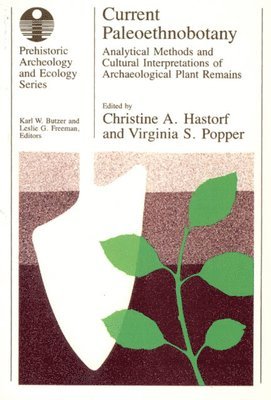
Current Paleoethnobotany
Analytical Methods and Cultural Interpretations of Archaeological Plant Remains
Häftad, Engelska, 1989
266 kr
Skickas inom 7-10 vardagar
Paleoethnobotany offers powerful tools for reconstructing past cultures by examining the interaction of human populations with the plant world. Plant remains from archaeological sites can provide information for a number of disciplines: archaeologists may use such remains to examine how plants were used, how agriculture changed over time, or how plant offerings in burials signaled social status; ecologists and botanists may use them to study morphological changes in plants due to domestication. Combining case studies and theoretical discussions, Current Paleoethnobotany presents the first full discussion of the major stages and problems of paleoethnobotanical research, from designing and testing equipment, such as flotation machines, to quantification and interpretation. The volume explores a wide range of issues concerning collection techniques, analytical procedures, and interpretive models that will provide accurate information about past human societies from plant remains. The contributors offer data on specific regions as well as more general background information on the basic techniques of paleoethnobotany for the nonspecialist. Throughout, they explicitly examine the assumptions underlying paleoethnobotanical methods and the ways in which those assumptions affect anthropological and ecological research questions. Based on a symposium presented at the 1985 meeting of the Society for American Archaeology, Current Paleoethnobotany moves beyond a technique-oriented view of paleoethnobotany to successfully integrate current thinking about both procedures and research goals. The contributors demonstrate the potential value of the field of paleoethnobotany and open the way for further discussion and improvement.
1 635 kr
Skickas inom 10-15 vardagar
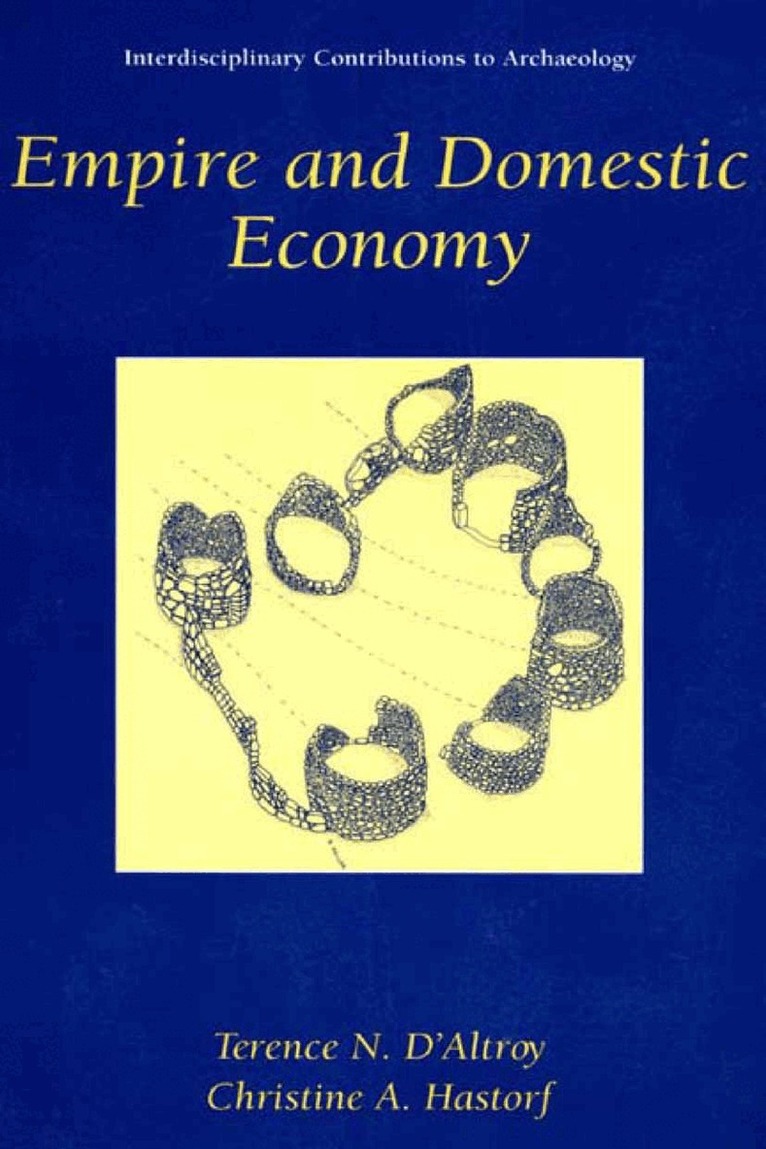
We are both immensely pleased to have played supporting roles in the archaeological research that led to this volume. As a faculty member at the Universidad del Centro (Huancayo) in the 1960s and later at the Universidad Nacional de San Marcos (Lima), Matos Mendieta developed a special interest in the Upper Mantaro and adjacent Tarma drainages, and during the 1960s and 1970s, he carried out general reconnaissance and several excavations in the area between Lake Junin and Huancayo. Matos Mendieta began his field research in the Sierra Central as part of the "Proyecto Andino de Estudios Arqueologicos" sponsored by the Smithsonian Institution. As a fellow at the Smithsonian Institution in the mid-1960s, Matos Mendieta began to interact more closely with North American scholars; during this period, he began to encourage and facilitate the interests of several US.-based archaeologists in the Peruvian Sierra Central, including Craig Morris, John Murra, and Donald Thompson, who were beginning fieldwork at and around the Inka provincial center of Huanuco Pampa north of Lake Junin, and David Browman, who in 1969 carried out one of the very first systematic archaeological surveys in highland Peru over parts of the main Mantaro Valley between Huancayo and Jauja.
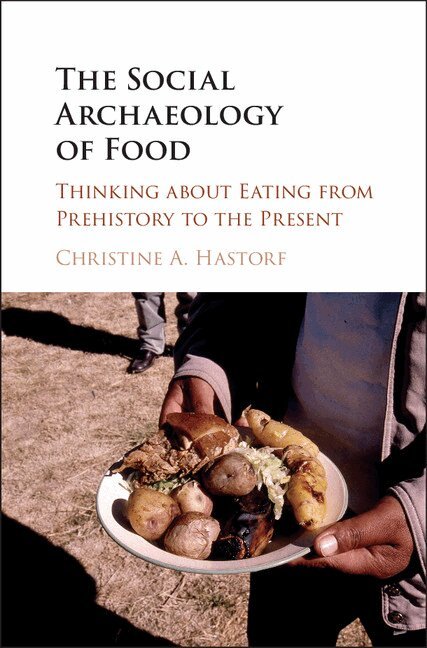
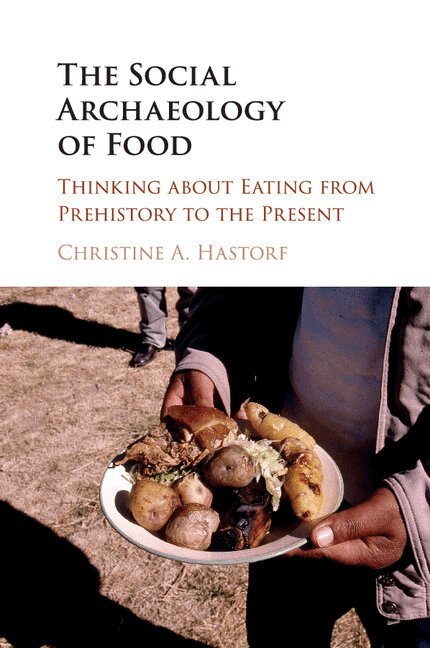
The Social Archaeology of Food
Thinking about Eating from Prehistory to the Present
Inbunden, Engelska, 2016
1 485 kr
Skickas inom 7-10 vardagar
This book offers a global perspective on the role food has played in shaping human societies, through both individual and collective identities. It integrates ethnographic and archaeological case studies from the European and Near Eastern Neolithic, Han China, ancient Cahokia, Classic Maya, the Inka and many other periods and regions, to ask how the meal in particular has acted as a social agent in the formation of society, economy, culture and identity. Drawing on a range of social theorists, Hastorf provides a theoretical toolkit essential for any archaeologist interested in foodways. Studying the social life of food, this book engages with taste, practice, the meal and the body to discuss power, identity, gender and meaning that creates our world as it created past societies.
The Social Archaeology of Food
Thinking about Eating from Prehistory to the Present
Häftad, Engelska, 2018
523 kr
Skickas inom 7-10 vardagar
This book offers a global perspective on the role food has played in shaping human societies, through both individual and collective identities. It integrates ethnographic and archaeological case studies from the European and Near Eastern Neolithic, Han China, ancient Cahokia, Classic Maya, the Inka and many other periods and regions, to ask how the meal in particular has acted as a social agent in the formation of society, economy, culture and identity. Drawing on a range of social theorists, Hastorf provides a theoretical toolkit essential for any archaeologist interested in foodways. Studying the social life of food, this book engages with taste, practice, the meal and the body to discuss power, identity, gender and meaning that creates our world as it created past societies.
1 632 kr
Skickas inom 10-15 vardagar
We are both immensely pleased to have played supporting roles in the archaeological research that led to this volume. As a faculty member at the Universidad del Centro (Huancayo) in the 1960s and later at the Universidad Nacional de San Marcos (Lima), Matos Mendieta developed a special interest in the Upper Mantaro and adjacent Tarma drainages, and during the 1960s and 1970s, he carried out general reconnaissance and several excavations in the area between Lake Junin and Huancayo. Matos Mendieta began his field research in the Sierra Central as part of the "Proyecto Andino de Estudios Arqueologicos" sponsored by the Smithsonian Institution. As a fellow at the Smithsonian Institution in the mid-1960s, Matos Mendieta began to interact more closely with North American scholars; during this period, he began to encourage and facilitate the interests of several US.-based archaeologists in the Peruvian Sierra Central, including Craig Morris, John Murra, and Donald Thompson, who were beginning fieldwork at and around the Inka provincial center of Huanuco Pampa north of Lake Junin, and David Browman, who in 1969 carried out one of the very first systematic archaeological surveys in highland Peru over parts of the main Mantaro Valley between Huancayo and Jauja.
1 638 kr
Tillfälligt slut
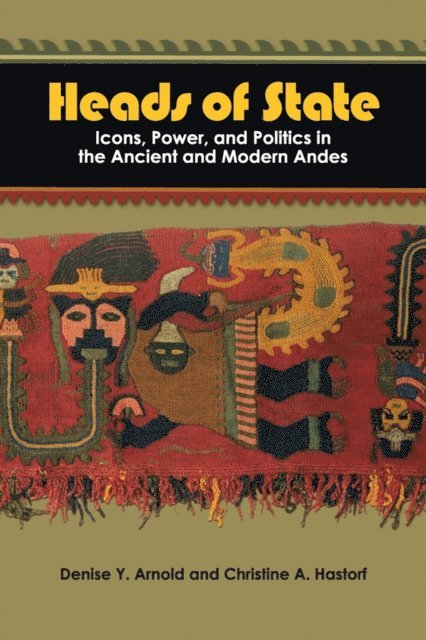
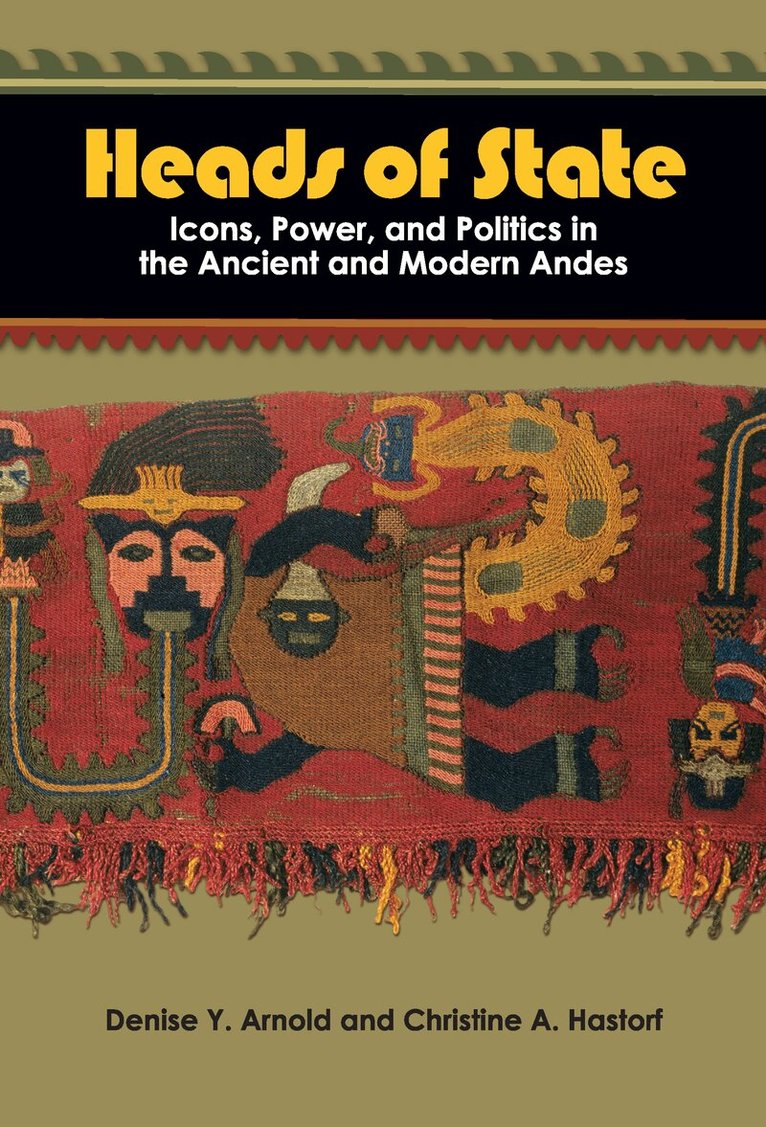
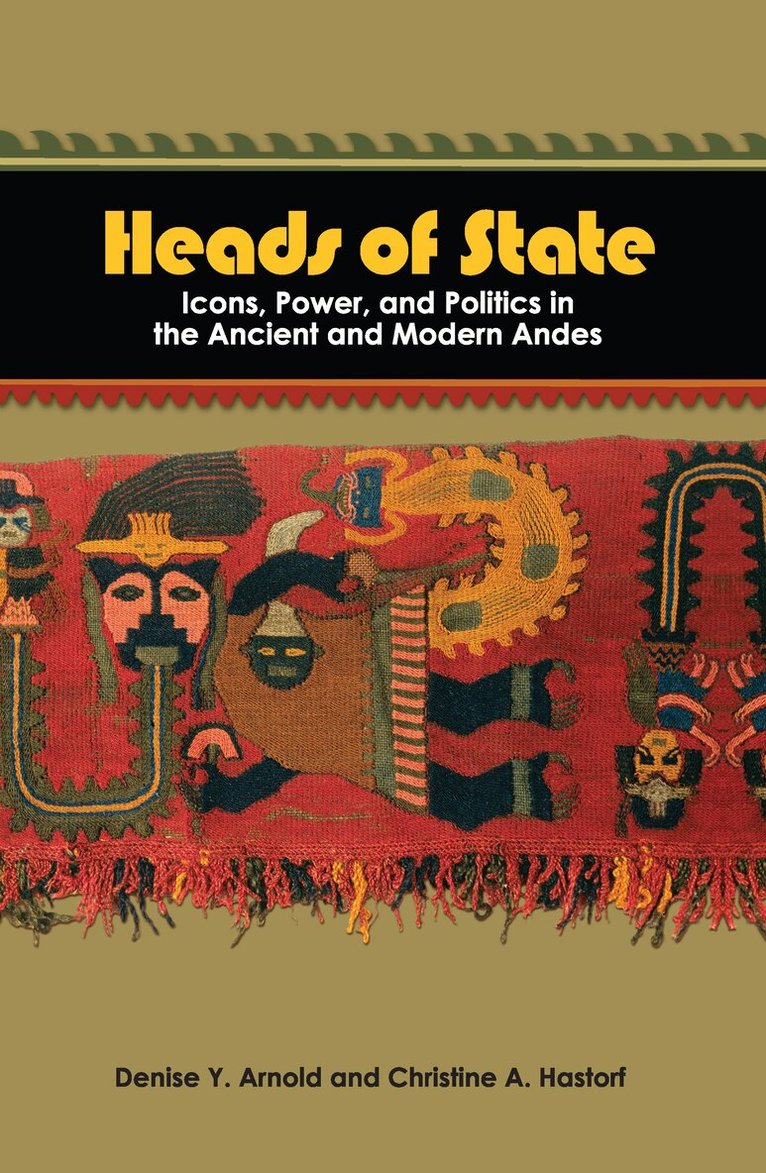
The human head has had important political, ritual and symbolic meanings throughout Andean history. Scholars have spoken of captured and trophy heads, curated crania, symbolic flying heads, head imagery on pots and on stone, head-shaped vessels, and linguistic references to the head. In this synthesizing work, cultural anthropologist Denise Arnold and archaeologist Christine Hastorf examine the cult of heads in the Andes—past and present—to develop a theory of its place in indigenous cultural practice and its relationship to political systems. Using ethnographic and archaeological fieldwork, highland-lowland comparisons, archival documents, oral histories, and ritual texts, the authors draw from Marx, Mauss, Foucault, Assadourian, Viveiros del Castro and other theorists to show how heads shape and symbolize power, violence, fertility, identity, and economy in South American cultures.
701 kr
Skickas inom 10-15 vardagar
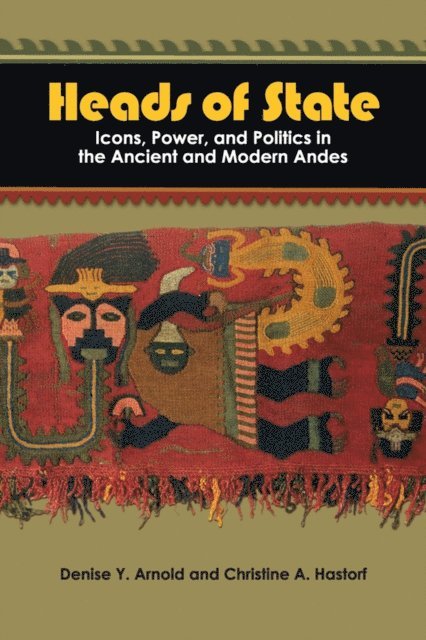
The human head has had important political, ritual and symbolic meanings throughout Andean history. Scholars have spoken of captured and trophy heads, curated crania, symbolic flying heads, head imagery on pots and on stone, head-shaped vessels, and linguistic references to the head. In this synthesizing work, cultural anthropologist Denise Arnold and archaeologist Christine Hastorf examine the cult of heads in the Andes—past and present—to develop a theory of its place in indigenous cultural practice and its relationship to political systems. Using ethnographic and archaeological fieldwork, highland-lowland comparisons, archival documents, oral histories, and ritual texts, the authors draw from Marx, Mauss, Foucault, Assadourian, Viveiros del Castro and other theorists to show how heads shape and symbolize power, violence, fertility, identity, and economy in South American cultures.