Christopher R. W. Dietrich – författare
Visar alla böcker från författaren Christopher R. W. Dietrich. Handla med fri frakt och snabb leverans.
8 produkter
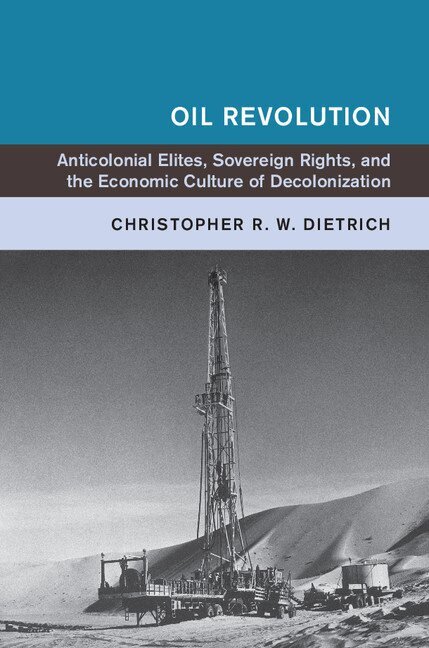
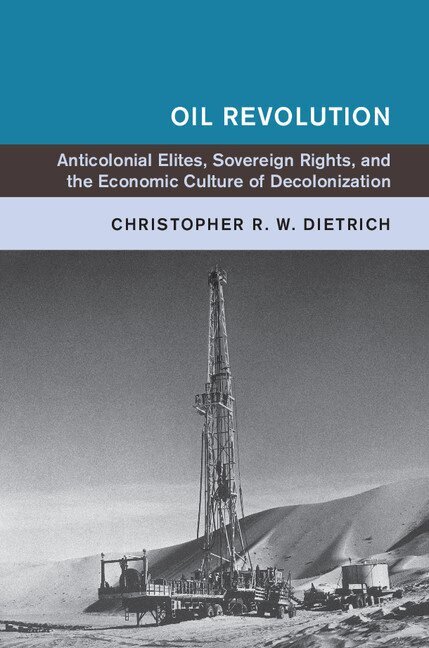
Oil Revolution
Anticolonial Elites, Sovereign Rights, and the Economic Culture of Decolonization
Inbunden, 2017
1559 kr
Lägg i varukorg
Through innovative and expansive research, Oil Revolution analyzes the tensions faced and networks created by anti-colonial oil elites during the age of decolonization following World War II. This new community of elites stretched across Iran, Iraq, Saudi Arabia, Venezuela, Algeria, and Libya. …
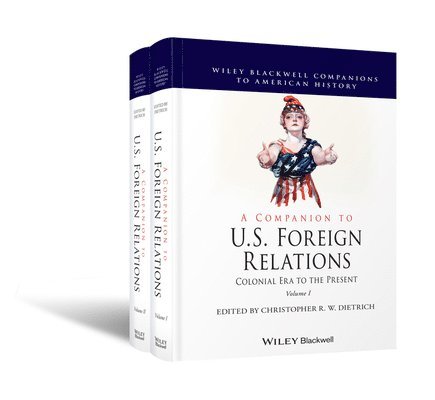
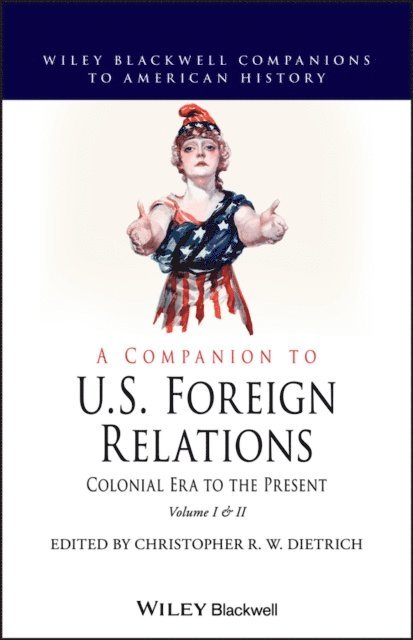
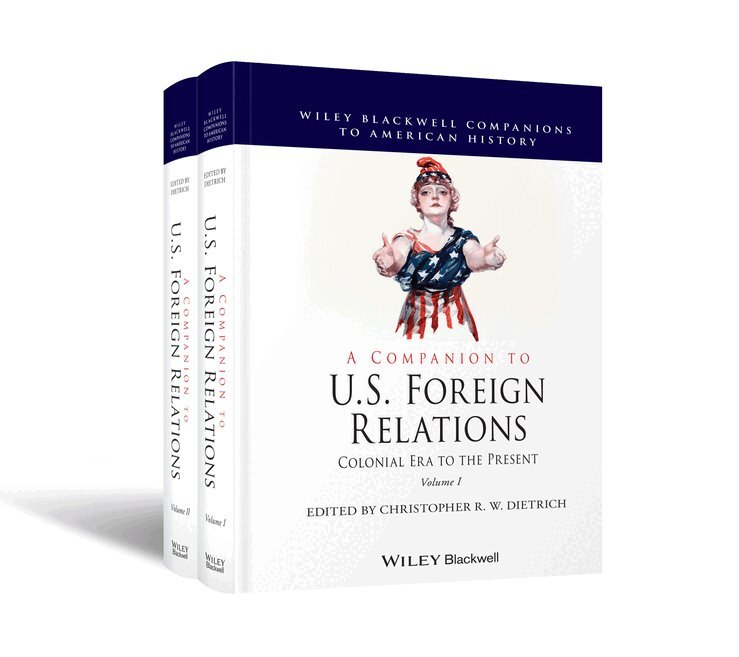
Companion to U.S. Foreign Relations
Colonial Era to the Present
Inbunden, 2020
4917 kr
Lägg i varukorg
Covers the entire range of the history of U.S. foreign relations from the colonial period to the beginning of the 21st century.A Companion to U.S. Foreign Relations is an authoritative guide to past and present scholarship on the history of American diplomacy and foreign relations from its …
Companion to U.S. Foreign Relations
Colonial Era to the Present
E-bok, 2020
5906 kr
Lägg i varukorg
Covers the entire range of the history of U.S. foreign relations from the colonial period to the beginning of the 21 st century. A Companion to U.S. Foreign Relations is an authoritative guide to past and present scholarship on the history of American diplomacy and foreign relations from its …
Companion to U.S. Foreign Relations
Colonial Era to the Present
E-bok, 2020
5906 kr
Lägg i varukorg
Covers the entire range of the history of U.S. foreign relations from the colonial period to the beginning of the 21 st century. A Companion to U.S. Foreign Relations is an authoritative guide to past and present scholarship on the history of American diplomacy and foreign relations from its …
Oil Revolution
Anticolonial Elites, Sovereign Rights, and the Economic Culture of Decolonization
Häftad, 2017
619 kr
Lägg i varukorg
Through innovative and expansive research, Oil Revolution analyzes the tensions faced and networks created by anti-colonial oil elites during the age of decolonization following World War II. This new community of elites stretched across Iran, Iraq, Saudi Arabia, Venezuela, Algeria, and Libya. …
Oil Revolution
Anticolonial Elites, Sovereign Rights, and the Economic Culture of Decolonization
E-bok, 2017
605 kr
Lägg i varukorg
Through innovative and expansive research, Oil Revolution analyzes the tensions faced and networks created by anti-colonial oil elites during the age of decolonization following World War II. This new community of elites stretched across Iran, Iraq, Saudi Arabia, Venezuela, Algeria, and Libya. …
Oil Revolution
Anticolonial Elites, Sovereign Rights, and the Economic Culture of Decolonization
E-bok, 2017
605 kr
Lägg i varukorg
Through innovative and expansive research, Oil Revolution analyzes the tensions faced and networks created by anti-colonial oil elites during the age of decolonization following World War II. This new community of elites stretched across Iran, Iraq, Saudi Arabia, Venezuela, Algeria, and Libya. …