Christopher Yeomans – författare
Visar alla böcker från författaren Christopher Yeomans. Handla med fri frakt och snabb leverans.
16 produkter
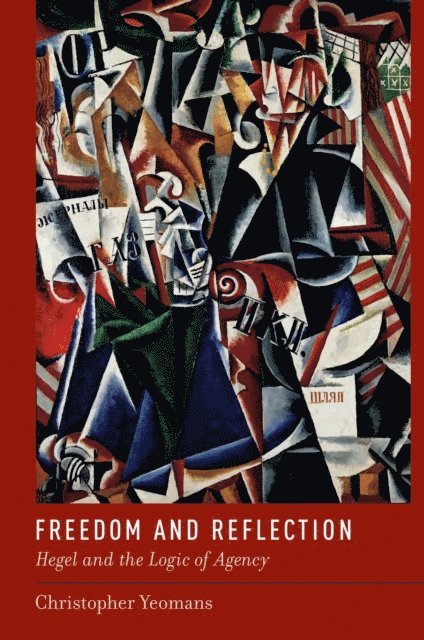
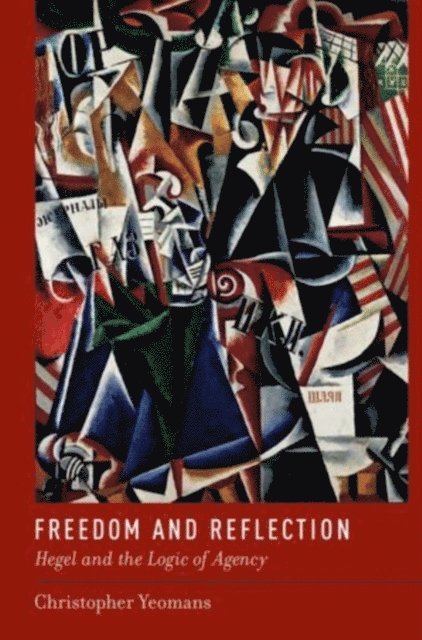
Freedom and Reflection
Hegel and the Logic of Agency
E-bok, 2011
1393 kr
Lägg i varukorg
There are many insightful discussions of Hegel''s practical philosophy that emphasize the uniqueness of his expressivist and social theory of agency, but few recognize that these two aspects of Hegel''s theory of the will are insufficient to avoid the traditional problem of free will. In fact, the …
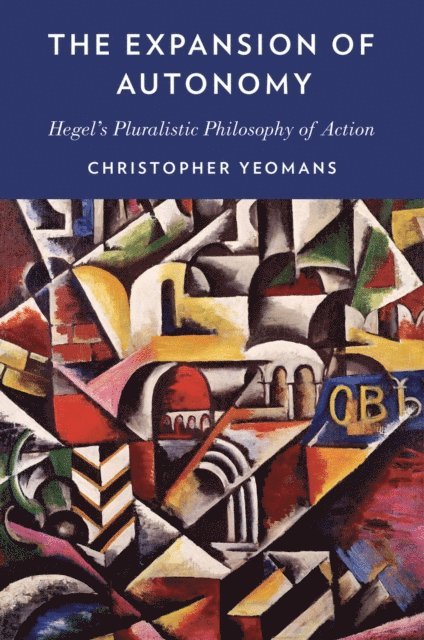
Expansion of Autonomy
Hegel's Pluralistic Philosophy of Action
E-bok, 2015
1174 kr
Lägg i varukorg
Georg Lukács wrote that “there is autonomy and ''autonomy.'' The one is a moment of life itself, the elevation of its richness and contradictory unity; the other is a rigidification, a barren self-seclusion, a self-imposed banishment from the dynamic overall connection.†Though Lukács'' …
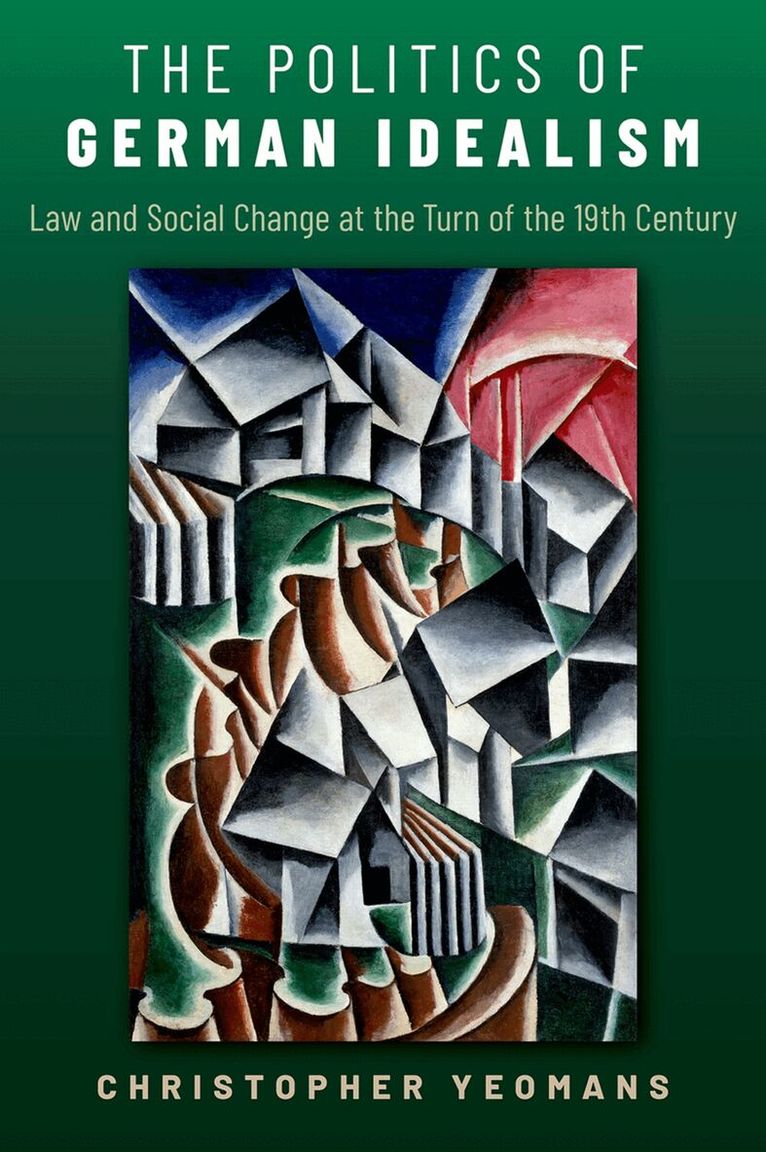
The Politics of German Idealism
Inbunden, 2023
863 kr
Lägg i varukorg
The Politics of German Idealism reconstructs the political philosophies of Kant, Fichte and Hegel against the background of their social-historical context. Christopher Yeomans' guiding thought is to understand German Idealist political philosophy as political, i.e., as a set of policy options and …
Politics of German Idealism
E-bok, 2023
770 kr
Lägg i varukorg
The Politics of German Idealism reconstructs the political philosophies of Kant, Fichte and Hegel against the background of their social-historical context. Christopher Yeomans'' guiding thought is to understand German Idealist political philosophy as political, i.e., as a set of policy options and …
Politics of German Idealism
E-bok, 2023
770 kr
Lägg i varukorg
The Politics of German Idealism reconstructs the political philosophies of Kant, Fichte and Hegel against the background of their social-historical context. Christopher Yeomans'' guiding thought is to understand German Idealist political philosophy as political, i.e., as a set of policy options and …
The Expansion of Autonomy
Hegel's Pluralistic Philosophy of Action
Inbunden, 2015
1811 kr
Lägg i varukorg
Georg Lukács wrote that "there is autonomy and 'autonomy.' The one is a moment of life itself, the elevation of its richness and contradictory unity; the other is a rigidification, a barren self-seclusion, a self-imposed banishment from the dynamic overall connection. " Though Lukács' concern was …
Expansion of Autonomy
Hegel's Pluralistic Philosophy of Action
E-bok, 2015
1174 kr
Lägg i varukorg
Georg Lukács wrote that “there is autonomy and ''autonomy.'' The one is a moment of life itself, the elevation of its richness and contradictory unity; the other is a rigidification, a barren self-seclusion, a self-imposed banishment from the dynamic overall connection.†Though Lukács'' …
Freedom and Reflection
Hegel and the Logic of Agency
Inbunden, 2012
1647 kr
Lägg i varukorg
There are many insightful discussions of Hegel's practical philosophy that emphasize the uniqueness of his expressivist and social theory of agency, but few recognize that these two aspects of Hegel's theory of the will are insufficient to avoid the traditional problem of free will. In fact, the …
Freedom and Reflection
Hegel and the Logic of Agency
E-bok, 2011
1393 kr
Lägg i varukorg
There are many insightful discussions of Hegel''s practical philosophy that emphasize the uniqueness of his expressivist and social theory of agency, but few recognize that these two aspects of Hegel''s theory of the will are insufficient to avoid the traditional problem of free will. In fact, the …
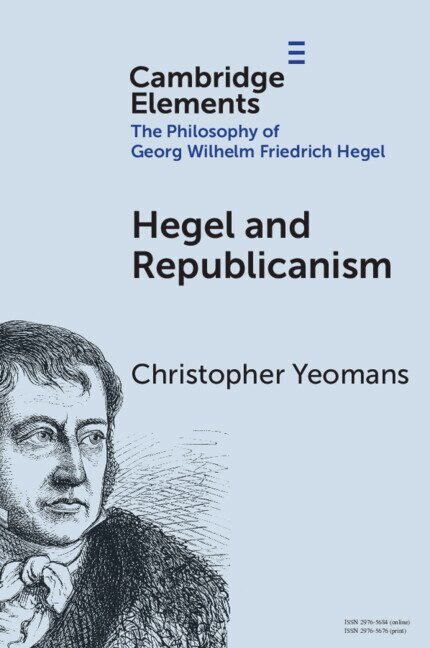
Hegel and Republicanism
Non-Domination, Economics, and Political Participation
E-bok, 2026
294 kr
Lägg i varukorg
Hegel and Republicanism
Non-Domination, Economics, and Political Participation
E-bok, 2026
294 kr
Lägg i varukorg
Hegel and Republicanism
Non-Domination, Economics, and Political Participation
Inbunden, 2026
911 kr
Lägg i varukorg
This Element is about the relationship between the political thought of the German philosopher G. W. F. Hegel (1770-1831) and a tradition of political thinking known as republicanism that traces its roots at least to 15th century Florence and perhaps further back to Aristotle. Throughout, we will …
Hegel and Republicanism
Non-Domination, Economics, and Political Participation
Häftad, 2026
276 kr
Lägg i varukorg
This Element is about the relationship between the political thought of the German philosopher G. W. F. Hegel (1770-1831) and a tradition of political thinking known as republicanism that traces its roots at least to 15th century Florence and perhaps further back to Aristotle. Throughout, we will …
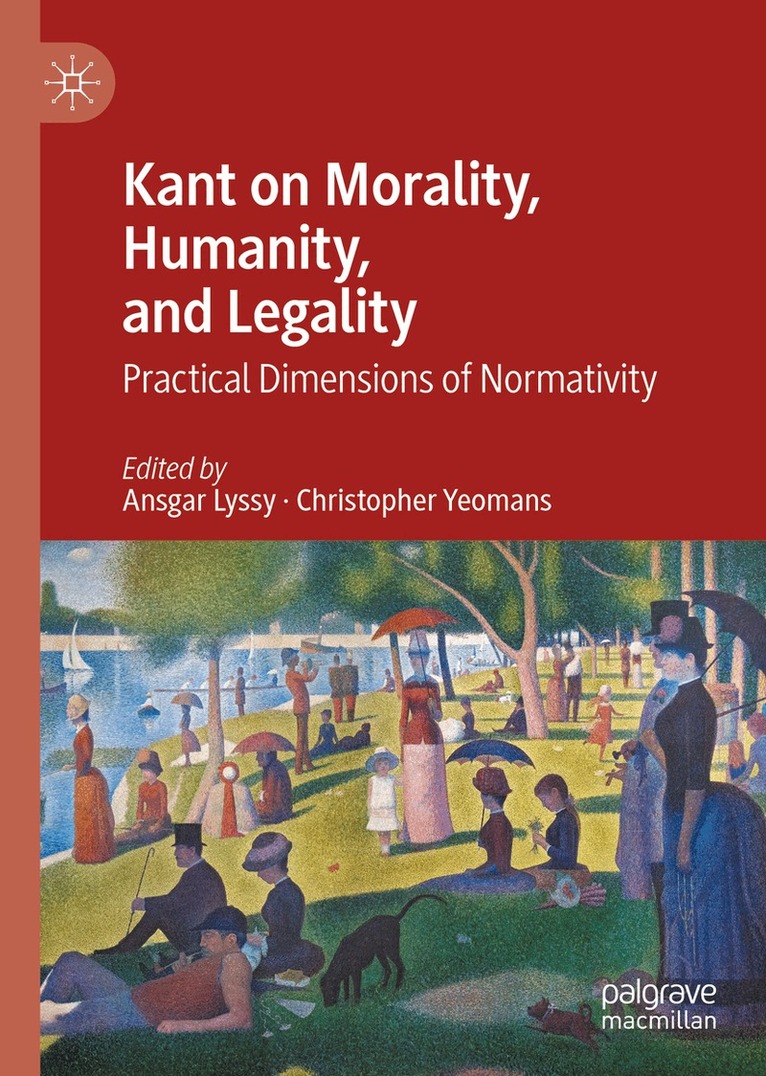
Kant on Morality, Humanity, and Legality
Practical Dimensions of Normativity
Av Ansgar Lyssy, Christopher Yeomans
Inbunden, 2020
1316 kr
Lägg i varukorg
It was not so long ago that the dominant picture of Kant’s practical philosophy was formalistic, focusing almost exclusively on his Groundwork of the Metaphysics of Morals and Critique of Practical Reason. However, the overall picture of Kant’s wide-ranging philosophy has since been broadened and …
Kant on Morality, Humanity, and Legality
Practical Dimensions of Normativity
Av Christopher Yeomans, Ansgar Lyssy
E-bok, 2020
1785 kr
Lägg i varukorg
It was not so long ago that the dominant picture of Kant’s practical philosophy was formalistic, focusing almost exclusively on his Groundwork of the Metaphysics of Morals and Critique of Practical Reason . However, the overall picture of Kant’s wide-ranging philosophy has since been broadened and …
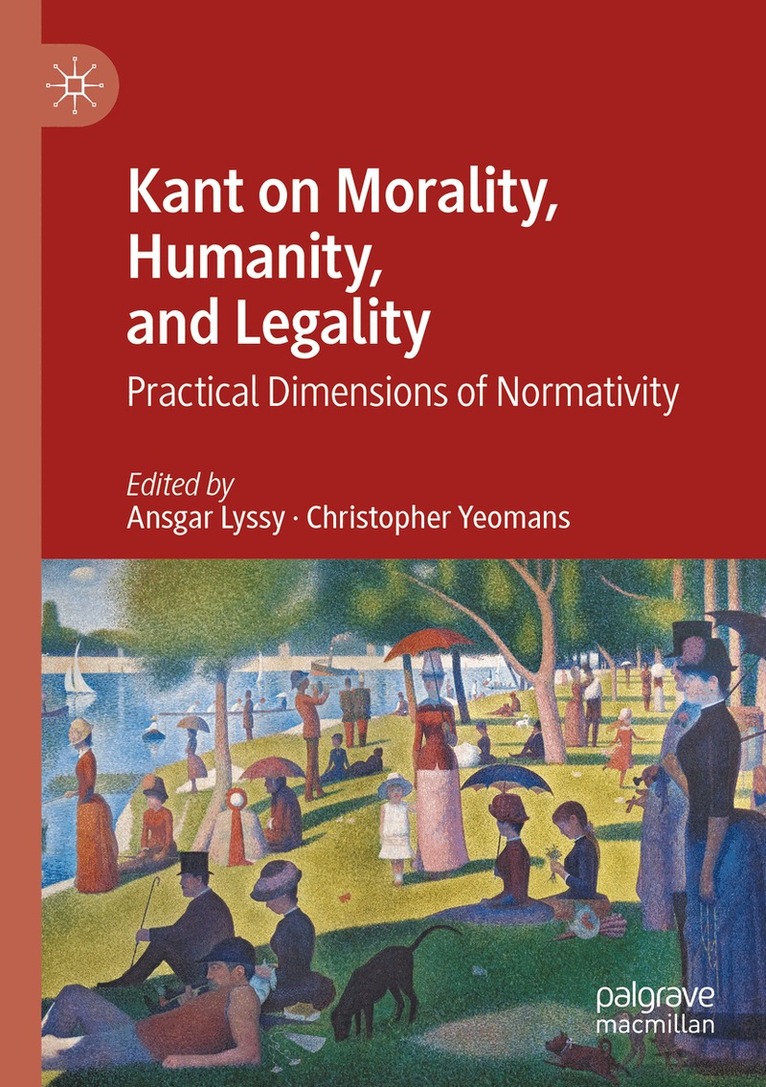
Kant on Morality, Humanity, and Legality
Practical Dimensions of Normativity
Av Ansgar Lyssy, Christopher Yeomans
Häftad, 2021
1316 kr
Lägg i varukorg
It was not so long ago that the dominant picture of Kant’s practical philosophy was formalistic, focusing almost exclusively on his Groundwork of the Metaphysics of Morals and Critique of Practical Reason. However, the overall picture of Kant’s wide-ranging philosophy has since been broadened and …