Ansgar Lyssy – författare
Visar alla böcker från författaren Ansgar Lyssy. Handla med fri frakt och snabb leverans.
17 produkter
System and Freedom in Kant and Fichte
Av Giovanni Pietro Basile, Ansgar Lyssy
Inbunden, 2022
2504 kr
Lägg i varukorg
This book investigates various aspects of freedom as developed in the philosophical systems of Kant and Fichte.Freedom, both Kant and Fichte insist, does not mean that we can choose or think independently from all rules or necessity, but rather that we willingly accept a certain kind of submission …
Perspectives on Kant’s Opus postumum
Av Giovanni Pietro Basile, Ansgar Lyssy
Inbunden, 2022
2126 kr
Lägg i varukorg
This book offers new perspectives on the theoretical elements of the Opus postumum (OP), Kant’s project of a final work which remained unknown until eighty years after his death. The contributors read the OP as a central work in establishing the relation between Kant’s transcendental philosophy, …
Perspectives on Kant’s Opus postumum
Av Giovanni Pietro Basile, Ansgar Lyssy
Häftad, 2024
646 kr
Lägg i varukorg
This book offers new perspectives on the theoretical elements of the Opus postumum (OP), Kant’s project of a final work which remained unknown until eighty years after his death. The contributors read the OP as a central work in establishing the relation between Kant’s transcendental philosophy, …
System and Freedom in Kant and Fichte
Av Ansgar Lyssy, Giovanni Pietro Basile
E-bok, 2022
762 kr
Lägg i varukorg
This book investigates various aspects of freedom as developed in the philosophical systems of Kant and Fichte. Freedom, both Kant and Fichte insist, does not mean that we can choose or think independently from all rules or necessity, but rather that we willingly accept a certain kind of submission …
System and Freedom in Kant and Fichte
Av Ansgar Lyssy, Giovanni Pietro Basile
E-bok, 2022
762 kr
Lägg i varukorg
This book investigates various aspects of freedom as developed in the philosophical systems of Kant and Fichte. Freedom, both Kant and Fichte insist, does not mean that we can choose or think independently from all rules or necessity, but rather that we willingly accept a certain kind of submission …
Perspectives on Kant's Opus postumum
Av Ansgar Lyssy, Giovanni Pietro Basile
E-bok, 2022
762 kr
Lägg i varukorg
This book offers new perspectives on the theoretical elements of the Opus postumum (OP) , Kant’s project of a final work which remained unknown until eighty years after his death. The contributors read the OP as a central work in establishing the relation between Kant’s transcendental philosophy, …
Perspectives on Kant's Opus postumum
Av Ansgar Lyssy, Giovanni Pietro Basile
E-bok, 2022
762 kr
Lägg i varukorg
This book offers new perspectives on the theoretical elements of the Opus postumum (OP) , Kant’s project of a final work which remained unknown until eighty years after his death. The contributors read the OP as a central work in establishing the relation between Kant’s transcendental philosophy, …
System and Freedom in Kant and Fichte
Av Giovanni Pietro Basile, Ansgar Lyssy
Häftad, 2024
646 kr
Lägg i varukorg
This book investigates various aspects of freedom as developed in the philosophical systems of Kant and Fichte.Freedom, both Kant and Fichte insist, does not mean that we can choose or think independently from all rules or necessity, but rather that we willingly accept a certain kind of submission …
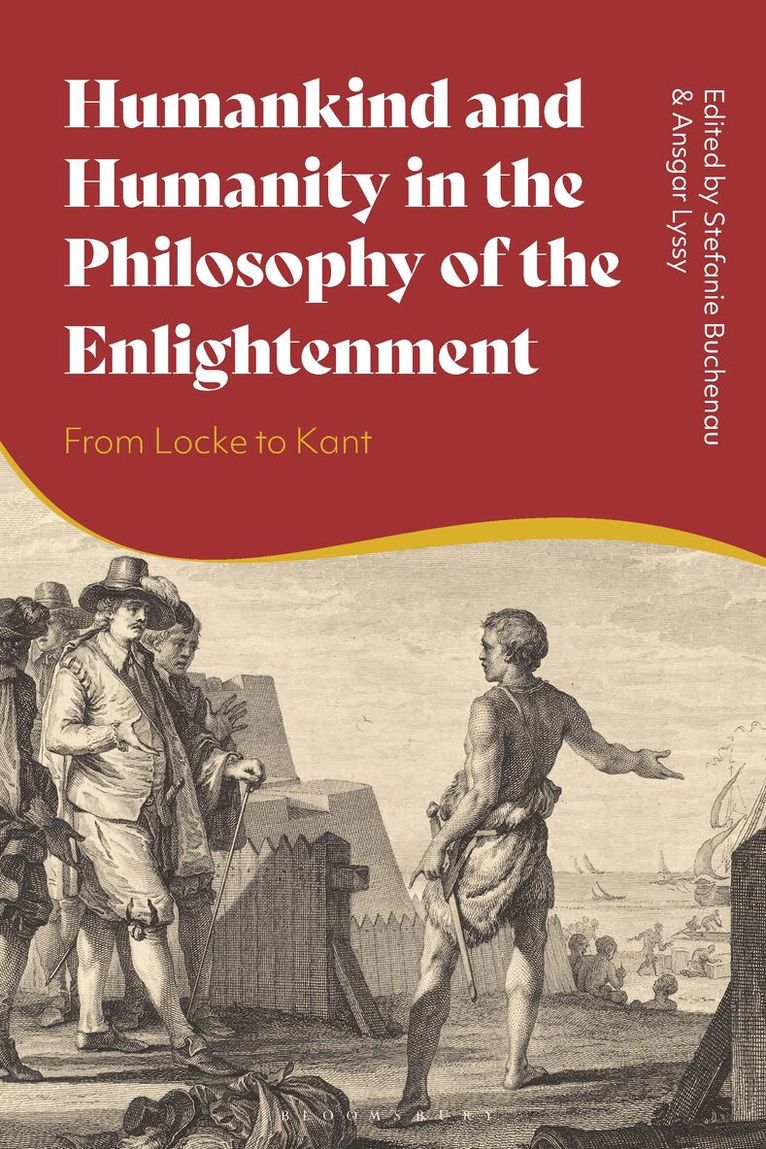
Humankind and Humanity in the Philosophy of the Enlightenment
From Locke to Kant
Av Stefanie Buchenau, Ansgar Lyssy
Inbunden, 2023
1275 kr
Lägg i varukorg
What makes us human beings? Is it merely some corporeal aspect, or rather some specific mental capacity, language, or some form of moral agency or social life? Is there a gendered bias within the concept of humanity? How do human beings become more human, and can we somehow cease to be human? This …
Humankind and Humanity in the Philosophy of the Enlightenment
From Locke to Kant
Av Stefanie Buchenau, Ansgar Lyssy
E-bok, 2023
452 kr
Lägg i varukorg
What makes us human beings? Is it merely some corporeal aspect, or rather some specific mental capacity, language, or some form of moral agency or social life? Is there a gendered bias within the concept of humanity? How do human beings become more human, and can we somehow cease to be human? This …
Humankind and Humanity in the Philosophy of the Enlightenment
From Locke to Kant
Av Stefanie Buchenau, Ansgar Lyssy
E-bok, 2023
442 kr
Lägg i varukorg
What makes us human beings? Is it merely some corporeal aspect, or rather some specific mental capacity, language, or some form of moral agency or social life? Is there a gendered bias within the concept of humanity? How do human beings become more human, and can we somehow cease to be human? This …
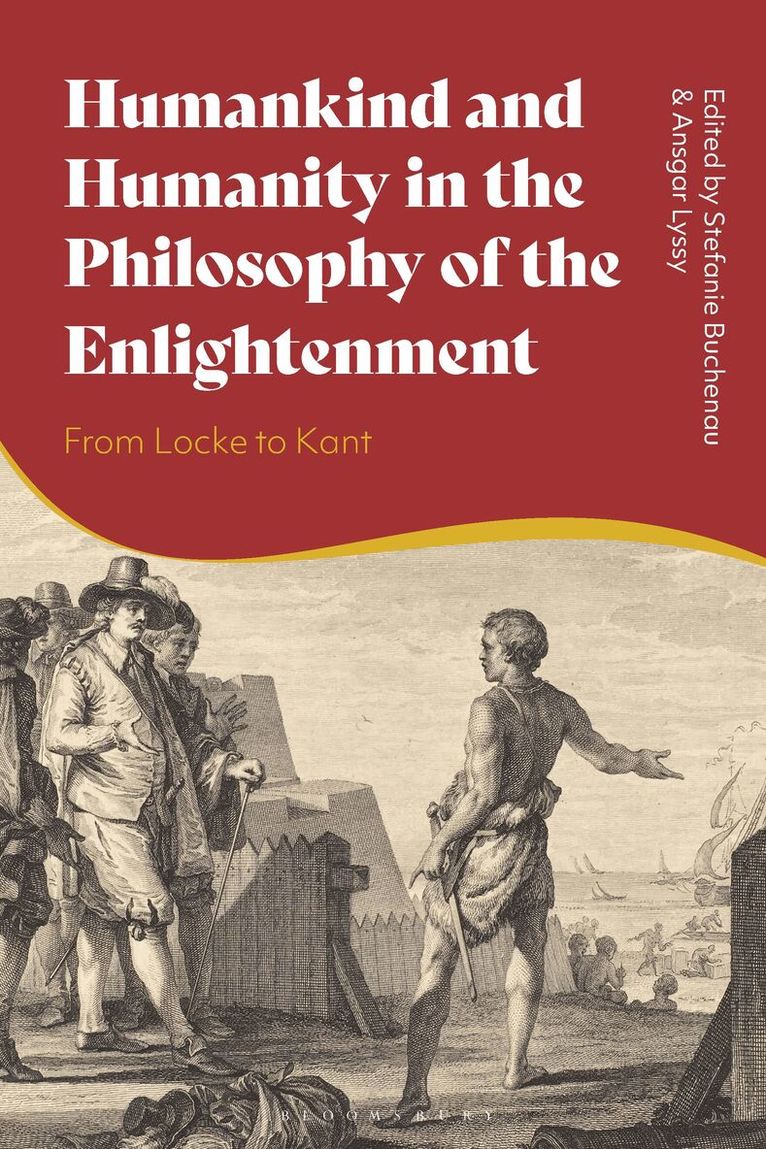
Humankind and Humanity in the Philosophy of the Enlightenment
From Locke to Kant
Av Stefanie Buchenau, Ansgar Lyssy
Häftad, 2025
415 kr
Lägg i varukorg
What makes us human beings? Is it merely some corporeal aspect, or rather some specific mental capacity, language, or some form of moral agency or social life? Is there a gendered bias within the concept of humanity? How do human beings become more human, and can we somehow cease to be human? This …
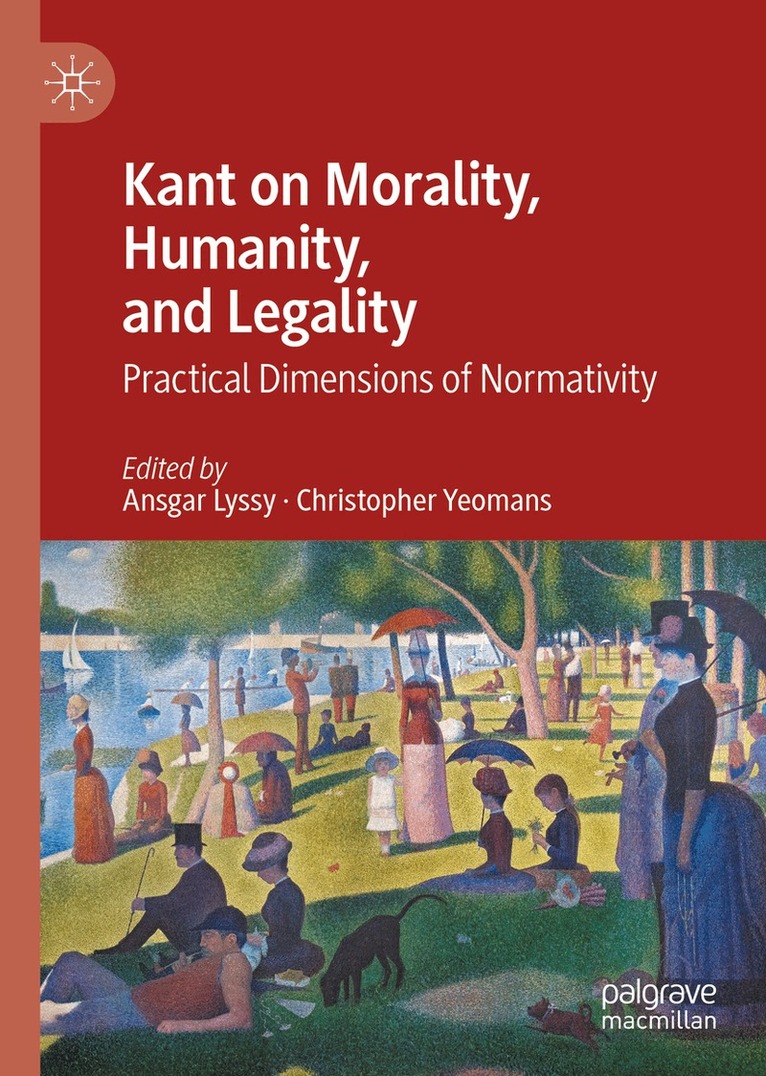
Kant on Morality, Humanity, and Legality
Practical Dimensions of Normativity
Av Ansgar Lyssy, Christopher Yeomans
Inbunden, 2020
1316 kr
Lägg i varukorg
It was not so long ago that the dominant picture of Kant’s practical philosophy was formalistic, focusing almost exclusively on his Groundwork of the Metaphysics of Morals and Critique of Practical Reason. However, the overall picture of Kant’s wide-ranging philosophy has since been broadened and …
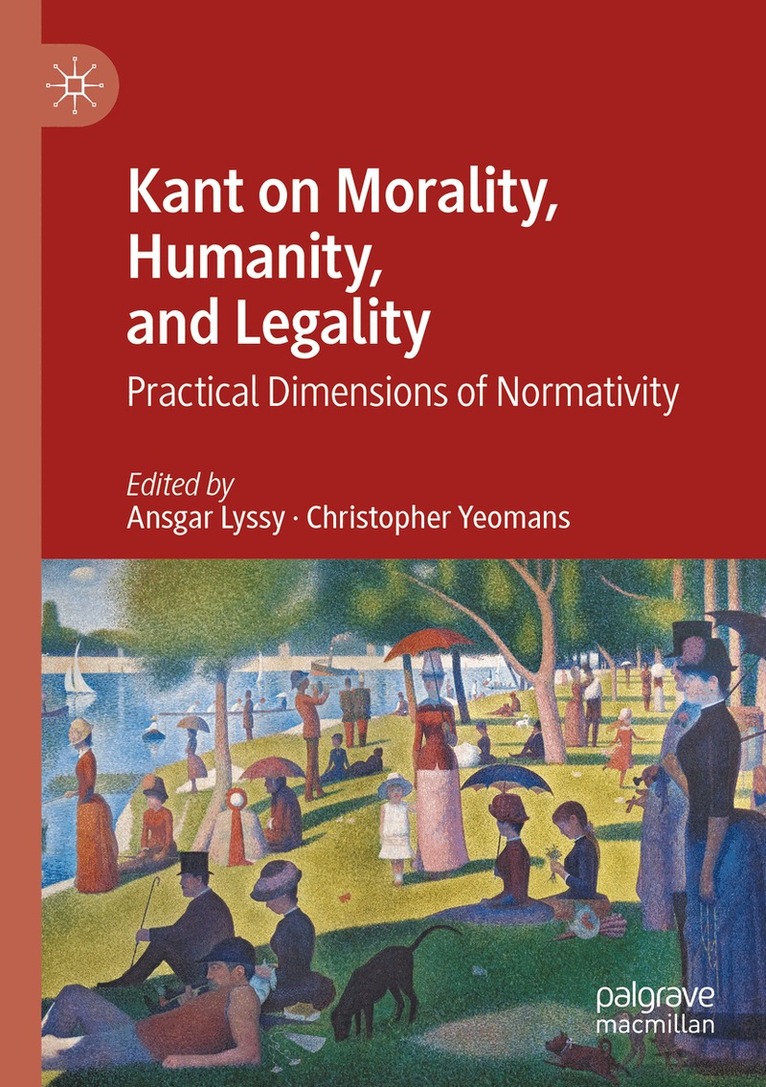
Kant on Morality, Humanity, and Legality
Practical Dimensions of Normativity
Av Christopher Yeomans, Ansgar Lyssy
E-bok, 2020
1785 kr
Lägg i varukorg
It was not so long ago that the dominant picture of Kant’s practical philosophy was formalistic, focusing almost exclusively on his Groundwork of the Metaphysics of Morals and Critique of Practical Reason . However, the overall picture of Kant’s wide-ranging philosophy has since been broadened and …
Kant on Morality, Humanity, and Legality
Practical Dimensions of Normativity
Av Ansgar Lyssy, Christopher Yeomans
Häftad, 2021
1316 kr
Lägg i varukorg
It was not so long ago that the dominant picture of Kant’s practical philosophy was formalistic, focusing almost exclusively on his Groundwork of the Metaphysics of Morals and Critique of Practical Reason. However, the overall picture of Kant’s wide-ranging philosophy has since been broadened and …
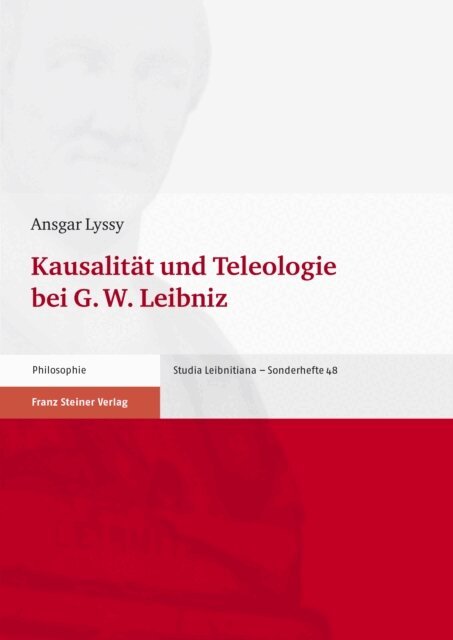
Kausalität und Teleologie bei G. W. Leibniz
Av Ansgar Lyssy
E-bok, 2016
828 kr
Lägg i varukorg
Kausalität und Teleologie sind zentrale Begriffe in der Philosophie von G. W. Leibniz (1646–1716). Leibniz betont immer wieder, dass das Weltgeschehen zugleich kausal und final bestimmt ist. In epistemologischer Hinsicht bedeutet dies, dass jedes Ereignis sowohl aus seiner Ursache als auch aus …
Geist Und Wissenschaft
Interdisziplinaere Ansaetze Zur Bewusstseinsproblematik
Av Ansgar Lyssy
Häftad, 2009
403 kr
Tillfälligt slut
Können die Neurowissenschaften das Bewusstsein erforschen? Wie muss der Zusammenhang zwischen Geist und Gehirn verstanden werden? Dieser Sammelband reflektiert Aspekte der aktuellen spannungsreichen Diskussion zwischen Philosophie, Neuro- und Biowissenschaften und gibt einen interdisziplinären …