Giovanni Pietro Basile – författare
2 179 kr
Skickas inom 10-15 vardagar
1 968 kr
Skickas inom 10-15 vardagar
595 kr
Skickas inom 10-15 vardagar
682 kr
Läs direkt efter köp
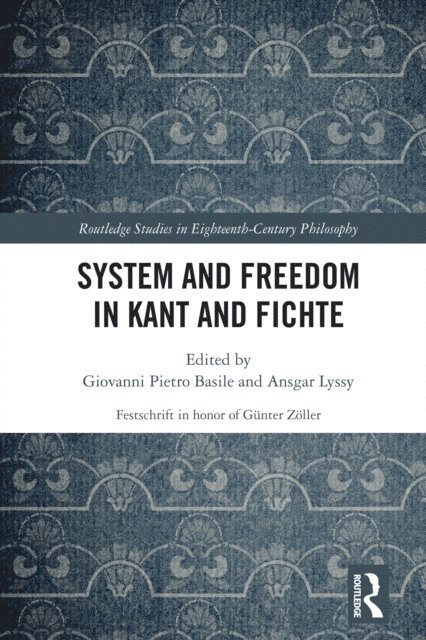
This book investigates various aspects of freedom as developed in the philosophical systems of Kant and Fichte.
Freedom, both Kant and Fichte insist, does not mean that we can choose or think independently from all rules or necessity, but rather that we willingly accept a certain kind of submission under these rules. Therefore, the conditions of our knowledge affect and inform our self-understanding, our willing, and the ways we justify our practical choices. The essays in this volume explore both philosophers’ conceptions of human freedom as they relate to art, history, politics, and religion. They reveal how integrating freedom into a system of thought is crucial for our understanding of modern philosophy.
System and Freedom in Kant and Fichte will be of interest to scholars and advanced students working on Kant, modern philosophy, and German Studies.
688 kr
Läs direkt efter köp
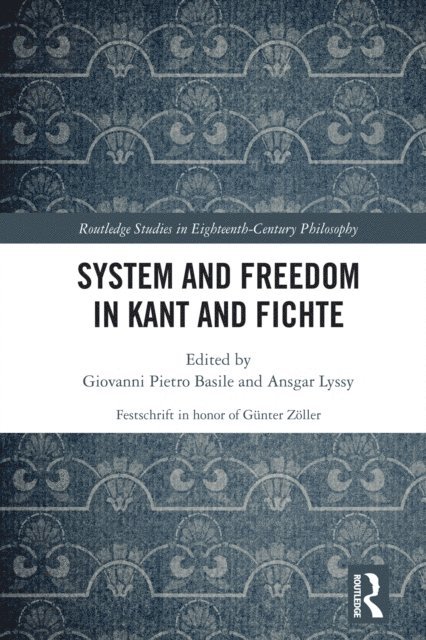
This book investigates various aspects of freedom as developed in the philosophical systems of Kant and Fichte.
Freedom, both Kant and Fichte insist, does not mean that we can choose or think independently from all rules or necessity, but rather that we willingly accept a certain kind of submission under these rules. Therefore, the conditions of our knowledge affect and inform our self-understanding, our willing, and the ways we justify our practical choices. The essays in this volume explore both philosophers’ conceptions of human freedom as they relate to art, history, politics, and religion. They reveal how integrating freedom into a system of thought is crucial for our understanding of modern philosophy.
System and Freedom in Kant and Fichte will be of interest to scholars and advanced students working on Kant, modern philosophy, and German Studies.
682 kr
Läs direkt efter köp
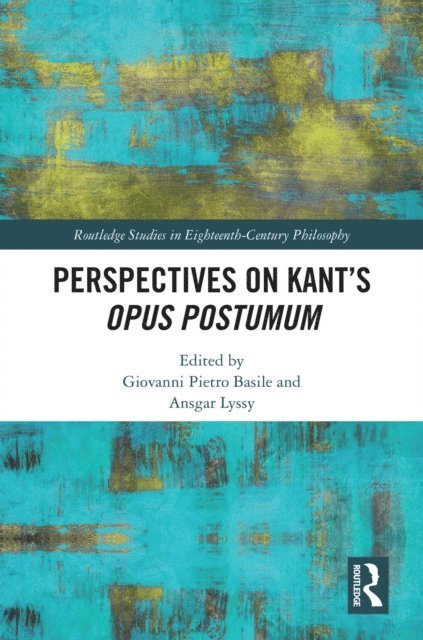
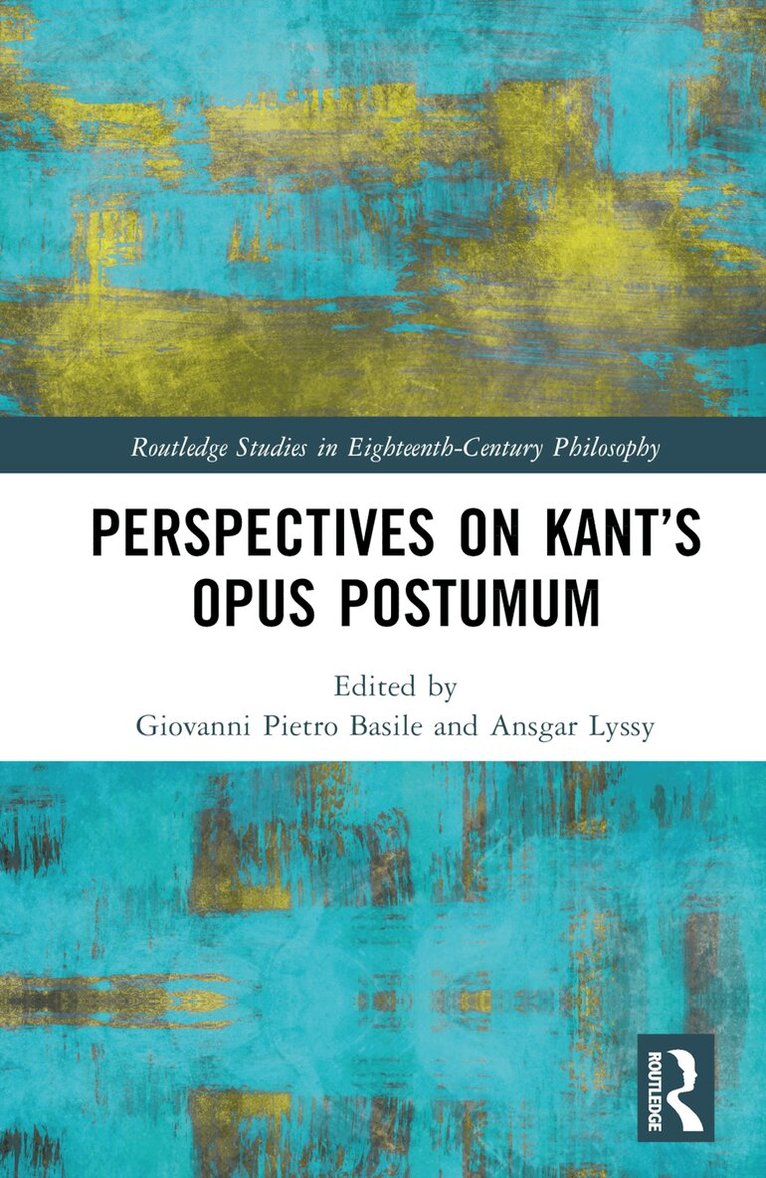
This book offers new perspectives on the theoretical elements of the Opus postumum (OP), Kant’s project of a final work which remained unknown until eighty years after his death. The contributors read the OP as a central work in establishing the relation between Kant’s transcendental philosophy, his natural philosophy, practical philosophy, philosophy of religion, metaphysics, and his broader epistemology.
Interpreting the OP is an important task because it helps reveal how Kant himself tried to correct and develop his critical philosophy. It also sheds light on the foundational role of the three Critiques for other philosophical inquiries, as well as the unified philosophical system that Kant sought to establish. The chapters in this volume address a range of topics relevant to the epistemological and theoretical problems raised in the OP, including the transition from the Metaphysical Foundations of Natural Science to physics as an answer to a deficiency in critical thought; the notion of ether and, more specifically, its transcendental deduction; self-affection and the self-positing of the subject; and the idea of God and the system of ideas in the highest standpoint of transcendental philosophy.
Perspectives on Kant’s Opus postumum will be of interest to upper-level students and scholars working on Kant.
682 kr
Läs direkt efter köp
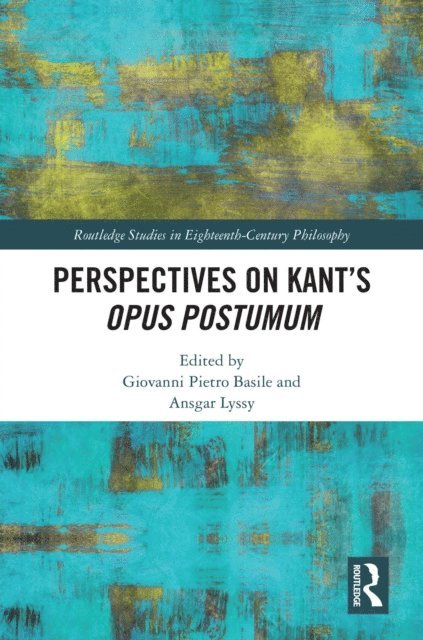
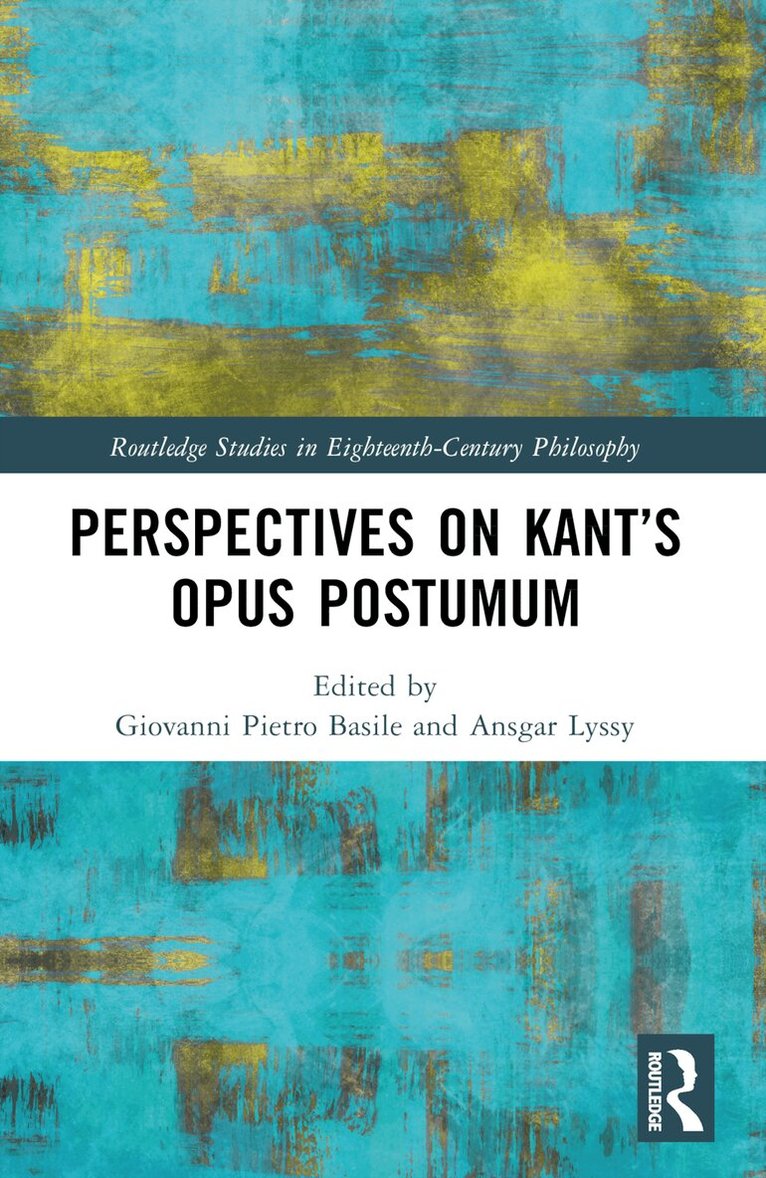
This book offers new perspectives on the theoretical elements of the Opus postumum (OP), Kant’s project of a final work which remained unknown until eighty years after his death. The contributors read the OP as a central work in establishing the relation between Kant’s transcendental philosophy, his natural philosophy, practical philosophy, philosophy of religion, metaphysics, and his broader epistemology.
Interpreting the OP is an important task because it helps reveal how Kant himself tried to correct and develop his critical philosophy. It also sheds light on the foundational role of the three Critiques for other philosophical inquiries, as well as the unified philosophical system that Kant sought to establish. The chapters in this volume address a range of topics relevant to the epistemological and theoretical problems raised in the OP, including the transition from the Metaphysical Foundations of Natural Science to physics as an answer to a deficiency in critical thought; the notion of ether and, more specifically, its transcendental deduction; self-affection and the self-positing of the subject; and the idea of God and the system of ideas in the highest standpoint of transcendental philosophy.
Perspectives on Kant’s Opus postumum will be of interest to upper-level students and scholars working on Kant.
595 kr
Skickas inom 10-15 vardagar
Kants Opus postumum und seine Rezeption
2 175 kr
Skickas inom 5-8 vardagar
2 217 kr
Läs direkt efter köp
Diese Arbeit bietet eine Darstellung und kritische Diskussion der Wirkungsgeschichte von Kants Opus postumum. Kants anfängliche Auseinandersetzung mit der Problematik des Übergangs von den Metaphysischen Anfangsgründen der Naturwissenschaft zur Physik entwickelt sich derart, dass er es für erforderlich erachtet, zunehmend auf die entscheidenden Fragen der kritischen Philosophie zurückzugreifen. Die Untersuchungen im Opus postumum liefern keine definitiven Ergebnisse, und Kants spätes Denken lässt sich umso mehr nur rekonstruierend begreifen, als es in den hinterlassenen Entwürfen bloß unvollständig angedeutet wird. Das Opus postumum zu interpretieren, heißt deshalb aufzuklären, ob Kant, wenn auch nur implizit und indirekt, den früheren Transzendentalismus aufgibt, um sich an einem subjektiven Idealismus à la Fichte bzw. einem objektiven Idealismus à la Schelling auszurichten, oder ob, vielmehr das Opus postumum eine kohärente Entwicklung der kritischen Grundlegung der Philosophie bietet. Der rote Faden der hier vorgelegten Studie ist die Rekonstruktion der Dialektik zwischen den Vertretern der beiden hermeneutischen Standpunkte, getragen von der Überzeugung, dass Kant bis zuletzt die Begrenztheit des menschlichen Geistes vertritt.