Christos Hadjiyiannis – författare
Visar alla böcker från författaren Christos Hadjiyiannis. Handla med fri frakt och snabb leverans.
10 produkter
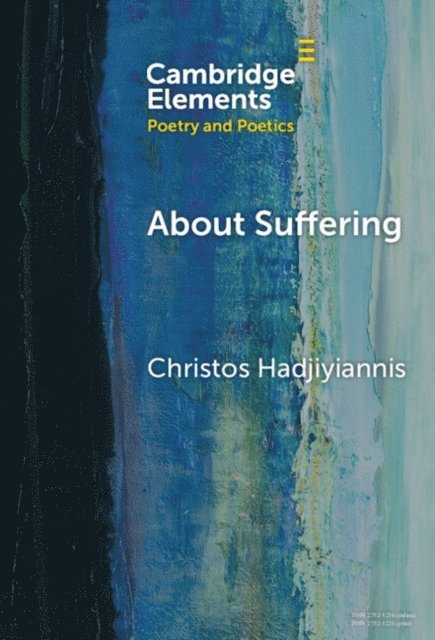
About Suffering
On Louise Glück
Häftad, 2025
347 kr
Lägg i varukorg
Poetry has always courted suffering. Poets sing their suffering, we've been told, and there can be no poetry without suffering. Louise Glück wasn't too sure about that. Suffering features centrally in her poetry and she discussed its role in poetry in her critical writing, where she often retained …
About Suffering
On Louise Glück
Inbunden, 2025
1048 kr
Lägg i varukorg
Poetry has always courted suffering. Poets sing their suffering, we've been told, and there can be no poetry without suffering. Louise Glück wasn't too sure about that. Suffering features centrally in her poetry and she discussed its role in poetry in her critical writing, where she often retained …
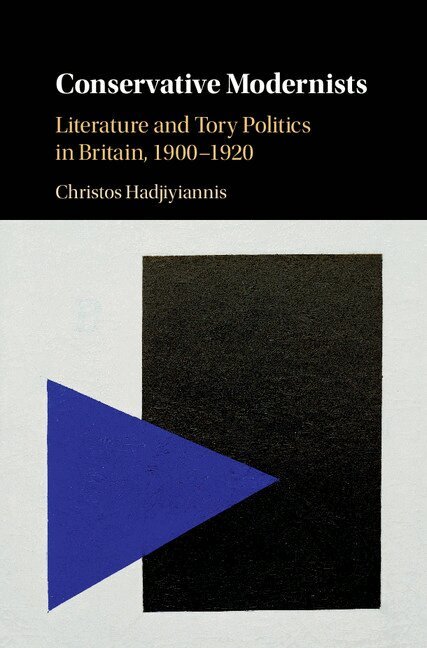
Conservative Modernists
Literature and Tory Politics in Britain, 1900-1920
Inbunden, 2018
1740 kr
Lägg i varukorg
Despite sustained scholarly interest in the politics of modernism, astonishingly little attention has been paid to its relationship to Conservatism. Yet modernist writing was imbricated with Tory rhetoric and ideology from when it emerged in the Edwardian era. By investigating the many …
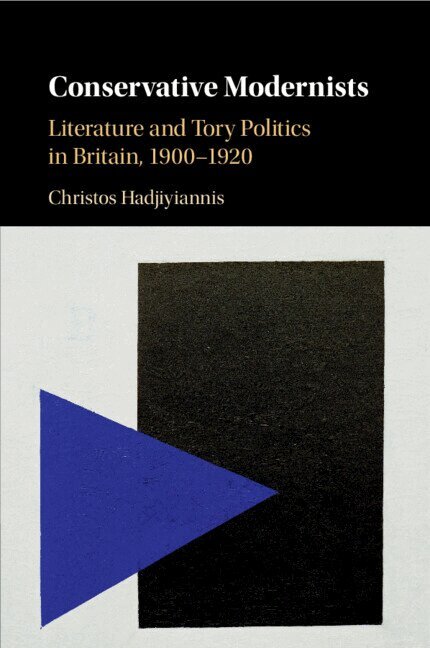
Conservative Modernists
Literature and Tory Politics in Britain, 1900-1920
Häftad, 2026
567 kr
Lägg i varukorg
Despite sustained scholarly interest in the politics of modernism, astonishingly little attention has been paid to its relationship to Conservatism. Yet modernist writing was imbricated with Tory rhetoric and ideology from when it emerged in the Edwardian era. By investigating the many …
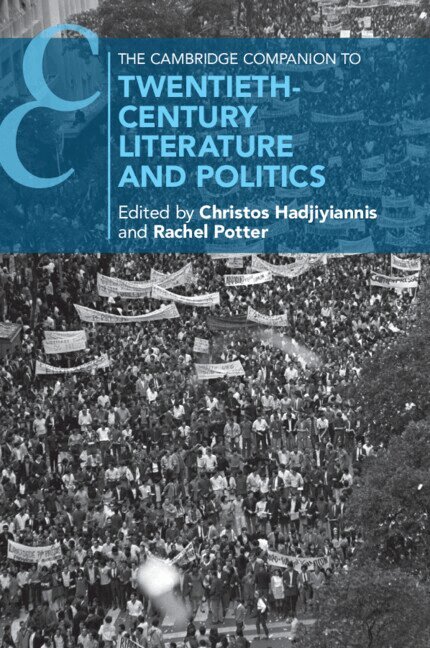
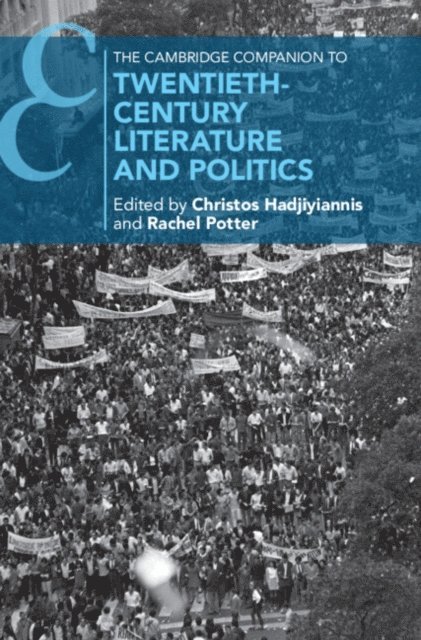
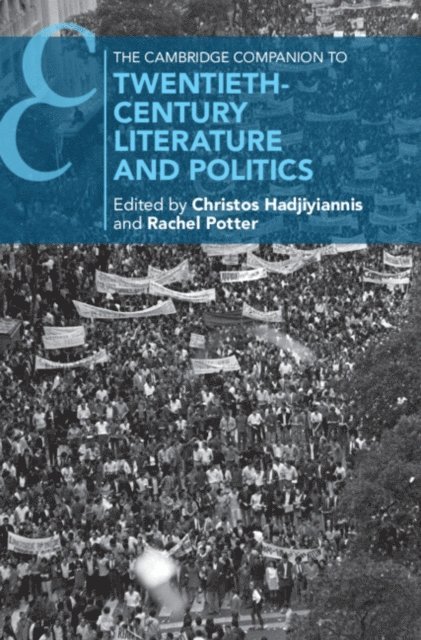
The Cambridge Companion to Twentieth-Century Literature and Politics
Av Christos Hadjiyiannis, Rachel Potter
Häftad, 2022
486 kr
Lägg i varukorg
For a long time, people had been schooled to think of modern literature's relationship to politics as indirect or obscure, and often to find the politics of literature deep within its unconsciously ideological structures and forms. But twentieth-century writers were directly involved in political …
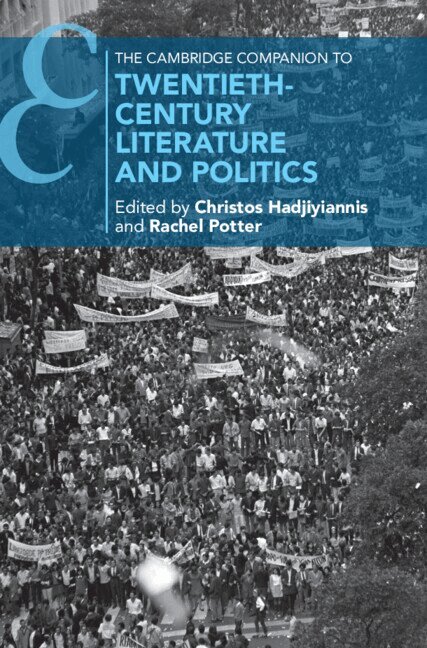
The Cambridge Companion to Twentieth-Century Literature and Politics
Av Christos Hadjiyiannis, Rachel Potter
Inbunden, 2022
1347 kr
Lägg i varukorg
For a long time, people had been schooled to think of modern literature's relationship to politics as indirect or obscure, and often to find the politics of literature deep within its unconsciously ideological structures and forms. But twentieth-century writers were directly involved in political …
Cambridge Companion to Twentieth-Century Literature and Politics
Av Rachel Potter, Christos Hadjiyiannis
E-bok, 2022
469 kr
Lägg i varukorg
For a long time, people had been schooled to think of modern literature''s relationship to politics as indirect or obscure, and often to find the politics of literature deep within its unconsciously ideological structures and forms. But twentieth-century writers were directly involved in political …
Cambridge Companion to Twentieth-Century Literature and Politics
Av Rachel Potter, Christos Hadjiyiannis
E-bok, 2022
459 kr
Lägg i varukorg
For a long time, people had been schooled to think of modern literature''s relationship to politics as indirect or obscure, and often to find the politics of literature deep within its unconsciously ideological structures and forms. But twentieth-century writers were directly involved in political …