Claire Wintle - Böcker
Visar alla böcker från författaren Claire Wintle. Handla med fri frakt och snabb leverans.
6 produkter
6 produkter
Del 135 - Studies in Imperialism
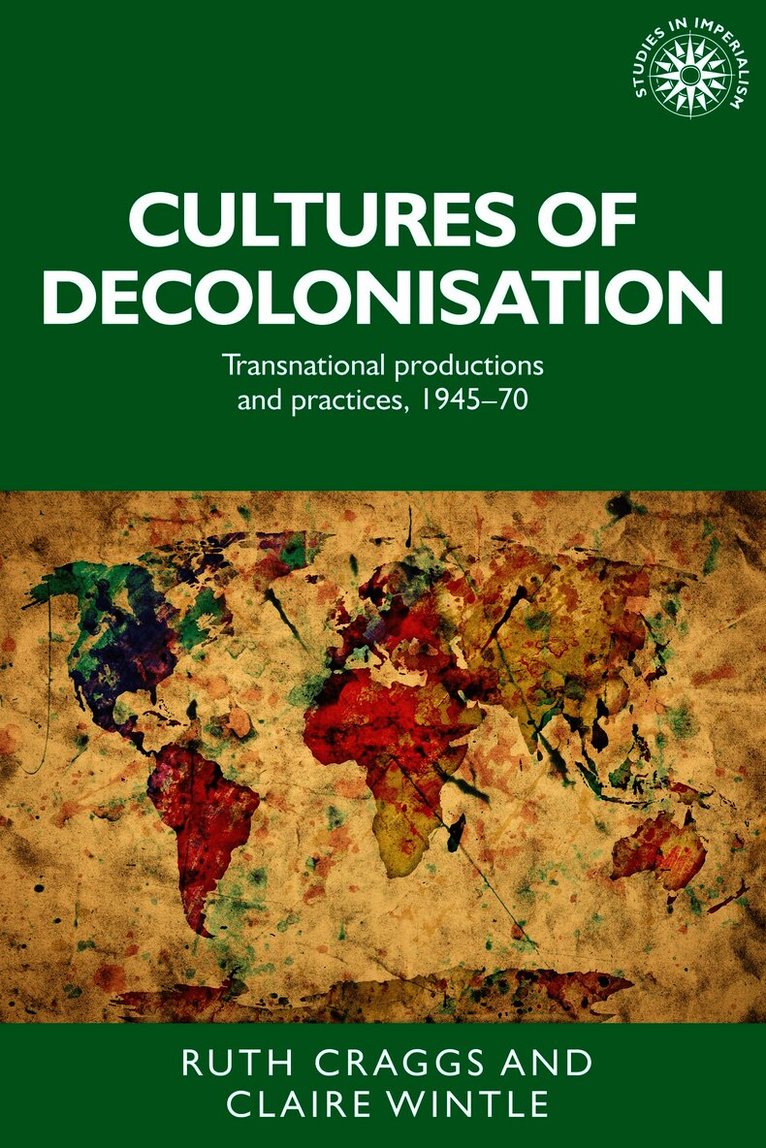
Cultures of decolonisation
Transnational productions and practices, 194570
Inbunden, Engelska, 2016
1 271 kr
Skickas inom 5-8 vardagar
Cultures of decolonisation combines studies of visual, literary and material cultures in order to explore the complexities of the 'end of empire' as a process. Where other accounts focus on high politics and constitutional reform, this volume reveals the diverse ways in which cultures contributed to wider political, economic and social change. This book demonstrates the transnational character of decolonisation, thereby illustrating the value of comparison - between different cultural forms and diverse places - in understanding the nature of this wide-reaching geopolitical change. Individual chapters focus on architecture, theatre, museums, heritage sites, fine art and interior design, alongside institutions such as artists' groups, language agencies and the Royal Mint, across Africa, Asia, the Caribbean and Europe. Offering a range of disciplinary perspectives, these contributions provide revealing case studies for those researching decolonisation across the humanities and social sciences.
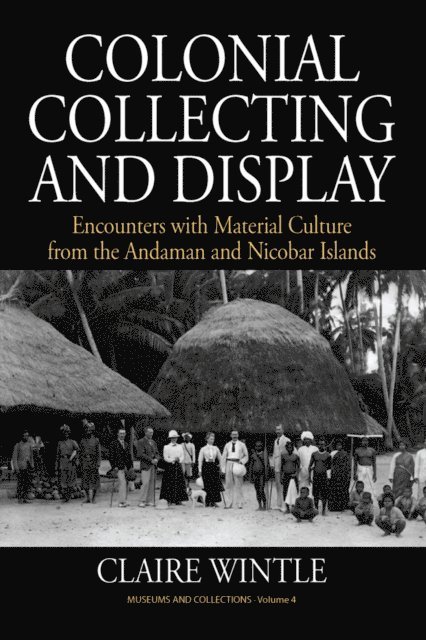
Colonial Collecting and Display
Encounters with Material Culture from the Andaman and Nicobar Islands
Inbunden, Engelska, 2013
1 928 kr
Skickas inom 3-6 vardagar
In the late-nineteenth century, British travelers to the Andaman and Nicobar Islands compiled wide-ranging collections of material culture for scientific instruction and personal satisfaction. Colonial Collecting and Display follows the compelling history of a particular set of such objects, tracing their physical and conceptual transformation from objects of indigenous use to accessioned objects in a museum collection in the south of England. This first study dedicated to the historical collecting and display of the Islands' material cultures develops a new analysis of colonial discourse, using a material culture-led approach to reconceptualize imperial relationships between Andamanese, Nicobarese, and British communities, both in the Bay of Bengal and on British soil. It critiques established conceptions of the act of collecting, arguing for recognition of how indigenous makers and consumers impacted upon "British" collection practices, and querying the notion of a homogenous British approach to material culture from the Andaman and Nicobar Islands.
571 kr
Skickas inom 10-15 vardagar
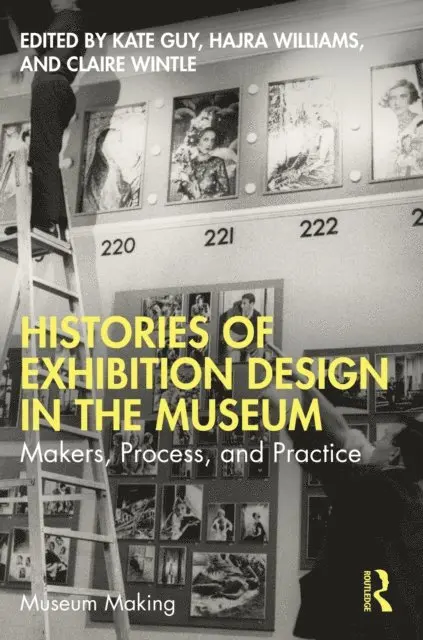
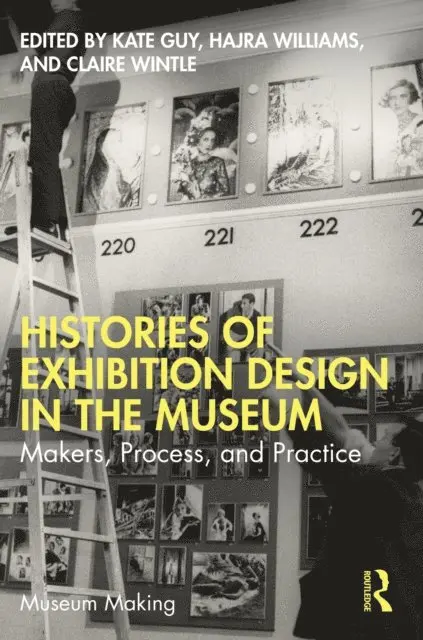
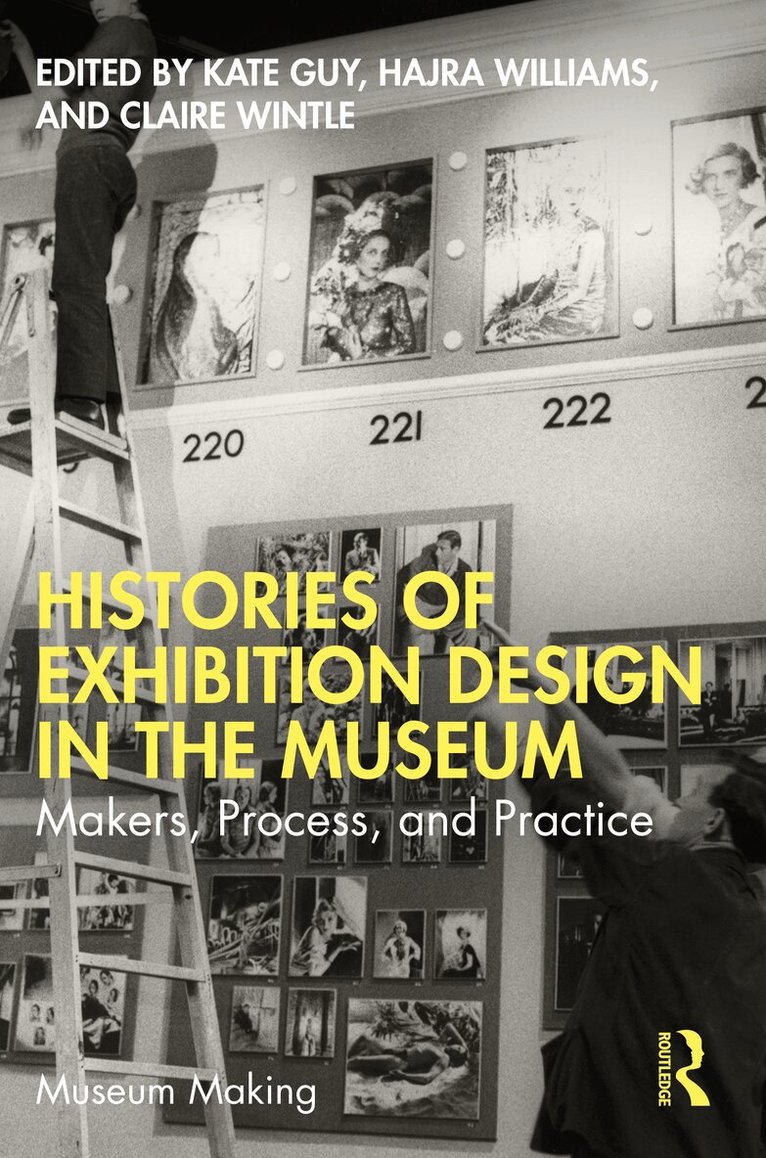
Histories of Exhibition Design in the Museum: Makers, Process, and Practice offers a new model for understanding exhibition design in museums as a human and material process. It presents diverse case studies from around the world, from the nineteenth century to the recent past.It moves beyond the power of the finished exhibition over both objects and visitors to highlight historic exhibition making as an ongoing task of adaptation, experimentation, and interaction that involves intellectual, creative, and technical choices. Attentive to hierarchies of ethnicity, race, class, gender, sexuality, and ableism that have informed exhibition design and its histories, the volume highlights the labour involved in making museum exhibitions. It presents design as filled with personal and professional demands on the body, senses, and emotions. Contributions from historians, anthropologists, and exhibition makers focus on histories of identity, collaboration, and hierarchy ‘behind the scenes’ of the museum. They argue for an emphasis on the everyday objects of museum design and the importance of a diverse range of actors within and beyond the museum, from carpenters and label writers to volunteers and local communities. Histories of Exhibition Design in the Museum offers scholars, students, and professionals working across the museum and design sectors insight into how past methods still influence museums today. Through a postcolonial and decolonial lens, it reveals the lineage of current processes and supports a more informed contemporary practice.
2 068 kr
Skickas inom 10-15 vardagar
Histories of Exhibition Design in the Museum: Makers, Process, and Practice offers a new model for understanding exhibition design in museums as a human and material process. It presents diverse case studies from around the world, from the nineteenth century to the recent past.It moves beyond the power of the finished exhibition over both objects and visitors to highlight historic exhibition making as an ongoing task of adaptation, experimentation, and interaction that involves intellectual, creative, and technical choices. Attentive to hierarchies of ethnicity, race, class, gender, sexuality, and ableism that have informed exhibition design and its histories, the volume highlights the labour involved in making museum exhibitions. It presents design as filled with personal and professional demands on the body, senses, and emotions. Contributions from historians, anthropologists, and exhibition makers focus on histories of identity, collaboration, and hierarchy ‘behind the scenes’ of the museum. They argue for an emphasis on the everyday objects of museum design and the importance of a diverse range of actors within and beyond the museum, from carpenters and label writers to volunteers and local communities. Histories of Exhibition Design in the Museum offers scholars, students, and professionals working across the museum and design sectors insight into how past methods still influence museums today. Through a postcolonial and decolonial lens, it reveals the lineage of current processes and supports a more informed contemporary practice.
Del 135 - Studies in Imperialism
Cultures of Decolonisation
Transnational Productions and Practices, 1945–70
Häftad, Engelska, 2018
434 kr
Skickas inom 5-8 vardagar
Cultures of decolonisation combines studies of visual, literary and material cultures in order to explore the complexities of the ‘end of empire’ as a process. Where other accounts focus on high politics and constitutional reform, this volume reveals the diverse ways in which cultures contributed to wider political, economic and social change.The book demonstrates the transnational character of decolonisation, thereby illustrating the value of comparison – between different cultural forms and diverse places – in understanding the nature of this wide-reaching geopolitical change. Individual chapters focus on architecture, theatre, museums, heritage sites, fine art and interior design, alongside institutions such as artists’ groups, language agencies and the Royal Mint, across Africa, Asia, the Caribbean and Europe.
606 kr
Kommande
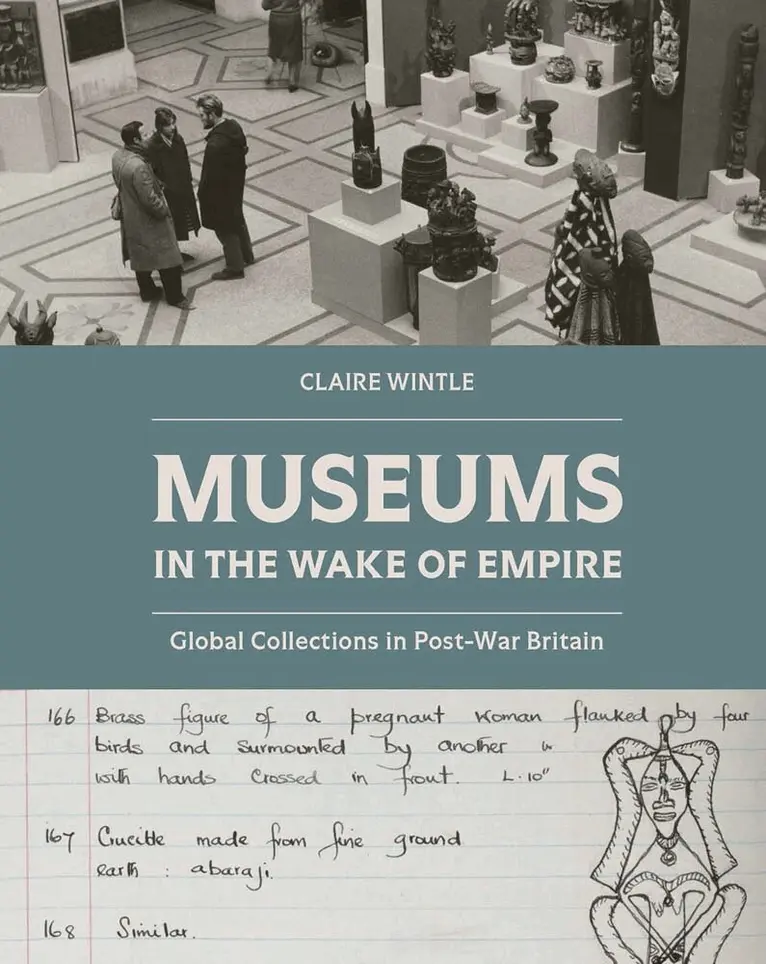
A history of museums entangled in empire and the unfinished work of decolonisationMuseums in the Wake of Empire is the first nation-wide study of how British museums engaged with cultural heritage from Africa, Asia, Oceania and the Indigenous Americas between 1945 and 1980. Challenging notions of institutional stagnation, the book uncovers a dynamic, politically charged era in which museum professionals navigated the shifting terrain of professionalisation, decolonisation, imperialism and its afterlives.Drawing on extensive archival research, newly recorded oral histories and visual culture analysis, the book examines how museum professionals – including curators, conservators, designers and technicians – shaped practices of acquisition, disposal, conservation, documentation, storage and display. Focusing on institutions ranging from national and regional museums to university and independent collections, it reveals how these practices intersected with global political change, disciplinary shifts in anthropology and art history, and the material pressures of imperial collections.The book’s distinctive contribution lies in its focus on museum labour and the everyday realities of curatorial work. It shows how post-war museum work trialled many practices now associated with progressive museum practice – repatriation, collaborative exhibitions and open storage were practiced decades earlier than commonly assumed. Yet these efforts frequently reproduced colonial structures, revealing the complexities of institutional change and the risks that still haunt contemporary museum practice.