
Clayton Roberts – författare
541 kr
Skickas inom 5-8 vardagar
644 kr
Skickas inom 7-10 vardagar
1 316 kr
Läs direkt efter köp
The seventh edition of this two-volume narrative of English history draws on the most up-to-date primary and secondary research, encouraging students to interpret the full range of England''s social, economic, cultural, and political past from its first inhabitants to the 2020s.
A History of England, Volume 1: Prehistory to 1714 focuses on the key social, economic, cultural, environmental, intellectual, and political events and themes of English history up to the early eighteenth century. Topics include the Viking and Norman conquests of the eleventh century, the creation of the monarchy, the Reformation, and the Glorious Revolution of 1688. The text discusses events in Scotland, Wales, and Ireland as they affected developments in England. There is a new section dealing with the decline of belief in witchcraft.
This book is essential introductory reading for students of the history of England and Britain.
1 316 kr
Läs direkt efter köp
The seventh edition of this two-volume narrative of English history draws on the most up-to-date primary and secondary research, encouraging students to interpret the full range of England''s social, economic, cultural, and political past from its first inhabitants to the 2020s.
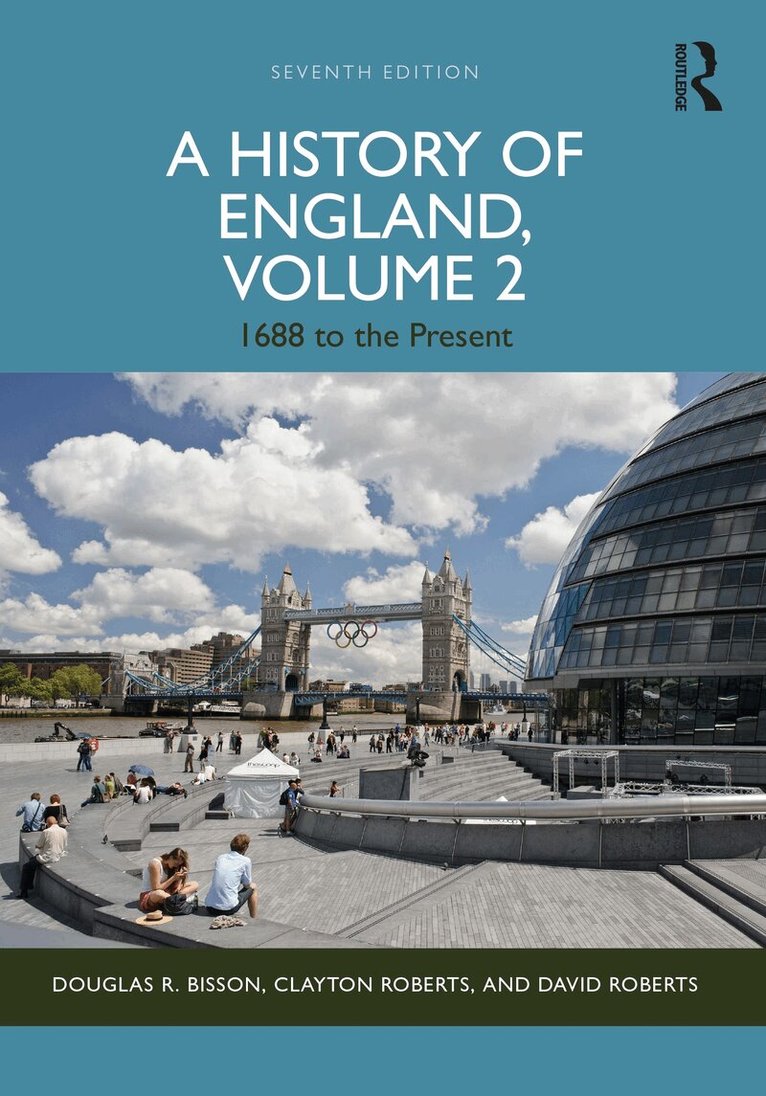
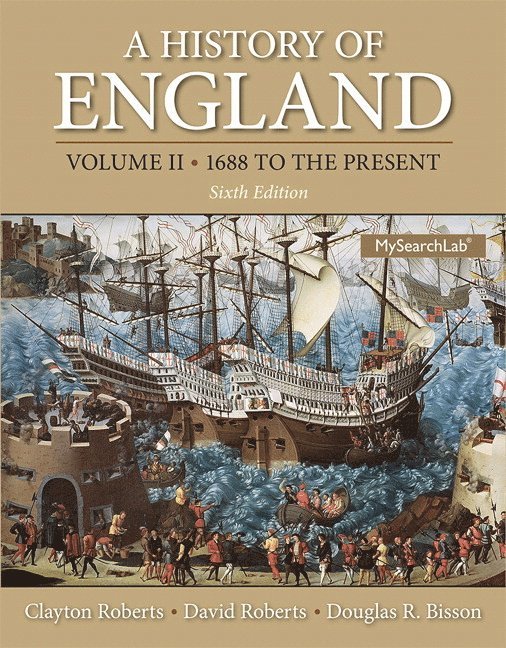
A History of England, Volume 2: 1688 to the Present focuses on the key social, economic, cultural, environmental, intellectual, and political events and themes of English history since 1688. Topics include Britain''s emergence as a great power in the eighteenth century, the American War for Independence, the Industrial Revolution, and the economic crisis of the 1970s. The text discusses events in Scotland, Wales, and Ireland as they affected developments in England. The second volume features an in-depth treatment of the origins and course of the First and Second World Wars and provides an updated analysis of developments since 2012, including an account of Britain’s withdrawal from the European Union; the resignations of David Cameron, Boris Johnson, and Liz Truss as prime minister; the selection of Rishi Sunak as the nation’s first British Asian prime minister; and a discussion of the 2015, 2017, and 2019 elections.
This book is essential introductory reading for students of the history of England and Britain.
1 316 kr
Läs direkt efter köp
The seventh edition of this two-volume narrative of English history draws on the most up-to-date primary and secondary research, encouraging students to interpret the full range of England''s social, economic, cultural, and political past from its first inhabitants to the 2020s.
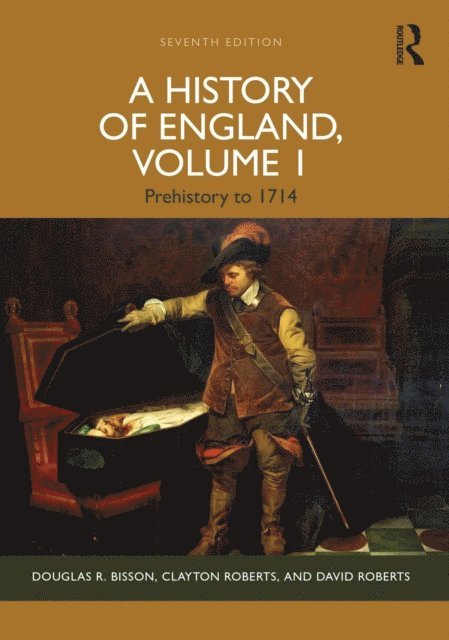
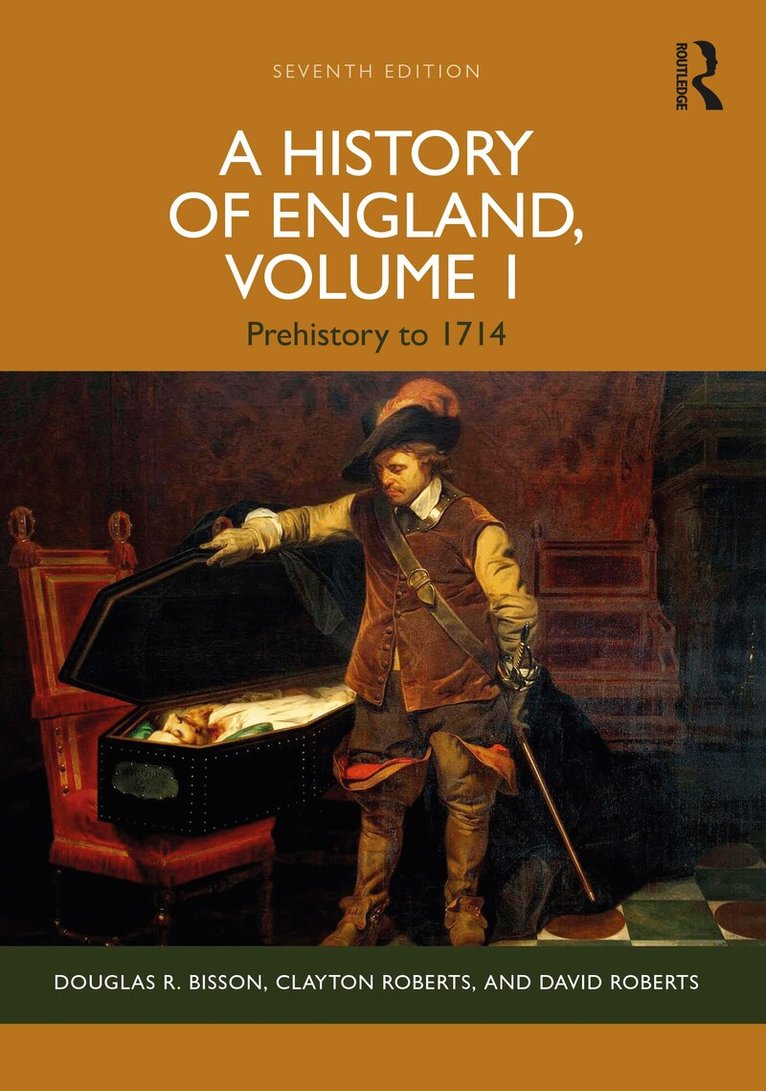
A History of England, Volume 1: Prehistory to 1714 focuses on the key social, economic, cultural, environmental, intellectual, and political events and themes of English history up to the early eighteenth century. Topics include the Viking and Norman conquests of the eleventh century, the creation of the monarchy, the Reformation, and the Glorious Revolution of 1688. The text discusses events in Scotland, Wales, and Ireland as they affected developments in England. There is a new section dealing with the decline of belief in witchcraft.
This book is essential introductory reading for students of the history of England and Britain.
1 316 kr
Läs direkt efter köp
The seventh edition of this two-volume narrative of English history draws on the most up-to-date primary and secondary research, encouraging students to interpret the full range of England''s social, economic, cultural, and political past from its first inhabitants to the 2020s.
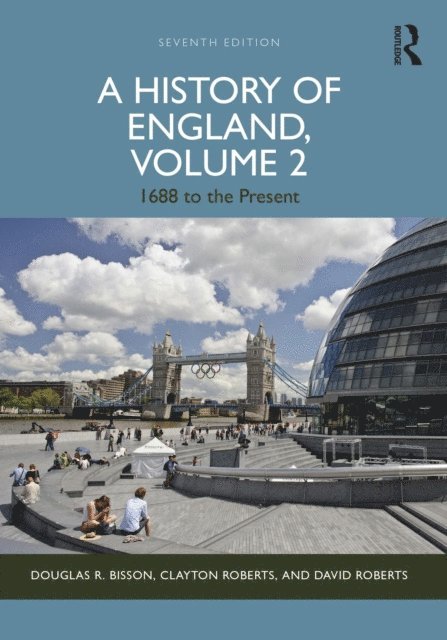
A History of England, Volume 2: 1688 to the Present focuses on the key social, economic, cultural, environmental, intellectual, and political events and themes of English history since 1688. Topics include Britain''s emergence as a great power in the eighteenth century, the American War for Independence, the Industrial Revolution, and the economic crisis of the 1970s. The text discusses events in Scotland, Wales, and Ireland as they affected developments in England. The second volume features an in-depth treatment of the origins and course of the First and Second World Wars and provides an updated analysis of developments since 2012, including an account of Britain’s withdrawal from the European Union; the resignations of David Cameron, Boris Johnson, and Liz Truss as prime minister; the selection of Rishi Sunak as the nation’s first British Asian prime minister; and a discussion of the 2015, 2017, and 2019 elections.
This book is essential introductory reading for students of the history of England and Britain.
2 770 kr
Skickas inom 10-15 vardagar
1 112 kr
Skickas inom 10-15 vardagar
1 112 kr
Skickas inom 10-15 vardagar
1 292 kr
Skickas inom 5-8 vardagar
1 360 kr
Tillfälligt slut

2 386 kr
Tillfälligt slut