
Häftad, Engelska, 2012
221 kr
Skickas inom 5-8 vardagar
221 kr
Skickas inom 5-8 vardagar
193 kr
Skickas
177 kr
Skickas inom 5-8 vardagar
163 kr
Läs direkt efter köp
189 kr
Skickas inom 5-8 vardagar
216 kr
Läs direkt efter köp
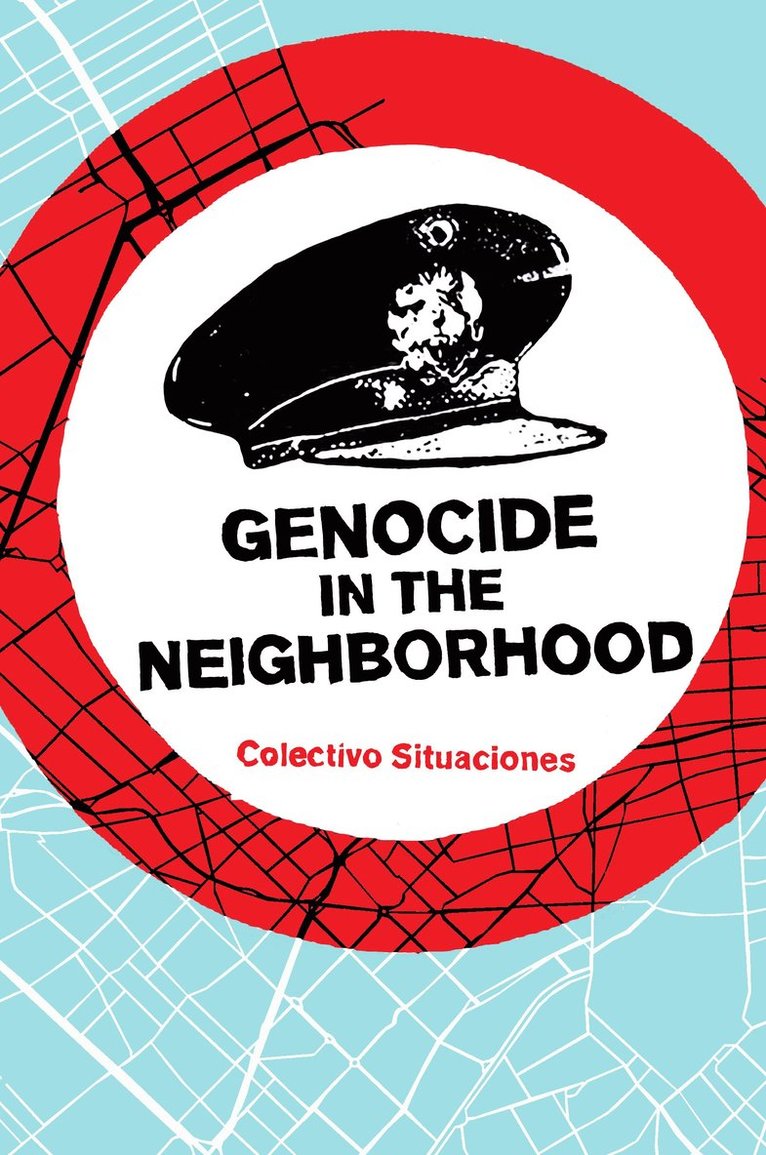
Another justice is possible. Genocide in the Neighborhood documents the theories, debates, successes, and failures of a rebellious tactic to build popular power and transformative justice.
Genocide in the Neighborhood explores the autonomist practice of the “escrache,” a series of public shamings that emerged in the late 1990s to honor the lives of those tens of thousands disappeared and exterminated under the Argentinean military dictatorship (1976 to 1983) and to protest the amnesty granted to perpetrators of state violence.
Through a series of hypotheses and two sets of interviews, Colectivo Situaciones highlights the theories, debates, successes, and failures of the escraches—those direct and decentralized ways to agitate for justice that Brian Whitener defines as “something between a march, an action or happening, and a public shaming."
Genocide in the Neighborhood also follows the popular Argentine uprising in 2001, a period of intense social unrest and political creativity that led to the collapse of government after government. The power that ordinary people developed for themselves in public space soon gave birth to a movement of neighborhoods organizing themselves into hundreds of popular assemblies across the country, while the unemployed took over streets and workers occupied factories.
These events marked a sea change, a before and an after for Argentina that has since resonated around the world. In its wake Genocide in the Neighborhood investigates the nature of rebellion, discusses the value of historical and cultural memory to resistance, and tactfully deploys a much-needed model of political resistance that has recently been given new life by feminist groups across Latin America organizing against patriarchal violence.