Columbia University Program on Forced Migration and Health at the Mailman School of Public Health – författare
Visar alla böcker från författaren Columbia University Program on Forced Migration and Health at the Mailman School of Public Health. Handla med fri frakt och snabb leverans.
11 produkter
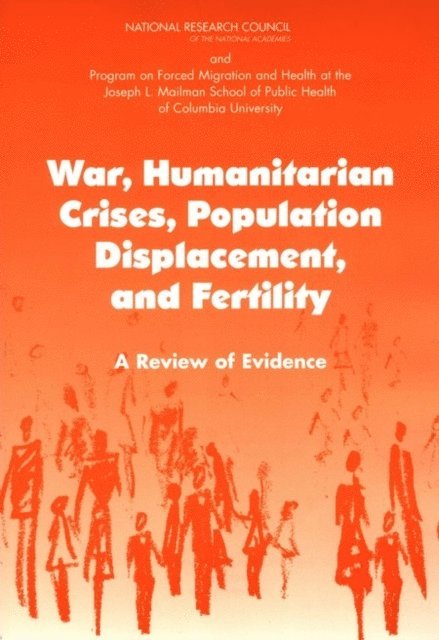
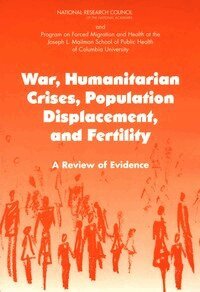
War, Humanitarian Crises, Population Displacement, and Fertility
A Review of Evidence
Av Kenneth Hill, Roundtable on the Demography of Forced Migration m. fl.
E-bok, 2004
416 kr
Lägg i varukorg
Fertility and reproductive health issues more broadly have tended to be of low priority in humanitarian crises. Public attention is drawn by information concerning the magnitude of refugee flows, of death tolls, and of numbers of injuries. Reproductive health has been regarded as a longer term …
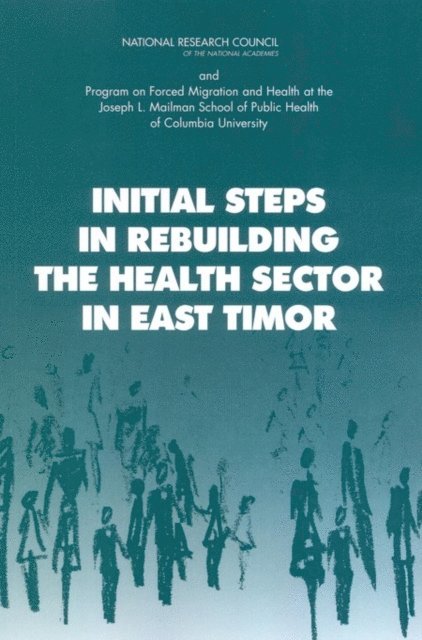
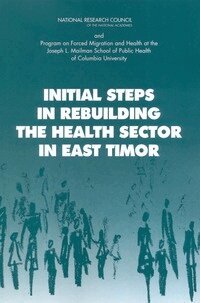
Initial Steps in Rebuilding the Health Sector in East Timor
Av Jim Tulloch, Fadia Saadah m. fl.
E-bok, 2003
407 kr
Lägg i varukorg
In May 2002 Timor Leste (East Timor) emerged as a new nation after centuries of foreign rule and decades of struggle for independence. Its birth was a painful one; a United Nations-brokered Popular Consultation in August 1999, in which an overwhelming majority of the people opted for independence, …
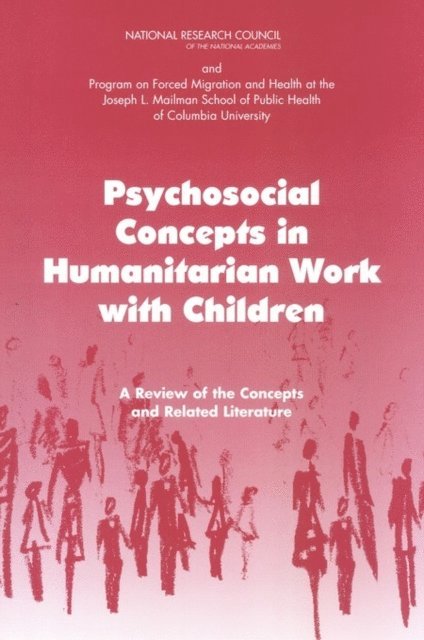
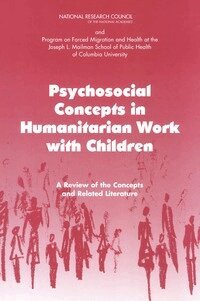
Psychosocial Concepts in Humanitarian Work with Children
A Review of the Concepts and Related Literature
Av Roundtable on the Demography of Forced Migration, Committee on Population m. fl.
E-bok, 2003
678 kr
Lägg i varukorg
This report is concerned with reviewing psychosocial concepts in research related to humanitarian work, with particular emphasis on research related to children affected by prolonged violence and armed conflict.
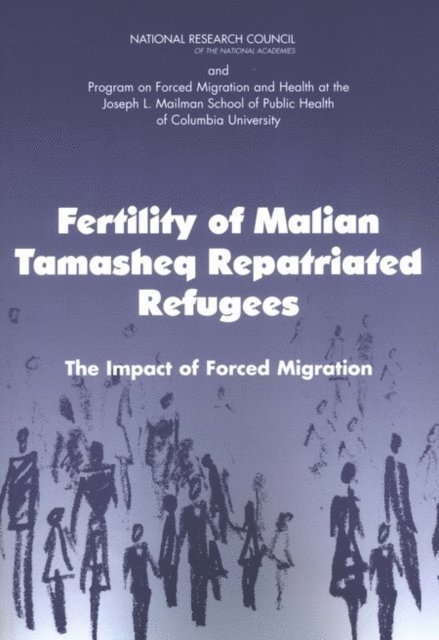
Fertility of Malian Tamasheq Repatriated Refugees
The Impact of Forced Migration
Av Sara Randall, Roundtable on the Demography of Forced Migration m. fl.
E-bok, 2004
416 kr
Lägg i varukorg
In Africa many of the refugee flows in recent years have had a strong ethnic dimension; interethnic conflict or conflict between politically powerful groups with minority populations is often an important aspect of whois forced to flee. In most cases the origins of conflict occur in a multiethnic …
Initial Steps in Rebuilding the Health Sector in East Timor
Av Jim Tulloch, Fadia Saadah m. fl.
E-bok, 2003
286 kr
Lägg i varukorg
In May 2002 Timor Leste (East Timor) emerged as a new nation after centuries of foreign rule and decades of struggle for independence. Its birth was a painful one; a United Nations-brokered Popular Consultation in August 1999, in which an overwhelming majority of the people opted for independence, …
Psychosocial Concepts in Humanitarian Work with Children
A Review of the Concepts and Related Literature
Av Roundtable on the Demography of Forced Migration, Committee on Population m. fl.
E-bok, 2003
471 kr
Lägg i varukorg
This report is concerned with reviewing psychosocial concepts in research related to humanitarian work, with particular emphasis on research related to children affected by prolonged violence and armed conflict.
Fertility of Malian Tamasheq Repatriated Refugees
The Impact of Forced Migration
Av Sara Randall, Roundtable on the Demography of Forced Migration m. fl.
E-bok, 2004
286 kr
Lägg i varukorg
In Africa many of the refugee flows in recent years have had a strong ethnic dimension; interethnic conflict or conflict between politically powerful groups with minority populations is often an important aspect of whois forced to flee. In most cases the origins of conflict occur in a multiethnic …
War, Humanitarian Crises, Population Displacement, and Fertility
A Review of Evidence
Av Kenneth Hill, Roundtable on the Demography of Forced Migration m. fl.
E-bok, 2004
278 kr
Lägg i varukorg
Fertility and reproductive health issues more broadly have tended to be of low priority in humanitarian crises. Public attention is drawn by information concerning the magnitude of refugee flows, of death tolls, and of numbers of injuries. Reproductive health has been regarded as a longer term …
Initial Steps in Rebuilding the Health Sector in East Timor
Av Columbia University Program on Forced Migration and Health at the Mailman School of Public Health, National Research Council m. fl.
Häftad, 2003
497 kr
Tillfälligt slut
In May 2002 Timor Leste (East Timor) emerged as a new nation after centuries of foreign rule and decades of struggle for independence. Its birth was a painful one; a United Nations-brokered Popular Consultation in August 1999, in which an overwhelming majority of the people opted for independence, …
Psychosocial Concepts in Humanitarian Work with Children
A Review of the Concepts and Related Literature
Av Columbia University Program on Forced Migration and Health at the Mailman School of Public Health, National Research Council m. fl.
Häftad, 2003
679 kr
Tillfälligt slut
This report is concerned with reviewing psychosocial concepts in research related to humanitarian work, with particular emphasis on research related to children affected by prolonged violence and armed conflict.
War, Humanitarian Crises, Population Displacement, and Fertility
A Review of Evidence
Av Columbia University Program on Forced Migration and Health at the Mailman School of Public Health, National Research Council m. fl.
Häftad, 2004
508 kr
Tillfälligt slut
Fertility and reproductive health issues more broadly have tended to be of low priority in humanitarian crises. Public attention is drawn by information concerning the magnitude of refugee flows, of death tolls, and of numbers of injuries. Reproductive health has been regarded as a longer term …