Comparative Research Programme on Povert - Böcker
Visar alla böcker från författaren Comparative Research Programme on Povert. Handla med fri frakt och snabb leverans.
2 produkter
2 produkter
394 kr
Skickas inom 10-15 vardagar
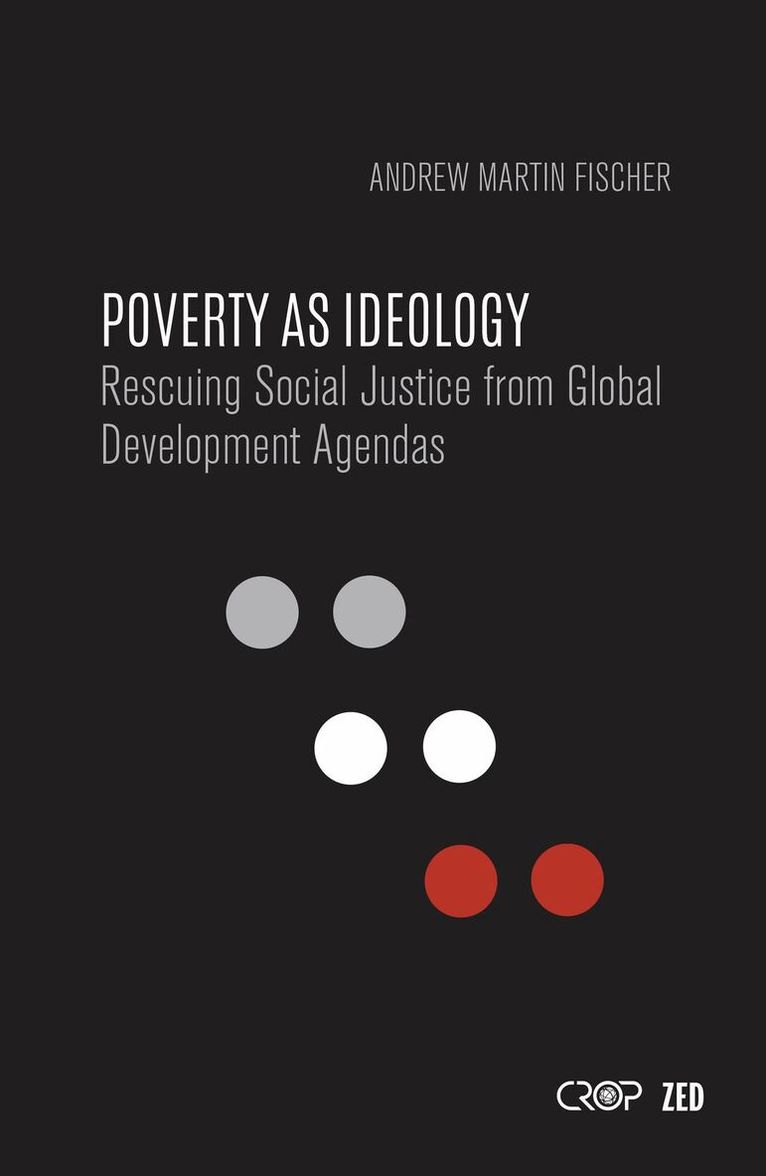
Winner of the International Studies in Poverty Prize awarded by the Comparative Research Programme on Poverty (CROP) and Zed Books.Poverty has become the central focus of global development efforts, with a vast body of research and funding dedicated to its alleviation. And yet, the field of poverty studies remains deeply ideological and has been used to justify wealth and power within the prevailing world order. Andrew Martin Fischer clarifies this deeply political character, from conceptions and measures of poverty through to their application as policies.Poverty as Ideology shows how our dominant approaches to poverty studies have, in fact, served to reinforce the prevailing neoliberal ideology while neglecting the wider interests of social justice that are fundamental to creating more equitable societies. Instead, our development policies have created a ‘poverty industry’ that obscures the dynamic reproductions of poverty within contemporary capitalist development and promotes segregation in the name of science and charity. Fischer argues that an effective and lasting solution to global poverty requires us to reorient our efforts away from current fixations on productivity and towards more equitable distributions of wealth and resources.This provocative work offers a radical new approach to understanding poverty based on a comprehensive and accessible critique of key concepts and research methods. It upends much of the received wisdom to provide an invaluable resource for students, teachers and researchers across the social sciences.
341 kr
Skickas inom 10-15 vardagar
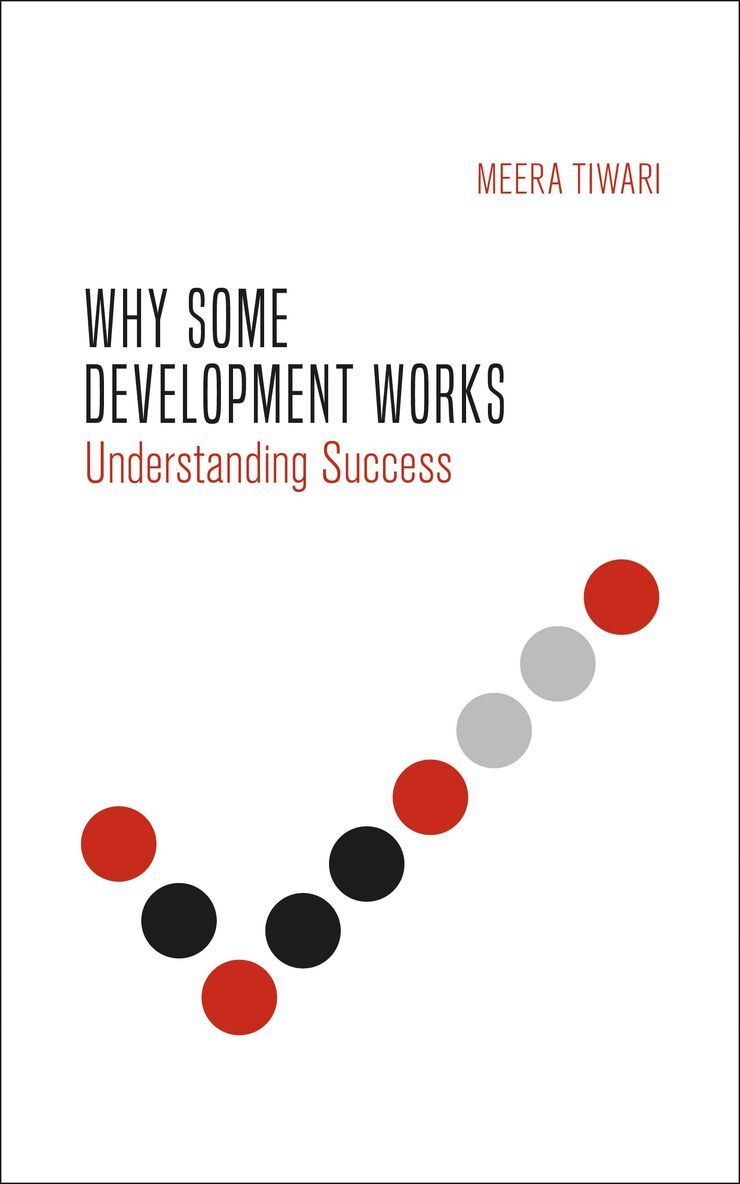
Why do some development projects succeed where others fail? This book looks at some macro and some less known micro success stories and considers what enabled them to bring change in some of the world’s most deprived communities. Using case studies from ten countries across Latin America, Africa, and Asia, Tiwari’s innovative approach offers a multi-layered understanding of poverty which provides insights into causal, enabling and impeding factors. While a macro level analysis of development is a common feature of the current literature, there has been little attempt to develop a micro level understanding of development at the grassroots.Tiwari’s work fills this important gap while drawing attention to the importance of engaging local actors at an individual, collective, and state level, demonstrating how achieving a “convergence” of goals among all actors is a crucial component to a development project’s success.Looking beyond the case studies to consider how this unique “convergence framework” might be usefully applied to other contexts, the book has profound implications for how we view fragile states and conflict zones, and the ability of the international agencies to take effective action. A unique study based on extensive empirical research, Why Some Development Works will make essential reading for students and researchers studying international development across the social sciences, as well as humanitarian and development practitioners and policy makers.