Constantine Verevis – författare
Visar alla böcker från författaren Constantine Verevis. Handla med fri frakt och snabb leverans.
27 produkter
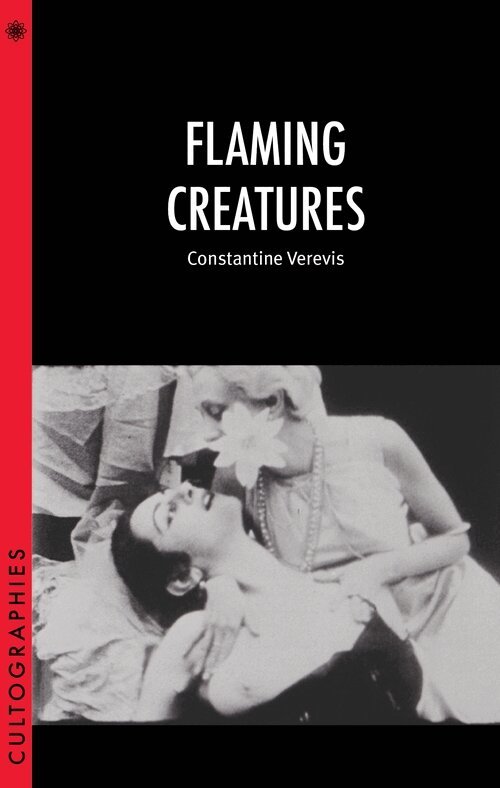
Flaming Creatures
Häftad, 2019
143 kr
Lägg i varukorg
Banned soon after its first midnight screenings, the prints seized and the organizers arrested, Jack Smith’s incendiary Flaming Creatures (1963) quickly became a cause célèbre of the New York underground. Championed and defended by Jonas Mekas and Susan Sontag, among others, the film wildly and …
After Taste: Cultural Value and the Moving Image
Av Julia Vassilieva, Constantine Verevis
Inbunden, 2011
2510 kr
Lägg i varukorg
In the wake of the debates over high/low culture distinction spilling into the effective dismantling of the boundary that once separated them, the past decade has seen the explosion of ‘bad taste’ production on screen. Starting with paracinema or ‘badfilm’ – a movement that has grown up around …
After Taste: Cultural Value and the Moving Image
Av Julia Vassilieva, Constantine Verevis
Häftad, 2013
735 kr
Lägg i varukorg
In the wake of the debates over high/low culture distinction spilling into the effective dismantling of the boundary that once separated them, the past decade has seen the explosion of ‘bad taste’ production on screen. Starting with paracinema or ‘badfilm’ – a movement that has grown up around …
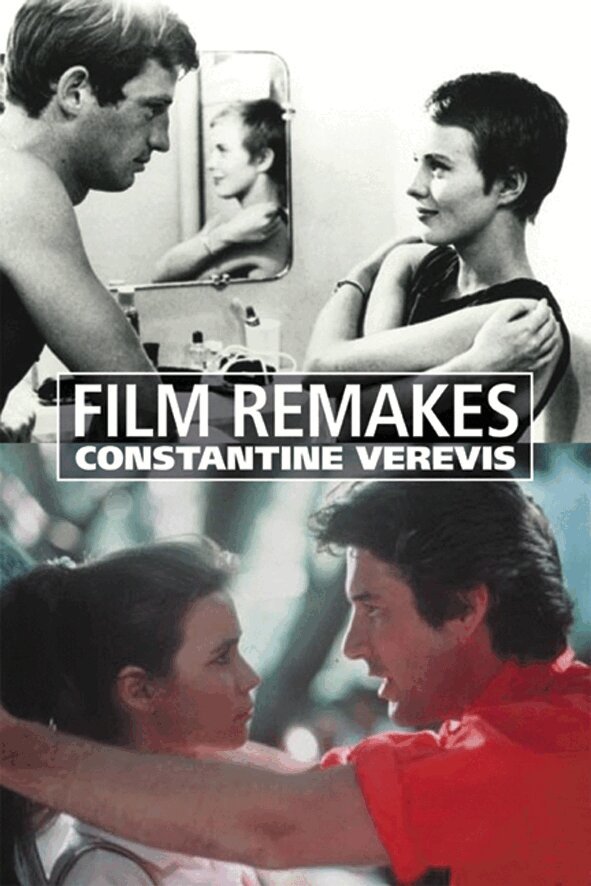
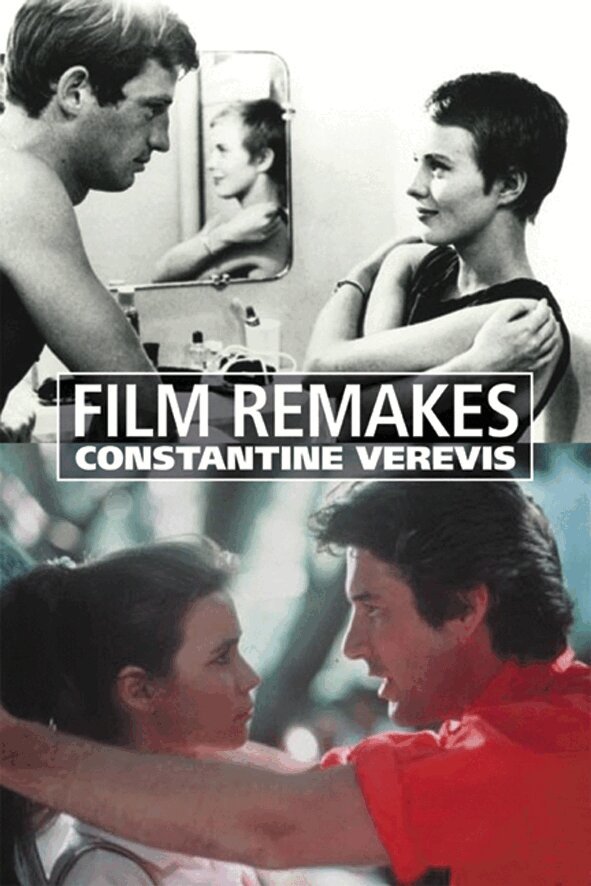
Film Remakes
Inbunden, 2005
1451 kr
Lägg i varukorg
This is the first book to provide a comprehensive and systematic account of the phenomenon of cinematic remaking. Drawing upon recent theories of genre and intertextuality, Film Remakes describes remaking as both an elastic concept and a complex situation, one enabled and limited by the …
Film Remakes
Häftad, 2005
449 kr
Lägg i varukorg
This is the first book to provide a comprehensive and systematic account of the phenomenon of cinematic remaking. Drawing upon recent theories of genre and intertextuality, Film Remakes describes remaking as both an elastic concept and a complex situation, one enabled and limited by the …
US Independent Film After 1989
Possible Films
Av Claire Perkins, Constantine Verevis
Inbunden, 2015
1413 kr
Lägg i varukorg
In contemporary film and popular culture the terms ‘independent’ and ‘indie’ hold instant recognition and considerable cultural cachet. As both a brand of American filmmaking and a keynote of critical film discourse, indie denotes specific textual, industrial and reception practices that have been …
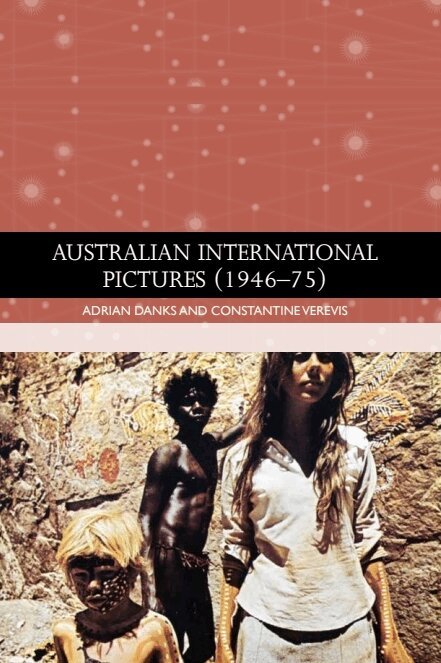
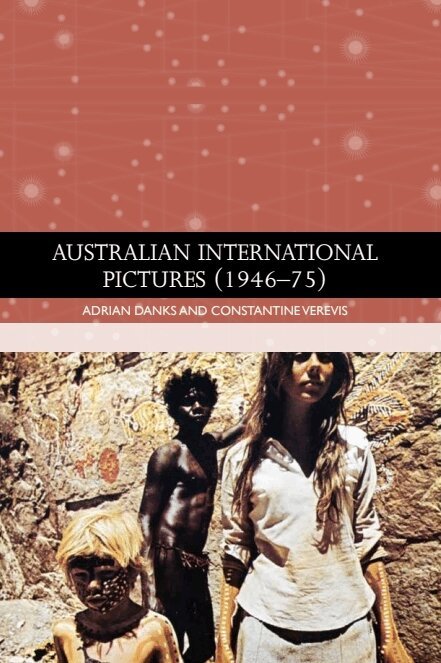
Australian International Pictures (1946 - 75)
Av Adrian Danks, Constantine Verevis
Inbunden, 2023
1168 kr
Lägg i varukorg
Offers an important insight into the formative moments of transnational film culture in AustraliaProvides vibrant textual studies of under-evaluated Australian international picturesDevelops an understanding of international film production in the years following WWII and before the Australian film …
Transnational Television Remakes
Av Claire Perkins, Constantine Verevis
Häftad, 2019
735 kr
Lägg i varukorg
Providing a cross-cultural investigation of the current phenomenon of transnational television remakes, and assembling an international team of scholars, this book draws upon ideas from transnational media and cultural studies to offer an understanding of global cultural borrowings and format …
Transnational Television Remakes
Av Claire Perkins, Constantine Verevis
Inbunden, 2016
2510 kr
Lägg i varukorg
Providing a cross-cultural investigation of the current phenomenon of transnational television remakes, and assembling an international team of scholars, this book draws upon ideas from transnational media and cultural studies to offer an understanding of global cultural borrowings and format …
Transnational Television Remakes
Av Constantine Verevis, Claire Perkins
E-bok, 2018
847 kr
Lägg i varukorg
Providing a cross-cultural investigation of the current phenomenon of transnational television remakes, and assembling an international team of scholars, this book draws upon ideas from transnational media and cultural studies to offer an understanding of global cultural borrowings and format …
Transnational Television Remakes
Av Constantine Verevis, Claire Perkins
E-bok, 2018
866 kr
Lägg i varukorg
Providing a cross-cultural investigation of the current phenomenon of transnational television remakes, and assembling an international team of scholars, this book draws upon ideas from transnational media and cultural studies to offer an understanding of global cultural borrowings and format …
After Taste: Cultural Value and the Moving Image
Av Constantine Verevis, Julia Vassilieva
E-bok, 2014
842 kr
Lägg i varukorg
In the wake of the debates over high/low culture distinction spilling into the effective dismantling of the boundary that once separated them, the past decade has seen the explosion of ‘bad taste’ production on screen. Starting with paracinema or ‘badfilm’ – a movement that has grown up …
After Taste: Cultural Value and the Moving Image
Av Constantine Verevis, Julia Vassilieva
E-bok, 2014
817 kr
Lägg i varukorg
In the wake of the debates over high/low culture distinction spilling into the effective dismantling of the boundary that once separated them, the past decade has seen the explosion of ‘bad taste’ production on screen. Starting with paracinema or ‘badfilm’ – a movement that has grown up …
Australian International Pictures (1946 - 75)
Av Adrian Danks, Constantine Verevis
Häftad, 2024
303 kr
Lägg i varukorg
Australian International Pictures examines the concept and definition of Australian film in relation to a range of local, international and global practices and trends that blur neat categorisations of national cinema. Although international co-production is particularly acute in the present day, …
US Independent Film After 1989
Possible Films
Av Claire Perkins, Constantine Verevis
Häftad, 2026
267 kr
Lägg i varukorg
In contemporary film and popular culture the terms ‘independent’ and ‘indie’ hold instant recognition and considerable cultural cachet. As both a brand of American filmmaking and a keynote of critical film discourse, indie denotes specific textual, industrial and reception practices that have been …
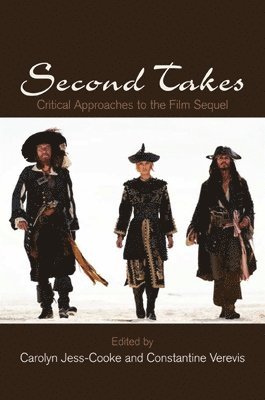
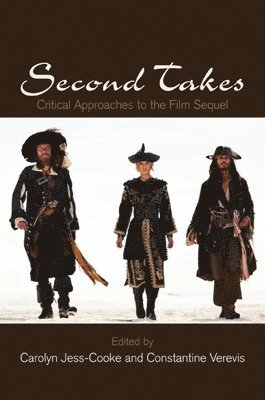
Second Takes
Critical Approaches to the Film Sequel
Av Carolyn Jess-Cooke, Constantine Verevis
Häftad, 2010
491 kr
Lägg i varukorg
The first collection of essays devoted to the phenomenon of the film sequel.Sequels, serials, and remakes have been a staple of cinema since the very beginning, and recent years have seen the emergence of dynamic and progressive variations of these multi-film franchises. Taking a broad range of …
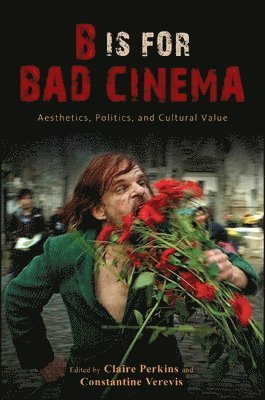
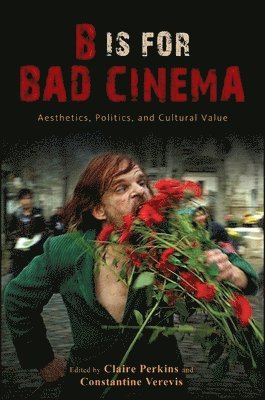
B Is for Bad Cinema
Aesthetics, Politics, and Cultural Value
Av Claire Perkins, Constantine Verevis
Häftad, 2015
463 kr
Lägg i varukorg
Considers films that lurk on the boundaries of acceptability in taste, style, and politics.B Is for Bad Cinema continues and extends, but does not limit itself to, the trends in film scholarship that have made cult and exploitation films and other "low" genres increasingly acceptable objects for …
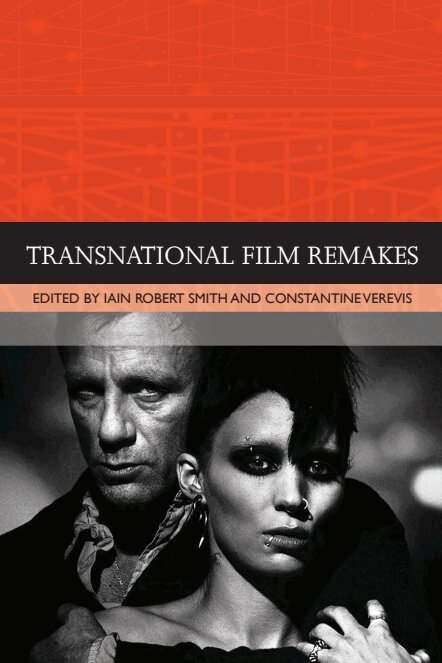
Transnational Film Remakes
Av Iain Robert Smith, Constantine Verevis
Inbunden, 2017
2095 kr
Lägg i varukorg
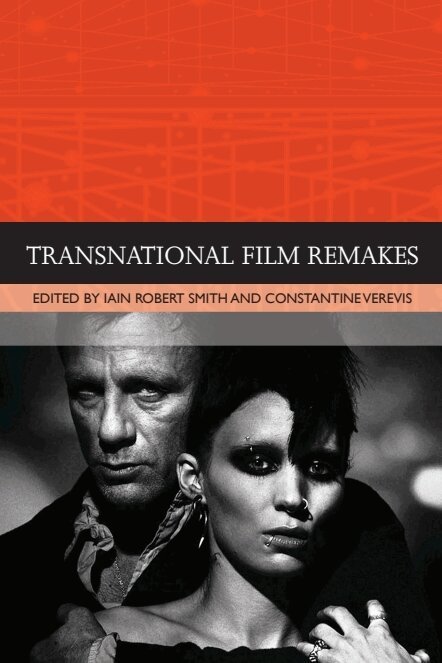
What happens when a film is remade in another national context? How do notions of translation, adaptation and localisation help us understand the cultural dynamics of these shifts, and in what ways does a transnational perspective offer us a deeper understanding of film remaking? Bringing together …
Transnational Film Remakes
Av Iain Robert Smith, Constantine Verevis
Häftad, 2017
718 kr
Lägg i varukorg
What happens when a film is remade in another national context? How do notions of translation, adaptation and localisation help us understand the cultural dynamics of these shifts, and in what ways does a transnational perspective offer us a deeper understanding of film remaking? Bringing together …
Film Reboots
Av Daniel Herbert, Constantine Verevis
Inbunden, 2020
2095 kr
Lägg i varukorg
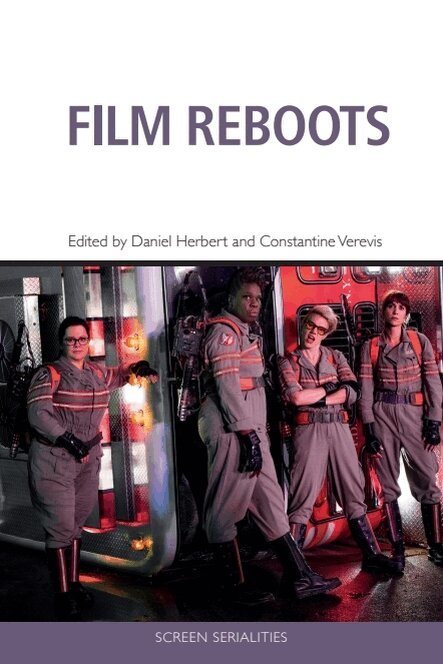
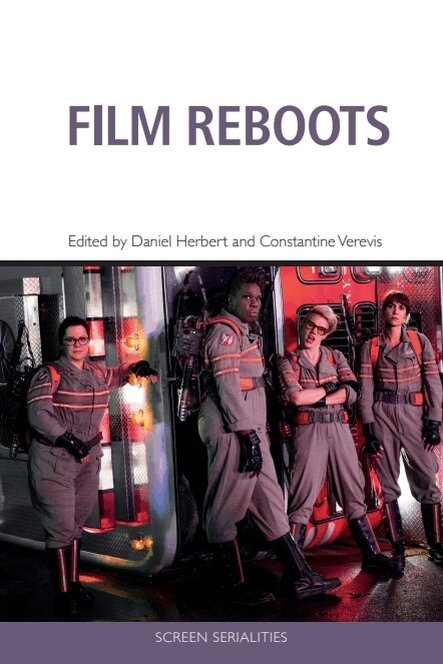
Bringing together the latest developments in the study of serial formatting practices – remakes, sequels, series – Film Reboots is the first edited collection to specifically focus on the new millennial phenomenon of rebooting. Through a set of vibrant case studies, this collection investigates …
Film Reboots
Av Daniel Herbert, Constantine Verevis
Häftad, 2022
657 kr
Lägg i varukorg
'Daniel Herbert and Constantine Verevis' Film Reboots is dedicated to a fundamental question of the form, namely why do reboots exist and what do they do? An impressive array of scholars engage with the contemporary reboot as an industrial practice, narrative strategy, political text, and fan …
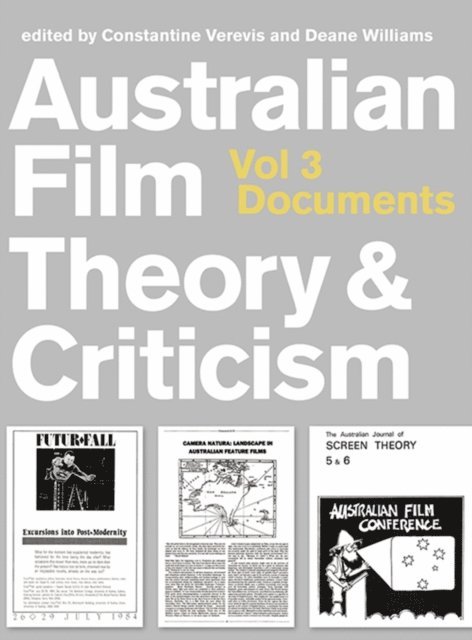
Australian Film Theory and Criticism
Volume 3: Documents
Av Deane Williams, Constantine Verevis
Häftad, 2018
1305 kr
Lägg i varukorg
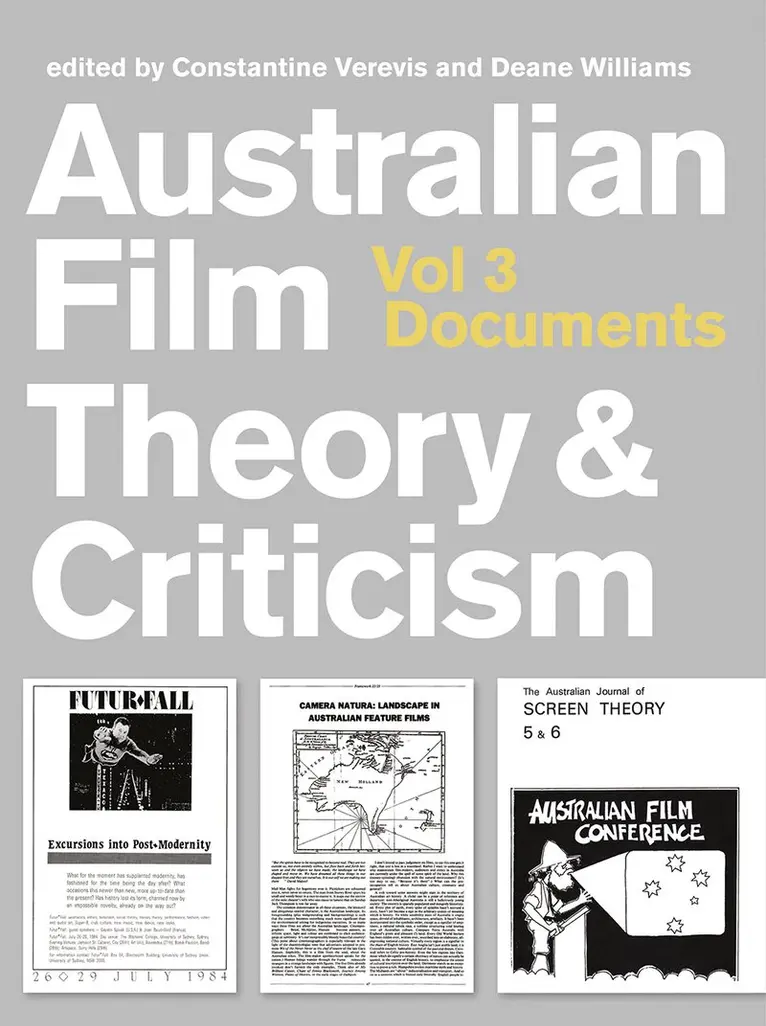
The third part of a three-volume work devoted to mapping the transnational history of Australian film studies, Volume 3: Documents concludes the project by gathering together the documents that were produced during the rise of film studies in Australian academia from 1975–85. Through these sources …
Australian Film Theory and Criticism
Volume 3: Documents
Av Constantine Verevis, Deane Williams
E-bok, 2018
1319 kr
Lägg i varukorg
The third part of a three-volume work devoted to mapping the transnational history of Australian film studies, Volume 3: Documents concludes the project by gathering together the documents that were produced during the rise of film studies in Australian academia from 1975–85. Through these sources …
Australian Film Theory and Criticism
Volume 3: Documents
Av Constantine Verevis, Deane Williams
E-bok, 2018
1363 kr
Lägg i varukorg
The third part of a three-volume work devoted to mapping the transnational history of Australian film studies, Volume 3: Documents concludes the project by gathering together the documents that were produced during the rise of film studies in Australian academia from 1975–85. Through these sources …
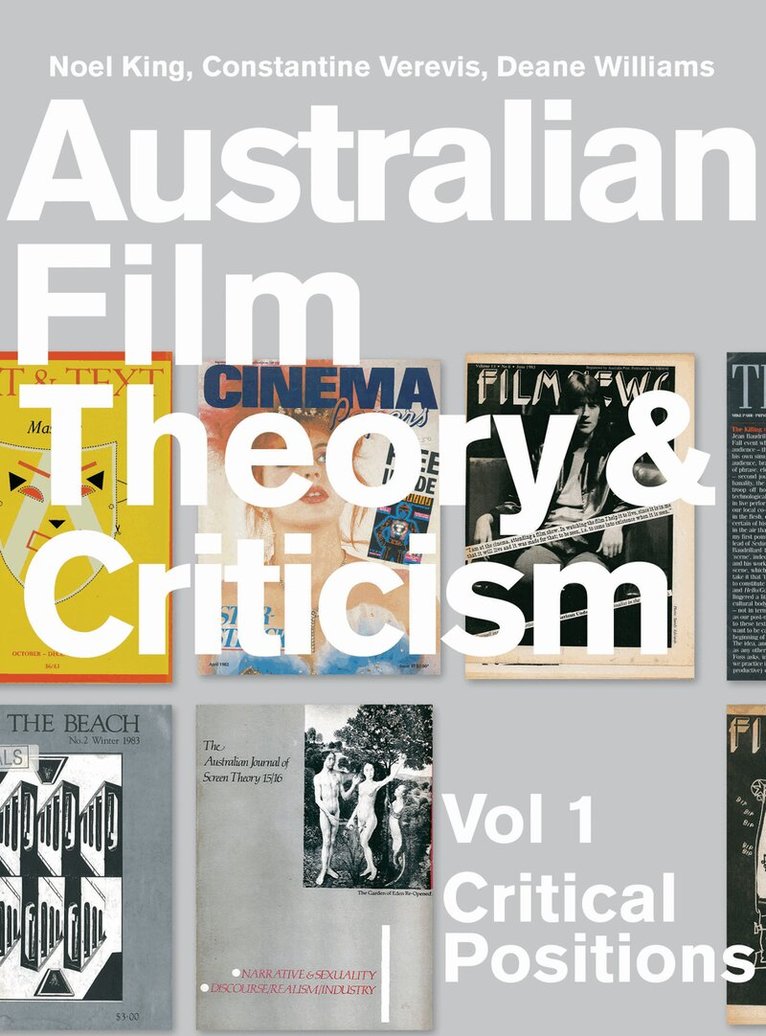
Australian Film Theory and Criticism
Volume 1: Critical Positions
Av Deane Williams, Constantine Verevis m. fl.
Häftad, 2013
430 kr
Lägg i varukorg
The first part of a three-volume work devoted to mapping the transnational history of Australian film studies, Australian Film Theory and Criticism, Volume 1 provides an overview of the period between 1975 and 1990, during which the discipline first became established in the academy. Tracing …
Second Takes
Critical Approaches to the Film Sequel
Av Carolyn Jess-Cooke, Constantine Verevis
Inbunden, 2010
1179 kr
Tillfälligt slut
The first collection of essays devoted to the phenomenon of the film sequel.Sequels, serials, and remakes have been a staple of cinema since the very beginning, and recent years have seen the emergence of dynamic and progressive variations of these multi-film franchises. Taking a broad range of …
B Is for Bad Cinema
Aesthetics, Politics, and Cultural Value
Av Claire Perkins, Constantine Verevis
Inbunden, 2014
1111 kr
Tillfälligt slut
Considers films that lurk on the boundaries of acceptability in taste, style, and politics.B Is for Bad Cinema continues and extends, but does not limit itself to, the trends in film scholarship that have made cult and exploitation films and other "low" genres increasingly acceptable objects for …