Corey Kai Nelson Schultz – författare
Visar alla böcker från författaren Corey Kai Nelson Schultz. Handla med fri frakt och snabb leverans.
2 produkter
2 produkter
1 343 kr
Skickas inom 7-10 vardagar
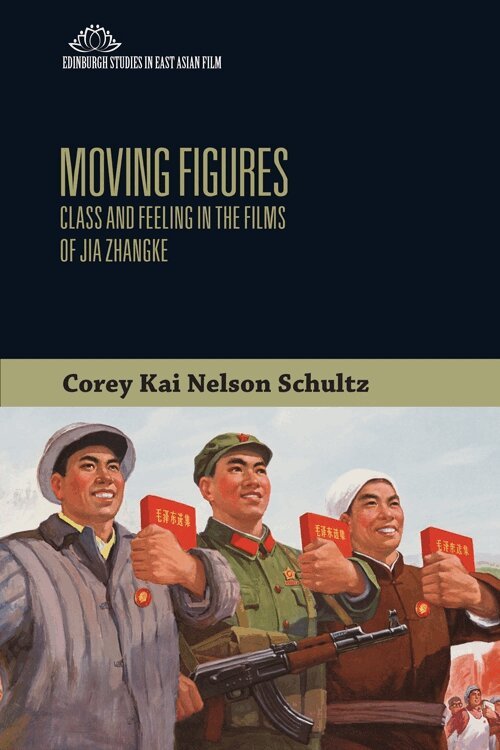
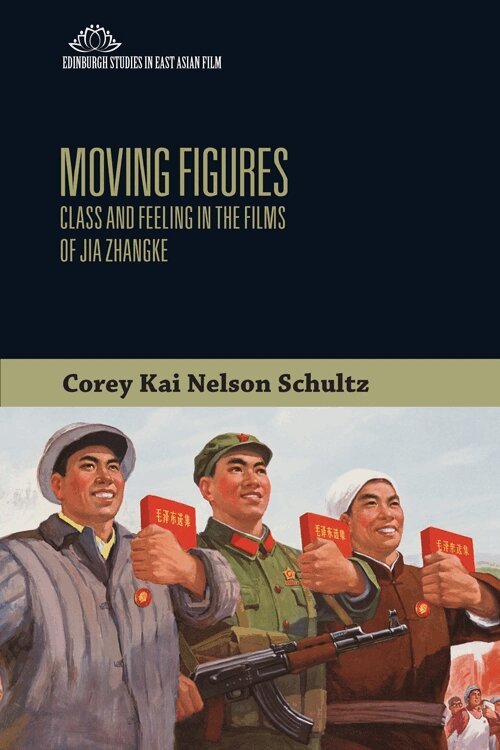
The "Reform Era" (1979-present) in China has been a time of massive social and economic change, and has witnessed China's transition from socialism to capitalism. This book focuses on how this period of change has been constructed in the films of Jia Zhangke through analyzing the five class figures of worker, peasant, soldier, intellectual, and entrepreneur that are found in his films. It examines how the figures' representation and the films' cinematography create what Raymond Williams terms "structures of feeling" feelings that concretize around a particular time and place which are captured and evoked in art and culture. The book argues that Jia's cinema should be understood not just as narratives that represent Chinese social transition and the director's changing attitudes to them through characters of different social classes, but also as an effort to engage the audience's emotional responses to those figures through representation, symbolism, and the affective experience of specific cinematic tropes. While making specific observations on Jia's films, the book adds to the scholarship about the Reform era by considering how this period's enormous transformations have been "felt," and also opens up many new areas, not only in the existing body of literature about Chinese film, which has mainly taken a political or sociological approach, but also in the larger fields of Chinese visual culture, cultural studies, and the affective qualities of film.
344 kr
Skickas inom 7-10 vardagar
Since 1979, China has been undergoing a period of immense social and economic change, transitioning from state-run economics to free market capitalism. This book focuses on how the ‘Reform Era’ has been constructed in the work of the director Jia Zhangke, analysing the archetypal class figures of worker, peasant, soldier, intellectual and entrepreneur that are found in his films. Examining how these figures are represented, and how Jia’s cinematography creates those ‘structures of feeling’ that concretise around a particular time and place, the book argues that Jia’s cinema should be understood not just as narratives that represent Chinese social transition, but also as an effort to engage the audience’s emotional responses through representation, symbolism and the affective experience of specific cinematic tropes.Making an important contribution to scholarship about the Reform Era, and opening up many new areas in the larger fields of Chinese visual culture, cultural studies and the affective qualities of film, this is groundbreaking work about a cinematic culture in a period of profound transformation.