• Fri frakt över 249 kr
  • •
  • Snabba leveranser
  • •
  • Billiga böcker
Kundservice

Du är på sajten för privatpersoner.

Företag, bibliotek eller offentlig verksamhet?

Du handlar på classic.bokus.com, där alla dina funktioner finns intakta.
Till classic.bokus.com
Bokus logotyp. Gå till startsidan.
  • Erbjudanden
  • Nyheter
  • Student
  • Topplistor
  • Barn & ungdom
  • Bokus Play
  • E-böcker
  • Pocketböcker
  • Spel & pussel

10% rabatt på allt med kod: NYSTART10 →

Sidfot

Mina sidor

    Hjälp

    • Kundservice
    • Vanliga frågor och svar
    • Frakt och leverans
    • Retur vid ångerrätt
    • Reklamera vara
    • Betalning
    • Köpvillkor
    • Allmänna villkor
    • Information om webbplatsens tillgänglighet

    Om Bokus

    • Om oss
    • Pressrum
    • För studenter
    • För företag
    • För bibliotek och offentlig verksamhet
    • För leverantörer
    • Hållbarhet

    Populärt

    • Aktuella erbjudanden
    • Presentkort
    • Studentlitteratur
    • Nya böcker
    • Topplistor
    • Signerade böcker
    • Engelska böcker

    Inspiration

    • Boktips
    • BookTok
    • Populära bokserier
    • Barnbokskaraktärer
    • Populära författare
    Logotyp för Bokus
    Följ oss på Facebook (extern länk)Följ oss på Instagram (extern länk)Följ oss på YouTube (extern länk)Följ oss på TikTok (extern länk)
    bokus @ CookiesAnpassa cookiesIntegritetspolicyKöpvillkor
    Till Citymail hemsida (extern länk)Till Budbee hemsida (extern länk)Till Postnord hemsida (extern länk)Till Schenker hemsida (extern länk)Till Early Bird hemsida (extern länk)Till Walleys hemsida (extern länk)
    1. Historia och arkeologi
    2. Historia
    3. Asiens historia

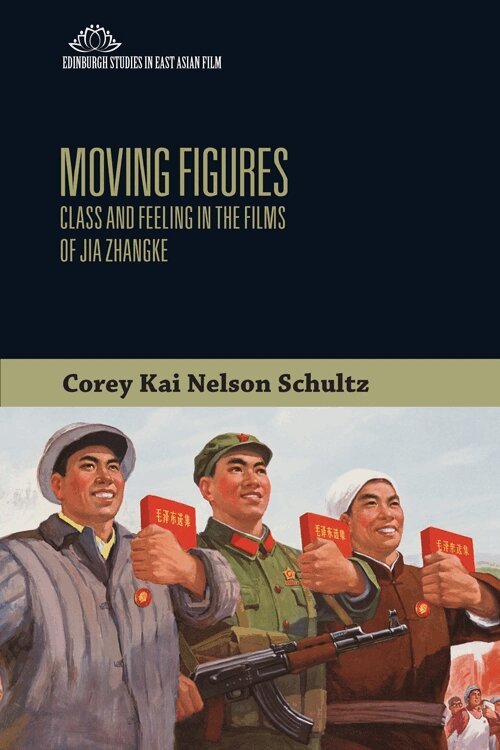
    Moving Figures

    Class and Feeling in the Films of Jia Zhangke

    AvCorey Kai Nelson Schultz

    Häftad, Engelska, 2019

    Del i serien Edinburgh Studies in East Asian Film

    351 kr

    Beställningsvara. Skickas inom 7-10 vardagar. Fri frakt över 249 kr.

    Fler format och utgåvor

    Inbunden

    1 368 kr

    Beskrivning

    Since 1979, China has been undergoing a period of immense social and economic change, transitioning from state-run economics to free market capitalism. This book focuses on how the ‘Reform Era’ has been constructed in the work of the director Jia Zhangke, analysing the archetypal class figures of worker, peasant, soldier, intellectual and entrepreneur that are found in his films. Examining how these figures are represented, and how Jia’s cinematography creates those ‘structures of feeling’ that concretise around a particular time and place, the book argues that Jia’s cinema should be understood not just as narratives that represent Chinese social transition, but also as an effort to engage the audience’s emotional responses through representation, symbolism and the affective experience of specific cinematic tropes.Making an important contribution to scholarship about the Reform Era, and opening up many new areas in the larger fields of Chinese visual culture, cultural studies and the affective qualities of film, this is groundbreaking work about a cinematic culture in a period of profound transformation.

    Produktinformation

    • Utgivningsdatum:2019-12-10
    • Mått:156 x 234 x 20 mm
    • Vikt:325 g
    • Format:Häftad
    • Språk:Engelska
    • Serie:Edinburgh Studies in East Asian Film
    • Antal sidor:208
    • Förlag:Edinburgh University Press
    • ISBN:9781474455121

    Utforska kategorier

    • Asiens historia inom Historia och arkeologi
    • Film inom Kultur

    Mer om författaren

    Corey Kai Nelson Schultz is Associate Professor at the University of Nottingham Ningbo China. He received his PhD from Goldsmiths, University of London, and his research areas are Chinese visual culture, film phenomenology and aesthetics. He has published in Asian Cinema, Film-Philosophy, Moving Image Review and Art Journal, Screen and Visual Communication.

    Recensioner i media

    An incisive and soundly researched contribution to the literature on Jia Zhangke. Schultz illuminates the class-based archetypes and affective structures of Jia's Reform-era cinema, offering a fresh way of thinking about one of China's most profoundly enigmatic filmmakers.

    Innehållsförteckning

    • List of FiguresAcknowledgmentsIntroductionApproach to FeelingClass in ChinaClass Figures and Their EffectsChapter OutlinesChapter 1 – The Worker Class: From Leader To The MarginsIntroductionHistory of the ClassRepresentationCinematic Tropes: Moving Portraits and InterviewsChapter 2 – The Peasant and the Mingong: From Empathy to Sympathy to Looking Back IntroductionHistory of the ClassRepresentation Cinematic Tropes: The POV Shot, Observation, Body, and the GazeChapter 3 – The Soldier: From Degraded Reproduction to Avenging HeroIntroductionHistory of the ClassRepresentationCinematic Tropes: Wuxia and The Close-UpChapter 4 – The Intellectual: Power and the VoiceIntroductionHistory of the ClassRepresentationCinematic Tropes: Pseudomonologues and ObservationChapter 5 – The Entrepreneur: From Crook to "New Reform Model"IntroductionHistory of the ClassRepresentationCinematic Tropes: Advertisements and the Close-UpFilmographyWorks CitedNotes