Corinne Bonnet – författare
Visar alla böcker från författaren Corinne Bonnet. Handla med fri frakt och snabb leverans.
10 produkter
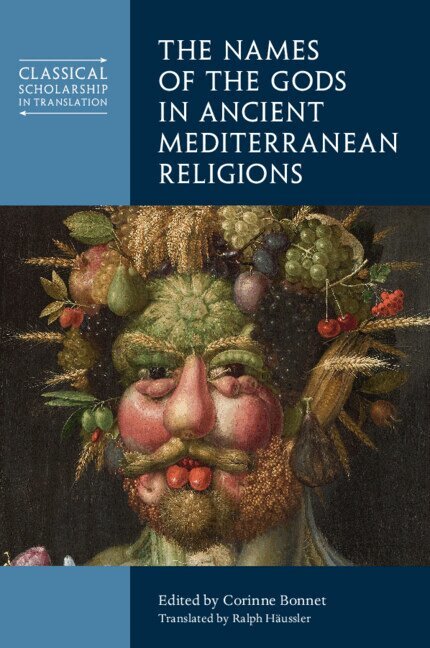
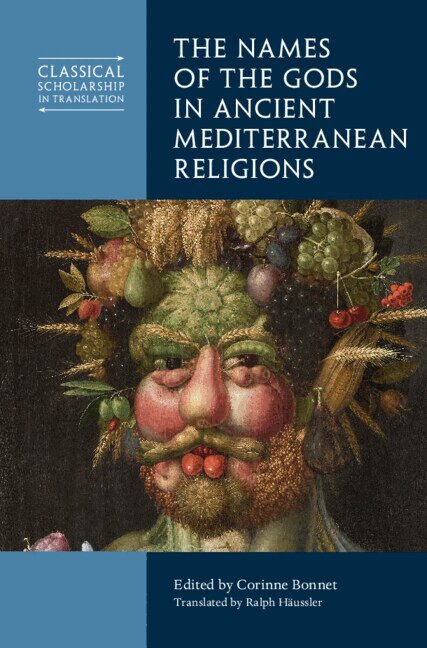
The Names of the Gods in Ancient Mediterranean Religions
Häftad, 2026
679 kr
Kommande
From Greece to Palmyra, Tyre or Babylon, the names of the gods, like 'Thundering Zeus', 'Three-faced Moon', 'Baal of the Force' or the enigmatic YHWH, reveal their history, family ties, fields of competence and capacity for action. Shared or specific, these names bring to light networks of gods: …
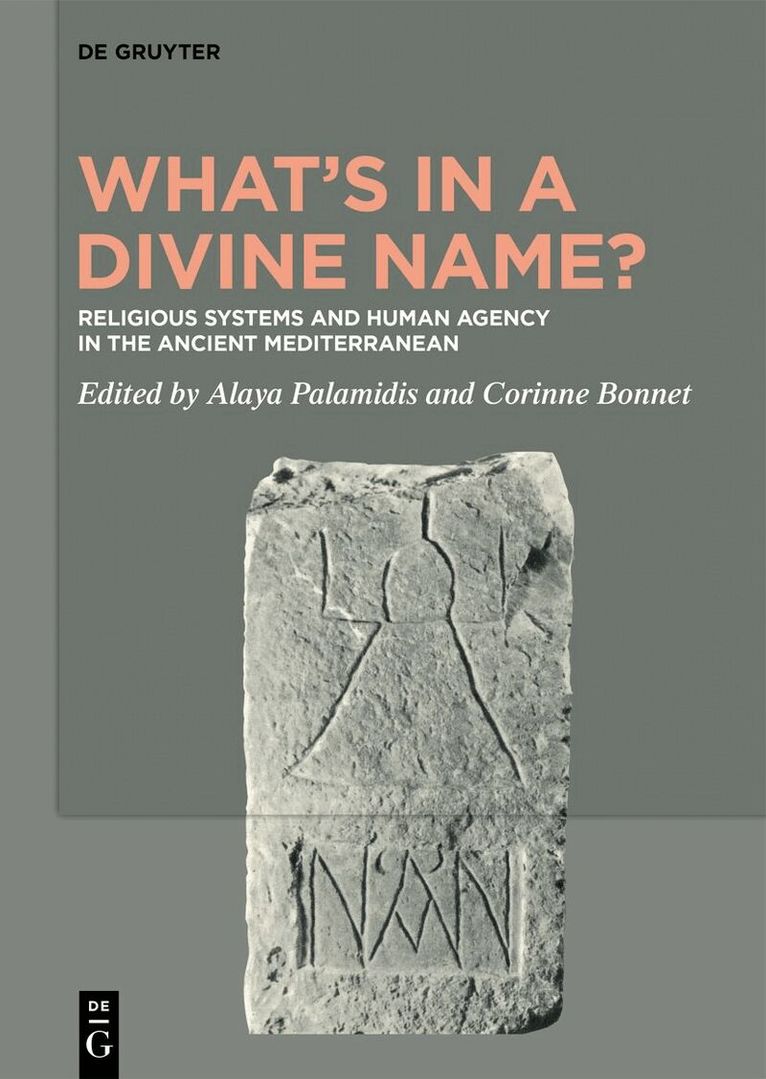
What’s in a Divine Name?
Religious Systems and Human Agency in the Ancient Mediterranean
Av Alaya Palamidis, Corinne Bonnet
Inbunden, 2024
2239 kr
Lägg i varukorg
Divine Names are a key component in the communication between humans and gods in Antiquity. Their complexity derives not only from the impressive number of onomastic elements available to describe and target specific divine powers, but also from their capacity to be combined within distinctive …
The Names of the Gods in Ancient Mediterranean Religions
Inbunden, 2024
1509 kr
Lägg i varukorg
From Greece to Palmyra, Tyre or Babylon, the names of the gods, like 'Thundering Zeus', 'Three-faced Moon', 'Baal of the Force' or the enigmatic YHWH, reveal their history, family ties, fields of competence and capacity for action. Shared or specific, these names bring to light networks of gods: …
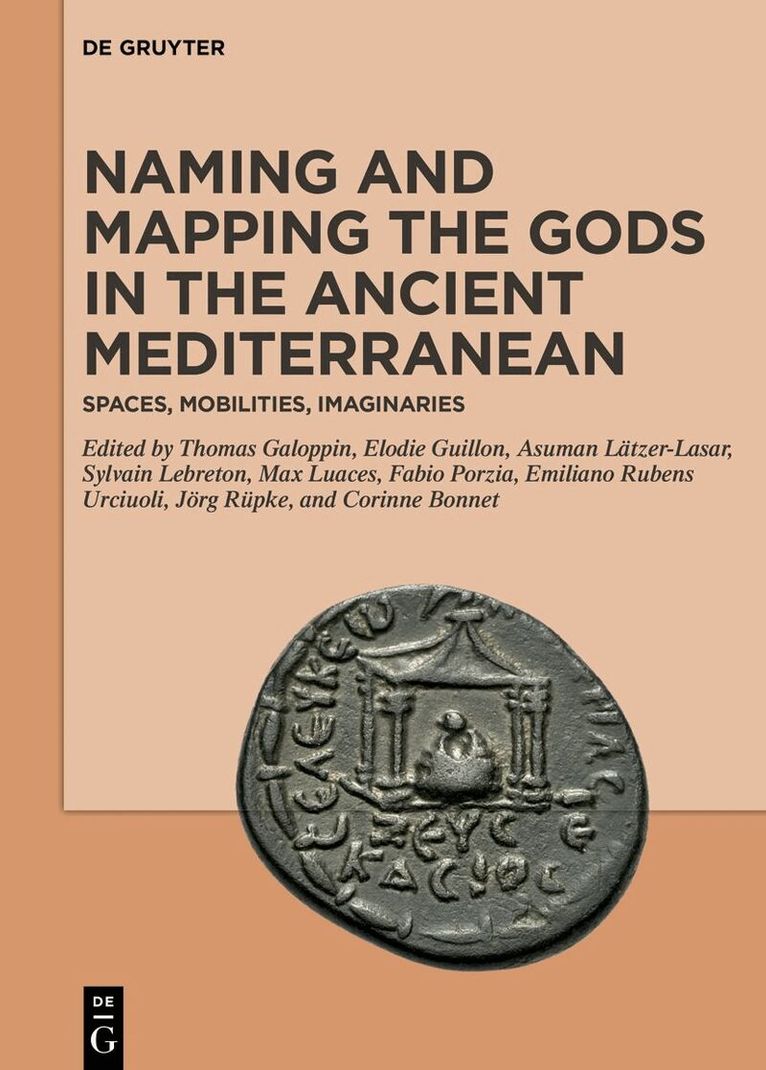
Naming and Mapping the Gods in the Ancient Mediterranean
Spaces, Mobilities, Imaginaries
Av Thomas Galoppin, Elodie Guillon m. fl.
Inbunden, 2022
2959 kr
Lägg i varukorg
Ancient religions are definitely complex systems of gods, which resist our understanding. Divine names provide fundamental keys to gain access to the multiples ways gods were conceived, characterized, and organized. Among the names given to the gods many of them refer to spaces: cities, landscapes, …
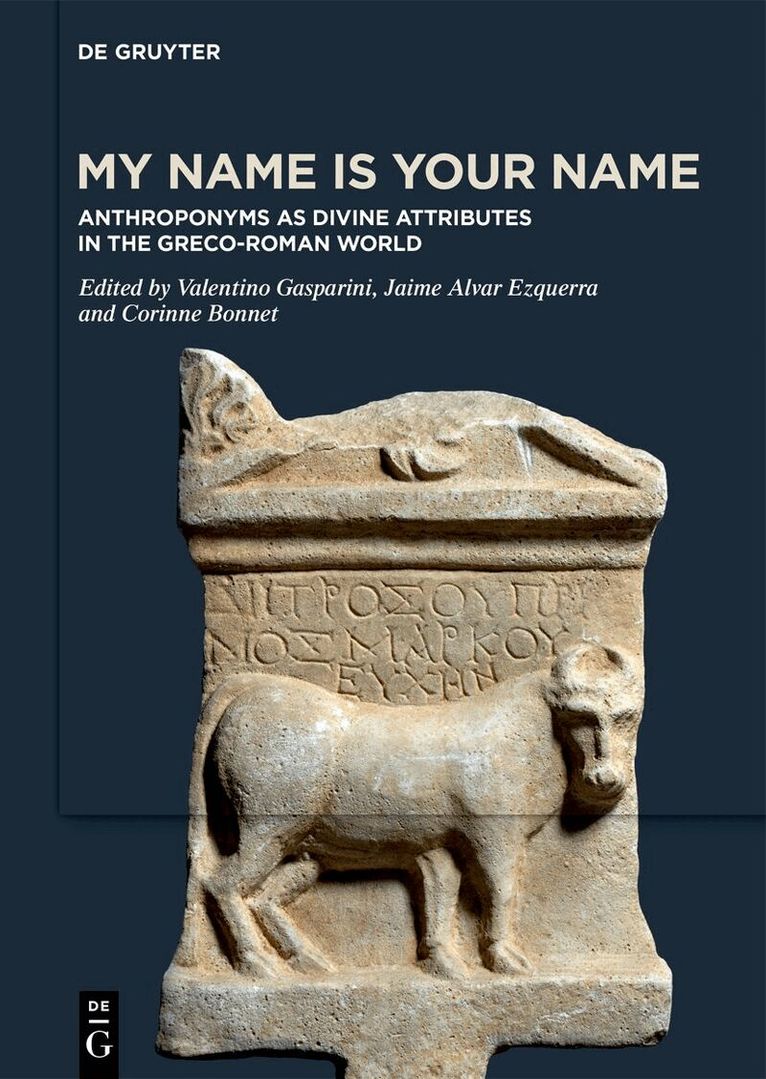
My Name is Your Name
Anthroponyms as Divine Attributes in the Greco-Roman World
Av Valentino Gasparini, Jaime Alvar Ezquerra m. fl.
Inbunden, 2025
1622 kr
Lägg i varukorg
Divine epithets serve a variety of purposes, with the most frequent being those related to the locations and functions of the gods. Epithets derived from individual names, however, have received less attention. While few studies have focused on the Greek world, research on the Latin-speaking …
My Name is Your Name
Anthroponyms as Divine Attributes in the Greco-Roman World
Av Corinne Bonnet, Jaime Alvar Ezquerra m. fl.
E-bok, 2025
1395 kr
Lägg i varukorg
Divine epithets serve a variety of purposes, with the most frequent being those related to the locations and functions of the gods. Epithets derived from individual names, however, have received less attention. While few studies have focused on the Greek world, research on the Latin-speaking …
My Name is Your Name
Anthroponyms as Divine Attributes in the Greco-Roman World
Av Corinne Bonnet, Jaime Alvar Ezquerra m. fl.
E-bok, 2025
1426 kr
Lägg i varukorg
Divine epithets serve a variety of purposes, with the most frequent being those related to the locations and functions of the gods. Epithets derived from individual names, however, have received less attention. While few studies have focused on the Greek world, research on the Latin-speaking …