Cosmin Cercel – författare
Visar alla böcker från författaren Cosmin Cercel. Handla med fri frakt och snabb leverans.
24 produkter
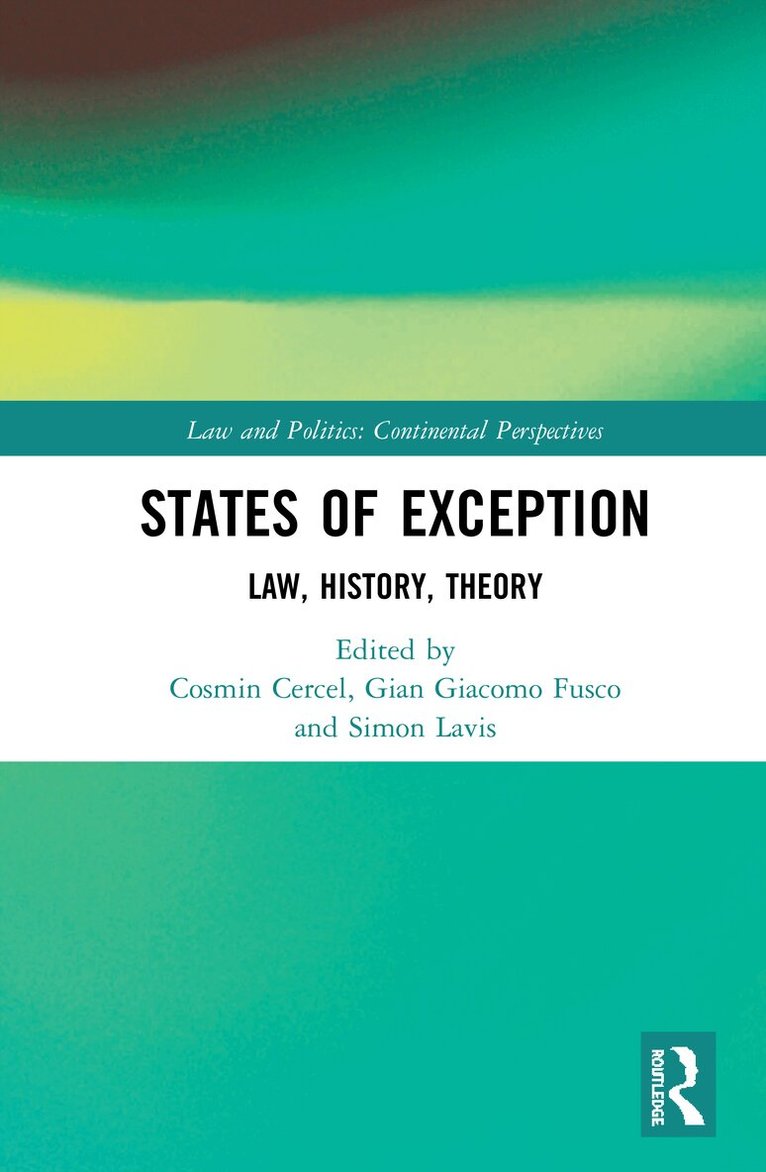
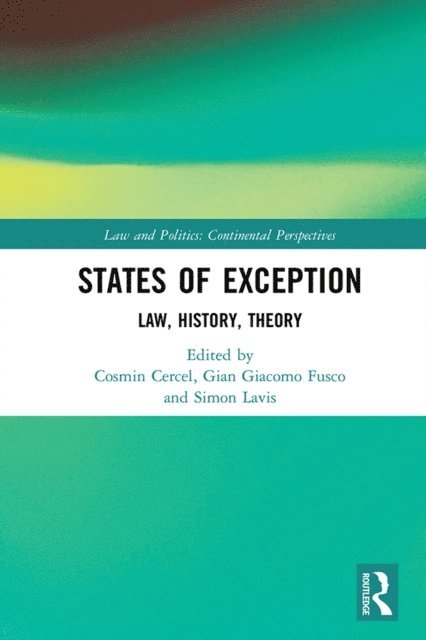
States of Exception
Law, History, Theory
Av Cosmin Cercel, Gian Giacomo Fusco m. fl.
Inbunden, 2020
1962 kr
Lägg i varukorg
This book addresses the relevance of the state of exception for the analysis of law, while reflecting on the deeper symbolic and jurisprudential significance of the coalescence between law and force.The concept of the state of exception has become a central topos in political and legal philosophy …
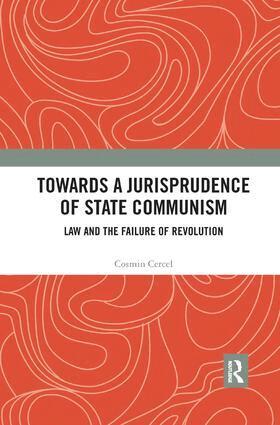
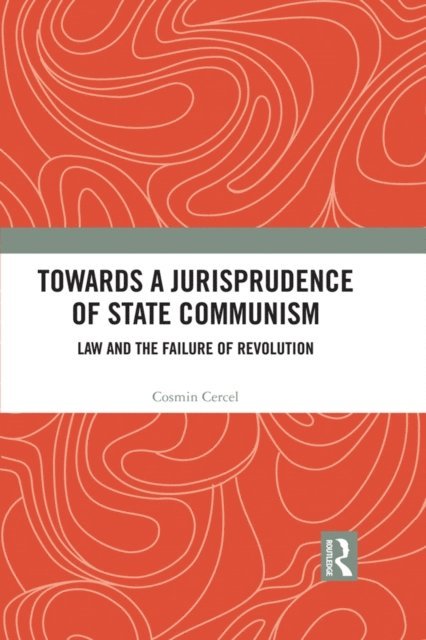
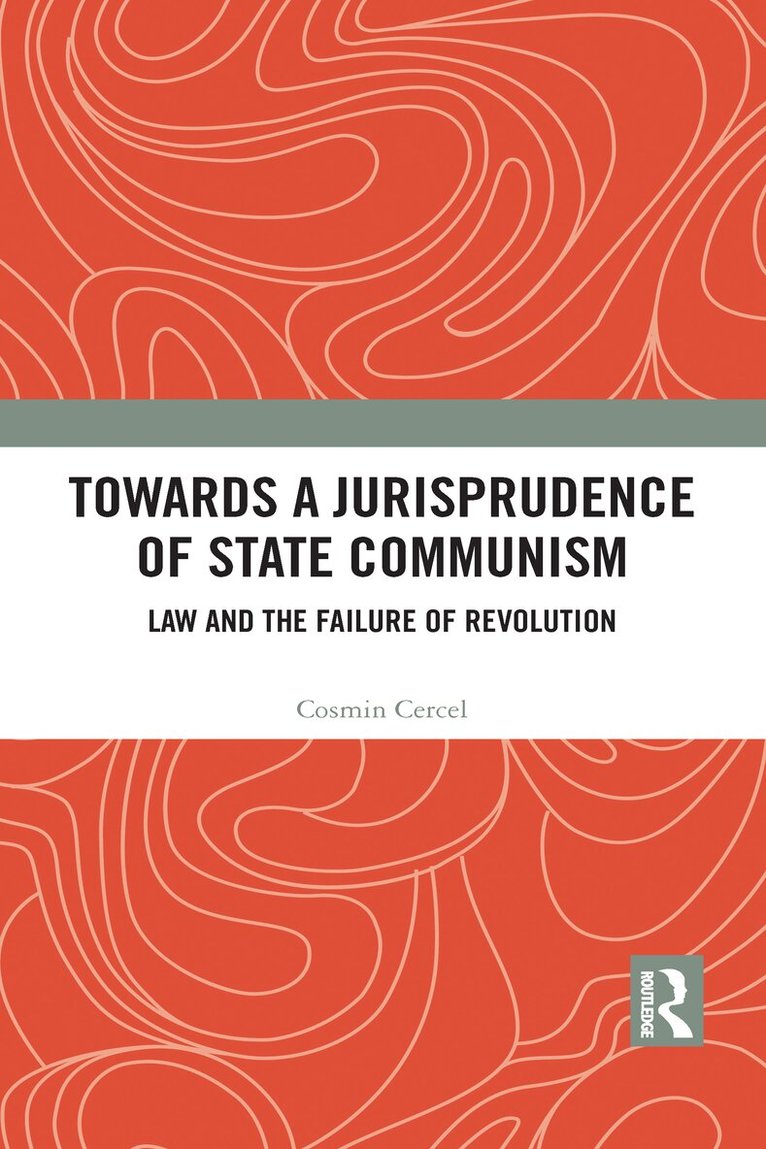
Towards A Jurisprudence of State Communism
Law and the Failure of Revolution
Häftad, 2019
690 kr
Lägg i varukorg
More than twenty-five years after the collapse of the Socialist bloc, the nature of the regimes in Eastern Europe between 1945 and 1989 continues to evade the attempts of political theorists and scholars of post-communism to define and classify them. Drawing on philosophical inquiry, …
States of Exception
Law, History, Theory
Av Cosmin Cercel, Gian Giacomo Fusco m. fl.
Häftad, 2022
663 kr
Lägg i varukorg
This book addresses the relevance of the state of exception for the analysis of law, while reflecting on the deeper symbolic and jurisprudential significance of the coalescence between law and force.The concept of the state of exception has become a central topos in political and legal philosophy …
States of Exception
Law, History, Theory
Av Simon Lavis, Gian Giacomo Fusco m. fl.
E-bok, 2020
855 kr
Lägg i varukorg
This book addresses the relevance of the state of exception for the analysis of law, while reflecting on the deeper symbolic and jurisprudential significance of the coalescence between law and force. The concept of the state of exception has become a central topos in political and legal philosophy …
States of Exception
Law, History, Theory
Av Simon Lavis, Gian Giacomo Fusco m. fl.
E-bok, 2020
874 kr
Lägg i varukorg
This book addresses the relevance of the state of exception for the analysis of law, while reflecting on the deeper symbolic and jurisprudential significance of the coalescence between law and force. The concept of the state of exception has become a central topos in political and legal philosophy …
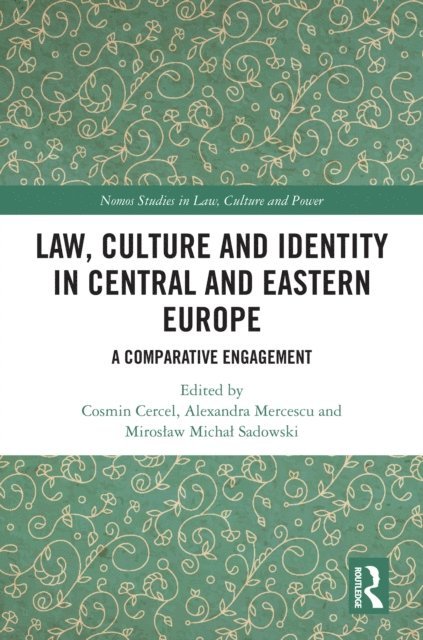
Law, Culture and Identity in Central and Eastern Europe
A Comparative Engagement
Av Miroslaw Michal Sadowski, Alexandra Mercescu m. fl.
E-bok, 2023
765 kr
Lägg i varukorg
Combining insights from comparative legal theory, jurisprudence and legal history, this collection examines the legal and constitutional identity of Central and Eastern Europe. Although the various countries of Central and Eastern Europe have often compared themselves to the West, the failure of …
Law, Culture and Identity in Central and Eastern Europe
A Comparative Engagement
Av Miroslaw Michal Sadowski, Alexandra Mercescu m. fl.
E-bok, 2023
765 kr
Lägg i varukorg
Combining insights from comparative legal theory, jurisprudence and legal history, this collection examines the legal and constitutional identity of Central and Eastern Europe. Although the various countries of Central and Eastern Europe have often compared themselves to the West, the failure of …
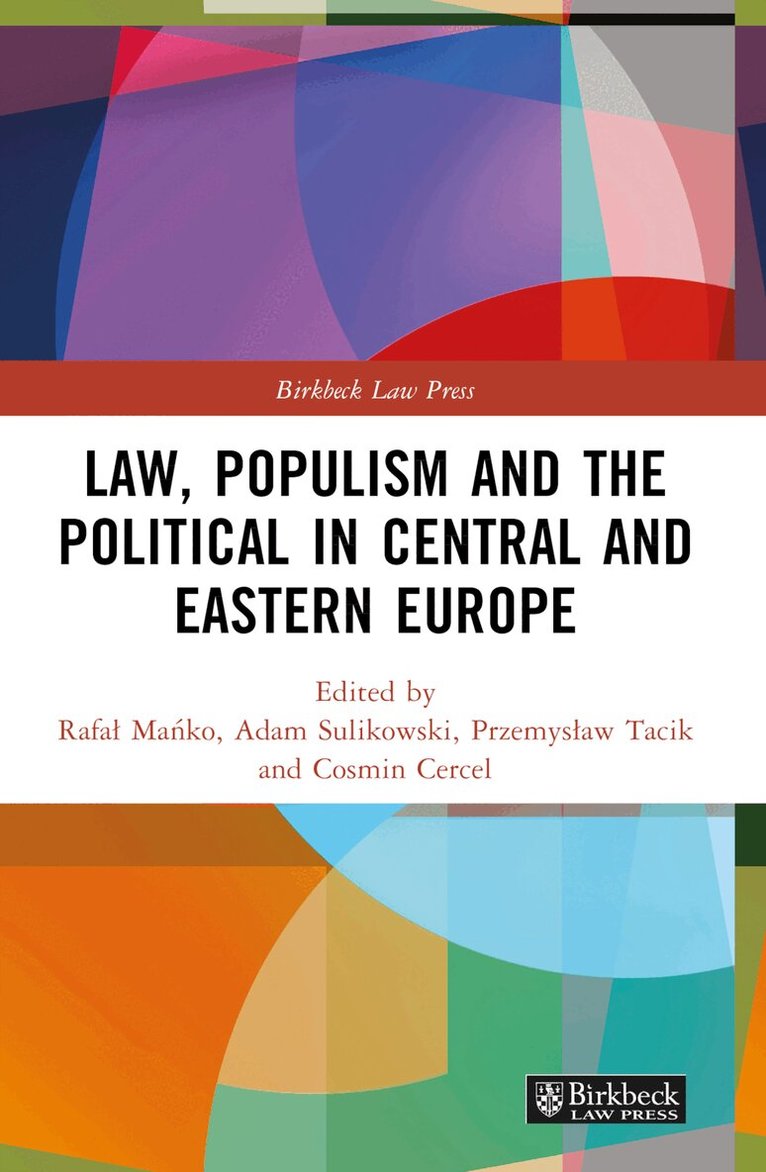
Law, Populism, and the Political in Central and Eastern Europe
Av Cosmin Cercel, Przemyslaw Tacik m. fl.
E-bok, 2023
765 kr
Lägg i varukorg
This book addresses the variety of right-wing illiberal populism which has emerged in Central and Eastern Europe (CEE). Against the backdrop of weak institutional traditions, frequent and profound transformations, and deep historical traumas affecting the law, politics, economy and society in the …
Law, Populism, and the Political in Central and Eastern Europe
Av Cosmin Cercel, Przemyslaw Tacik m. fl.
E-bok, 2023
765 kr
Lägg i varukorg
This book addresses the variety of right-wing illiberal populism which has emerged in Central and Eastern Europe (CEE). Against the backdrop of weak institutional traditions, frequent and profound transformations, and deep historical traumas affecting the law, politics, economy and society in the …
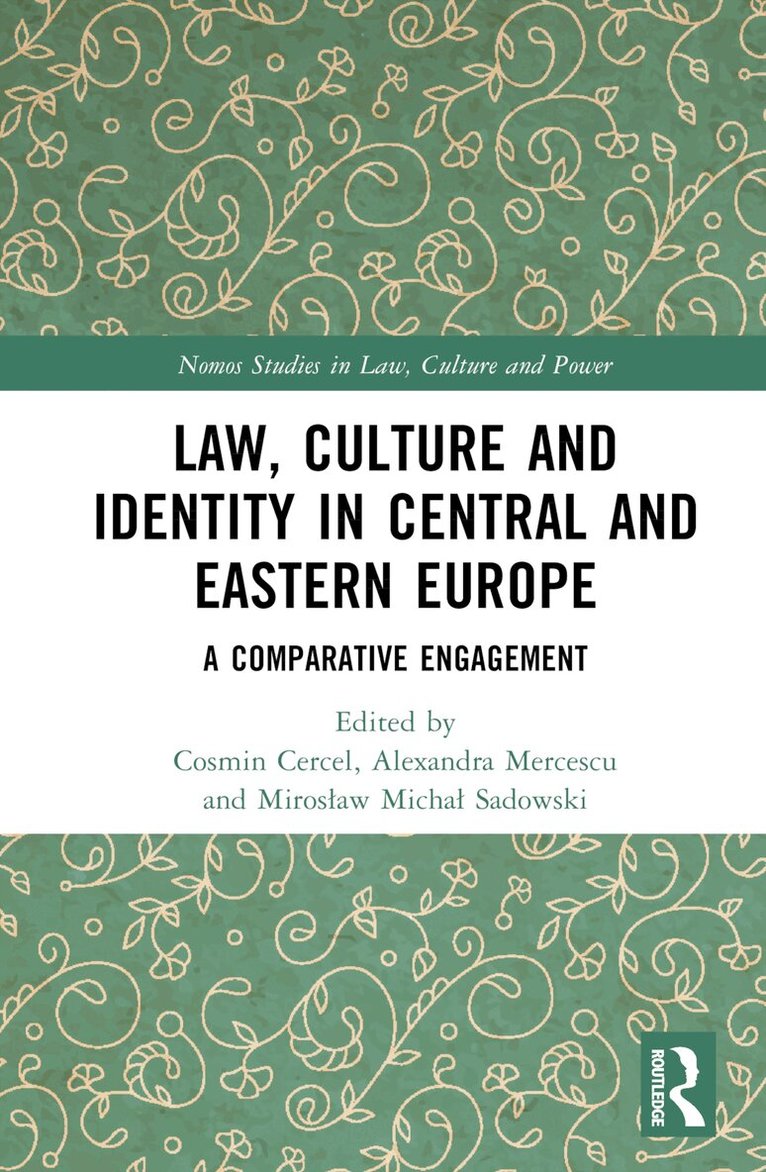
Law, Culture and Identity in Central and Eastern Europe
A Comparative Engagement
Av Cosmin Cercel, Alexandra Mercescu m. fl.
Inbunden, 2023
2525 kr
Lägg i varukorg
Combining insights from comparative legal theory, jurisprudence and legal history, this collection examines the legal and constitutional identity of Central and Eastern Europe.Although the various countries of Central and Eastern Europe have often compared themselves to the West, the failure of …
Law, Culture and Identity in Central and Eastern Europe
A Comparative Engagement
Av Cosmin Cercel, Alexandra Mercescu m. fl.
Häftad, 2025
649 kr
Lägg i varukorg
Combining insights from comparative legal theory, jurisprudence and legal history, this collection examines the legal and constitutional identity of Central and Eastern Europe.Although the various countries of Central and Eastern Europe have often compared themselves to the West, the failure of …
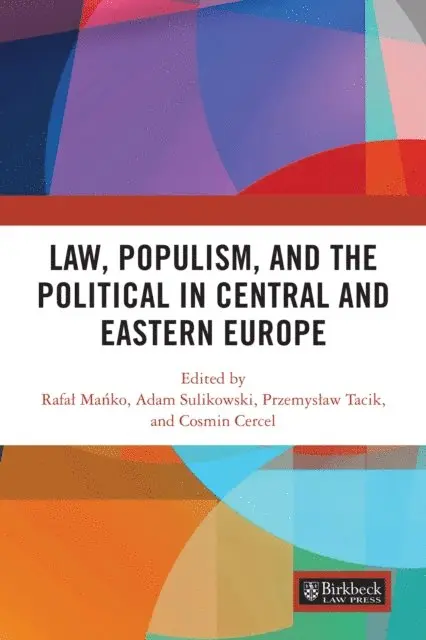
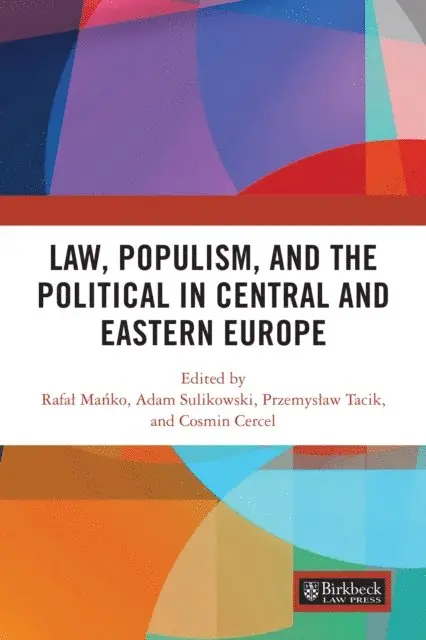
Law, Populism, and the Political in Central and Eastern Europe
Av Rafał Mańko, Adam Sulikowski m. fl.
Inbunden, 2023
2311 kr
Lägg i varukorg
This book addresses the variety of right-wing illiberal populism which has emerged in Central and Eastern Europe (CEE).Against the backdrop of weak institutional traditions, frequent and profound transformations, and deep historical traumas affecting the law, politics, economy and society in the …
Law, Populism, and the Political in Central and Eastern Europe
Av Rafał Mańko, Adam Sulikowski m. fl.
Häftad, 2025
649 kr
Lägg i varukorg
This book addresses the variety of right-wing illiberal populism which has emerged in Central and Eastern Europe (CEE).Against the backdrop of weak institutional traditions, frequent and profound transformations, and deep historical traumas affecting the law, politics, economy and society in the …
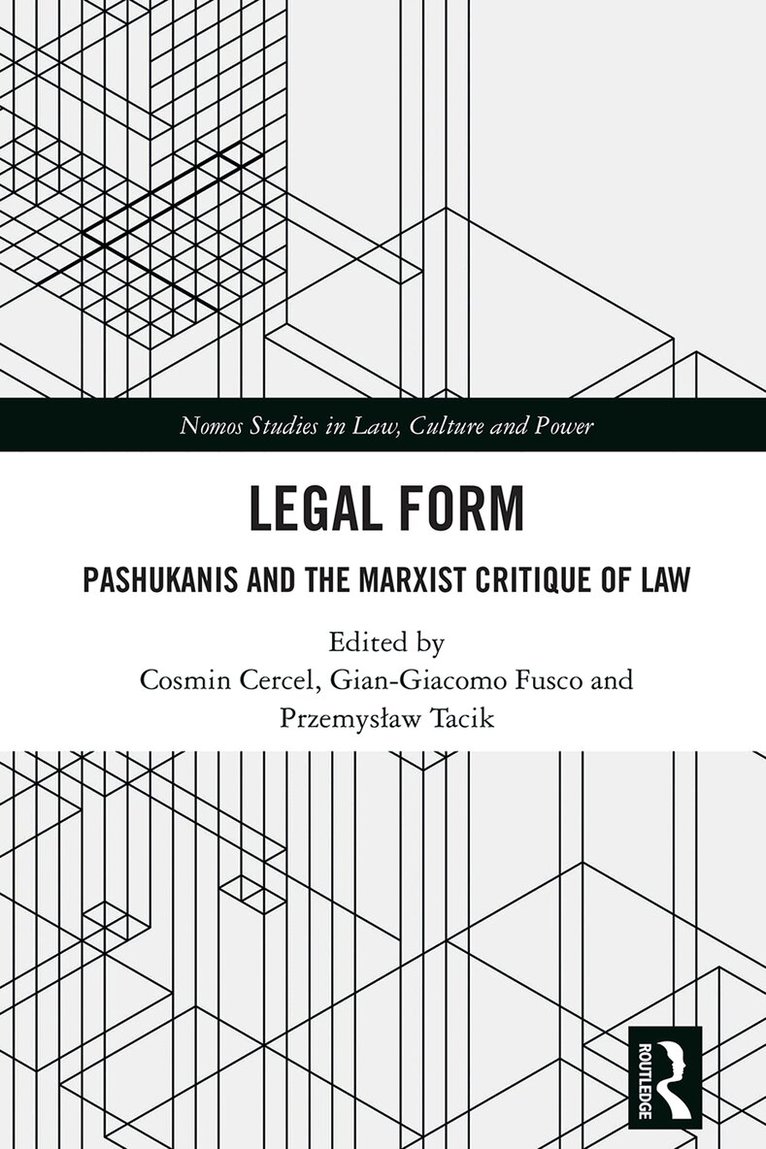
Legal Form
Pashukanis and the Marxist Critique of Law
Av Cosmin Cercel, Gian-Giacomo Fusco m. fl.
Inbunden, 2024
2311 kr
Lägg i varukorg
A century after the publication of Evgeny Pashukanis’ pivotal book General Theory of Law and Marxism, this collection presents a comprehensive account and analysis of his key concept of legal form.Evgeny Pashukanis’ General Theory, born amidst the fervour of the first socialist revolution, remains …
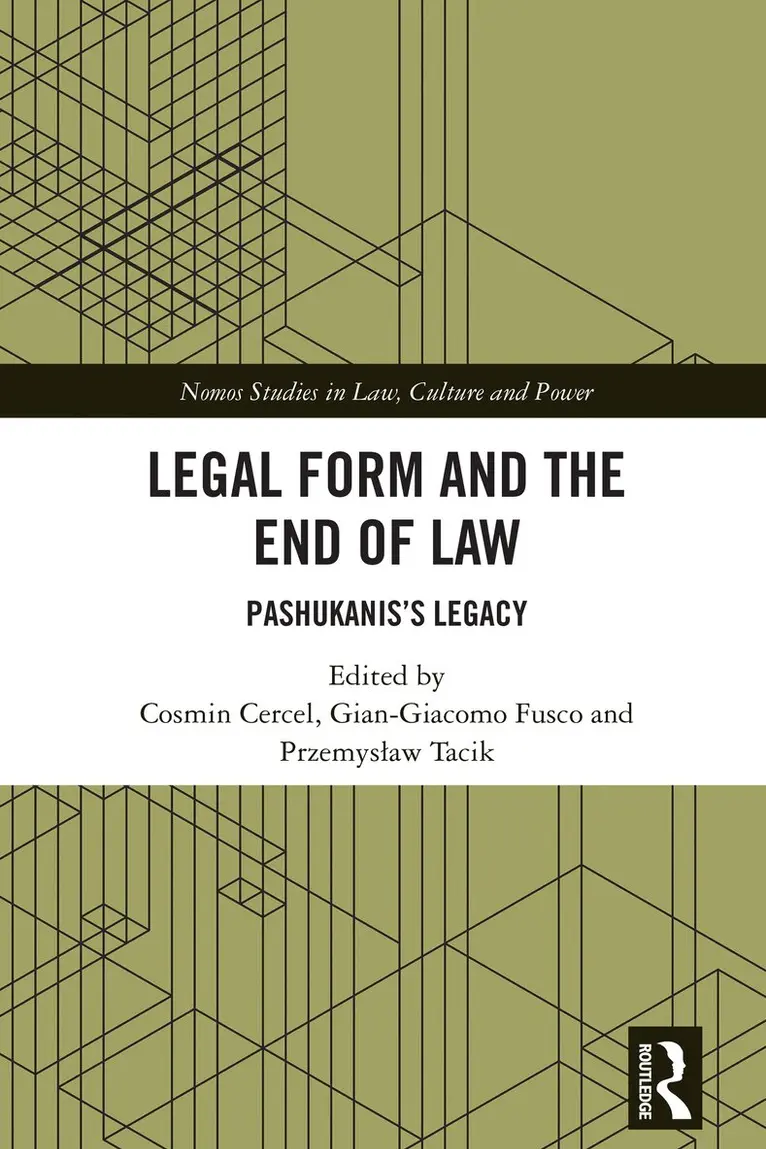
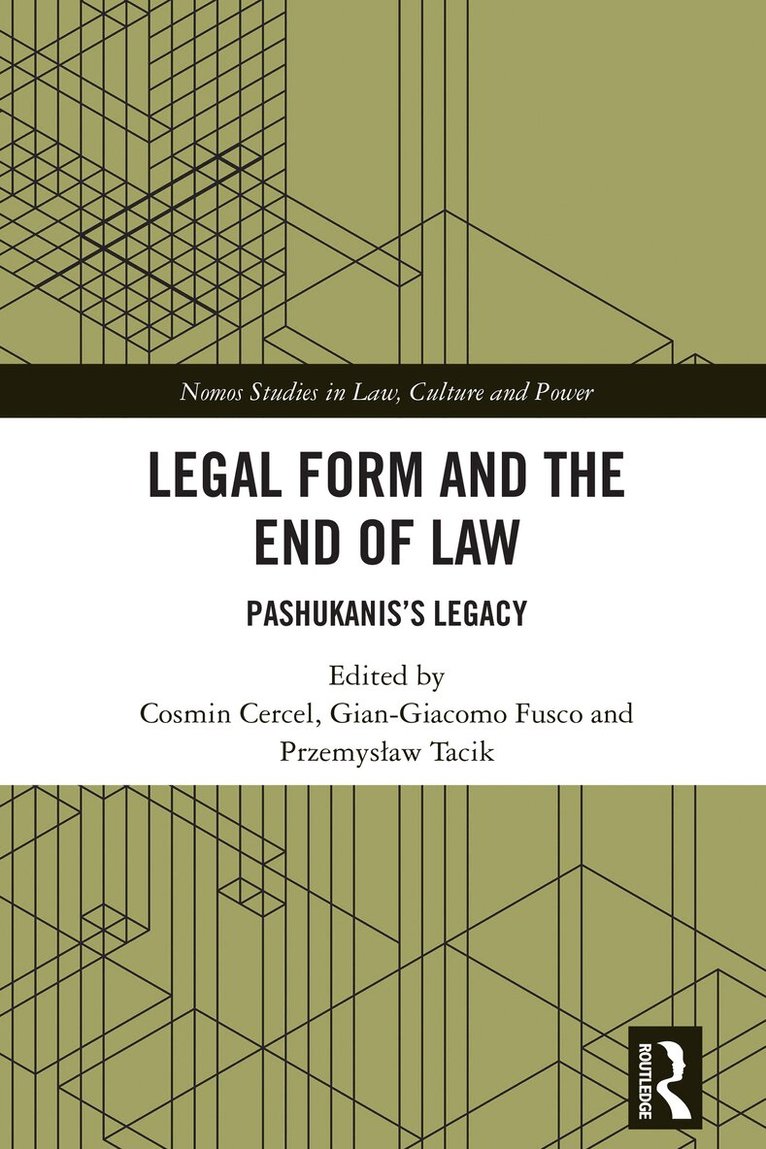
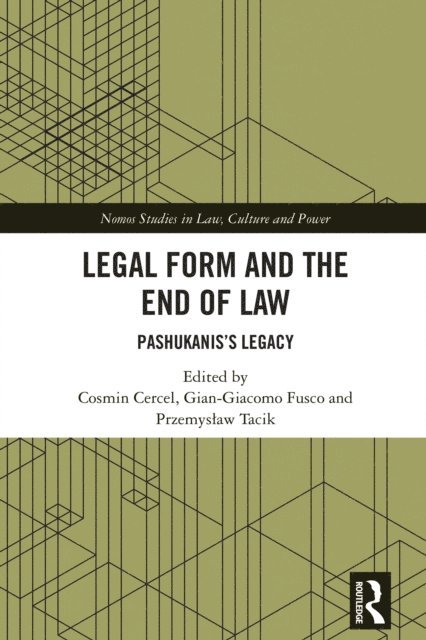
Legal Form and the End of Law
Pashukanis's Legacy
Av Cosmin Cercel, Gian-Giacomo Fusco m. fl.
Inbunden, 2024
2586 kr
Lägg i varukorg
Following the 100th anniversary of Pashukanis’ General Theory of Law and Marxism (1924), this volume aims to breathe new life into the main category of Pashukanian legacy, the concept of legal form. This book offers new, deeper and more general, ways in which the concept of legal form can be used …
Legal Form
Pashukanis and the Marxist Critique of Law
Av Cosmin Cercel, Gian-Giacomo Fusco m. fl.
Häftad, 2026
649 kr
Lägg i varukorg
A century after the publication of Evgeny Pashukanis’ pivotal book General Theory of Law and Marxism, this collection presents a comprehensive account and analysis of his key concept of legal form.Evgeny Pashukanis’ General Theory, born amidst the fervour of the first socialist revolution, remains …
Legal Form and the End of Law
Pashukanis's Legacy
Av Cosmin Cercel, Gian-Giacomo Fusco m. fl.
Häftad, 2026
649 kr
Lägg i varukorg
Following the 100th anniversary of Pashukanis’ General Theory of Law and Marxism (1924), this volume aims to breathe new life into the main category of Pashukanian legacy, the concept of legal form. This book offers new, deeper and more general, ways in which the concept of legal form can be used …
Legal Form
Pashukanis and the Marxist Critique of Law
Av Przemyslaw Tacik, Gian-Giacomo Fusco m. fl.
E-bok, 2024
765 kr
Lägg i varukorg
A century after the publication of Evgeny Pashukanis’ pivotal book General Theory of Law and Marxism , this collection presents a comprehensive account and analysis of his key concept of legal form. Evgeny Pashukanis’ General Theory , born amidst the fervour of the first socialist revolution, …
Legal Form
Pashukanis and the Marxist Critique of Law
Av Przemyslaw Tacik, Gian-Giacomo Fusco m. fl.
E-bok, 2024
765 kr
Lägg i varukorg
A century after the publication of Evgeny Pashukanis’ pivotal book General Theory of Law and Marxism , this collection presents a comprehensive account and analysis of his key concept of legal form. Evgeny Pashukanis’ General Theory , born amidst the fervour of the first socialist revolution, …
Legal Form and the End of Law
Pashukanis''s Legacy
Av Przemyslaw Tacik, Gian-Giacomo Fusco m. fl.
E-bok, 2024
765 kr
Lägg i varukorg
Following the 100th anniversary of Pashukanis’ General Theory of Law and Marxism (1924), this volume aims to breathe new life into the main category of Pashukanian legacy, the concept of legal form. This book offers new, deeper and more general, ways in which the concept of legal form can be used …
Legal Form and the End of Law
Pashukanis''s Legacy
Av Przemyslaw Tacik, Gian-Giacomo Fusco m. fl.
E-bok, 2024
765 kr
Lägg i varukorg
Following the 100th anniversary of Pashukanis’ General Theory of Law and Marxism (1924), this volume aims to breathe new life into the main category of Pashukanian legacy, the concept of legal form. This book offers new, deeper and more general, ways in which the concept of legal form can be used …
Towards A Jurisprudence of State Communism
Law and the Failure of Revolution
E-bok, 2017
795 kr
Lägg i varukorg
More than twenty-five years after the collapse of the Socialist bloc, the nature of the regimes in Eastern Europe between 1945 and 1989 continues to evade the attempts of political theorists and scholars of post-communism to define and classify them. Drawing on philosophical inquiry, …
Towards A Jurisprudence of State Communism
Law and the Failure of Revolution
E-bok, 2017
813 kr
Lägg i varukorg
More than twenty-five years after the collapse of the Socialist bloc, the nature of the regimes in Eastern Europe between 1945 and 1989 continues to evade the attempts of political theorists and scholars of post-communism to define and classify them. Drawing on philosophical inquiry, …
Towards A Jurisprudence of State Communism
Law and the Failure of Revolution
Inbunden, 2017
2318 kr
Lägg i varukorg
More than twenty-five years after the collapse of the Socialist bloc, the nature of the regimes in Eastern Europe between 1945 and 1989 continues to evade the attempts of political theorists and scholars of post-communism to define and classify them. Drawing on philosophical inquiry, …