Courtney Bruntz – författare
Visar alla böcker från författaren Courtney Bruntz. Handla med fri frakt och snabb leverans.
5 produkter
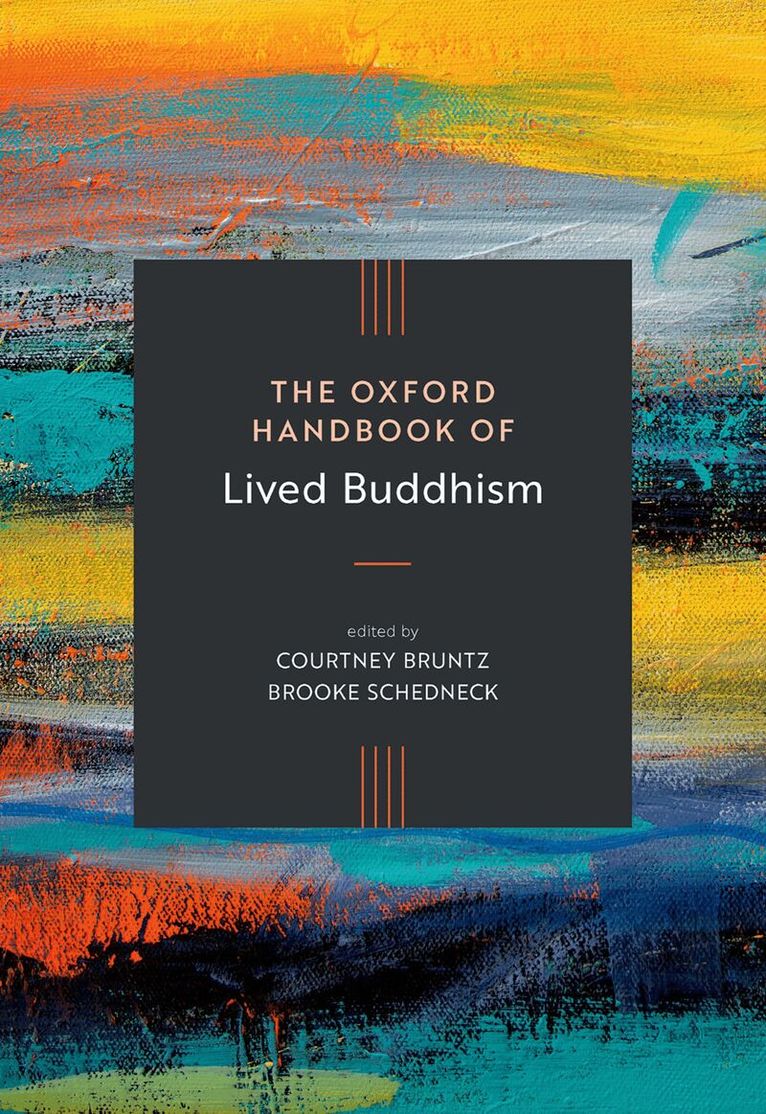
The Oxford Handbook of Lived Buddhism
Av Courtney Bruntz, Brooke Schedneck
Inbunden, 2026
2411 kr
Lägg i varukorg
Attention to lived religion has significantly shaped religious studies and has only recently impacted the field of Buddhism. Rather than asserting a separation between "real" religion happening within sacred scriptures and official organizations on the one hand, and "folk" traditions practiced by …
Oxford Handbook of Lived Buddhism
Av Brooke Schedneck, Courtney Bruntz
E-bok, 2025
2254 kr
Lägg i varukorg
Attention to lived religion has significantly shaped religious studies and has only recently impacted the field of Buddhism. Rather than asserting a separation between "e;real"e; religion happening within sacred scriptures and official organizations on the one hand, and "e;folk"e; …
Oxford Handbook of Lived Buddhism
Av Brooke Schedneck, Courtney Bruntz
E-bok, 2025
2254 kr
Lägg i varukorg
Attention to lived religion has significantly shaped religious studies and has only recently impacted the field of Buddhism. Rather than asserting a separation between "e;real"e; religion happening within sacred scriptures and official organizations on the one hand, and "e;folk"e; …
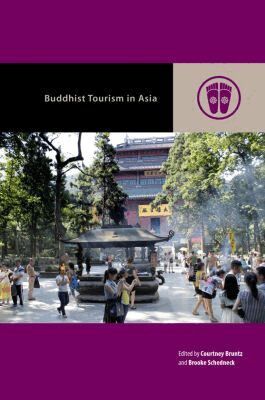
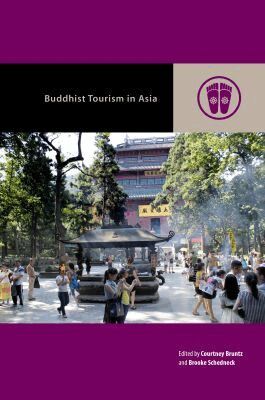
Buddhist Tourism in Asia
Av Courtney Bruntz, Brooke Schedneck
Häftad, 2021
328 kr
Lägg i varukorg
This innovative collaborative work-the first to focus on Buddhist tourism-explores how Buddhists, government organizations, business corporations, and individuals in Asia participate in re-imaginings of Buddhism through tourism. Contributors from religious studies, anthropology, and art history …
Buddhist Tourism in Asia
Av Courtney Bruntz, Brooke Schedneck m. fl.
Inbunden, 2020
900 kr
Tillfälligt slut
This innovative collaborative work-the first to focus on Buddhist tourism-explores how Buddhists, government organizations, business corporations, and individuals in Asia participate in re-imaginings of Buddhism through tourism. Contributors from religious studies, anthropology, and art history …