Brooke Schedneck – författare
Visar alla böcker från författaren Brooke Schedneck. Handla med fri frakt och snabb leverans.
12 produkter
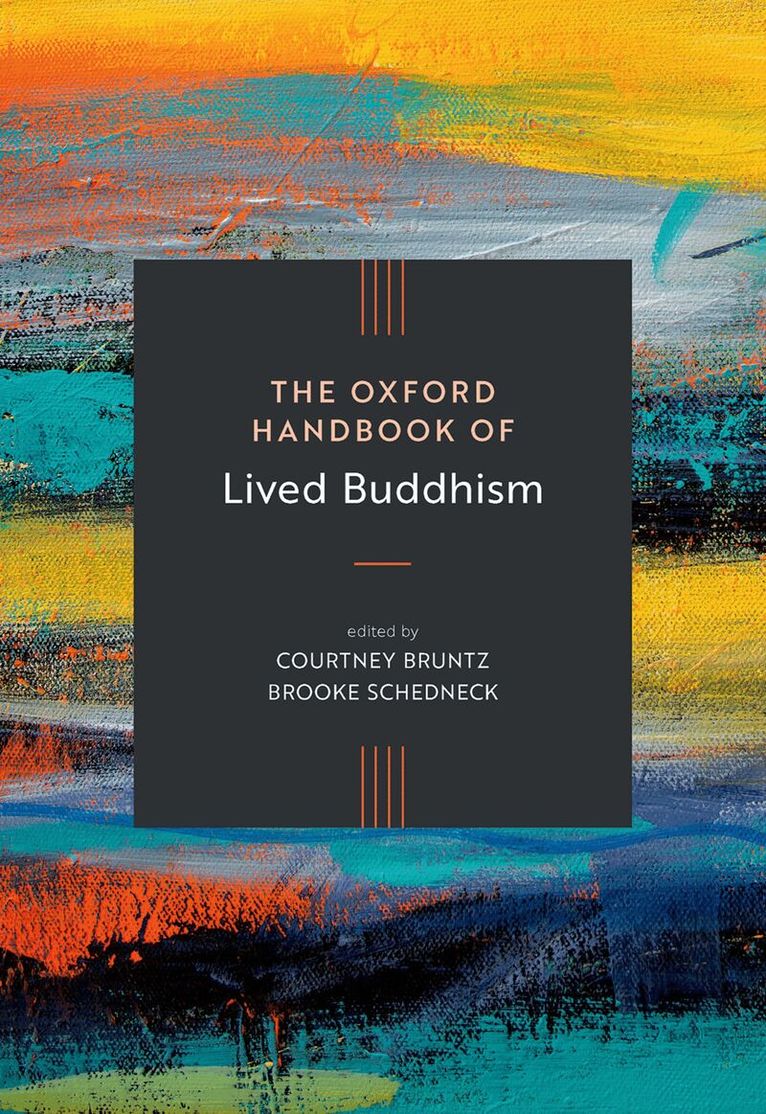
The Oxford Handbook of Lived Buddhism
Av Courtney Bruntz, Brooke Schedneck
Inbunden, 2026
2411 kr
Lägg i varukorg
Attention to lived religion has significantly shaped religious studies and has only recently impacted the field of Buddhism. Rather than asserting a separation between "real" religion happening within sacred scriptures and official organizations on the one hand, and "folk" traditions practiced by …
Oxford Handbook of Lived Buddhism
Av Brooke Schedneck, Courtney Bruntz
E-bok, 2025
2254 kr
Lägg i varukorg
Attention to lived religion has significantly shaped religious studies and has only recently impacted the field of Buddhism. Rather than asserting a separation between "e;real"e; religion happening within sacred scriptures and official organizations on the one hand, and "e;folk"e; …
Oxford Handbook of Lived Buddhism
Av Brooke Schedneck, Courtney Bruntz
E-bok, 2025
2254 kr
Lägg i varukorg
Attention to lived religion has significantly shaped religious studies and has only recently impacted the field of Buddhism. Rather than asserting a separation between "e;real"e; religion happening within sacred scriptures and official organizations on the one hand, and "e;folk"e; …
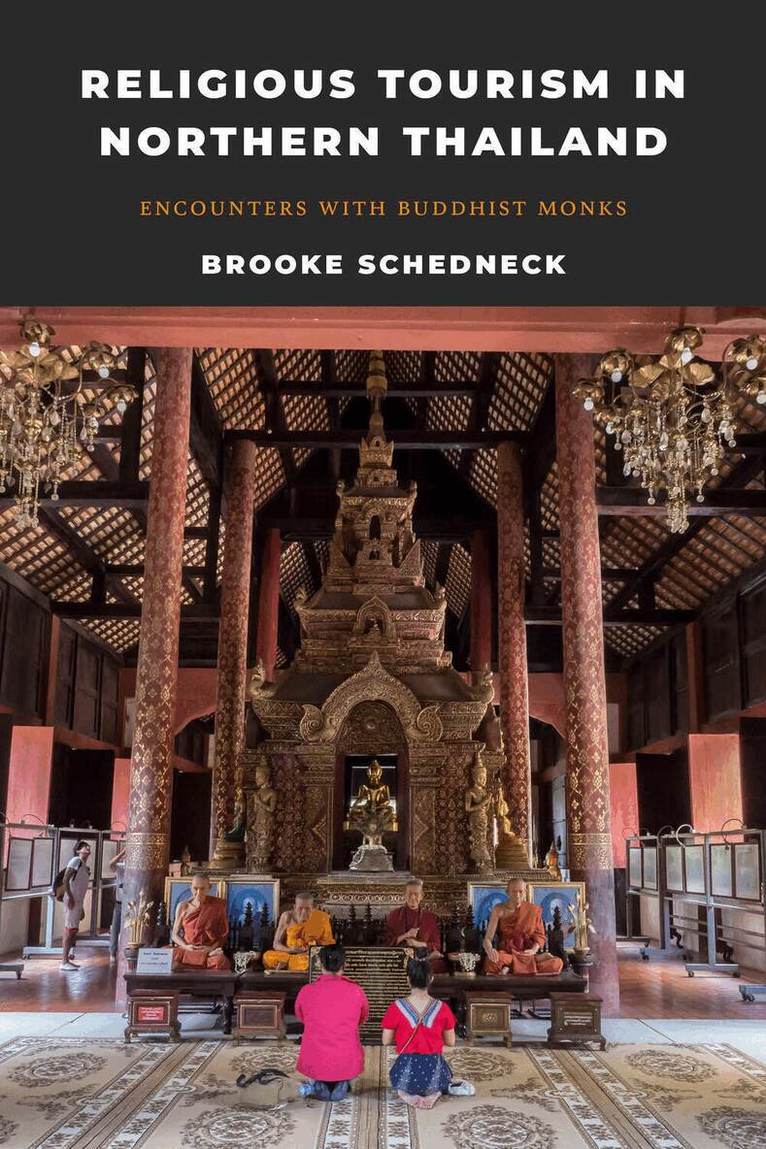
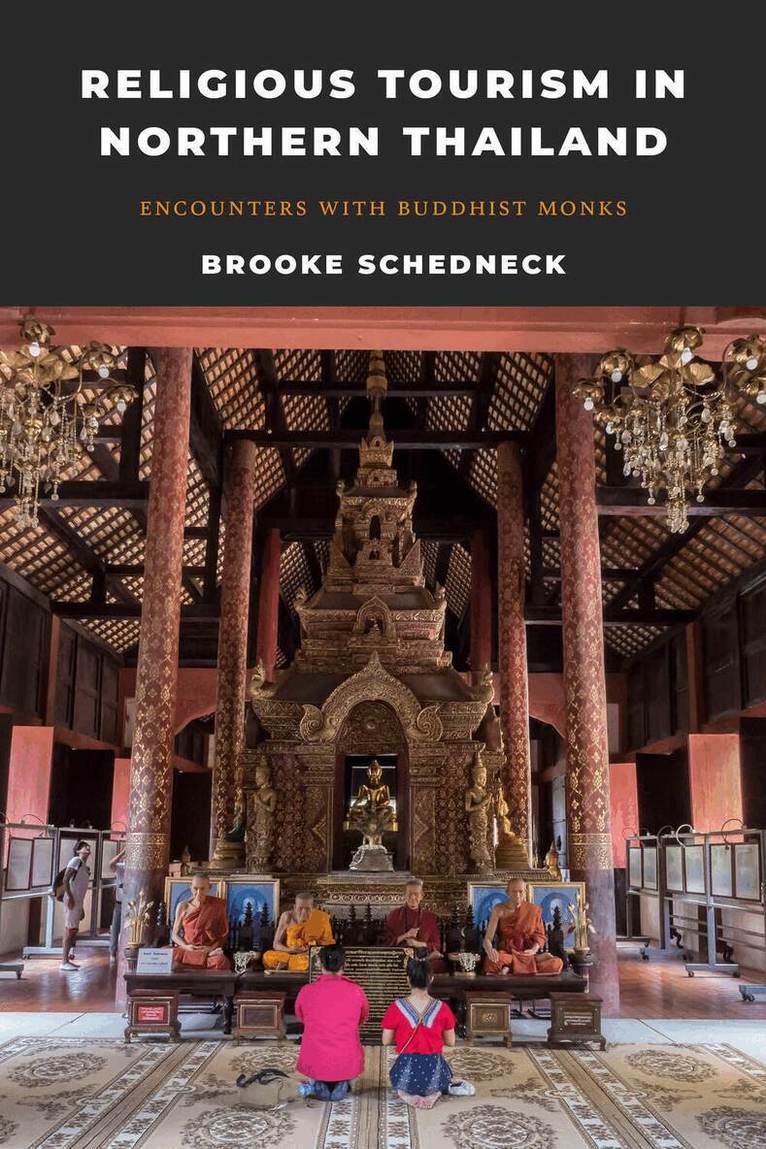
Religious Tourism in Northern Thailand
Encounters with Buddhist Monks
Inbunden, 2021
1866 kr
Lägg i varukorg
Cross-cultural dialogues in sacred space cultivate awareness of self and othersTemples are everywhere in Chiang Mai, filled with tourists as well as saffron-robed monks of all ages. The monks participate in daily urban life here as elsewhere in Thailand, where Buddhism is promoted, protected, and …
Religious Tourism in Northern Thailand
Encounters with Buddhist Monks
Häftad, 2021
463 kr
Lägg i varukorg
Cross-cultural dialogues in sacred space cultivate awareness of self and othersTemples are everywhere in Chiang Mai, filled with tourists as well as saffron-robed monks of all ages. The monks participate in daily urban life here as elsewhere in Thailand, where Buddhism is promoted, protected, and …
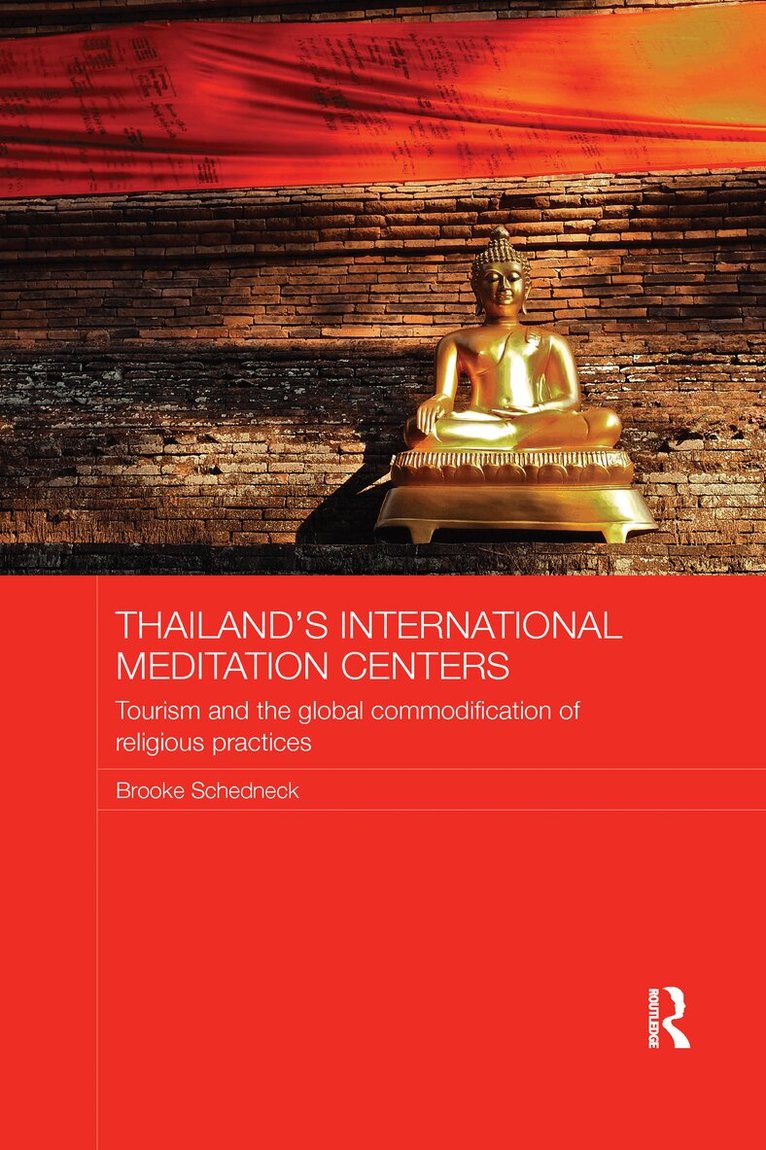
Thailand's International Meditation Centers
Tourism and the Global Commodification of Religious Practices
Inbunden, 2015
2504 kr
Lägg i varukorg
This book explores contemporary practices within the new institution of international meditation centers in Thailand. It discusses the development of the lay vipassana meditation movement in Thailand and relates Thai Buddhism to contemporary processes of commodification and globalisation. Through …
Buddhist Tourism in Asia
Av Courtney Bruntz, Brooke Schedneck
Häftad, 2021
328 kr
Lägg i varukorg
This innovative collaborative work-the first to focus on Buddhist tourism-explores how Buddhists, government organizations, business corporations, and individuals in Asia participate in re-imaginings of Buddhism through tourism. Contributors from religious studies, anthropology, and art history …
Thailand's International Meditation Centers
Tourism and the Global Commodification of Religious Practices
Häftad, 2017
791 kr
Lägg i varukorg
This book explores contemporary practices within the new institution of international meditation centers in Thailand. It discusses the development of the lay vipassana meditation movement in Thailand and relates Thai Buddhism to contemporary processes of commodification and globalisation. Through …
Thailand's International Meditation Centers
Tourism and the Global Commodification of Religious Practices
E-bok, 2015
908 kr
Lägg i varukorg
This book explores contemporary practices within the new institution of international meditation centers in Thailand. It discusses the development of the lay vipassana meditation movement in Thailand and relates Thai Buddhism to contemporary processes of commodification and globalisation. Through …
Thailand's International Meditation Centers
Tourism and the Global Commodification of Religious Practices
E-bok, 2015
935 kr
Lägg i varukorg
This book explores contemporary practices within the new institution of international meditation centers in Thailand. It discusses the development of the lay vipassana meditation movement in Thailand and relates Thai Buddhism to contemporary processes of commodification and globalisation. Through …
Buddhist Tourism in Asia
Av Courtney Bruntz, Brooke Schedneck m. fl.
Inbunden, 2020
900 kr
Tillfälligt slut
This innovative collaborative work-the first to focus on Buddhist tourism-explores how Buddhists, government organizations, business corporations, and individuals in Asia participate in re-imaginings of Buddhism through tourism. Contributors from religious studies, anthropology, and art history …