Craig F. Smith - Böcker
Visar alla böcker från författaren Craig F. Smith. Handla med fri frakt och snabb leverans.
4 produkter
4 produkter
849 kr
Skickas inom 7-10 vardagar
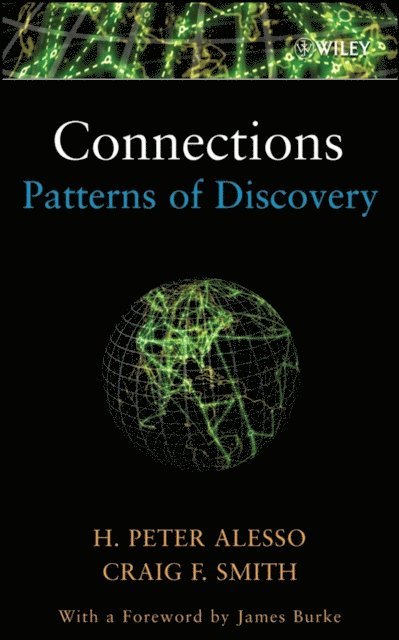
"In their fascinating analysis of the recent history of information technology, H. Peter Alesso and Craig F. Smith reveal the patterns in discovery and innovation that have brought us to the present tipping point. . . . A generation from now, every individual will have personally tailored access to the whole of knowledge . . . the sooner we all begin to think about how we got here, and where we're going, the better. This exciting book is an essentialfirst step."—From the Foreword by James BurkeMany people envision scientists as dispassionate characters who slavishly repeat experiments until "eureka"—something unexpected happens. Actually, there is a great deal more to the story of scientific discovery, but seeing "the big picture" is not easy. Connections: Patterns of Discovery uses the primary tools of forecasting and three archetypal patterns of discovery—Serendipity, Proof of Principle, and 1% Inspiration and 99% Perspiration—to discern relationships of past developments and synthesize a cohesive and compelling vision for the future. It challenges readers to think of the consequences of extrapolating trends, such as Moore's Law, to either reach real machine intelligence or retrench in the face of physical limitations. From this perspective,the book draws "the big picture" for the Information Revolution's innovations in chips, devices, software, and networks.With a Foreword by James Burke and bursting with fascinating detail throughout, Connections: Patterns of Discovery is a must-read for computer scientists, technologists, programmers, hardware and software developers, students, and anyone with an interest in tech-savvy topics.
498 kr
Skickas inom 7-10 vardagar
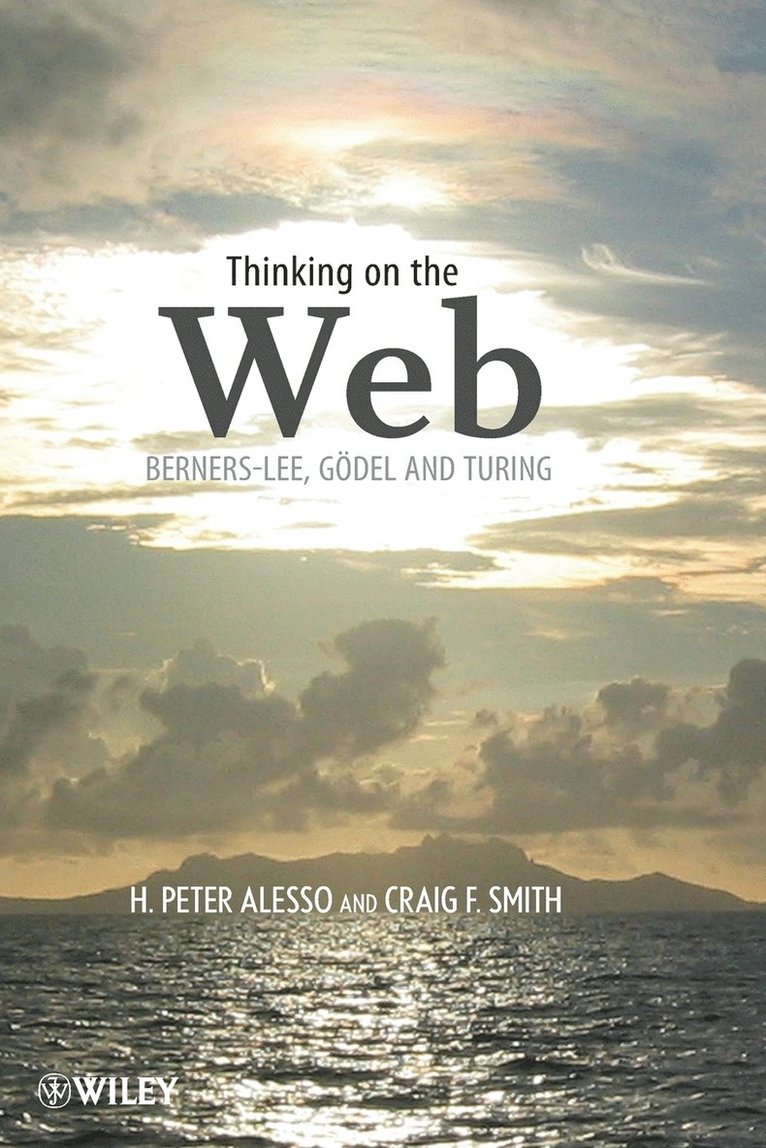
What Is Thinking? What is Turing's Test? What is Gödel's Undecidability Theorem? How is Berners-Lee's Semantic Web logic going to overcome paradoxes and complexity to produce machine processing on the Web?Thinking on the Web draws from the contributions of Tim Berners-Lee (What is solvable on the Web?), Kurt Gödel (What is decidable?), and Alan Turing (What is machine intelligence?) to evaluate how much "intelligence" can be projected onto the Web.The authors offer both abstract and practical perspectives to delineate the opportunities and challenges of a "smarter" Web through a threaded series of vignettes and a thorough review of Semantic Web development.
2 565 kr
Skickas inom 10-15 vardagar
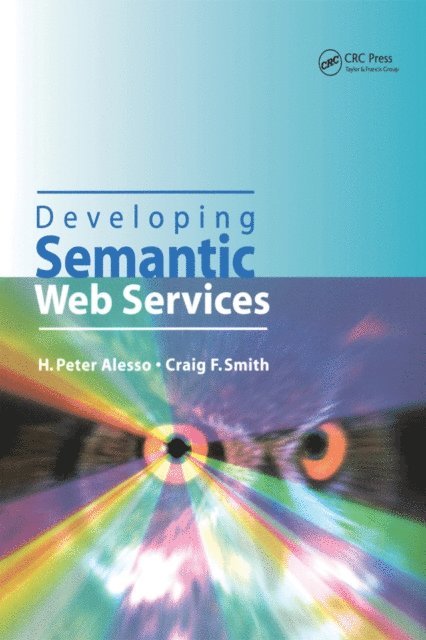
Developing Semantic Web Services is "well-informed about work on WS [Web Services] and the SemWeb [Semantic Web], and in particular . . . understand[s] OWL-S . . . very well . . .. Also, the book . . . fill[s] a need that, to my knowledge, hasn't been met at all." ---David Martin, editor OWL-S Coalition The inventor of the World Wide Web, Tim Berners-Lee, is also the originator of the next generation Web architecture, the Semantic Web. Currently, his World Wide Web consortium (W3C) team works to develop, extend, and standardize the Web's markup languages and tools. The objective of the Semantic Web Architecture is to provide a knowledge representation of linked data in order to allow machine processing on a global scale. The W3C has developed a new generation of open standard markup languages which are now poised to unleash the power, flexibility, and above all---logic---of the next generation Web, as well as open the door to the next generation of Web Services. There are many ways in which the two areas of Web Services and the Semantic Web could interact to lead to the further development of Semantic Web Services. Berners-Lee has suggested that both of these technologies would benefit from integration that would combine the Semantic Web's meaningful content with Web Services' business logic. Areas such as UDDI and WSDL are ideally suited to be implemented using Semantic Web technology. In addition, SOAP could use RDF payloads, remote RDF query and updates, and interact with Semantic Web business rules engines, thereby laying the foundation for Semantic Web Services. This book presents the complete Language Pyramid of Web markup languages, including Resource Description Framework (RDF), Web Ontology Language (OWL) and OWL-Services (OWL-S) along with examples and software demos. The source code for the "Semantic Web Author," an Integrated Development Environment for Semantic Markup Languages is available on CD-ROM with the book.
1 013 kr
Tillfälligt slut
Developing Semantic Web Services is "well-informed about work on WS [Web Services] and the SemWeb [Semantic Web], and in particular . . . understand[s] OWL-S . . . very well . . .. Also, the book . . . fill[s] a need that, to my knowledge, hasn't been met at all." ---David Martin, editor OWL-S Coalition The inventor of the World Wide Web, Tim Berners-Lee, is also the originator of the next generation Web architecture, the Semantic Web. Currently, his World Wide Web consortium (W3C) team works to develop, extend, and standardize the Web's markup languages and tools. The objective of the Semantic Web Architecture is to provide a knowledge representation of linked data in order to allow machine processing on a global scale. The W3C has developed a new generation of open standard markup languages which are now poised to unleash the power, flexibility, and above all---logic---of the next generation Web, as well as open the door to the next generation of Web Services. There are many ways in which the two areas of Web Services and the Semantic Web could interact to lead to the further development of Semantic Web Services. Berners-Lee has suggested that both of these technologies would benefit from integration that would combine the Semantic Web's meaningful content with Web Services' business logic. Areas such as UDDI and WSDL are ideally suited to be implemented using Semantic Web technology. In addition, SOAP could use RDF payloads, remote RDF query and updates, and interact with Semantic Web business rules engines, thereby laying the foundation for Semantic Web Services. This book presents the complete Language Pyramid of Web markup languages, including Resource Description Framework (RDF), Web Ontology Language (OWL) and OWL-Services (OWL-S) along with examples and software demos. The source code for the "Semantic Web Author," an Integrated Development Environment for Semantic Markup Languages is available on CD-ROM with the book.