Craig Howes – författare
Visar alla böcker från författaren Craig Howes. Handla med fri frakt och snabb leverans.
8 produkter
Voices of the Vietnam POWs
Witnesses to Their Fight
Av Craig Howes
Häftad, 1993
1291 kr
Lägg i varukorg
In the first book to explore the entire range of memoirs, biographies, and group histories published since America's Vietnam POWs returned home, Craig Howes describes how these captives drew upon their national heritage to compose a collective history while still in prison, and how individual POWs …
Voices of the Vietnam POWs
Witnesses to Their Fight
Av Craig Howes
E-bok, 1993
823 kr
Lägg i varukorg
Unsure whether they would be greeted as traitors or heroes, POWs returning from Vietnam responded by holding tight to their chosen motto, "Return with Honor." "We''re giving the American people what they want and badly need--heroes," said a Vietnam jungle POW. "I feel it''s our responsibility, our …
A History of British Comic and Satiric Periodicals in the Long Nineteenth Century
Laughter and Attack
Av Craig Howes
Inbunden, 2026
2819 kr
Kommande
A History of British Comic and Satiric Periodicals in the Long Nineteenth Century: Laughter and Attack offers a comprehensive, highly detailed critical history of these publications, and supplies extensive bibliographical information about them. The volume directs readers to the pertinent …
Voices of the Vietnam POWs
Witnesses to Their Fight
Av Craig Howes
E-bok, 1993
823 kr
Lägg i varukorg
Unsure whether they would be greeted as traitors or heroes, POWs returning from Vietnam responded by holding tight to their chosen motto, "Return with Honor." "We''re giving the American people what they want and badly need--heroes," said a Vietnam jungle POW. "I feel it''s our responsibility, our …
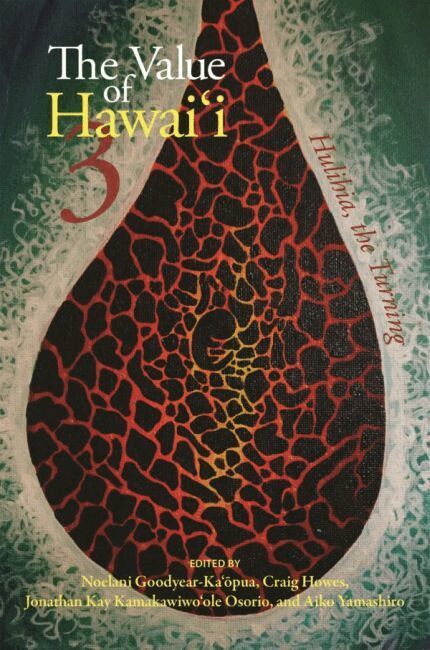
Value of Hawai'i 3
Hulihia, the Turning
Av Noelani Goodyear-Ka‘?pua, Craig Howes m. fl.
Häftad, 2021
312 kr
Lägg i varukorg
Hulihia" refers to massive upheavals that change the landscape, overturn the normal, reverse the flow, and sweep away the prevailing or assumed. We live in such days. Pandemics. Threats to Ê»Äina. Political dysfunction, cultural appropriation, and disrespect. But also powerful surges toward …
Tour of Duty
Samurai, Military Service in Edo, and the Culture of Early Modern Japan
Av Constantine Nomikos Vaporis, Craig Howes m. fl.
Häftad, 2009
252 kr
Tillfälligt slut
Alternate attendance (sankin kotai) was one of the central institutions of Edo-period (1603–1868) Japan and one of the most unusual examples of a system of enforced elite mobility in world history. It required the daimyo to divide their time between their domains and the city of Edo, where they …
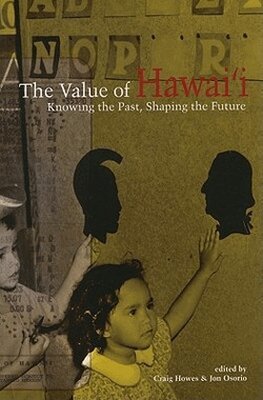
Value of Hawai'i
Knowing the Past, Shaping the Future
Av Craig Howes, Osorio
Häftad, 2010
217 kr
Tillfälligt slut
Value of Hawai'i 3
Hulihia, the Turning
Av Noelani Goodyear-Ka‘?pua, Craig Howes m. fl.
Inbunden, 2021
814 kr
Tillfälligt slut
Hulihia" refers to massive upheavals that change the landscape, overturn the normal, reverse the flow, and sweep away the prevailing or assumed. We live in such days. Pandemics. Threats to Ê»Äina. Political dysfunction, cultural appropriation, and disrespect. But also powerful surges toward …