Craig Muldrew - Böcker
Visar alla böcker från författaren Craig Muldrew. Handla med fri frakt och snabb leverans.
2 produkter
2 produkter
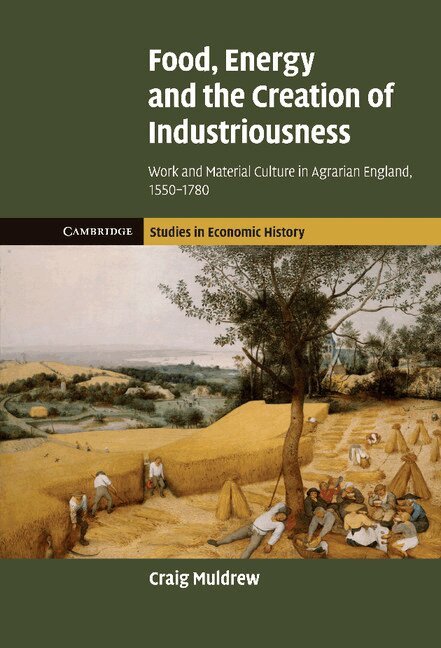
Food, Energy and the Creation of Industriousness
Work and Material Culture in Agrarian England, 1550-1780
Inbunden, Engelska, 2011
1 485 kr
Skickas inom 7-10 vardagar
Until the widespread harnessing of machine energy, food was the energy which fuelled the economy. In this groundbreaking 2011 study of agricultural labourers' diet and material standard of living, Craig Muldrew uses empirical research to present a much fuller account of the interrelationship between consumption, living standards and work in the early modern English economy than has previously existed. The book integrates labourers into a study of the wider economy and engages with the history of food as an energy source and its importance to working life, the social complexity of family earnings, and the concept of the 'industrious revolution'. It argues that 'industriousness' was as much the result of ideology and labour markets as labourers' household consumption. Linking this with ideas about the social order of early modern England, the author demonstrates that bread, beer and meat were the petrol of this world, and a springboard for economic change.
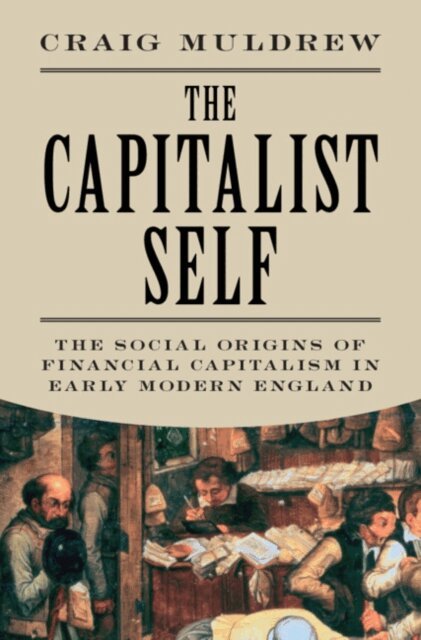
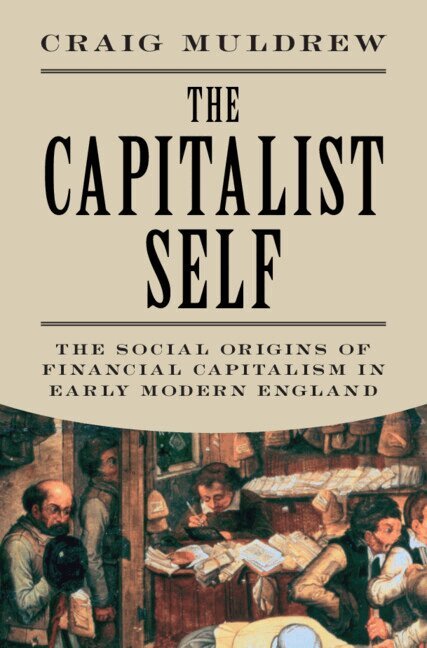
The Capitalist Self
The Social Origins of Financial Capitalism in Early Modern England
Inbunden, Engelska, 2025
461 kr
Skickas inom 7-10 vardagar
In this radical reinterpretation of the Financial Revolution, Craig Muldrew redefines our understanding of capitalism as a socially constructed set of institutions and beliefs. Financial institutions, including the Bank of England and the stock market, were just one piece of the puzzle. Alongside institutional developments, changes in local credit networks involving better accounting, paper notes and increased mortgaging were even more important. Muldrew argues that, before a society can become capitalist, most of its members have to have some engagement with 'capital' as a thing - a form of stored intangible financial value. He shows how previous oral interpersonal credit was transformed into capital through the use of accounting and circulating paper currency, socially supported by changing ideas about the self which stressed individual savings and responsibility. It was only through changes throughout society that the framework for a concept like capitalism could exist and make sense.