• Fri frakt över 249 kr
  • •
  • Snabba leveranser
  • •
  • Billiga böcker
Kundservice

Du är på sajten för privatpersoner.

Företag, bibliotek eller offentlig verksamhet?

Du handlar på classic.bokus.com, där alla dina funktioner finns intakta.
Till classic.bokus.com
Bokus logotyp. Gå till startsidan.
  • Erbjudanden
  • Nyheter
  • Student
  • Topplistor
  • Barn & ungdom
  • Bokus Play
  • E-böcker
  • Pocketböcker
  • Spel & pussel

10% rabatt på allt med kod: NYSTART10 →

Sidfot

Mina sidor

    Hjälp

    • Kundservice
    • Vanliga frågor och svar
    • Frakt och leverans
    • Retur vid ångerrätt
    • Reklamera vara
    • Betalning
    • Köpvillkor
    • Allmänna villkor
    • Information om webbplatsens tillgänglighet

    Om Bokus

    • Om oss
    • Pressrum
    • För studenter
    • För företag
    • För bibliotek och offentlig verksamhet
    • För leverantörer
    • Hållbarhet

    Populärt

    • Aktuella erbjudanden
    • Presentkort
    • Studentlitteratur
    • Nya böcker
    • Topplistor
    • Signerade böcker
    • Engelska böcker

    Inspiration

    • Boktips
    • BookTok
    • Populära bokserier
    • Barnbokskaraktärer
    • Populära författare
    Logotyp för Bokus
    Följ oss på Facebook (extern länk)Följ oss på Instagram (extern länk)Följ oss på YouTube (extern länk)Följ oss på TikTok (extern länk)
    bokus @ CookiesAnpassa cookiesIntegritetspolicyKöpvillkor
    Till Citymail hemsida (extern länk)Till Budbee hemsida (extern länk)Till Postnord hemsida (extern länk)Till Schenker hemsida (extern länk)Till Early Bird hemsida (extern länk)Till Walleys hemsida (extern länk)
    1. Ekonomi och Ledarskap
    2. Nationalekonomi
    3. Ekonomisk historia

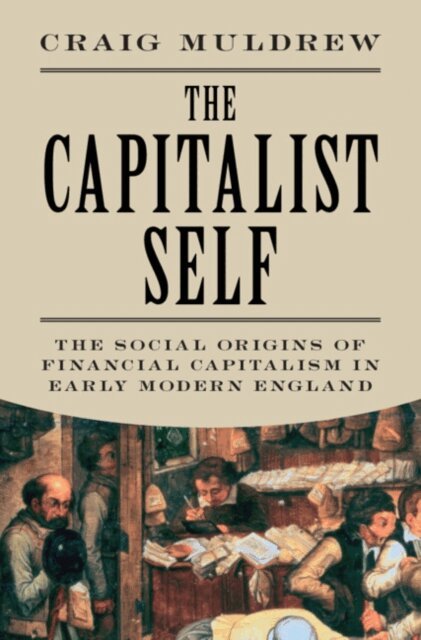
    The Capitalist Self

    The Social Origins of Financial Capitalism in Early Modern England

    AvCraig Muldrew

    Inbunden, Engelska, 2025

    469 kr

    Tillfälligt slut

    Beskrivning

    In this radical reinterpretation of the Financial Revolution, Craig Muldrew redefines our understanding of capitalism as a socially constructed set of institutions and beliefs. Financial institutions, including the Bank of England and the stock market, were just one piece of the puzzle. Alongside institutional developments, changes in local credit networks involving better accounting, paper notes and increased mortgaging were even more important. Muldrew argues that, before a society can become capitalist, most of its members have to have some engagement with 'capital' as a thing - a form of stored intangible financial value. He shows how previous oral interpersonal credit was transformed into capital through the use of accounting and circulating paper currency, socially supported by changing ideas about the self which stressed individual savings and responsibility. It was only through changes throughout society that the framework for a concept like capitalism could exist and make sense.

    Produktinformation

    • Utgivningsdatum:2025-10-30
    • Mått:230 x 40 x 150 mm
    • Vikt:835 g
    • Format:Inbunden
    • Språk:Engelska
    • Antal sidor:464
    • Förlag:Cambridge University Press
    • ISBN:9781009644471

    Utforska kategorier

    • Ekonomisk historia inom Ekonomi och Ledarskap
    • Makroekonomi inom Ekonomi och Ledarskap

    Mer om författaren

    Craig Muldrew is Professor of Early Modern Social and Economic History at the University of Cambridge. He is the author of The Economy of Obligation (1998), which transformed the way we think of the relation of local credit to society.

    Recensioner i media

    'This book explores the multiple economic, institutional, moral and social components that enabled capitalism to penetrate down to the village elite and to produce profound social upheavals. Through rich analysis carried out close to the various actors, this book fundamentally renews our knowledge of the birth and development of capitalism in Britain.' Laurence Fontaine, author of The Moral Economy: Poverty, Credit, and Trust in Early Modern Europe

    Innehållsförteckning

    • Introduction: capitalism and dependence; 1. Early modern capitalism: a concept too big to fail?; 2. Value in motion: the inheritance of merchant capital and debates over credit; 3. The financial revolution in the provinces: the creation of local paper currencies; 4. Little land banks: the mortgaging revolution; 5. An ethical fulcrum: from participation in the body of Christ to the happy self; 6. Practical ethics, the self, and the economy in an era of religious dissent; 7. Litigation decline and the transformation of legal culture; 8. The dark side of thrift: capital and class formation – institutional stability and ethical inequality; 9. The success of the first 'modern' banks: Scotland and the thirteen colonies, and failure in France; 10. The emergence of local bankers in England, savings and Adam Smith's 'Capitalism'; Conclusion; Epilogue: the phantom of liberty.