Häftad, Engelska, 2026
876 kr
Skickas inom 5-8 vardagar
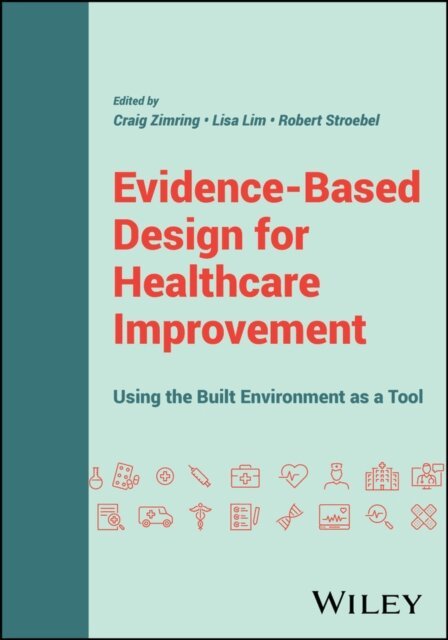
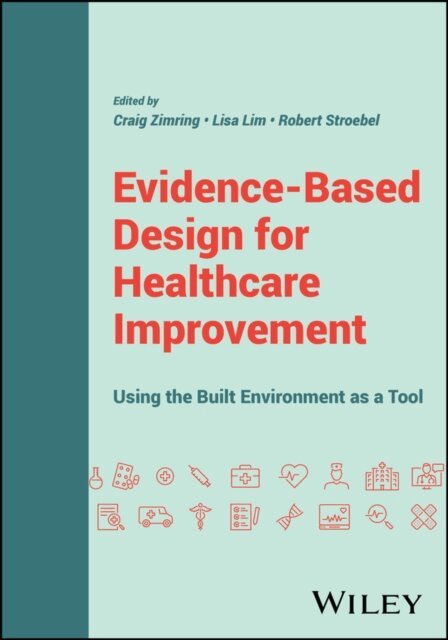
Evidence-Based Design for Healthcare ImprovementA practical and timely guide to using Evidence-Based Design (EBD) to transform healthcare.Evidence-Based Design for Healthcare Improvement shows how the built environment can be a powerful tool for advancing healthcare outcomes. With accessible, well-illustrated chapters written by leading experts in EBD in collaboration with clinicians, this book bridges the gap between research and practice.Focusing on areas where design has the greatest impact—teamwork, safety and infection prevention, patient experience, lighting, wayfinding, and inpatient room design—each chapter offers a concise introduction, key studies, successful project examples, and actionable design strategies.Inside, readers will find: How EBD addresses core challenges in U.S. healthcare—directly and indirectlyWays that design can drive, not just reflect, change in healthcare systemsResearch-based strategies to improve outcomes for patients, families, staff, and organizationsSpecific examples where EBD has measurably improved healthcare environmentsPractical guidance for designers, health system leaders, and researchers—plus a look at what’s nextWhether you’re a healthcare executive, architect, researcher, or student, Evidence-Based Design for Healthcare Improvement is an essential resource for harnessing the built environment to deliver better care.Foreword by Dr. Hamilto. List of Contributors:David Allison, Clemson UniversitySheila J. Bosch, University of FloridaMark Burnett, Scott County HospitalIlene Busch-Vishniac, BeoGrin ConsultingHui Cai, Georgia Institute of TechnologyJoshua D. Crews, Crews + Co.Jennifer DuBose, Georgia State UniversityHeather Fellows, Crews + Co.Mohammadhossein Ghasempourabadi, University of AlaskaLindsey B. Gottlieb, Emory University School of MedicineSaif Haq, Kennesaw State UniversityJesse T. Jacob, Emory University School of MedicineAnjali Joseph, Clemson UniversityLisa Lim, Korea Advanced Institute of Science and Technology (KAIST)Lesa N. Lorusso, Baptist HealthKari L. Love, Emory UniversityLorissa MacAllister, EnviahHerminia Machry, University of KansasZorana Mati´c, Northeastern UniversityMarc Matthews, Mayo ClinicMaureen Ann McHale Burke, Emory Goizueta Brain Health InstituteRaha Motamed Rastegar, Georgia Institute of TechnologyJoel Mumma, Emory University School of MedicineTatiana Orozco, Gresham SmithJennifer Pecina, Mayo ClinicScott Reeves, Medical University of South CarolinaDagmar Rittenbacher, Gresham SmithErica Ryherd, University of Nebraska – LincolnBonnie Sakallaris, GeorgeWashington UniversityChris P. Schieffer, Mayo ClinicBrock Slabach, National Rural Health AssociationKent Spreckelmeyer, University of KansasRobert Stroebel, Mayo ClinicShabboo Valipoor, University of FloridaEunhwa Yang, Georgia Institute of TechnologyChristina Ying Ying Chen, Mayo ClinicCraig Zimring, Georgia Institute of Technology