C.U.M. Smith – författare
Visar alla böcker från författaren C.U.M. Smith. Handla med fri frakt och snabb leverans.
7 produkter
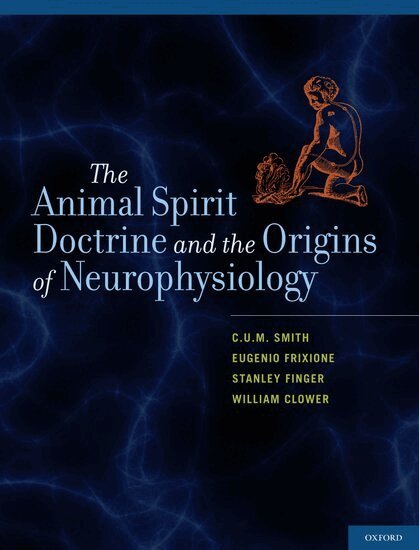
The Animal Spirit Doctrine and the Origins of Neurophysiology
Av C.U.M. Smith, Eugenio Frixione m. fl.
Inbunden, 2012
3315 kr
Lägg i varukorg
How do we become aware of things and events in the outside world, and how does the brain control the muscular system and behavior? This book examines the history of Western attempts to explain how messages might be sent from the sense organs to the brain and from the brain to the muscles. It …
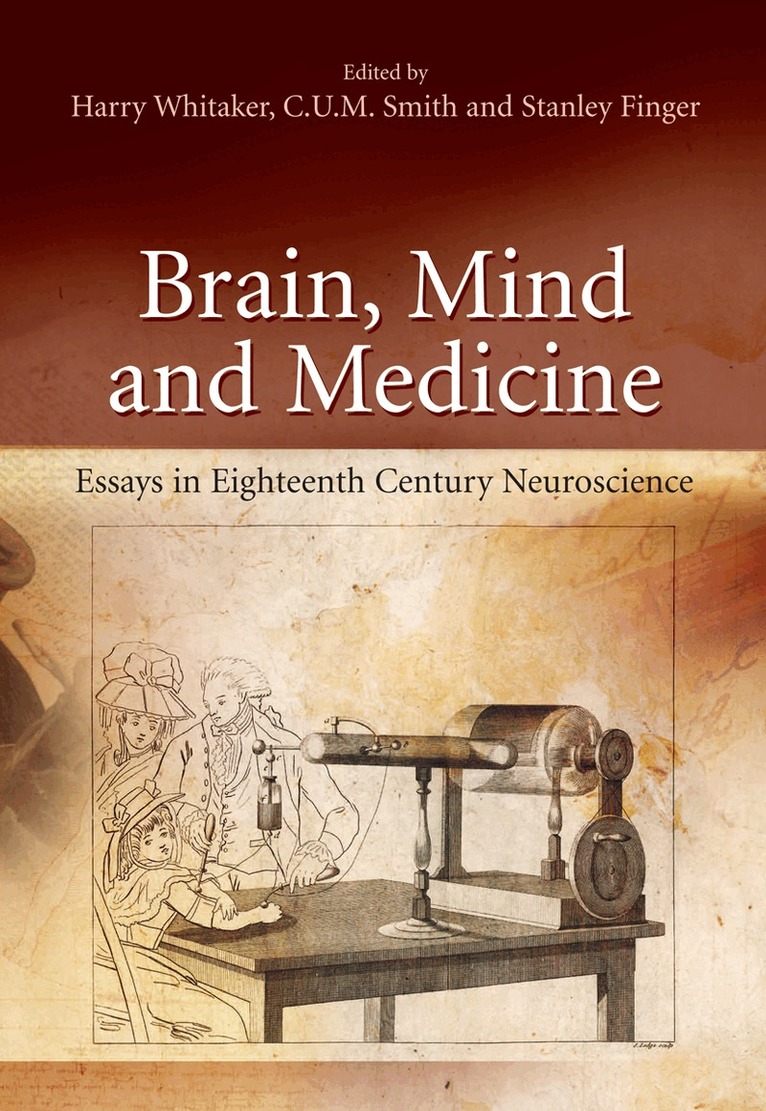
Brain, Mind and Medicine:
Essays in Eighteenth-Century Neuroscience
Av Harry Whitaker, C.U.M. Smith m. fl.
Inbunden, 2007
1686 kr
Lägg i varukorg
No books have been published on the practice of neuroscience in the eighteenth century, a time of transition and discovery in science and medicine. This volume explores neuroscience and reviews developments in anatomy, physiology, and medicine in the era some call the Age of Reason, and others the …
Brain, Mind and Medicine:
Essays in Eighteenth-Century Neuroscience
Av Stanley Finger, C.U.M. Smith m. fl.
E-bok, 2007
2174 kr
Lägg i varukorg
No books have been published on the practice of neuroscience in the eighteenth century, a time of transition and discovery in science and medicine. This volume explores neuroscience and reviews developments in anatomy, physiology, and medicine in the era some call the Age of Reason, and others the …
Brain, Mind and Medicine:
Essays in Eighteenth-Century Neuroscience
Av Harry Whitaker, C.U.M. Smith m. fl.
Häftad, 2010
1525 kr
Lägg i varukorg
No books have been published on the practice of neuroscience in the eighteenth century, a time of transition and discovery in science and medicine. This volume explores neuroscience and reviews developments in anatomy, physiology, and medicine in the era some call the Age of Reason, and others the …
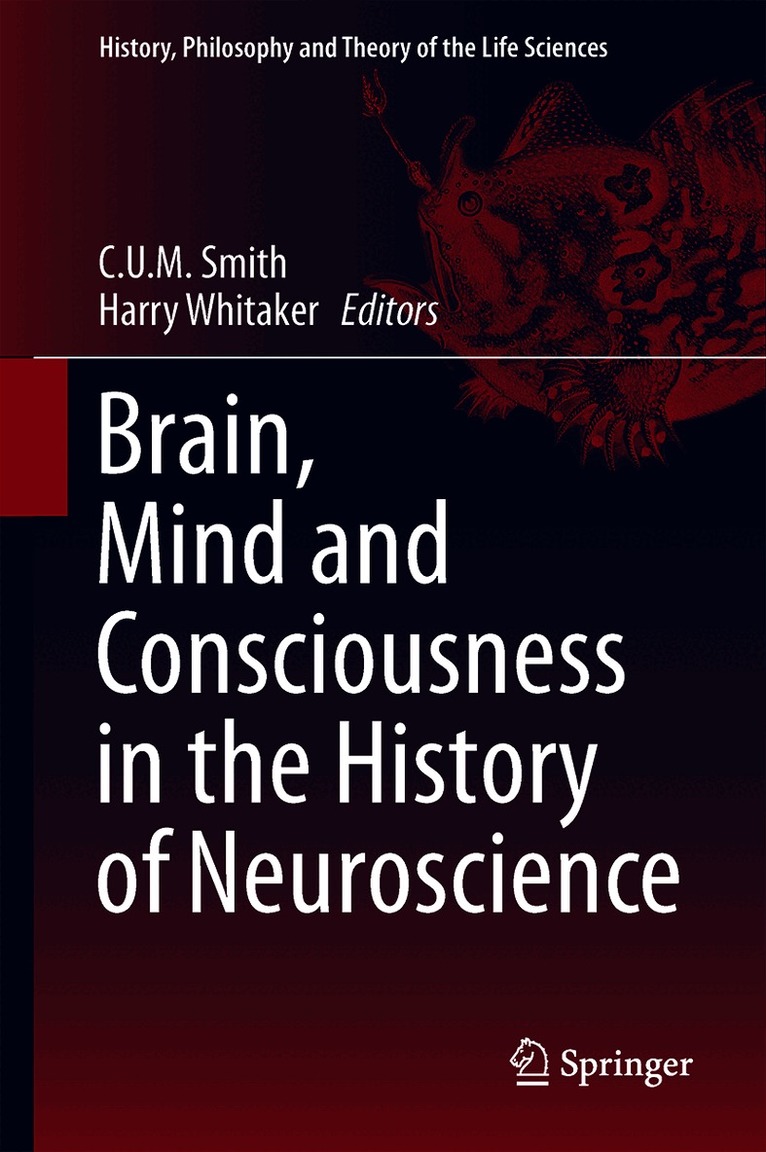
Brain, Mind and Consciousness in the History of Neuroscience
Av C.U.M. Smith, Harry Whitaker
Inbunden, 2014
1637 kr
Lägg i varukorg
This volume of essays examines the problem of mind, looking at how the problem has appeared to neuroscientists (in the widest sense) from classical antiquity through to contemporary times. Beginning with a look at ventricular neuropsychology in antiquity, this book goes on to look at Spinozan ideas …
Brain, Mind and Consciousness in the History of Neuroscience
Av Harry Whitaker, C.U.M. Smith
E-bok, 2014
2065 kr
Lägg i varukorg
This volume of essays examines the problem of mind, looking at how the problem has appeared to neuroscientists (in the widest sense) from classical antiquity through to contemporary times. Beginning with a look at ventricular neuropsychology in antiquity, this book goes on to look at Spinozan ideas …
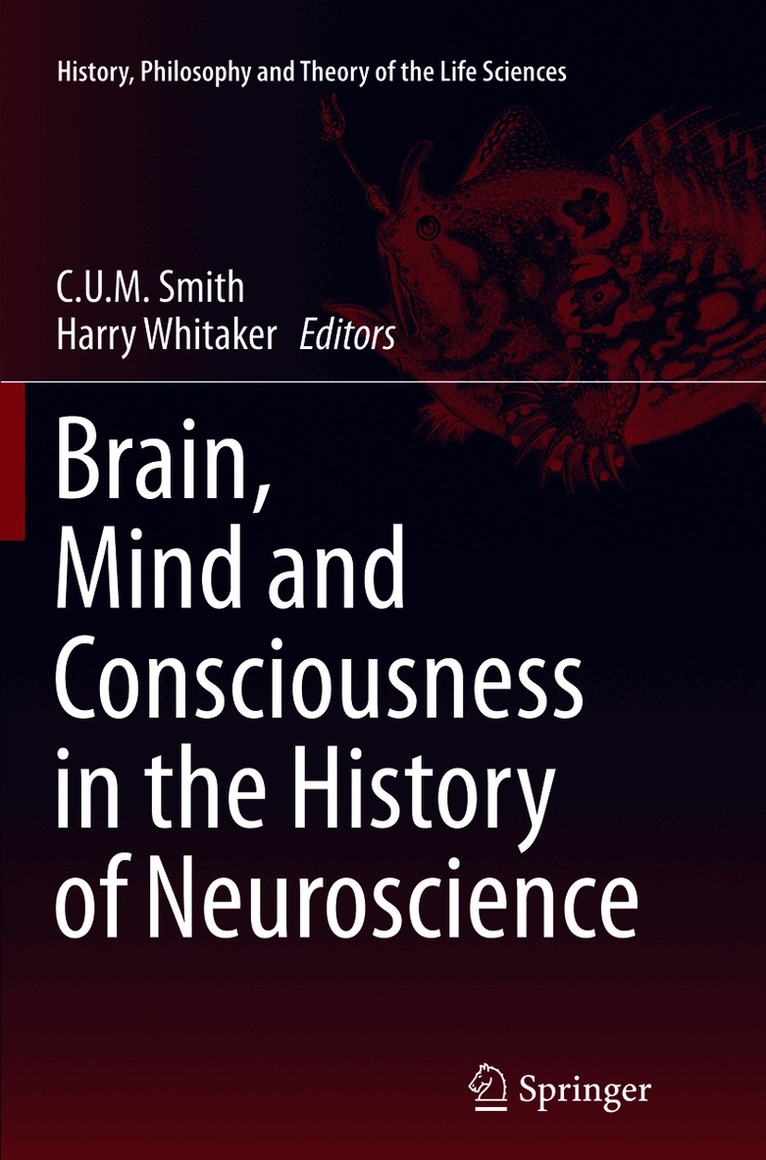
Brain, Mind and Consciousness in the History of Neuroscience
Av C.U.M. Smith, Harry Whitaker
Häftad, 2016
1637 kr
Lägg i varukorg
This volume of essays examines the problem of mind, looking at how the problem has appeared to neuroscientists (in the widest sense) from classical antiquity through to contemporary times. Beginning with a look at ventricular neuropsychology in antiquity, this book goes on to look at Spinozan ideas …