Cynthia E. Milton - Böcker
Visar alla böcker från författaren Cynthia E. Milton. Handla med fri frakt och snabb leverans.
7 produkter
7 produkter
433 kr
Skickas inom 10-15 vardagar
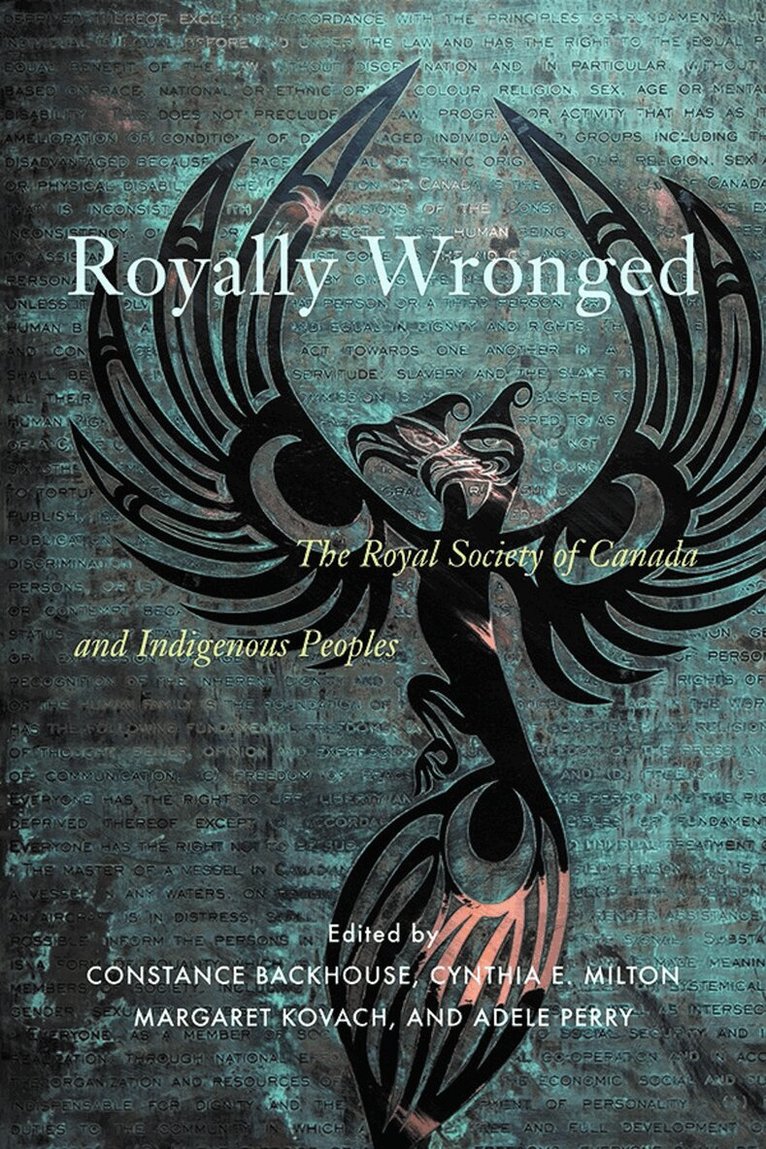
The Royal Society of Canada's mandate is to elect to its membership leading scholars in the arts, humanities, social sciences, and sciences, lending its seal of excellence to those who advance artistic and intellectual knowledge in Canada. Duncan Campbell Scott, one of the architects of the Indian residential school system in Canada, served as the society's president and dominated its activities; many other members – historically overwhelmingly white men – helped shape knowledge systems rooted in colonialism that have proven catastrophic for Indigenous communities.Written primarily by current Royal Society of Canada members, these essays explore the historical contribution of the RSC and of Canadian scholars to the production of ideas and policies that shored up white settler privilege, underpinning the disastrous interaction between Indigenous peoples and white settlers. Historical essays focus on the period from the RSC's founding in 1882 to the mid-twentieth century; later chapters bring the discussion to the present, documenting the first steps taken to change damaging patterns and challenging the society and Canadian scholars to make substantial strides toward a better future.The highly educated in Canadian society were not just bystanders: they deployed their knowledge and skills to abet colonialism. This volume dives deep into the RSC's history to learn why academia has more often been an aid to colonialism than a force against it. Royally Wronged poses difficult questions about what is required – for individual academics, fields of study, and the RSC – to move meaningfully toward reconciliation.
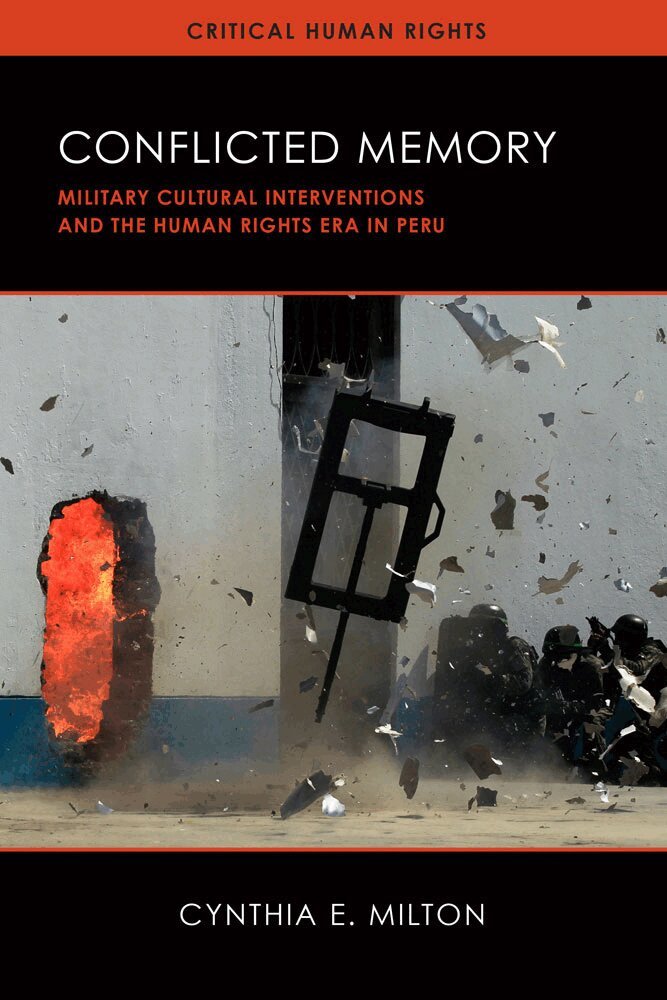
Conflicted Memory
Military Cultural Interventions and the Human Rights Era in Peru
Inbunden, Engelska, 2017
887 kr
Skickas inom 10-15 vardagar
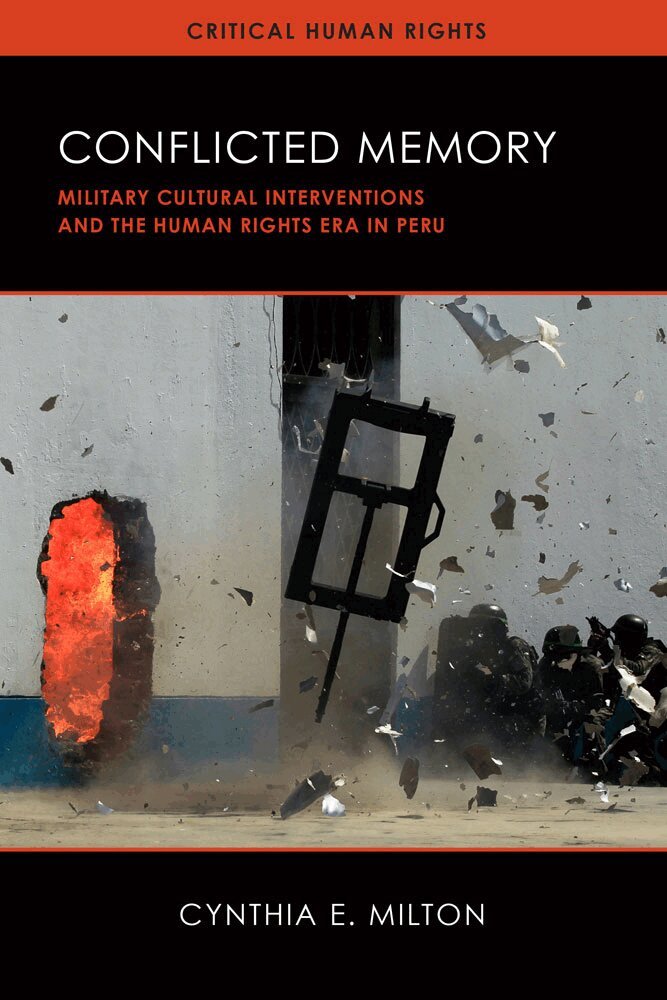
What happens when concepts of ""truth,"" ""memory,"" and ""human rights"" are taken up and adapted by former perpetrators of violence? Peru has moved from the 1980s90s conflict between its armed forces and Shining Path militants into an era of open democracy, transitional justice, and truth and reconciliation commissions. Cynthia Milton reveals how Peru's military has engaged in a tactical cultural campaignvia books, films, museumsto shift public opinion, debate, and memories about the nation's violent recent past and its part in it.Milton calls attention to fabrications of our post-truth era but goes further to deeply explore the ways members of the Peruvian military see their past, how they actively commemorate and curate it in the present, and why they do so. Her nuanced approach upends frameworks of memory studies that reduce military and ex-military to a predictable role of outright denial.
Conflicted Memory
Military Cultural Interventions and the Human Rights Era in Peru
Häftad, Engelska, 2020
241 kr
Skickas inom 10-15 vardagar
What happens when concepts of "truth," "memory," and "human rights" are taken up and adapted by former perpetrators of violence? Peru has moved from the 1980s-90s conflict between its armed forces and Shining Path militants into an era of open democracy, transitional justice, and truth and reconciliation commissions. Cynthia Milton reveals how Peru's military has engaged in a tactical cultural campaign-via books, films, museums-to shift public opinion, debate, and memories about the nation's violent recent past and its part in it.Milton calls attention to fabrications of our post-truth era but goes further to deeply explore the ways members of the Peruvian military see their past, how they actively commemorate and curate it in the present, and why they do so. Her nuanced approach upends frameworks of memory studies that reduce military and ex-military to a predictable role of outright denial.
887 kr
Skickas inom 10-15 vardagar
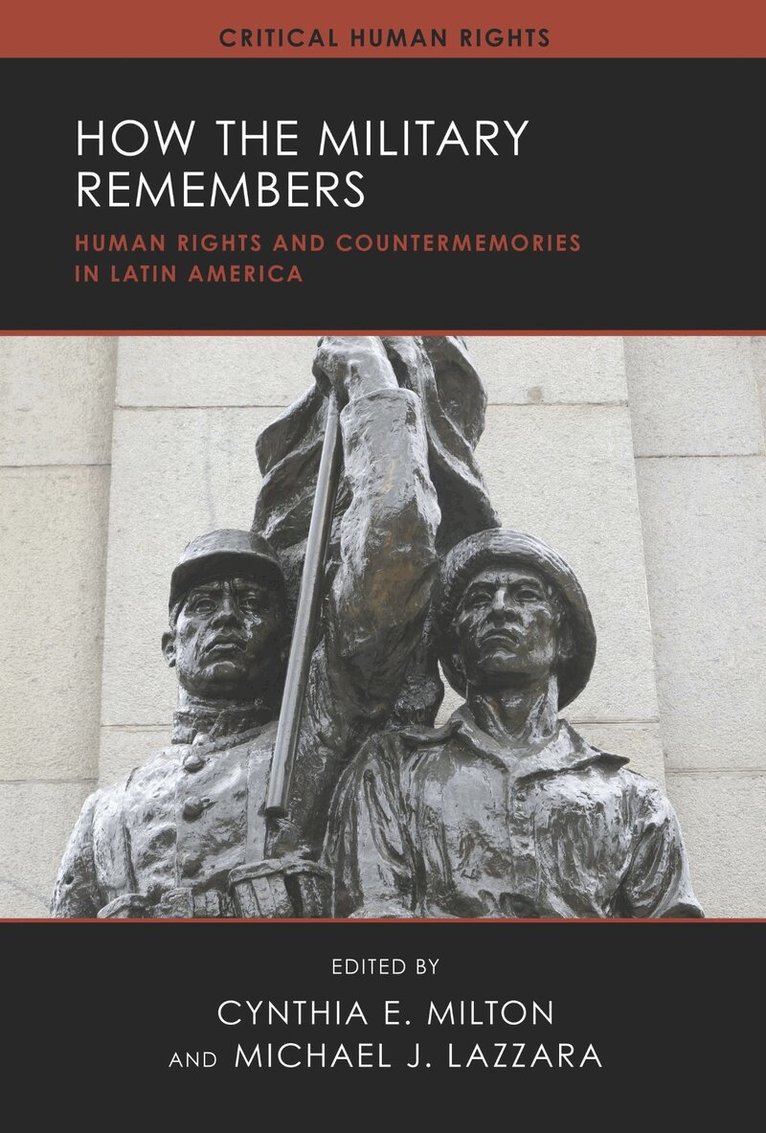
This groundbreaking collection of essays by experts in political science, sociology, history, and literature analyzes the nuanced and often contentious interplay between memory, truth, and accountability in contemporary Latin America. While previous studies have examined democratization efforts (and right-wing backlashes), transitional justice, and victim-oriented narratives since the end of the Cold War, this volume takes a new approach. It convincingly demonstrates the importance of deconstructing the militaries’ own active memory work—or rather countermemory work, a term the contributors employ to refer to military memories that are both counterintuitive and run counter to the “victim-oriented” memories that have historically informed Latin American public memory and human rights activism.With an eye toward particular cultural, political, and historical contexts of the specific countries involved, the collection emphasizes the continuities that come into relief by taking a broader regional focus. The contributors identify the many subtle ways in which past military perpetrators appropriate mechanisms of accountability and truth-telling to reconfigure the past, muddy the distinctions between perpetrator and victim, and weaponize ways of remembering.
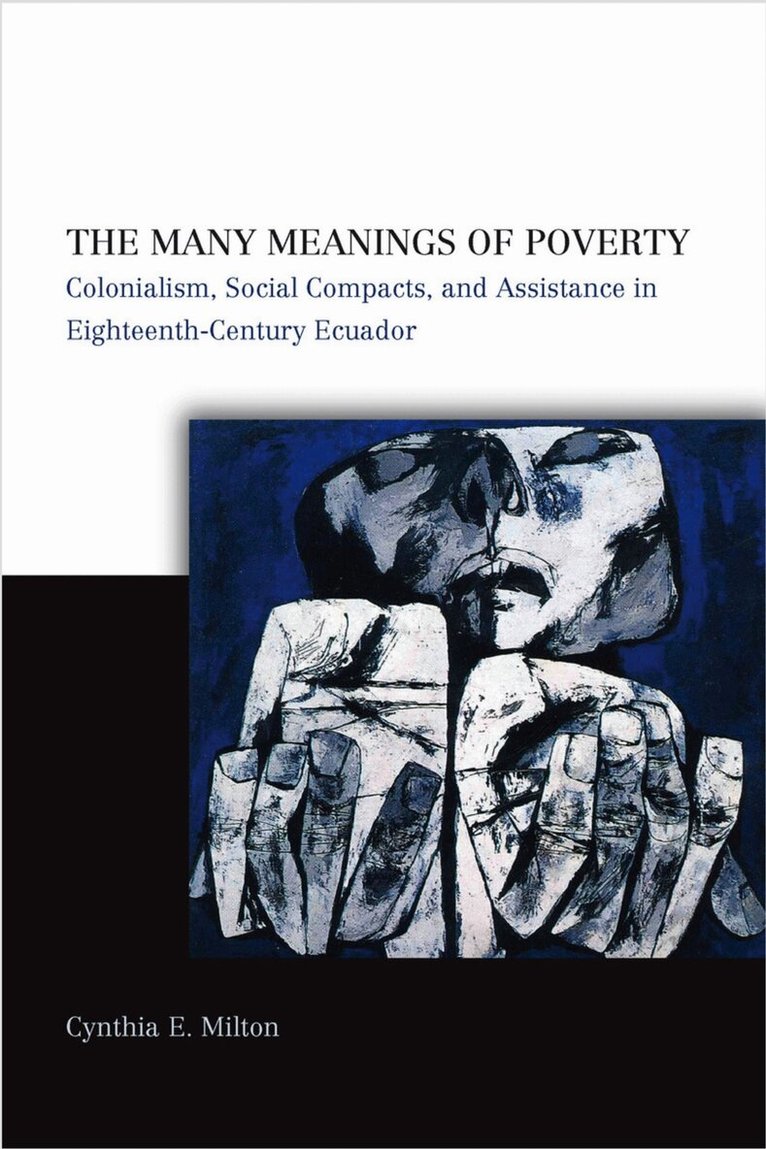
Many Meanings of Poverty
Colonialism, Social Compacts, and Assistance in Eighteenth-Century Ecuador
Inbunden, Engelska, 2007
887 kr
Skickas inom 10-15 vardagar
This book analyzes the diverse understandings of poverty in a multiracial colonial society, eighteenth-century Quito. It shows that in a colonial world both a pauper and a landowner could lay claim to assistance as the "deserving poor" while the vast majority of the impoverished Andean population did not share the same avenues of poor relief. The Many Meanings of Poverty asks how colonialism shaped arguments about poverty—such as the categories of "deserving" and "undeserving" poor—in multiracial Quito, and forwards three central observations: poverty as a social construct (based on gender, age, and ethnoracial categories); the importance of these arguments in the creation of governing legitimacy; and the presence of the "social" and "economic" poor. An examination of poverty illustrates changing social and religious attitudes and practices towards poverty and the evolution of the colonial state during the eighteenth-century Bourbon reforms.
1 681 kr
Skickas inom 3-6 vardagar
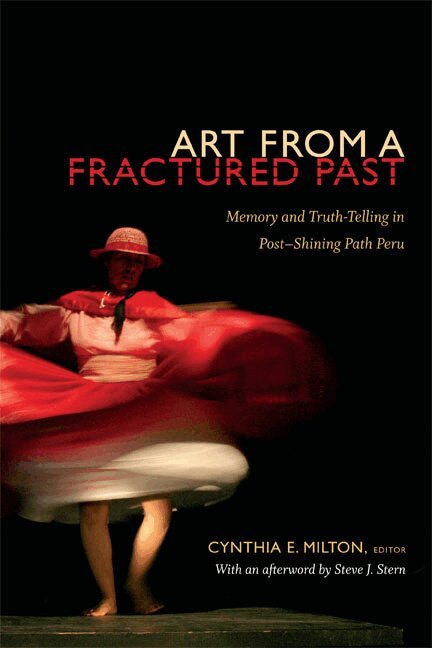
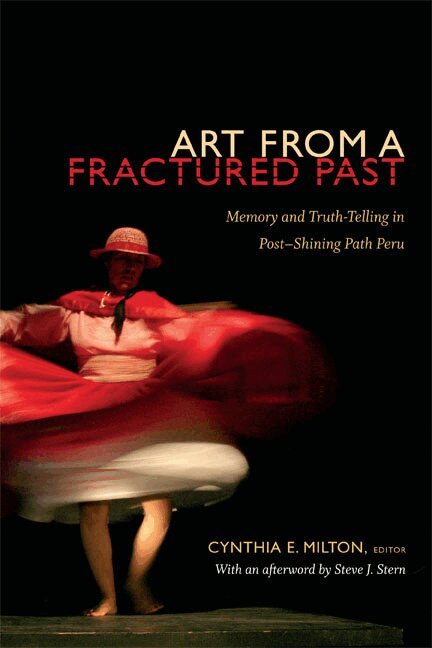
Peru's Truth and Reconciliation Commission not only documented the political violence of the 1980s and 1990s but also gave Peruvians a unique opportunity to examine the causes and nature of that violence. In Art from a Fractured Past, scholars and artists expand on the commission's work, arguing for broadening the definition of the testimonial to include various forms of artistic production as documentary evidence. Their innovative focus on representation offers new and compelling perspectives on how Peruvians experienced those years and how they have attempted to come to terms with the memories and legacies of violence. Their findings about Peru offer insight into questions of art, memory, and truth that resonate throughout Latin America in the wake of "dirty wars" of the last half century. Exploring diverse works of art, including memorials, drawings, theater, film, songs, painted wooden retablos (three-dimensional boxes), and fiction, including an acclaimed graphic novel, the contributors show that art, not constrained by literal truth, can generate new opportunities for empathetic understanding and solidarity.Contributors. Ricardo Caro CÁrdenas, JesÚs Cossio, Ponciano del Pino, Cynthia M. Garza, Edilberto JÍmenez Quispe, Cynthia E. Milton, Jonathan Ritter, Luis Rossell, Steve J. Stern, MarÍa Eugenia Ulfe, VÍctor Vich, Alfredo Villar
375 kr
Skickas inom 7-10 vardagar
Peru's Truth and Reconciliation Commission not only documented the political violence of the 1980s and 1990s but also gave Peruvians a unique opportunity to examine the causes and nature of that violence. In Art from a Fractured Past, scholars and artists expand on the commission's work, arguing for broadening the definition of the testimonial to include various forms of artistic production as documentary evidence. Their innovative focus on representation offers new and compelling perspectives on how Peruvians experienced those years and how they have attempted to come to terms with the memories and legacies of violence. Their findings about Peru offer insight into questions of art, memory, and truth that resonate throughout Latin America in the wake of "dirty wars" of the last half century. Exploring diverse works of art, including memorials, drawings, theater, film, songs, painted wooden retablos (three-dimensional boxes), and fiction, including an acclaimed graphic novel, the contributors show that art, not constrained by literal truth, can generate new opportunities for empathetic understanding and solidarity.Contributors. Ricardo Caro CÁrdenas, JesÚs Cossio, Ponciano del Pino, Cynthia M. Garza, Edilberto JÍmenez Quispe, Cynthia E. Milton, Jonathan Ritter, Luis Rossell, Steve J. Stern, MarÍa Eugenia Ulfe, VÍctor Vich, Alfredo Villar