Cynthia J. Arnson - Böcker
Visar alla böcker från författaren Cynthia J. Arnson. Handla med fri frakt och snabb leverans.
5 produkter
5 produkter
483 kr
Tillfälligt slut
Rethinking the Economics of War: The Intersection of Need, Creed, and Greed questions the adequacy of explaining today's internal armed conflicts purely in terms of economic factors and reestablishes the importance of identity and grievances in creating and sustaining such wars. This collection of essays responds to current works asserting that the income from natural resources is the end and not just a means for warring rebel groups. The study puts greed in its place and restores the importance of deprivation and discrimination as the primary causes of armed conflict within states. Countries studied include Lebanon, Sierra Leone, Angola, the Republic of the Congo, Colombia, and Afghanistan.
279 kr
Skickas inom 7-10 vardagar
Rethinking the Economics of War: The Intersection of Need, Creed, and Greed questions the adequacy of explaining today's internal armed conflicts purely in terms of economic factors and reestablishes the importance of identity and grievances in creating and sustaining such wars. This collection of essays responds to current works asserting that the income from natural resources is the end and not just a means for warring rebel groups. The study puts greed in its place and restores the importance of deprivation and discrimination as the primary causes of armed conflict within states. Countries studied include Lebanon, Sierra Leone, Angola, the Republic of the Congo, Colombia, and Afghanistan.
1 882 kr
Skickas inom 10-15 vardagar
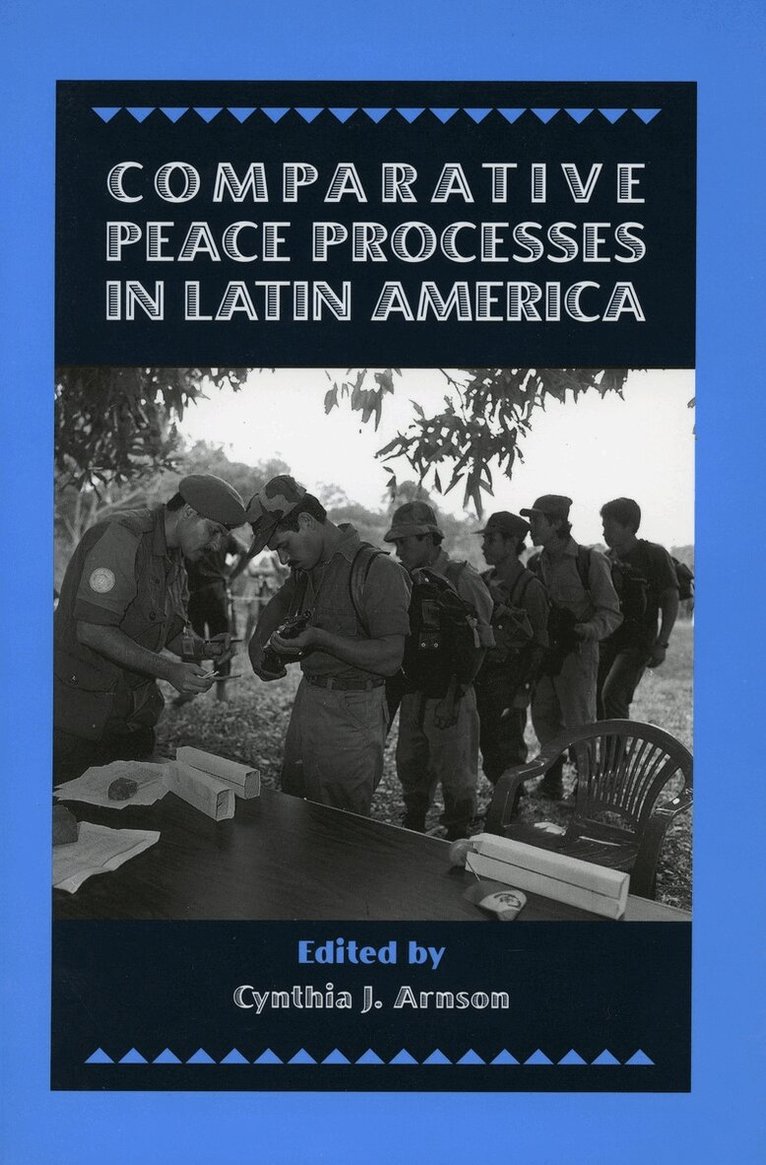
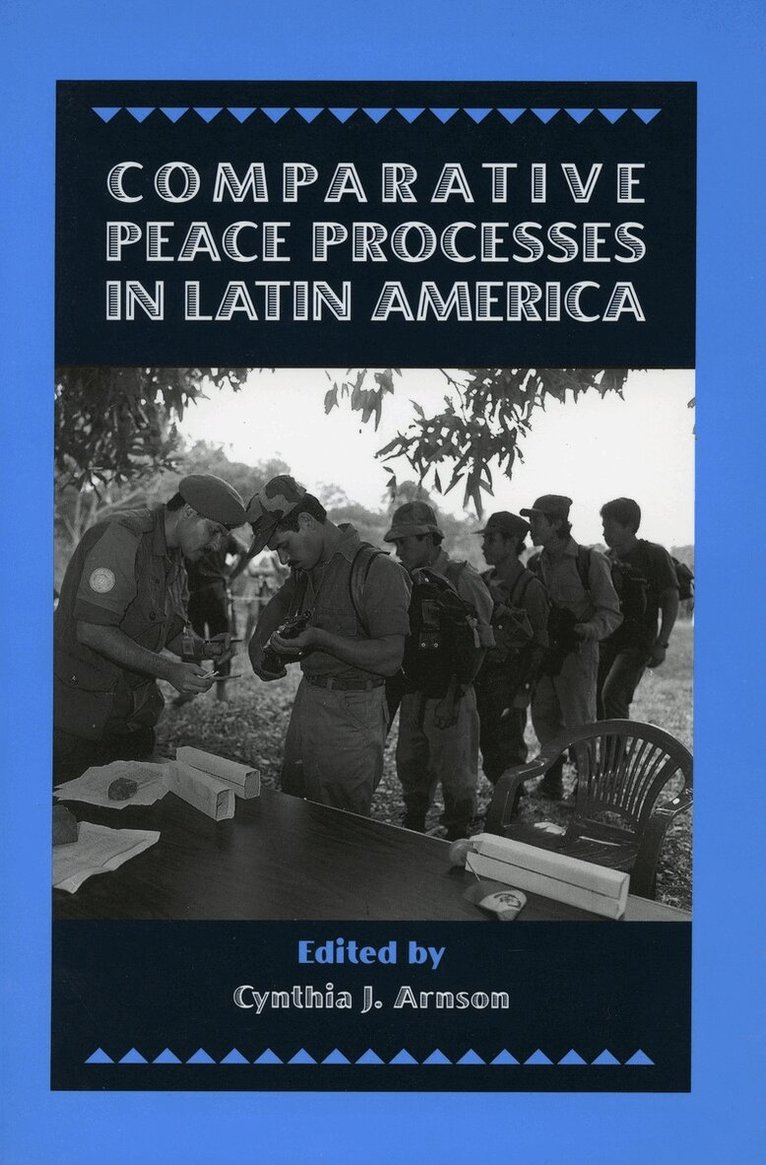
This book is about ending guerrilla conflicts in Latin America through political means. It is about peace processes, aimed at securing an end to military hostilities in the context of agreements that touch on some of the principal political, economic, social, and ethnic imbalances that led to conflict in the first place.The book presents a carefully structured comparative analysis of six Latin American countries—Nicaragua, El Salvador, Guatemala, Mexico, Colombia, and Peru—which experienced guerrilla warfare that outlasted the end of the Cold War. The book explores in detail the unique constellation of national and international events that allowed some wars to end in negotiated settlement, one to end in virtual defeat of the insurgents, and the others to rage on.The aim of the book is to identify the variables that contribute to the success or failure of a peace dialogue. Though the individual case studies deal with dynamics that have allowed for or impeded successful negotiations, the contributors also examine comparatively such recurrent dilemmas as securing justice for victims of human rights abuses, reforming the military and police forces, and reconstructing the domestic economy.Serving as a bridge between the distinct literatures on democratization in Latin America and on conflict resolution, the book underscores the reciprocal influences that peace processes and democratic transition have on each other, and the ways democratic "space" is created and political participation enhanced by means of a peace dialogue with insurgent forces.The case studies—by country and issue specialists from Latin America, the United States, and Europe—are augmented by commentaries of senior practitioners most directly involved in peace negotiations, including United Nations officials, former peace advisers, and activists from civil society.
467 kr
Skickas inom 7-10 vardagar
This book is about ending guerrilla conflicts in Latin America through political means. It is about peace processes, aimed at securing an end to military hostilities in the context of agreements that touch on some of the principal political, economic, social, and ethnic imbalances that led to conflict in the first place.The book presents a carefully structured comparative analysis of six Latin American countries—Nicaragua, El Salvador, Guatemala, Mexico, Colombia, and Peru—which experienced guerrilla warfare that outlasted the end of the Cold War. The book explores in detail the unique constellation of national and international events that allowed some wars to end in negotiated settlement, one to end in virtual defeat of the insurgents, and the others to rage on.The aim of the book is to identify the variables that contribute to the success or failure of a peace dialogue. Though the individual case studies deal with dynamics that have allowed for or impeded successful negotiations, the contributors also examine comparatively such recurrent dilemmas as securing justice for victims of human rights abuses, reforming the military and police forces, and reconstructing the domestic economy.Serving as a bridge between the distinct literatures on democratization in Latin America and on conflict resolution, the book underscores the reciprocal influences that peace processes and democratic transition have on each other, and the ways democratic "space" is created and political participation enhanced by means of a peace dialogue with insurgent forces.The case studies—by country and issue specialists from Latin America, the United States, and Europe—are augmented by commentaries of senior practitioners most directly involved in peace negotiations, including United Nations officials, former peace advisers, and activists from civil society.
410 kr
Skickas inom 5-8 vardagar
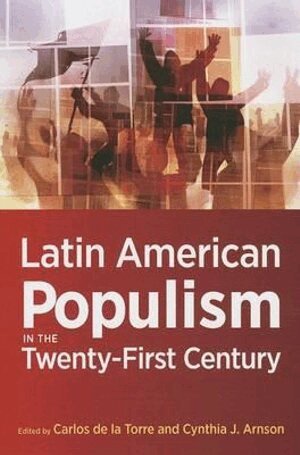
Venezuela's Hugo Chavez, Bolivia's Evo Morales, and Ecuador's Rafael Correa have brought the subject of Latin American populism once again to the fore of scholarly and policy debate in the region. "Latin American Populism in the Twenty-first Century" explains the emergence of today's radical populism and places it in historical context, identifying continuities as well as differences from both the classical populism of the 1930s and 1940s and the neo-populism of the 1990s. Leading Latin American, U.S., and European authors explore the institutional and socioeconomic contexts that give rise to populism and show how disputes over its meaning are closely intertwined with debates over the meaning of democracy. By analyzing the discourse and policies of populist leaders and reviewing their impact in particular countries, these contributors provide a deeper understanding of populism's democratizing promise as well as the authoritarian tendencies that threaten the foundation of liberal democracy.