D. Andrew Johnson – Författare
Visar alla böcker från författaren D. Andrew Johnson. Handla med fri frakt och snabb leverans.
3 produkter
3 produkter
1 941 kr
Skickas inom 3-6 vardagar
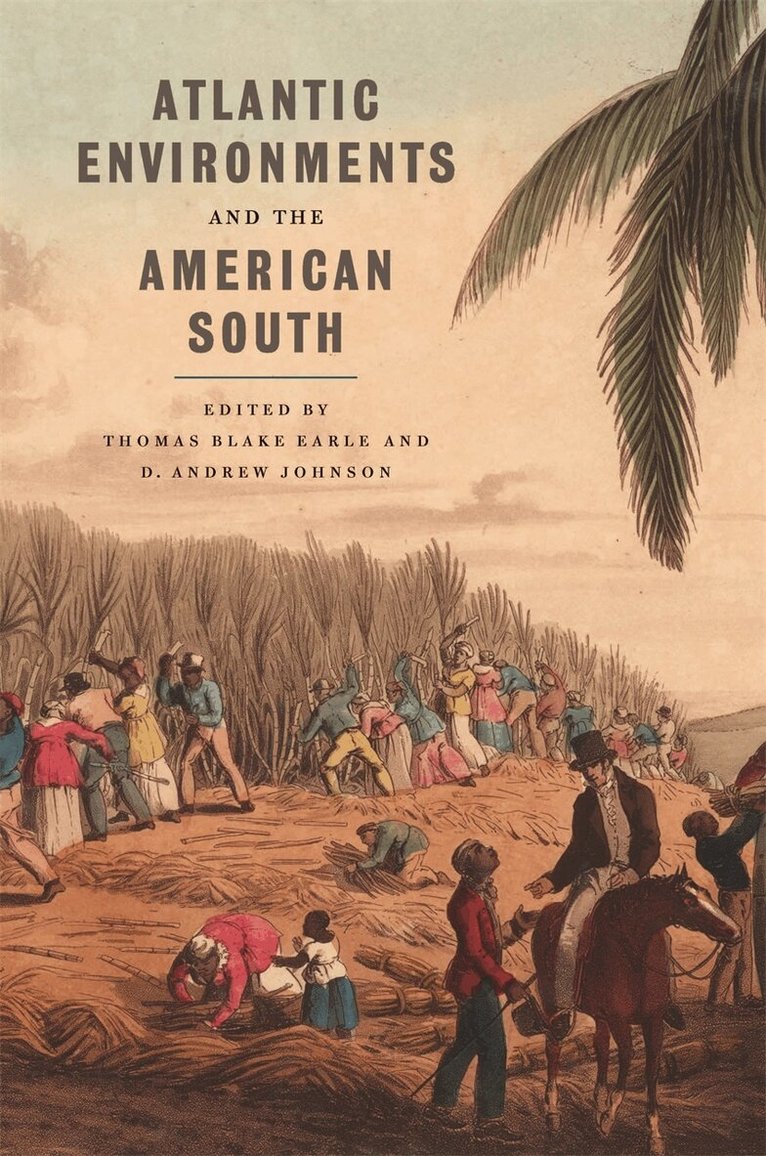
There is clear overlap in interests and influences for the fields of Atlantic, environmental, and southern history, but scholarship in them has often advanced on parallel tracks. This anthology places itself at the intersection, pushing for a new confluence. Editors Thomas Blake Earle and D. Andrew Johnson provide a lucid introduction to this collection of essays that brings these disciplines together. With this volume, historians explore crucial insights into a self-consciously Atlantic environmental history of the American South, touching on such topics as ideas about slavery, gender, climate, “colonial ecological revolution,” manipulation of the landscape, infrastructure, resources, and exploitation.By centering this project on a region, the American South—defined as the southeastern reaches of North America and the Caribbean— the authors interrogate how European colonizers, Native Americans, and Africans interacted in and with the (sub)tropics, a place foreign to Europeans.Challenging the concepts of “Atlantic” and “southern” and their intersection with “environments” is a discipline-defining strategy at the leading edge of emerging scholarship. Taken collectively, this book should encourage more readers to reimagine this region, its time periods, climate(s), and ecocultural networks.
591 kr
Skickas inom 3-6 vardagar
There is clear overlap in interests and influences for the fields of Atlantic, environmental, and southern history, but scholarship in them has often advanced on parallel tracks. This anthology places itself at the intersection, pushing for a new confluence. Editors Thomas Blake Earle and D. Andrew Johnson provide a lucid introduction to this collection of essays that brings these disciplines together. With this volume, historians explore crucial insights into a self-consciously Atlantic environmental history of the American South, touching on such topics as ideas about slavery, gender, climate, “colonial ecological revolution,” manipulation of the landscape, infrastructure, resources, and exploitation.By centering this project on a region, the American South—defined as the southeastern reaches of North America and the Caribbean— the authors interrogate how European colonizers, Native Americans, and Africans interacted in and with the (sub)tropics, a place foreign to Europeans.Challenging the concepts of “Atlantic” and “southern” and their intersection with “environments” is a discipline-defining strategy at the leading edge of emerging scholarship. Taken collectively, this book should encourage more readers to reimagine this region, its time periods, climate(s), and ecocultural networks.
604 kr
Skickas inom 7-10 vardagar
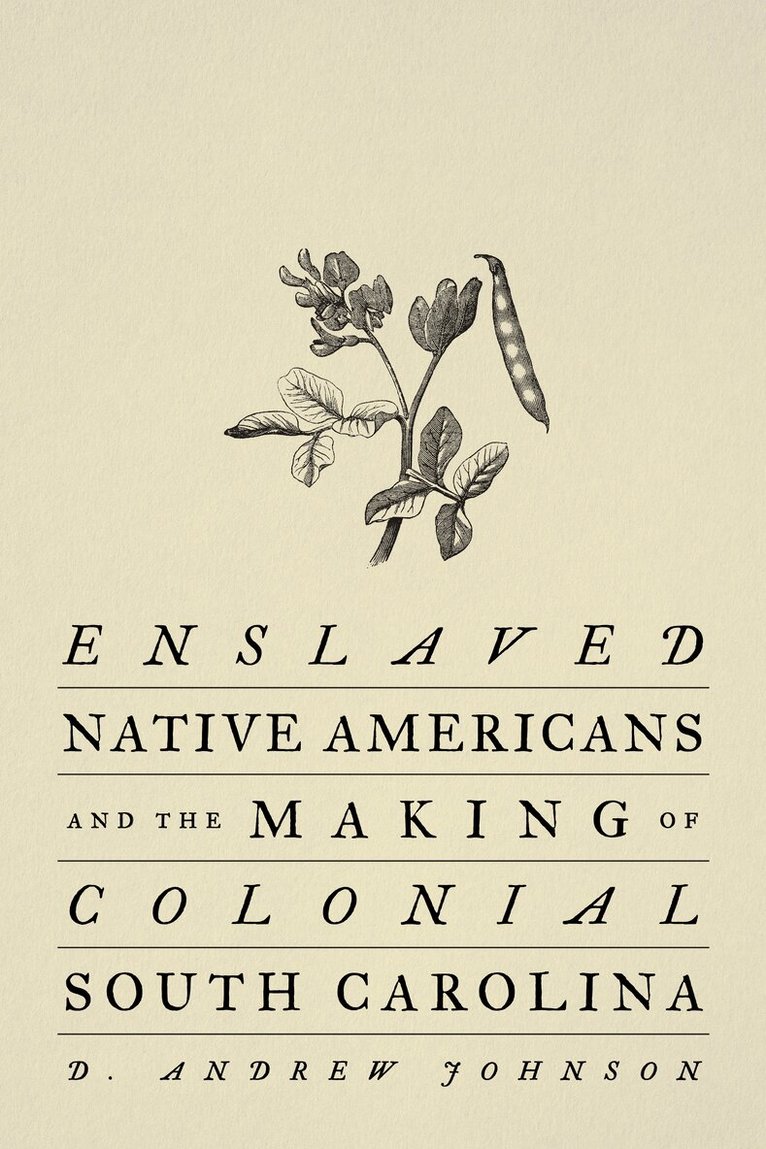
A compelling study into the history and lasting influence of enslaved Native people in early South Carolina.Finalist of the George C. Rogers Jr Award by the South Carolina Historical SocietyIn 1708, the governor of South Carolina responded to a request from London to describe the population of the colony. This response included an often-overlooked segment of the population: Native Americans, who made up one-fourth of all enslaved people in the colony. Yet it was not long before these descriptions of enslaved Native people all but disappeared from the archive. In Enslaved Native Americans and the Making of Colonial South Carolina, D. Andrew Johnson argues that Native people were crucial to the development of South Carolina's economy and culture. By meticulously scouring documentary sources and creating a database of over 15,000 mentions of enslaved people, Johnson uses a uniquely interdisciplinary approach to reconsider the history of South Carolina and center the enslaved Native people who were forced to live and work on its plantations. Johnson also employs spatial analysis and examines archaeological evidence to study Native slavery in a plantation context.Although much of their impact is absent from the historical record, Native people's influence persisted: in the specific technologies they brought to the plantations where they were enslaved; in the development of Creole culture; and in the wealth and power of the founders and early leaders of the colony. This book is an important corrective to our understanding of the colonization and development of South Carolina. By focusing on the Native minority of the enslaved population, Johnson recasts the colonial history of America, uncovering the importance of enslaved Native people to the colonial project and the complex historical connections between race and slavery.