D. M. Giangreco – författare
Visar alla böcker från författaren D. M. Giangreco. Handla med fri frakt och snabb leverans.
8 produkter
8 produkter
Häftad, Engelska, 2017
427 kr
Skickas inom 3-6 vardagar
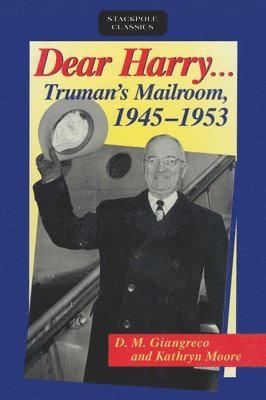
Americans are not particularly shy about letting politicians know what’s on their minds, and, in Harry Truman, they believed that they had a president they could level with. He even sometimes responded personally to them—especially on subjects he felt strongly about. Today, it seems remarkable that a man who described the presidency as “the most awesome job in the world” would take the time to read and respond to White House mail. Truman, however, had an unquenchable thirst for what his everyday Americans” were thinking, yet distrusted opinion polls. For him, the daily stack of troubles and dreams from places like Skull Bone, Kentucky; Boise, Idaho; and Conway, Florida, provided the next best poll after the voting booth.In Dear Harry, authors D. M. Giangreco and Kathryn Moore include a robust cross section of the thousands of messages sent to Truman. Juxtaposed with informative background essays, these letters provide an undiluted account of the greatest challenges confronting the U.S. during Truman’s adm
Häftad, Engelska, 2019
330 kr
Skickas inom 5-8 vardagar
Americans are not shy about letting politicians know what’s on their minds, and, in Harry Truman, they believed that they had a president they could level with. He even sometimes responded personally to them—especially on subjects he felt strongly about. Today, it seems remarkable that a man who described the presidency as “the most awesome job in the world” would take the time to read and respond to White House mail.Truman, however, had an unquenchable thirst for what his everyday Americans” were thinking, yet distrusted opinion polls. For him, the daily stack of mail provided the next best poll after the voting booth.Authors Giangreco and Moore include a robust cross section of the thousands of messages sent to Truman. Juxtaposed with informative background essays, these letters provide an undiluted account of the greatest challenges confronting the U.S. during Truman’s administration, including civil rights, the Marshall Plan, the formation of Israel, the atomic bomb, the McCarthy hearings, the Korean War, and the General McArthur’s dismissal, which alone solicited more than 90,000 missives. While the majority of the letters are from private citizens, others come from correspondents, the occasional bombastic senator, and a few from the world figures.
E-bok
Engelska, 20171 150 kr
Läs direkt efter köp
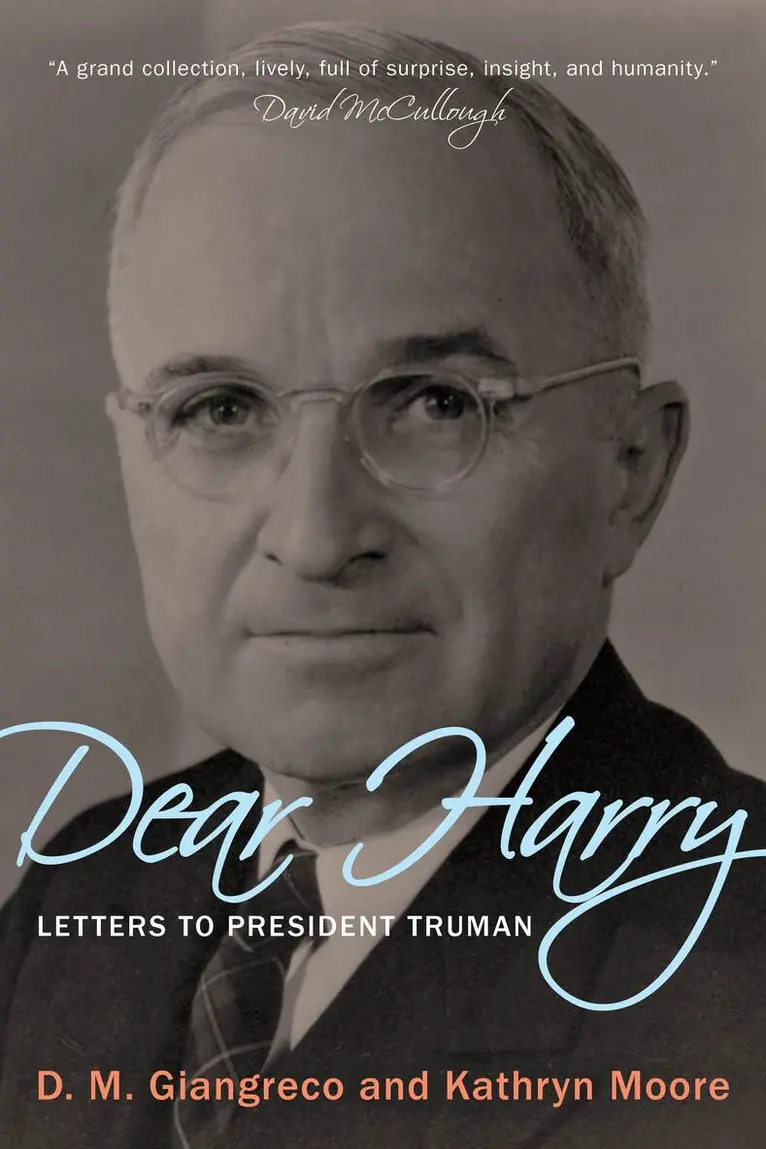
Americans are not particularly shy about letting politicians know what’s on their minds, and, in Harry Truman, they believed that they had a president they could level with. He even sometimes responded personally to them—especially on subjects he felt strongly about. Today, it seems remarkable that a man who described the presidency as “the most awesome job in the world” would take the time to read and respond to White House mail. Truman, however, had an unquenchable thirst for what his everyday Americans” were thinking, yet distrusted opinion polls. For him, the daily stack of troubles and dreams from places like Skull Bone, Kentucky; Boise, Idaho; and Conway, Florida, provided the next best poll after the voting booth.In Dear Harry, authors D. M. Giangreco and Kathryn Moore include a robust cross section of the thousands of messages sent to Truman. Juxtaposed with informative background essays, these letters provide an undiluted account of the greatest challenges confronting the U.S. during Truman’s administration, including civil rights, the Marshall Plan, the formation of Israel, the atomic bomb, the McCarthy hearings, the Korean War, and the General McArthur’s dismissal, which alone solicited more than 90,000 missives. While the majority of the letters are from private citizens, a sprinkling also come from the occasional bombastic senator and a few from the world figures, such as Winston Churchill (who liked to offer advice) and Chaim Weizmann. The names of some correspondents, such as J. Robert Oppenheimer, Upton Sinclair, Gene Tunney, would have been familiar to many of their fellow Americans, While others as diverse as Morey Amsterdam and Barry Goldwater would be better known to future generations.
Inbunden, Engelska, 2023
402 kr
Skickas inom 5-8 vardagar
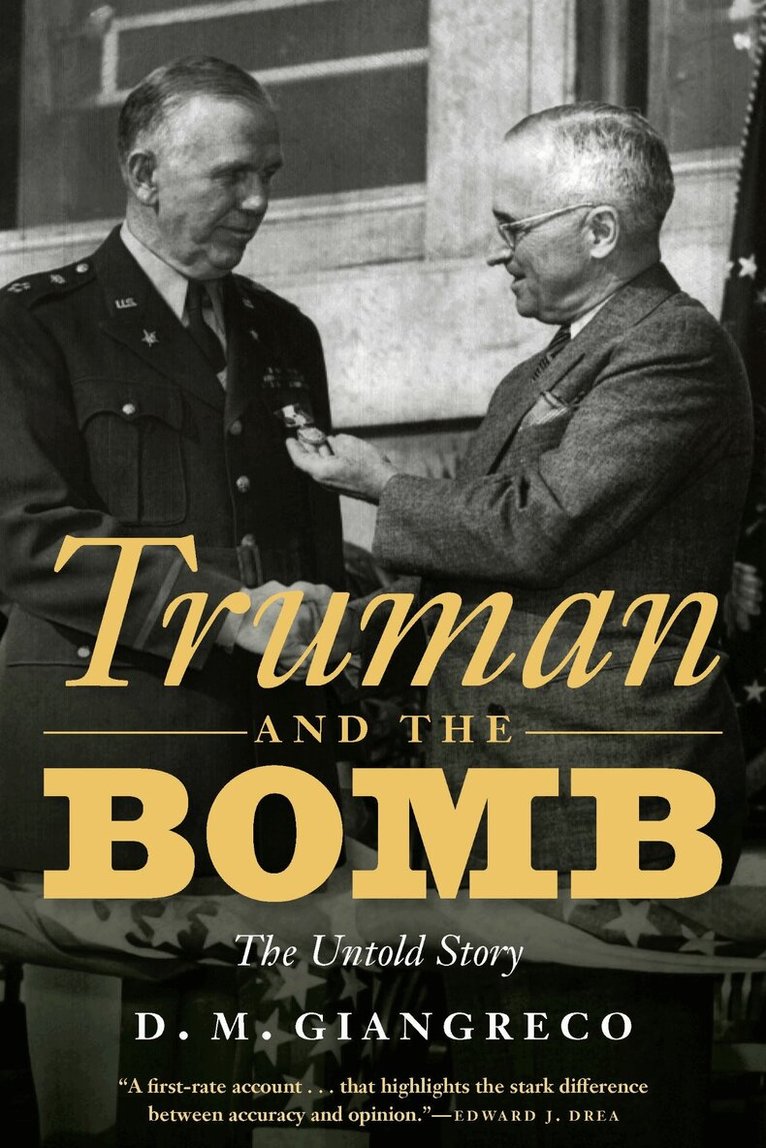
Many myths have grown up around President Harry S. Truman’s decision to use nuclear weapons against Imperial Japan. In destroying these myths, Truman and the Bomb will discomfort both Truman’s critics and his supporters, and force historians to reexamine what they think they know about the end of the Pacific War.Myth: Truman didn’t know of the atomic bomb’s development before he became president. Fact: Truman’s knowledge of the bomb is revealed in his own carefully worded letters to a Senate colleague and specifically discussed in the correspondence between the army officers assigned to his Senate investigating committee.Myth: The huge casualty estimates cited by Truman and Secretary of War Henry Stimson were a postwar creation devised to hide their guilt for killing thousands of defenseless civilians. Fact: The flagrantly misrepresented “low” numbers are based on narrow slices of highly qualified-and limited-U.S. Army projections printed in a variety of briefing documents and are not from the actual invasion planning against Japan.Myth: Truman wanted to defeat Japan without any assistance from the Soviet Union and to freeze the USSR out of the postwar settlements. Fact: President Franklin D. Roosevelt and President Truman desperately wanted Stalin’s involvement in the bloody endgame of World War II and worked diligently-and successfully-toward that end.Using previously unpublished material, D. M. Giangreco busts these myths and more. An award-winning historian and expert on Truman, Giangreco is perfectly situated to debunk the many deep-rooted falsehoods about the roles played by American, Soviet, and Japanese leaders during the end of the World War II in the Pacific. Truman and the Bomb, a concise yet comprehensive study of Truman’s decision to use the atomic bomb, will prove to be a classic for studying presidential politics and influence on atomic warfare and its military and diplomatic components.Making this book particularly valuable for professors and students as well as for military, diplomatic, and presidential historians and history buffs are extensive primary source materials, including the planned U.S. naval and air operations in support of the Soviet invasion of Manchuria. These documents support Giangreco’s arguments while enabling the reader to enter the mindsets of Truman and his administration as well as the war’s key Allied participants.
Häftad, Engelska, 2018
286 kr
Skickas inom 10-15 vardagar
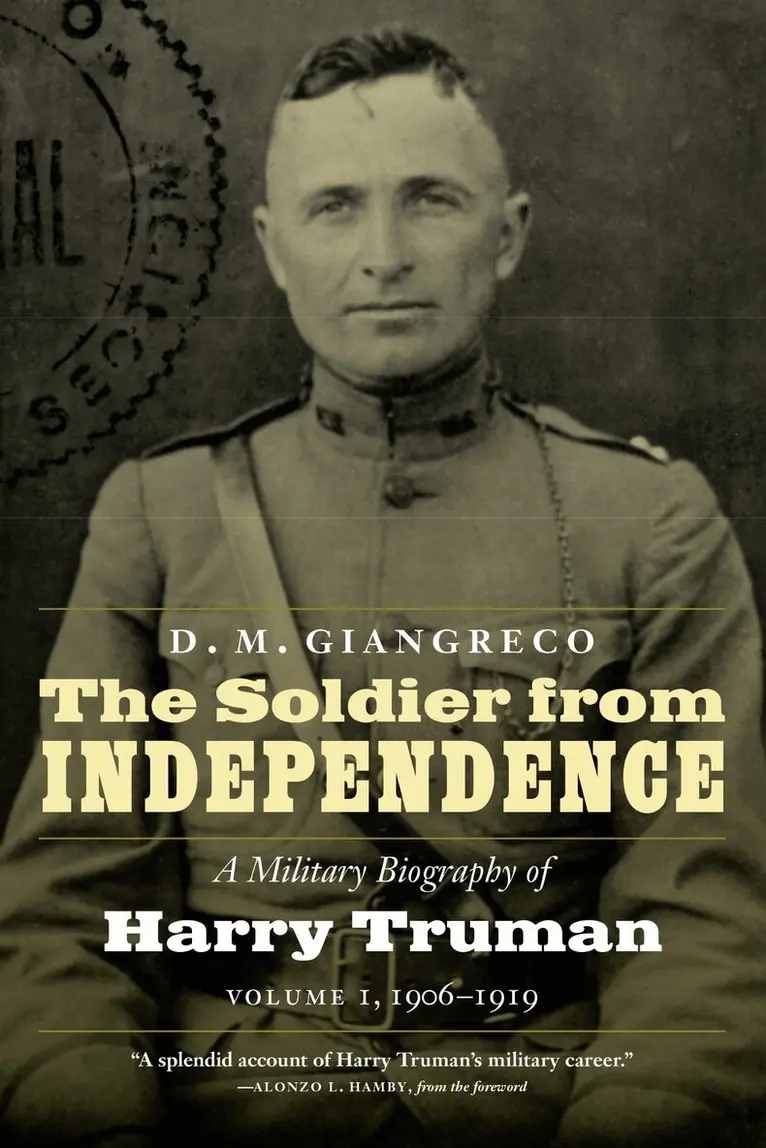
Revealing the little-known facts of Harry Truman’s remarkable military performance, as a soldier and as a politician, The Soldier from Independence adds a whole new dimension to the already fascinating character of the thirty-third president of the United States. D. M. Giangreco shows how, as a field artillery battery commander in World War I, Truman was already making the hard decisions that he knew to be right, regardless of personal consequences. Truman oversaw the conclusion of the Second World War, stood up to Stalin, and met the test of North Korea’s invasion of the South. He also had the fortitude to defy Gen. Douglas MacArthur, one of America’s most revered wartime leaders, and ultimately fired the Far East commander, often characterized as the American Caesar. Filling in the details behind these world-changing events, this military biography supplies a heretofore missing-and critical-chapter in the story of one of the nation’s most important presidents. The Soldier from Independence recounts the World War I military adventure that would mark a turning point in the life of a humble man who would go on to become commander in chief.
E-bok
Engelska, 2018251 kr
Läs direkt efter köp
Revealing the little-known facts of Harry Truman’s remarkable military performance, as a soldier and as a politician, The Soldier from Independence adds a whole new dimension to the already fascinating character of the thirty-third president of the United States. D. M. Giangreco shows how, as a field artillery battery commander in World War I, Truman was already making the hard decisions that he knew to be right, regardless of personal consequences. Truman oversaw the conclusion of the Second World War, stood up to Stalin, and met the test of North Korea’s invasion of the South. He also had the fortitude to defy Gen. Douglas MacArthur, one of America’s most revered wartime leaders, and ultimately fired the Far East commander, often characterized as the American Caesar. Filling in the details behind these world-changing events, this military biography supplies a heretofore missing-and critical-chapter in the story of one of the nation’s most important presidents. The Soldier from Independence recounts the World War I military adventure that would mark a turning point in the life of a humble man who would go on to become commander in chief.
E-bok
Engelska, 2017370 kr
Läs direkt efter köp
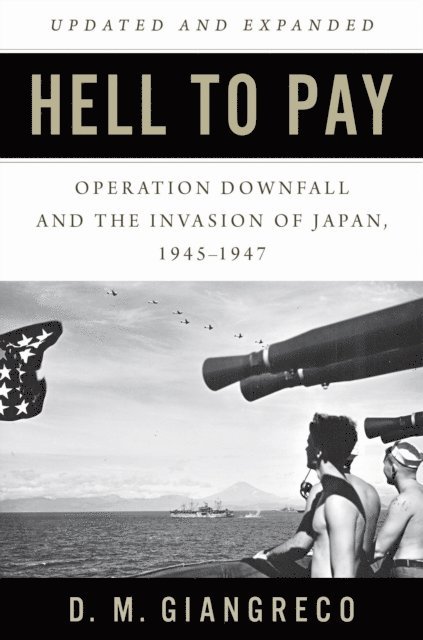
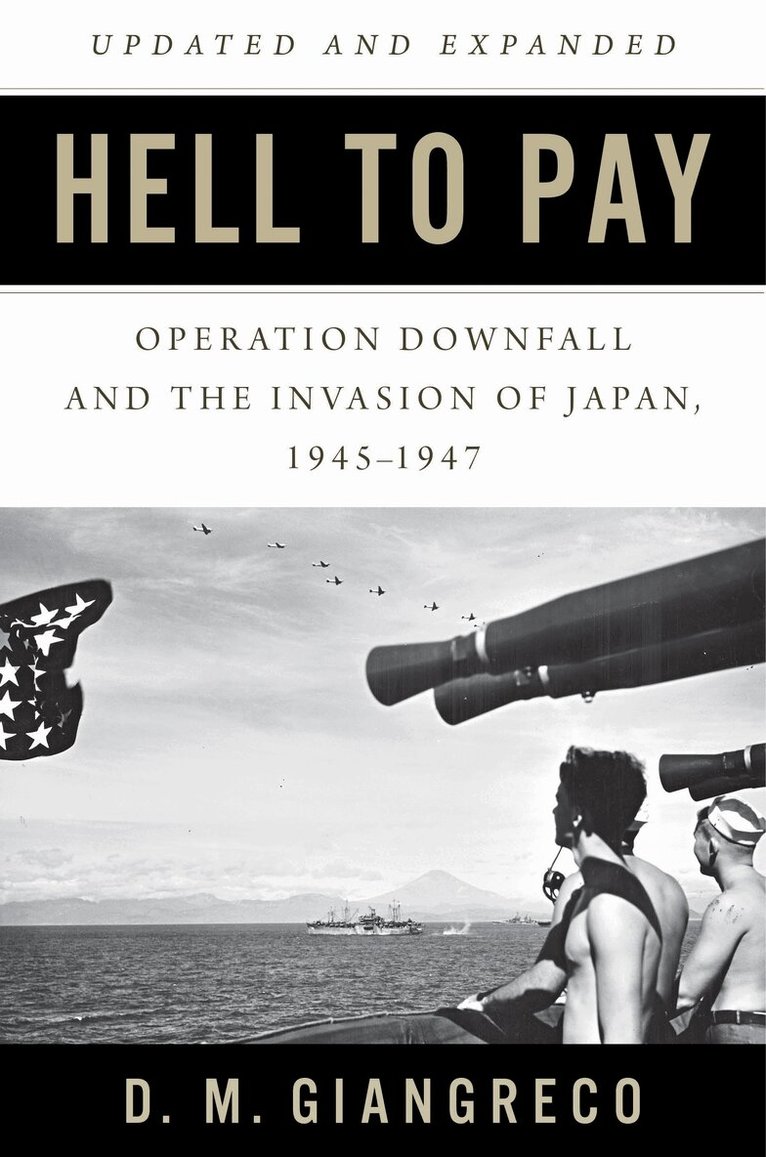
Two years before the atomic attacks on Hiroshima and Nagasaki helped bring a quick end to hostilities in the summer of 1945, U.S. planners began work on Operation Downfall, codename for the Allied invasions of Kyushu and Honshu, in the Japanese home islands. While other books have examined Operation Downfall, D. M. Giangreco offers the most complete and exhaustively researched consideration of the plans and their implications. He explores related issues of the first operational use of the atomic bomb and the Soviet Union's entry into the war, including the controversy surrounding estimates of potential U.S. casualties.Following years of intense research at numerous archives, Giangreco now paints a convincing and horrific picture of the veritable hell that awaited invader and defender. In the process, he demolishes the myths that Japan was trying to surrender during the summer of 1945 and that U.S. officials later wildly exaggerated casualty figures to justify using the atomic bombs to influence the Soviet Union. As Giangreco writes, "e;Both sides were rushing headlong toward a disastrous confrontation in the Home Islands in which poison gas and atomic weapons were to be employed as MacArthur's intelligence chief, Charles Willoughby, succinctly put it, 'a hard and bitter struggle with no quarter asked or given.'"e;Hell to Pay examines the invasion of Japan in light of the large body of Japanese and American operational and tactical planning documents the author unearthed in familiar and obscure archives. It includes postwar interrogations and reports that senior Japanese commanders and their staffs were ordered to produce for General MacArthur's headquarters. This groundbreaking history counters the revisionist interpretations questioning the rationale for the use of the atomic bomb and shows that President Truman's decision was based on real estimates of the enormous human cost of a conventional invasion.This revised edition of Hell to Pay expands on several areas covered in the previous book and deals with three new topics: U.S.-Soviet cooperation in the war against Imperial Japan; U.S., Soviet, and Japanese plans for the invasion and defense of the northernmost Home Island of Hokkaido; and Operation Blacklist, the three-phase insertion of American occupation forces into Japan. It also contains additional text, relevant archival material, supplemental photos, and new maps, making this the definitive edition of an important historical work.
Häftad, Engelska, 2020
294 kr
Skickas inom 5-8 vardagar
Hell to Pay examines the invasion of Japan in light of the large body of Japanese and American operational and tactical planning documents the author unearthed in familiar and obscure archives. It includes postwar interrogations and reports that senior Japanese commanders and their staffs were ordered to produce for General MacArthur's headquarters. This groundbreaking history counters the revisionist interpretations questioning the rationale for the use of the atomic bomb and shows that President Truman's decision was based on real estimates of the enormous human cost of a conventional invasion. This revised edition of Hell to Pay expands on several areas covered in the earlier book and deals with three new topics: U.S.-Soviet cooperation in the war against Imperial Japan; U.S., Soviet, and Japanese plans for the invasion and defense of the northernmost home island of Hokkaido; and Operation Blacklist, the three-phase insertion of American occupation forces into Japan.