Dagfinn Skre – författare
Visar alla böcker från författaren Dagfinn Skre. Handla med fri frakt och snabb leverans.
10 produkter
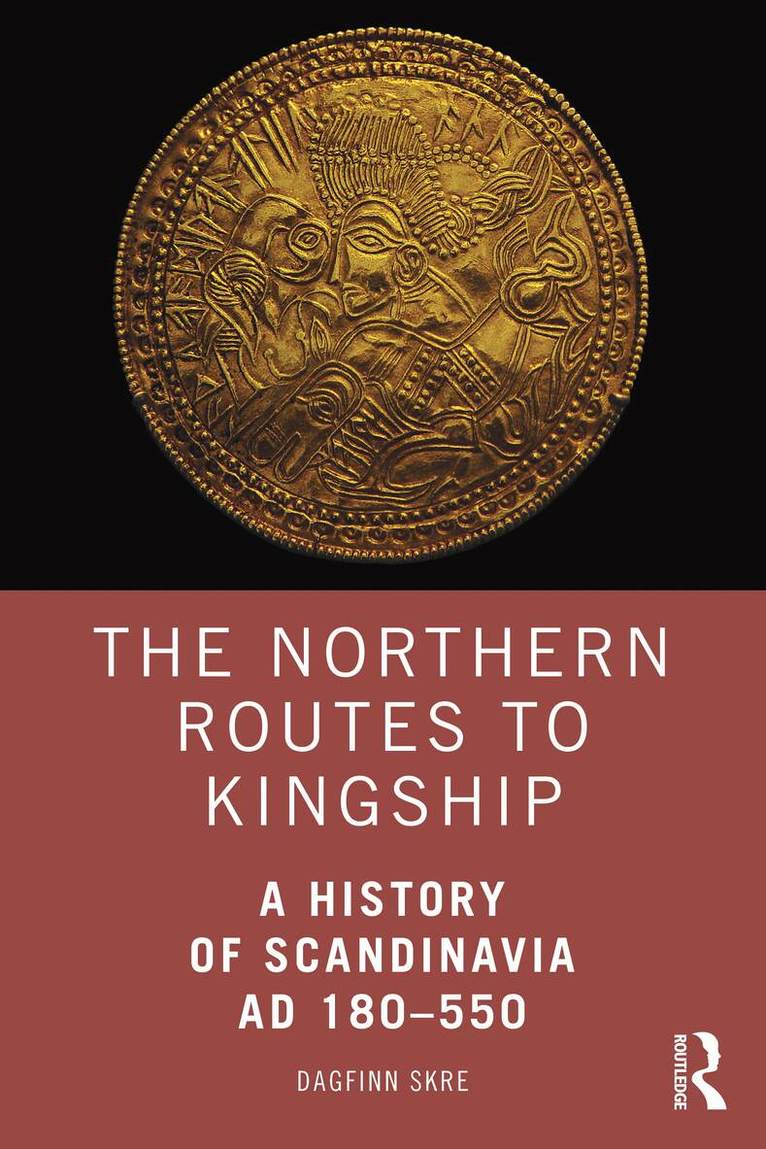
Northern Routes to Kingship
A History of Scandinavia AD 180–550
Av Dagfinn Skre
Häftad, 2025
665 kr
Lägg i varukorg
This book argues that tribal Scandinavia was set on the route to kingship by the arrival in the AD 180s–90s of warrior groups that were dismissed from the Roman army after defeating the Marcomanni by the Danube. Using a range of evidence, this book details how well-equipped and battle-seasoned …
Northern Routes to Kingship
A History of Scandinavia AD 180–550
Av Dagfinn Skre
E-bok, 2025
785 kr
Lägg i varukorg
This book argues that tribal Scandinavia was set on the route to kingship by the arrival in the AD 180s–90s of warrior groups that were dismissed from the Roman army after defeating the Marcomanni by the Danube. Using a range of evidence, this book details how well-equipped and battle-seasoned …
Northern Routes to Kingship
A History of Scandinavia AD 180–550
Av Dagfinn Skre
Inbunden, 2025
2581 kr
Lägg i varukorg
This book argues that tribal Scandinavia was set on the route to kingship by the arrival in the AD 180s–90s of warrior groups that were dismissed from the Roman army after defeating the Marcomanni by the Danube. Using a range of evidence, this book details how well-equipped and battle-seasoned …
Northern Routes to Kingship
A History of Scandinavia AD 180–550
Av Dagfinn Skre
E-bok, 2025
762 kr
Lägg i varukorg
This book argues that tribal Scandinavia was set on the route to kingship by the arrival in the AD 180s–90s of warrior groups that were dismissed from the Roman army after defeating the Marcomanni by the Danube. Using a range of evidence, this book details how well-equipped and battle-seasoned …
Avaldsnes - A Sea-Kings' Manor in First-Millennium Western Scandinavia
Av Dagfinn Skre
E-bok, 2017
3576 kr
Lägg i varukorg
The Royal manor Avaldsnes in southwest Norway holds a rich history testified by 13 th century sagas and exceptional graves from the first millennium AD. In 2011–12 the settlement was excavated. In this first book from the project crucial results from an international team of 23 scholars are …
Avaldsnes - A Sea-Kings' Manor in First-Millennium Western Scandinavia
Av Dagfinn Skre
E-bok, 2017
3613 kr
Lägg i varukorg
The Royal manor Avaldsnes in southwest Norway holds a rich history testified by 13 th century sagas and exceptional graves from the first millennium AD. In 2011–12 the settlement was excavated. In this first book from the project crucial results from an international team of 23 scholars are …
Avaldsnes - A Sea-Kings' Manor in First-Millennium Western Scandinavia
Av Dagfinn Skre
Inbunden, 2017
3551 kr
Lägg i varukorg
The Royal manor Avaldsnes in southwest Norway holds a rich history testified by 13th century sagas and exceptional graves from the first millennium AD. In 2011–12 the settlement was excavated. In this first book from the project crucial results from an international team of 23 scholars are …
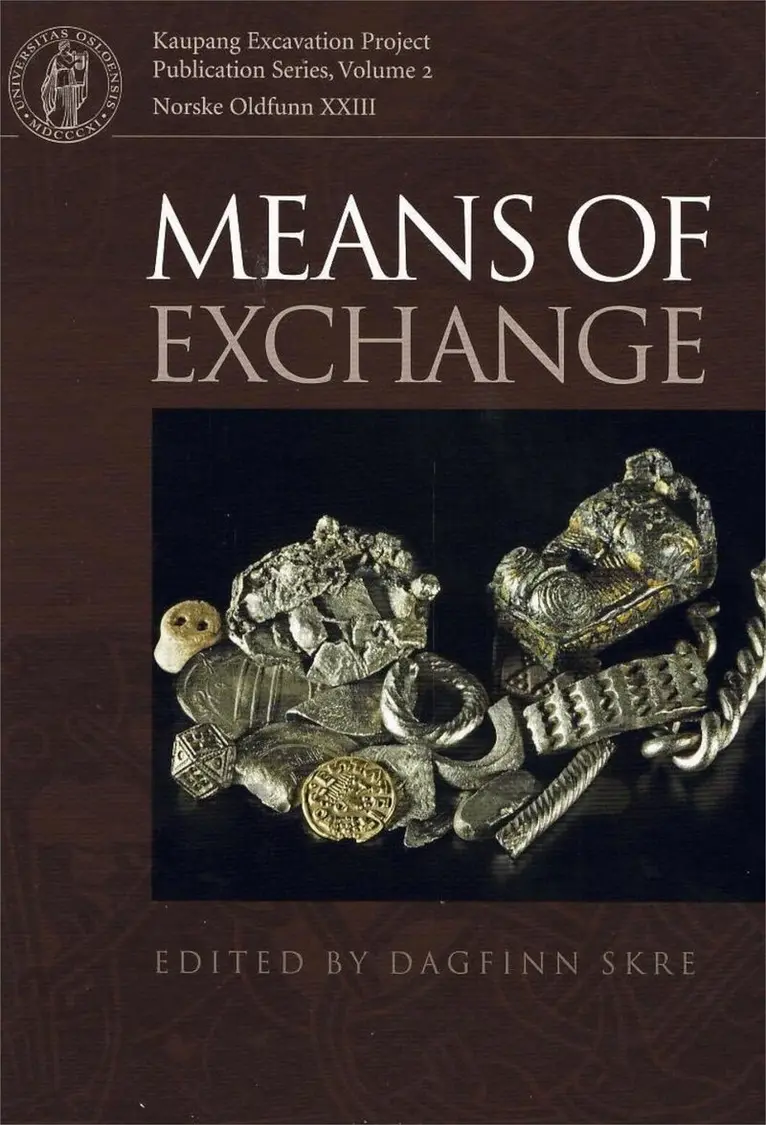
Means of Exchange
Dealing with Silver in the Viking Age
Av Dagfinn Skre
Inbunden, 2008
612 kr
Lägg i varukorg
This second volume on the excavations of the Norwegian Viking town Kaupang 2000-2003 presents find types used in economic transactions - coins, hacksilver, ingots, weights and balances. Changes in type and volume of economic transactions at Kaupang and in Scandinavia are discussed, and the economic …
Rulership in 1st to 14th century Scandinavia
Royal graves and sites at Avaldsnes and beyond
Av Dagfinn Skre
Inbunden, 2019
3566 kr
Tillfälligt slut
This book discusses the 3rd–11th century developments that led to the formation of the three Scandinavian kingdoms in the Viking Age. Wide-ranging studies of communication routes, regional identities, judicial territories, and royal sites and graves trace a complex trajectory of rulership in these …
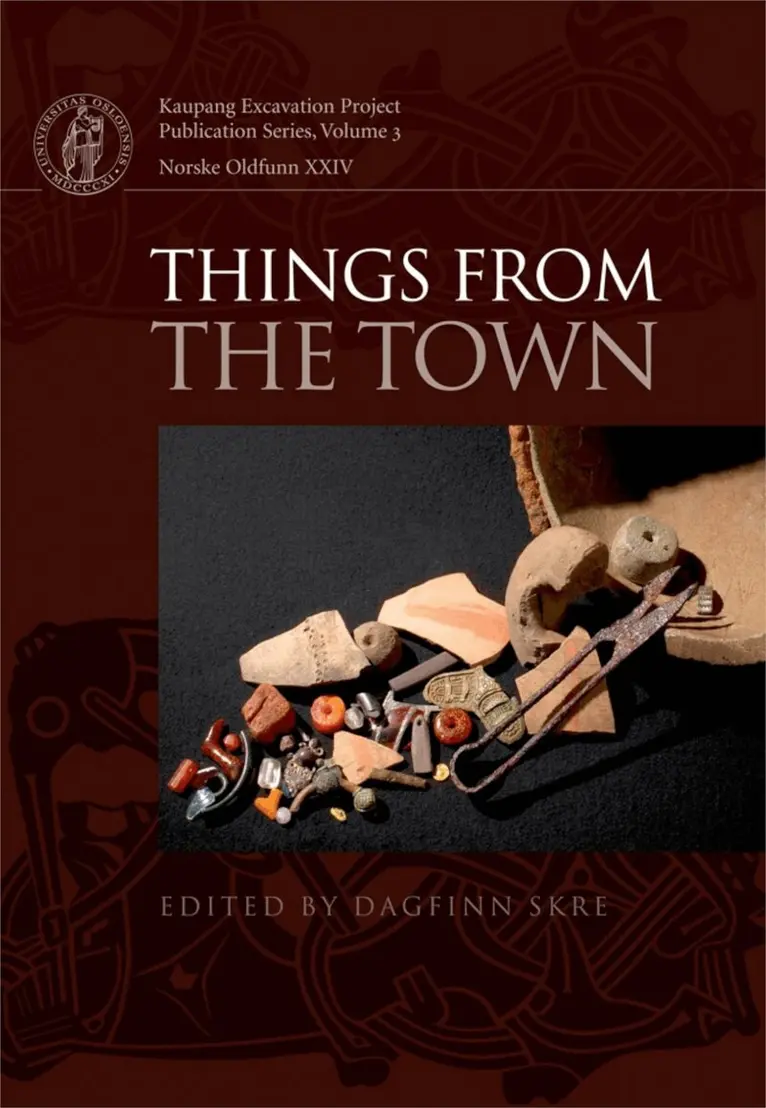
Things from the Town
Artefacts and Inhabitants in Viking-age Kaupang
Inbunden, 2011
701 kr
Tillfälligt slut
In this third volume deriving from the excavations of the Viking town of Kaupang of 2000-2003, a range of artefacts is presented along with a discussion of the town's inhabitants: their origins, activities and trading connexions. The main categories of artefact are metal jewellery and ornaments, …