Daniel G. Groody – författare
Visar alla böcker från författaren Daniel G. Groody. Handla med fri frakt och snabb leverans.
7 produkter
7 produkter
368 kr
Skickas inom 10-15 vardagar
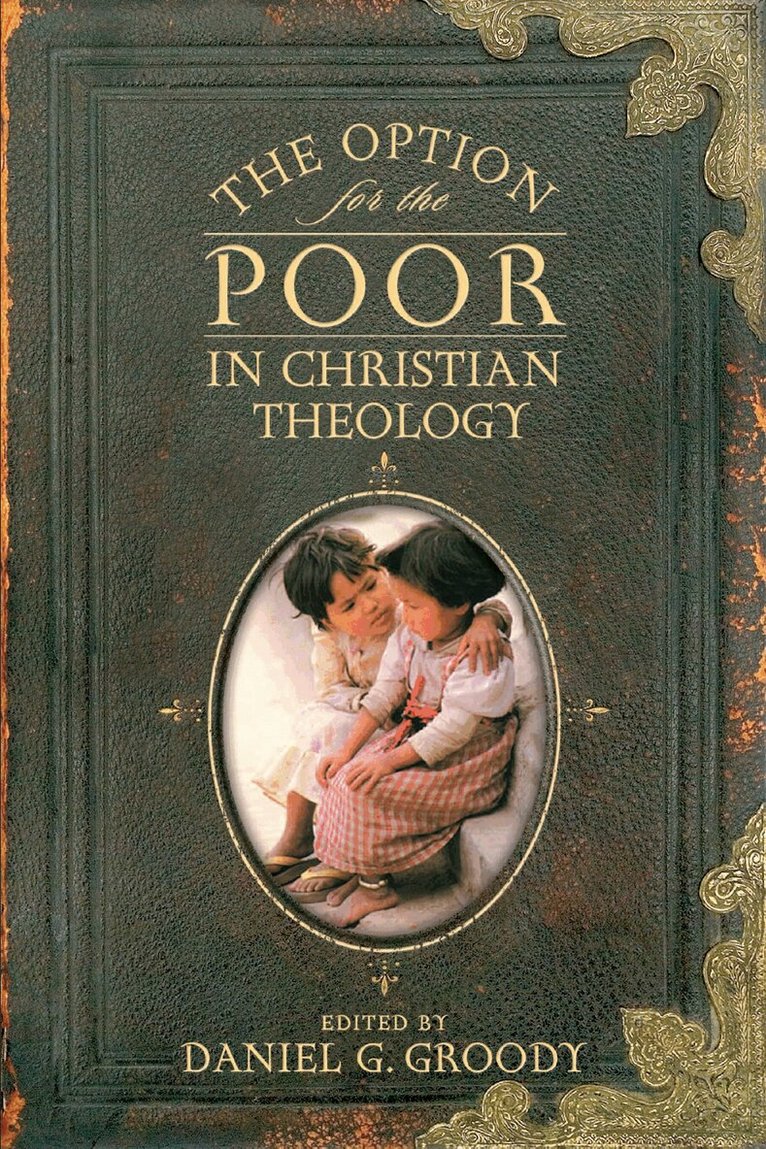
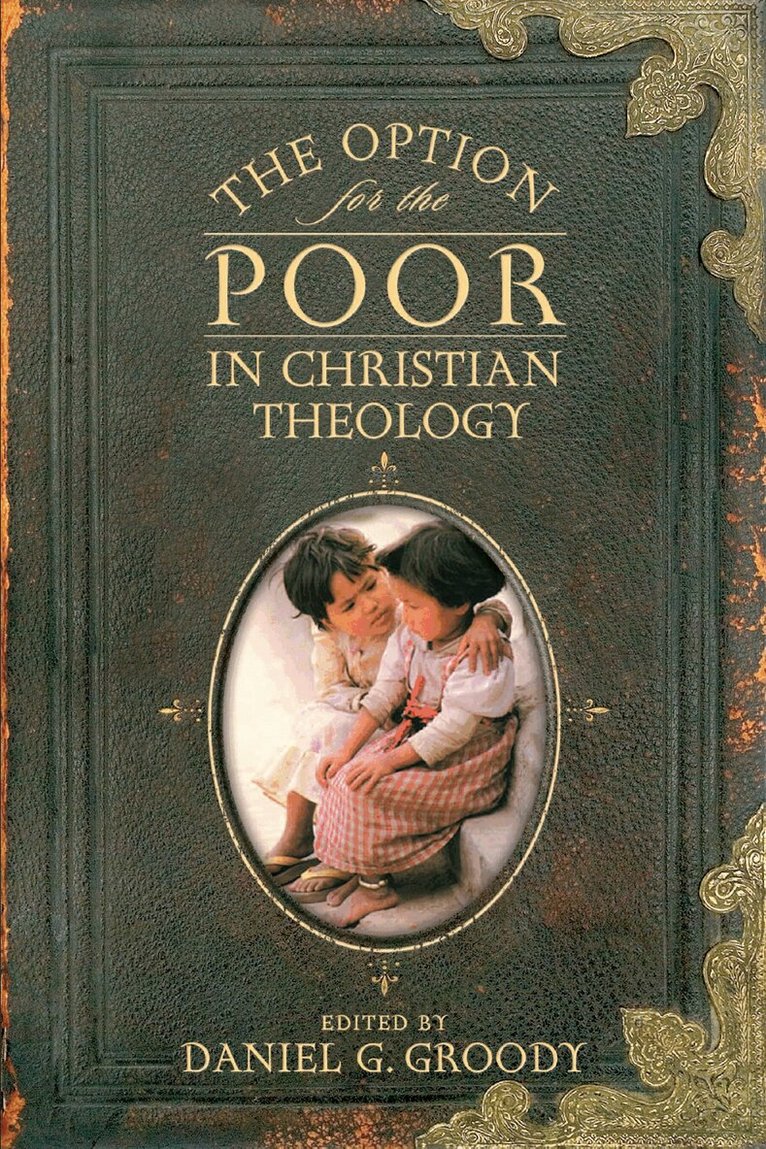
Since the publication of Gustavo Gutiérrez's 1973 groundbreaking work, A Theology of Liberation, much has been written on liberation theology and its central premise of the preferential option for the poor. Arguably, this has been one of the most important yet controversial theological themes of the twentieth century. As globalization creates greater gaps between the rich and the poor, and as the situation for many of the world's poor worsens, there is an ever greater need to understand the gift and challenge of Christian faith from the context of the poor and marginalized of our society. This volume draws on the thought of leading international scholars and explores how the Christian tradition can help us understand the theological foundations for the option for the poor. The central focus of the book revolves around the question, How can one live a Christian life in a world of destitution? The contributors are concerned not only with a social, economic, or political understanding of poverty but above all with the option for the poor as a theological concept.While these essays are rooted in a solid grounding of our present "reality," they look to the past to understand some of the central truths of Christian faith and to the future as a source of Christian hope. Following Gustavo Gutiérrez's essay on the multidimensionality of poverty, Elsa Tamez, Hugh Page, Jr., Brian Daley, and Jon Sobrino identify a central theological premise: poverty is contrary to the will of God. Drawing on scripture, the writings of the early fathers, the witness of Christian martyrs, and contemporary theological reflection, they argue that poverty represents the greatest challenge to Christian faith and discipleship. David Tracy and J. Matthew Ashley carry their reflection forward by examining the option for the poor in light of apocalyptic thought. Virgilio Elizondo, Patrick Kalilombe, María Pilar Aquino, M. Shawn Copeland, and Mary Catherine Hilkert examine the challenges of poverty with respect to culture, Africa, race, and gender. Casiano Floristán and Luis Maldonado explore the relationship between poverty, sacramentality, and popular religiosity. The final two essays by Aloysius Pieris and Michael Signer consider the option for the poor in relationship to other major world religions, particularly an Asian theology of religions and the meaning of care for the poor within Judaism.
328 kr
Skickas inom 10-15 vardagar
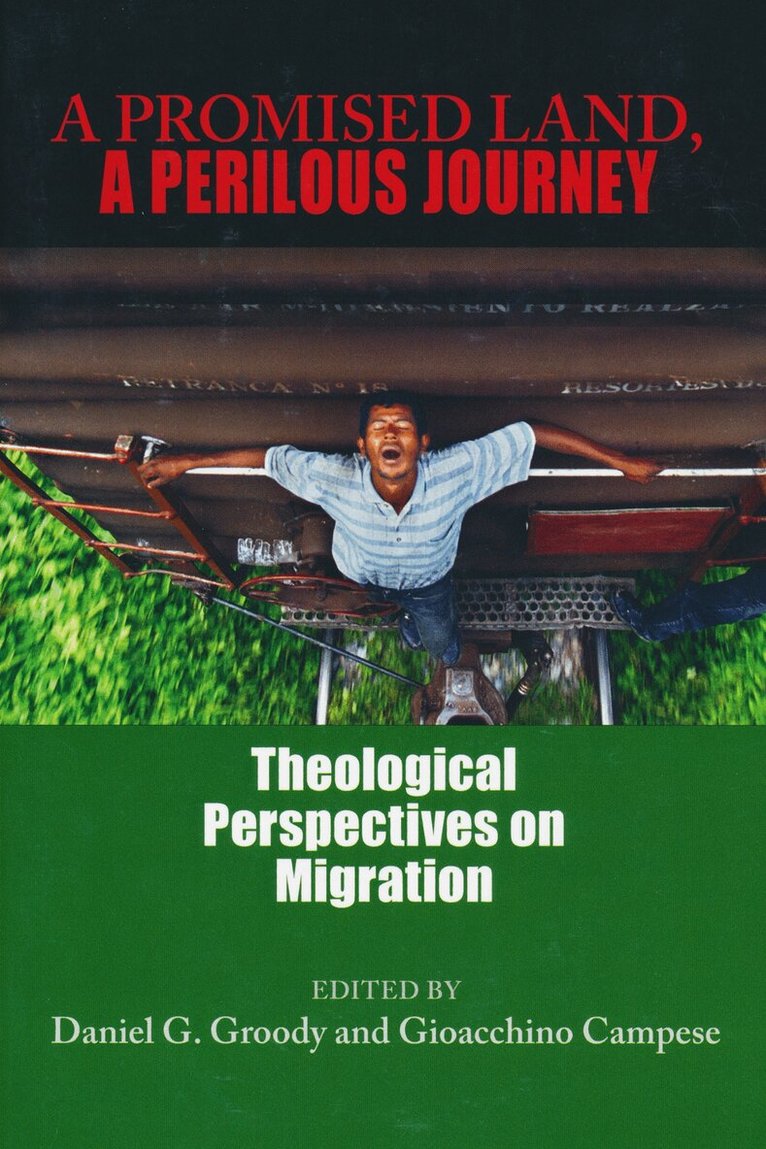
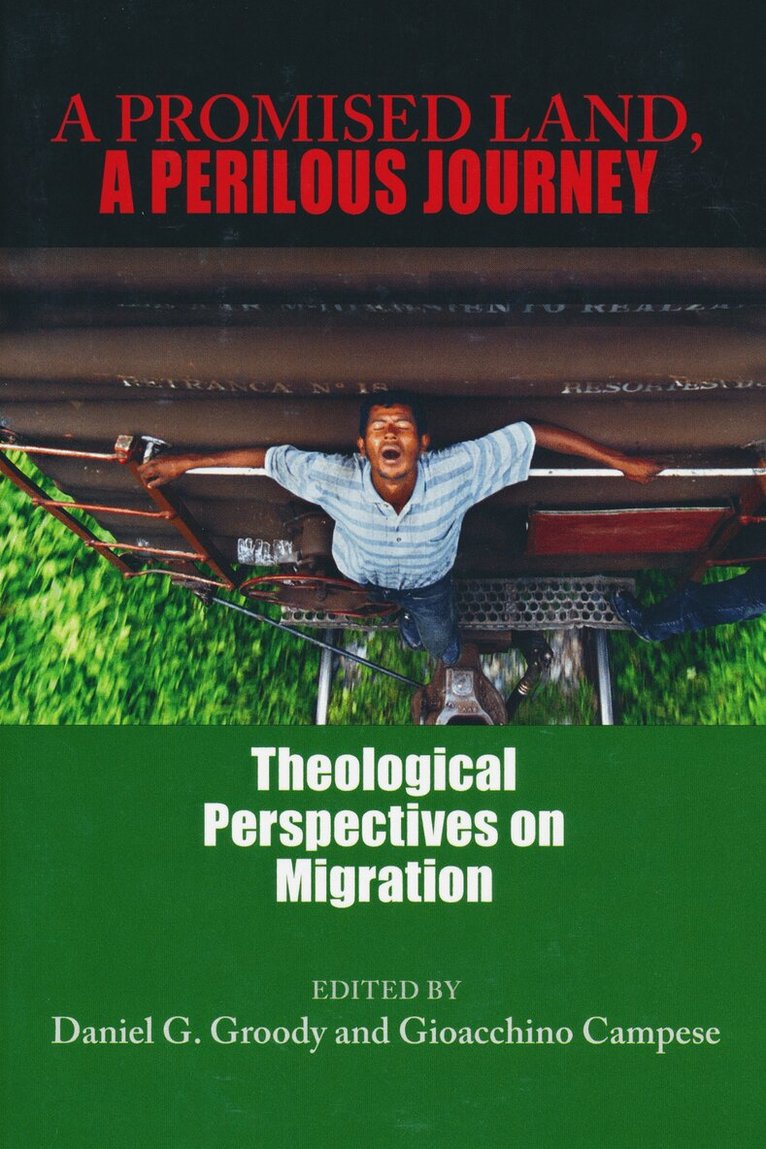
A Christian theological interpretation of the border reality is a neglected area of immigration study. The foremost contribution of A Promised Land, A Perilous Journey is its focus on the theological dimension of migration, beginning with the humanity of the immigrant, a child of God and a bearer of his image. The nineteen authors in this collection recognize that one characteristic of globalization is the movement not only of goods and ideas but also of people. The crossing of geographical borders confronts Christians, as well as all citizens, with choices: between national security and human insecurity, between sovereign national rights and human rights, between citizenship and discipleship. Bearing these global dimensions in mind, the essays in this book focus on the particular problems of immigration across the U.S.-Mexico border. The contributors to this volume include scholars as well as pastors and lay people involved in immigration aid work. Contributors: Oscar Andrés Cardinal Rodríguez, Gioacchino Campese, Daniel G. Groody, Jacqueline Hagan, Donald Senior, Peter C. Phan, Alex Nava, Gustavo Gutiérrez, Stephen Bevans, Robert Schreiter, Giovanni Graziano Tassello, Patrick Murphy, Robin Hoover, Graziano Battistella, Donald Kerwin, Raúl Fornet-Betancourt, Olivia Ruiz Marrujo, and Jorge E. Castillo Guerra.
314 kr
Skickas inom 10-15 vardagar
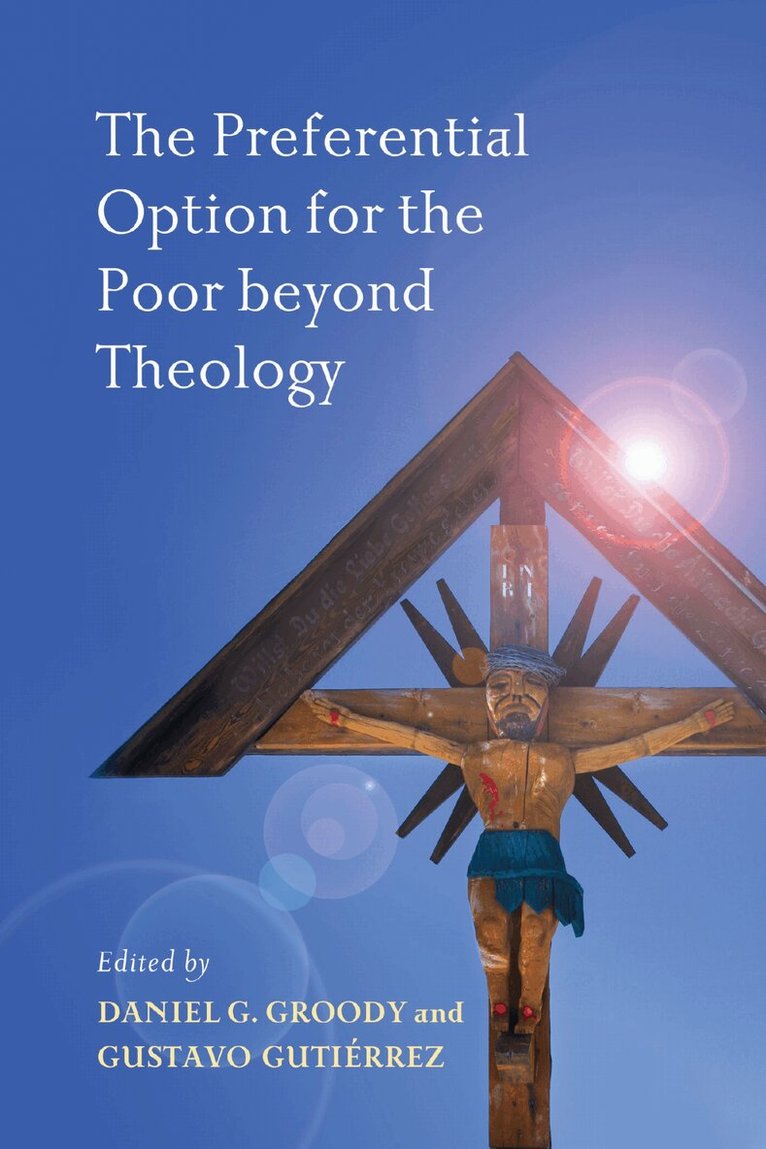
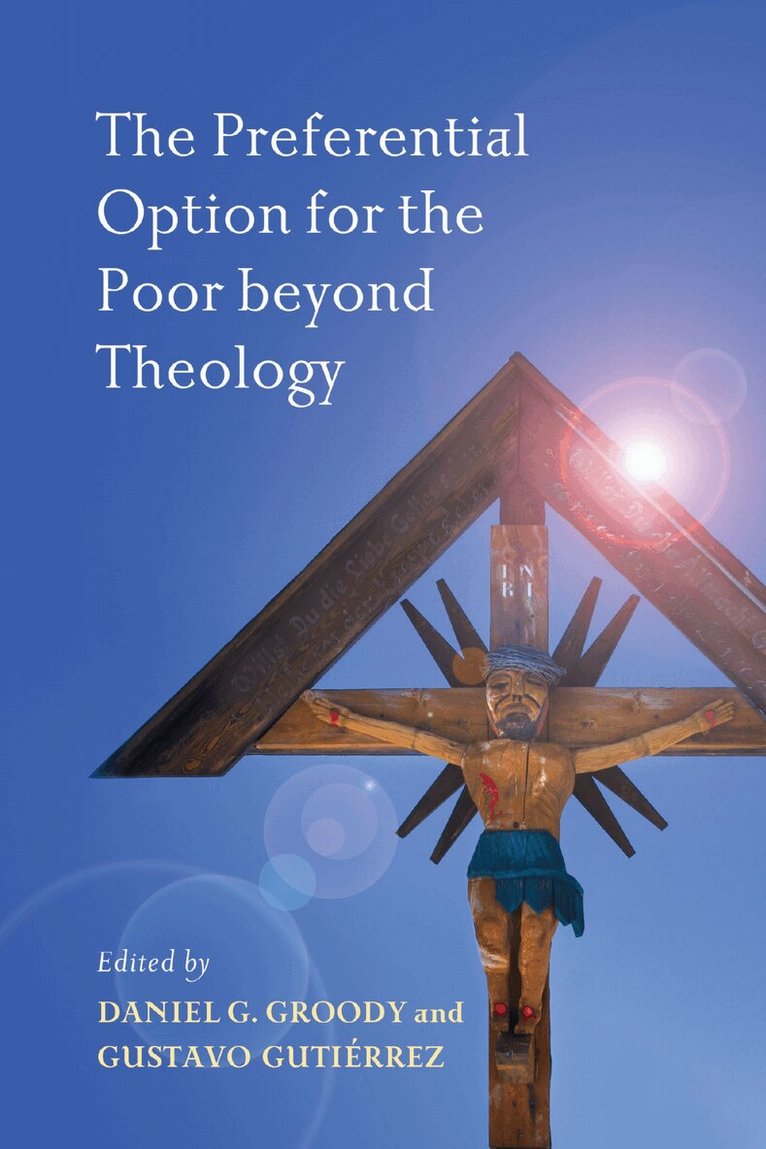
Since the 1973 publication of Gustavo Gutiérrez's groundbreaking work A Theology of Liberation, liberation theology's central premise of the preferential option for the poor has become one of the most important yet controversial theological themes of the twentieth century. As the situation for many of the world's poor worsens, it becomes ever more important to ensure that the option for the poor remains not only a vibrant theological concept but also a practical framework for living out the gift and challenge of Christian faith. The Preferential Option for the Poor beyond Theology draws on a diverse group of contributors to explore how disciplines as varied as law, economics, politics, the environment, science, liberal arts, film, and education can help us understand putting a commitment to the option for the poor into practice. The central focus of the book revolves around the question: How can one live a Christian life in a world of destitution? The contributors address the theological concept of the option for the poor as well as the ways it can shape our social, economic, political, educational, and environmental approaches to poverty. Their creative examples serve as an inspiration to all those who are seeking to put their talents at the service of human need and the building of a more just and humane world.
1 344 kr
Skickas inom 10-15 vardagar
A Christian theological interpretation of the border reality is a neglected area of immigration study. The foremost contribution of A Promised Land, A Perilous Journey is its focus on the theological dimension of migration, beginning with the humanity of the immigrant, a child of God and a bearer of his image. The nineteen authors in this collection recognize that one characteristic of globalization is the movement not only of goods and ideas but also of people. The crossing of geographical borders confronts Christians, as well as all citizens, with choices: between national security and human insecurity, between sovereign national rights and human rights, between citizenship and discipleship. Bearing these global dimensions in mind, the essays in this book focus on the particular problems of immigration across the U.S.-Mexico border. The contributors to this volume include scholars as well as pastors and lay people involved in immigration aid work. Contributors: Oscar Andrés Cardinal Rodríguez, Gioacchino Campese, Daniel G. Groody, Jacqueline Hagan, Donald Senior, Peter C. Phan, Alex Nava, Gustavo Gutiérrez, Stephen Bevans, Robert Schreiter, Giovanni Graziano Tassello, Patrick Murphy, Robin Hoover, Graziano Battistella, Donald Kerwin, Raúl Fornet-Betancourt, Olivia Ruiz Marrujo, and Jorge E. Castillo Guerra.
1 344 kr
Skickas inom 10-15 vardagar
Since the publication of Gustavo Gutiérrez's 1973 groundbreaking work, A Theology of Liberation, much has been written on liberation theology and its central premise of the preferential option for the poor. Arguably, this has been one of the most important yet controversial theological themes of the twentieth century. As globalization creates greater gaps between the rich and the poor, and as the situation for many of the world's poor worsens, there is an ever greater need to understand the gift and challenge of Christian faith from the context of the poor and marginalized of our society. This volume draws on the thought of leading international scholars and explores how the Christian tradition can help us understand the theological foundations for the option for the poor. The central focus of the book revolves around the question, How can one live a Christian life in a world of destitution? The contributors are concerned not only with a social, economic, or political understanding of poverty but above all with the option for the poor as a theological concept.While these essays are rooted in a solid grounding of our present "reality," they look to the past to understand some of the central truths of Christian faith and to the future as a source of Christian hope. Following Gustavo Gutiérrez's essay on the multidimensionality of poverty, Elsa Tamez, Hugh Page, Jr., Brian Daley, and Jon Sobrino identify a central theological premise: poverty is contrary to the will of God. Drawing on scripture, the writings of the early fathers, the witness of Christian martyrs, and contemporary theological reflection, they argue that poverty represents the greatest challenge to Christian faith and discipleship. David Tracy and J. Matthew Ashley carry their reflection forward by examining the option for the poor in light of apocalyptic thought. Virgilio Elizondo, Patrick Kalilombe, María Pilar Aquino, M. Shawn Copeland, and Mary Catherine Hilkert examine the challenges of poverty with respect to culture, Africa, race, and gender. Casiano Floristán and Luis Maldonado explore the relationship between poverty, sacramentality, and popular religiosity. The final two essays by Aloysius Pieris and Michael Signer consider the option for the poor in relationship to other major world religions, particularly an Asian theology of religions and the meaning of care for the poor within Judaism.
1 077 kr
Skickas inom 10-15 vardagar
Since the 1973 publication of Gustavo Gutiérrez's groundbreaking work A Theology of Liberation, liberation theology's central premise of the preferential option for the poor has become one of the most important yet controversial theological themes of the twentieth century. As the situation for many of the world's poor worsens, it becomes ever more important to ensure that the option for the poor remains not only a vibrant theological concept but also a practical framework for living out the gift and challenge of Christian faith. The Preferential Option for the Poor beyond Theology draws on a diverse group of contributors to explore how disciplines as varied as law, economics, politics, the environment, science, liberal arts, film, and education can help us understand putting a commitment to the option for the poor into practice. The central focus of the book revolves around the question: How can one live a Christian life in a world of destitution? The contributors address the theological concept of the option for the poor as well as the ways it can shape our social, economic, political, educational, and environmental approaches to poverty. Their creative examples serve as an inspiration to all those who are seeking to put their talents at the service of human need and the building of a more just and humane world.
434 kr
Skickas inom 10-15 vardagar
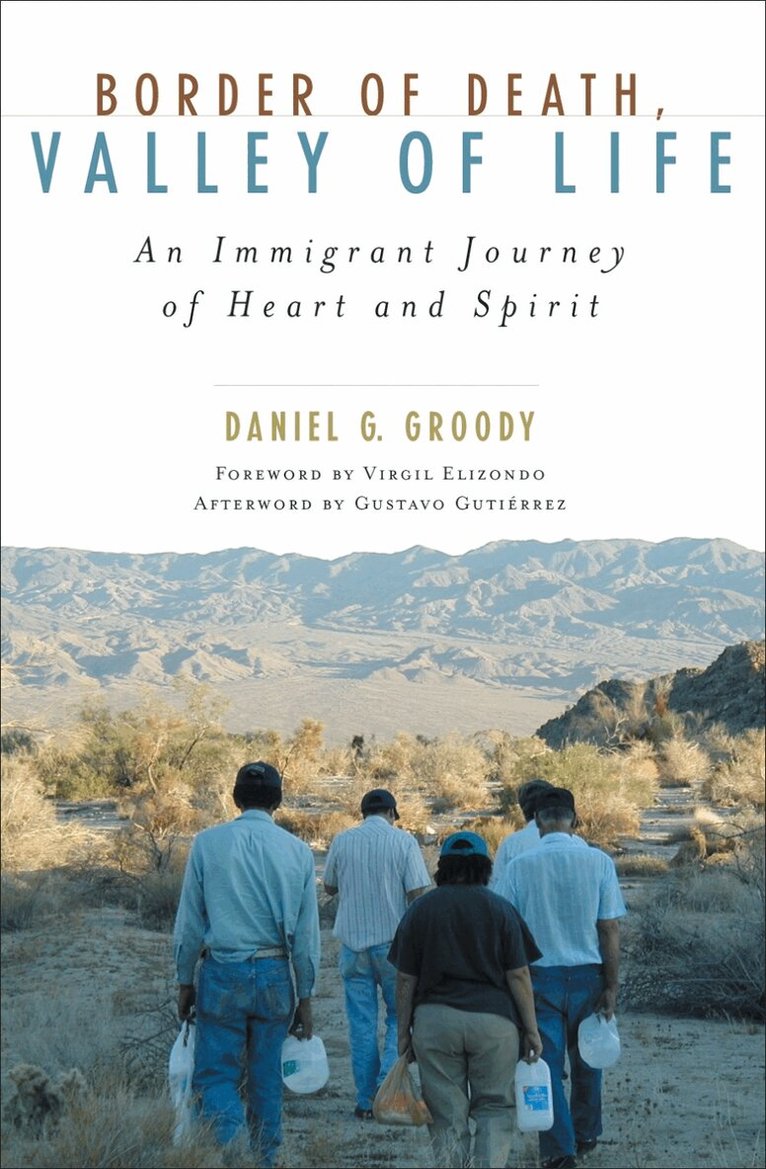
This book is a powerful first-hand account of religious ministry reaching out to heal the lives of desperate people who come to the United States, often illegally, seeking a better life.