Daniel Nugent - Böcker
Visar alla böcker från författaren Daniel Nugent. Handla med fri frakt och snabb leverans.
5 produkter
5 produkter
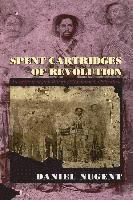
Spent Cartridges of Revolution
An Anthropological History of Namiquipa, Chihuahua
Inbunden, Engelska, 1993
766 kr
Tillfälligt slut
What happens to a revolutionary town after the revolution? This apparently simple question frames "Spent Cartridges of Revolution", an anthropological history of Namiquipa, Chihuahua, Mexico. Officially, the revolution of 1910-20 restored control over land and local politics to the peasantry. But Namiquipan peasants, who fought alongside Pancho Villa, have seen little progress and consider themselves mere "spent cartridges" of a struggle that benefited other classes. Daniel Nugent's approach combines an emphasis on the peasants' own perceptions of Mexican society after the revolution with an analysis of the organization and formation of state power. He shows that popular discontent in Chihuahua is motivated not only by immediate economic crises but by two centuries of struggle between the people of Northern Mexico and the government. Nugent discusses the relations of the rural class structure, ideology and the state, while analyzing the particular meanings of land, the labour process and politics for Namiquipans. Weaving long-range history, current events, and anthropological and social theory, this book challenges previous analyses of the Mexican revolution.
Spent Cartridges of Revolution
An Anthropological History of Namiquipa, Chihuahua
Häftad, Engelska, 1993
331 kr
Skickas inom 7-10 vardagar
What happens to a revolutionary town after the revolution? This apparently simple question frames "Spent Cartridges of Revolution", an anthropological history of Namiquipa, Chihuahua, Mexico. Officially, the revolution of 1910-20 restored control over land and local politics to the peasantry. But Namiquipan peasants, who fought alongside Pancho Villa, have seen little progress and consider themselves mere "spent cartridges" of a struggle that benefited other classes. Daniel Nugent's approach combines an emphasis on the peasants' own perceptions of Mexican society after the revolution with an analysis of the organization and formation of state power. He shows that popular discontent in Chihuahua is motivated not only by immediate economic crises but by two centuries of struggle between the people of Northern Mexico and the government. Nugent discusses the relations of the rural class structure, ideology and the state, while analyzing the particular meanings of land, the labour process and politics for Namiquipans. Weaving long-range history, current events, and anthropological and social theory, this book challenges previous analyses of the Mexican revolution.
394 kr
Tillfälligt slut
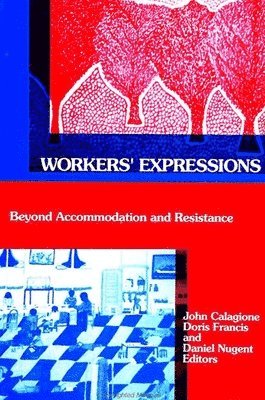
This book explores the interrelations between work and social life. It emphasizes how workers' expressive forms and public performances connect with processes of social, cultural, and individual empowerment. Departing from perspectives that emphasize organizational integration, equilibrium, and continuity, the authors present evidence from anthropology, history, and folklore to explore intersection of popular culture and working situations.The authors offer new data in the on-going debate about the separation of work and leisure, and raise questions about the diverse representations of class and the labor process. They identify workers' cultural values that emerge within the changing context of production, and that are not merely an outcome of industrial hegemony. Instead, workers' representations and articulations of craft mastery, class identity, and gender, reveal transformations of the traditional categories of those who produce and those who appropriate value. The studies of workers' lives range from contemporary United States and Mexico to China, India, and Japan.
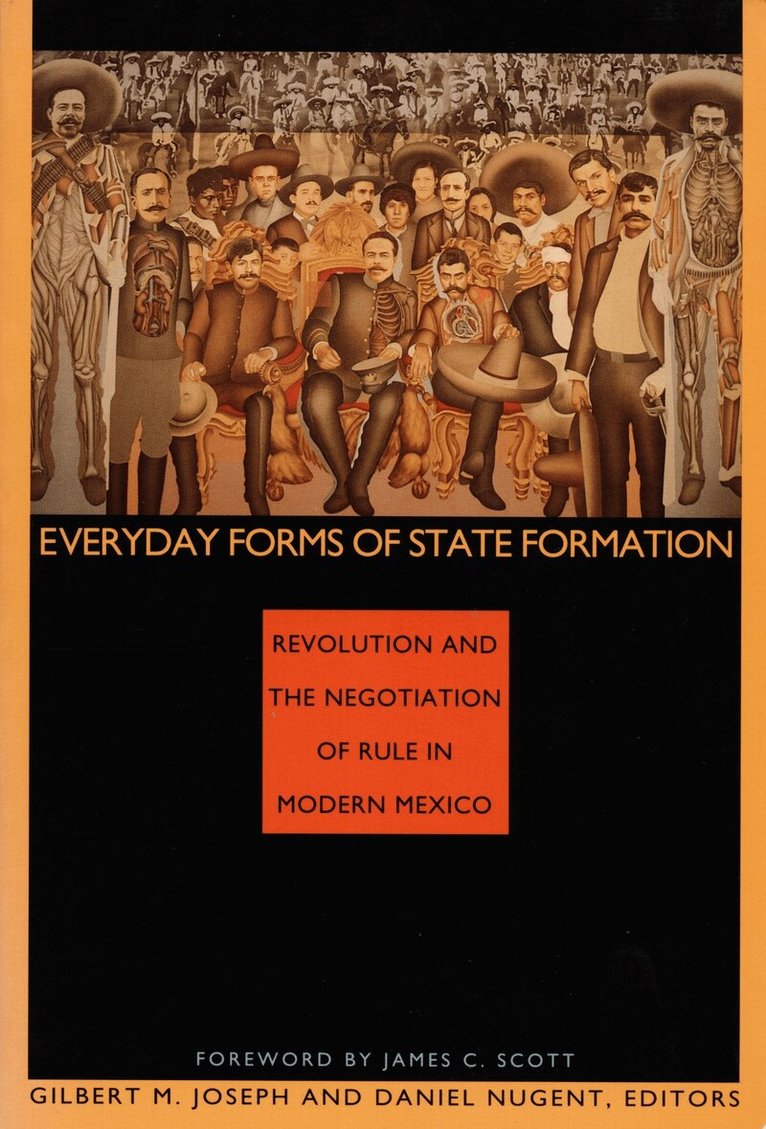
Everyday Forms of State Formation
Revolution and the Negotiation of Rule in Modern Mexico
Häftad, Engelska, 1994
427 kr
Skickas inom 7-10 vardagar
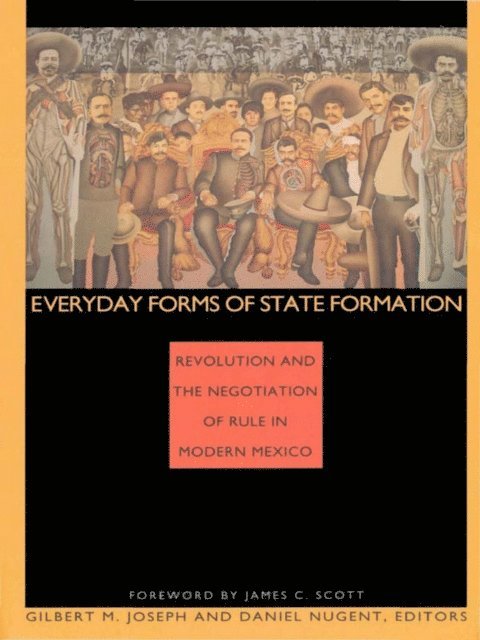
Everyday Forms of State Formation is the first book to systematically examine the relationship between popular cultures and state formation in revolutionary and post-revolutionary Mexico. While most accounts have emphasized either the role of peasants and peasant rebellions or that of state formation in Mexico’s past, these original essays reveal the state’s day-to-day engagement with grassroots society by examining popular cultures and forms of the state simultaneously and in relation to one another.Structured in the form of a dialogue between a distinguished array of Mexicanists and comparative social theorists, this volume boldly reassesses past analyses of the Mexican revolution and suggests new directions for future study. Showcasing a wealth of original archival and ethnographic research, this collection provides a new and deeper understanding of Mexico’s revolutionary experience. It also speaks more broadly to a problem of extraordinary contemporary relevance: the manner in which local societies and self-proclaimed "revolutionary" states are articulated historically. The result is a unique collection bridging social history, anthropology, historical sociology, and cultural studies in its formulation of new approaches for rethinking the multifaceted relationship between power, culture, and resistance.Contributors. Ana MarÍa Alonso, Armando Bartra, Marjorie Becker, Barry Carr, Philip Corrigan, Romana FalcÓn, Gilbert M. Joseph, Alan Knight, Florencia E. Mallon, Daniel Nugent, Elsie Rockwell, William Roseberry, Jan Rus, Derek Sayer, James C. Scott
624 kr
Skickas inom 3-6 vardagar
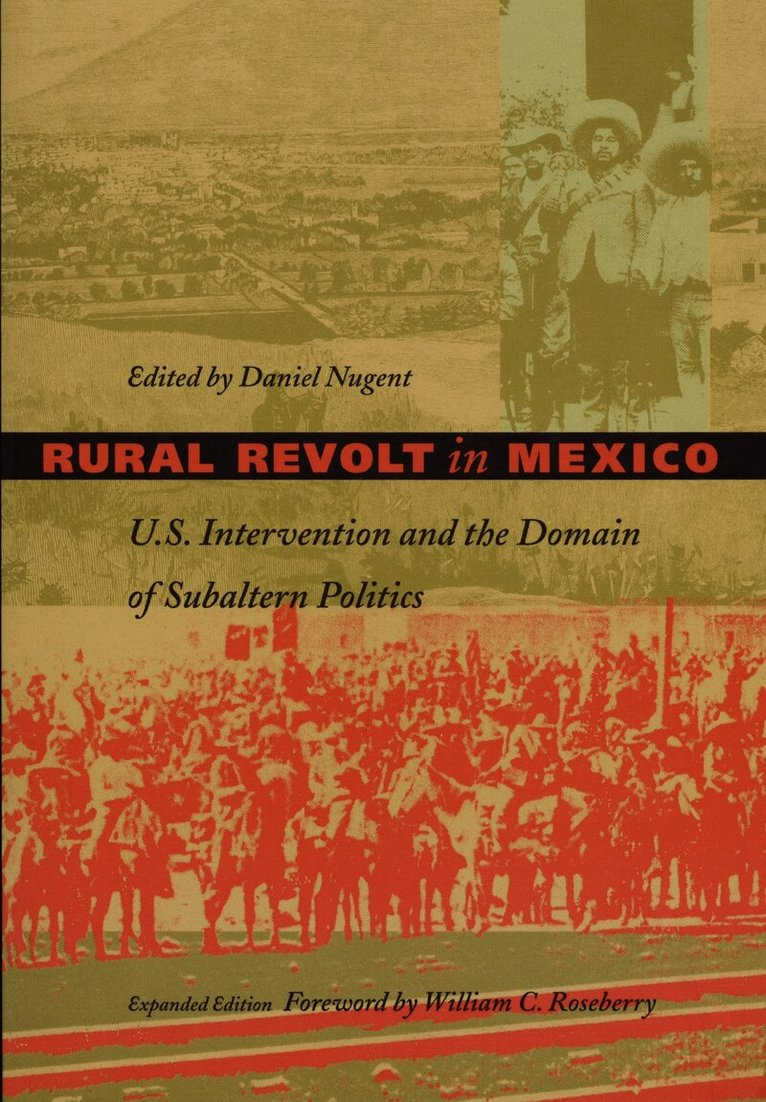
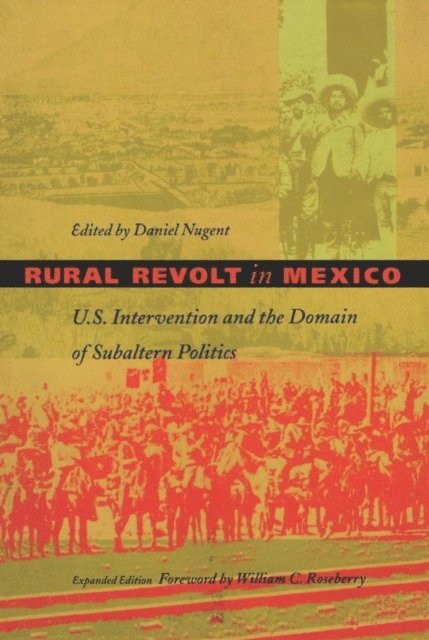
Rural Revolt in Mexico is a historical investigation of how subaltern political activity engages imperialism, capitalism, and the United States. In this volume, Daniel Nugent has gathered a group of leading scholars whose work examines the relationship of revolts by peasants and Indians in Mexico to the past century of U.S. intervention-from the rural rebellions of the 1840s through the 1910 revolution to the 1994 uprising in Chiapas. Through their studies of social movements and popular mobilization in the Mexican countryside, the contributors argue for understanding rural revolts in terms of the specific historical contexts of particular regions and peoples, as well as the broader context of unequal cultural, political, and economic relations between Mexico and the United States. Exploring the connections between external and internal factors in social movements, these essays reveal the wide range of organized efforts through which peasants and Indians have struggled to shape their own destiny while confronted by the influence of U.S. capital and military might. Originally published as a limited edition in 1988 by the Center for U. S.–Mexican Studies, this volume presents a pioneering effort by Latin Americanist scholars to sympathetically embrace and enrich work begun in Subaltern Studies between 1982 and 1987 by projecting it onto a different region of historical experience. This revised and expanded edition includes a new introduction by Daniel Nugent and an extensive essay by Adolfo Gilly on the recent Chiapas uprising.