Gilbert M. Joseph – författare
Visar alla böcker från författaren Gilbert M. Joseph. Handla med fri frakt och snabb leverans.
19 produkter
19 produkter
Häftad, Engelska, 1996
378 kr
Skickas inom 5-8 vardagar
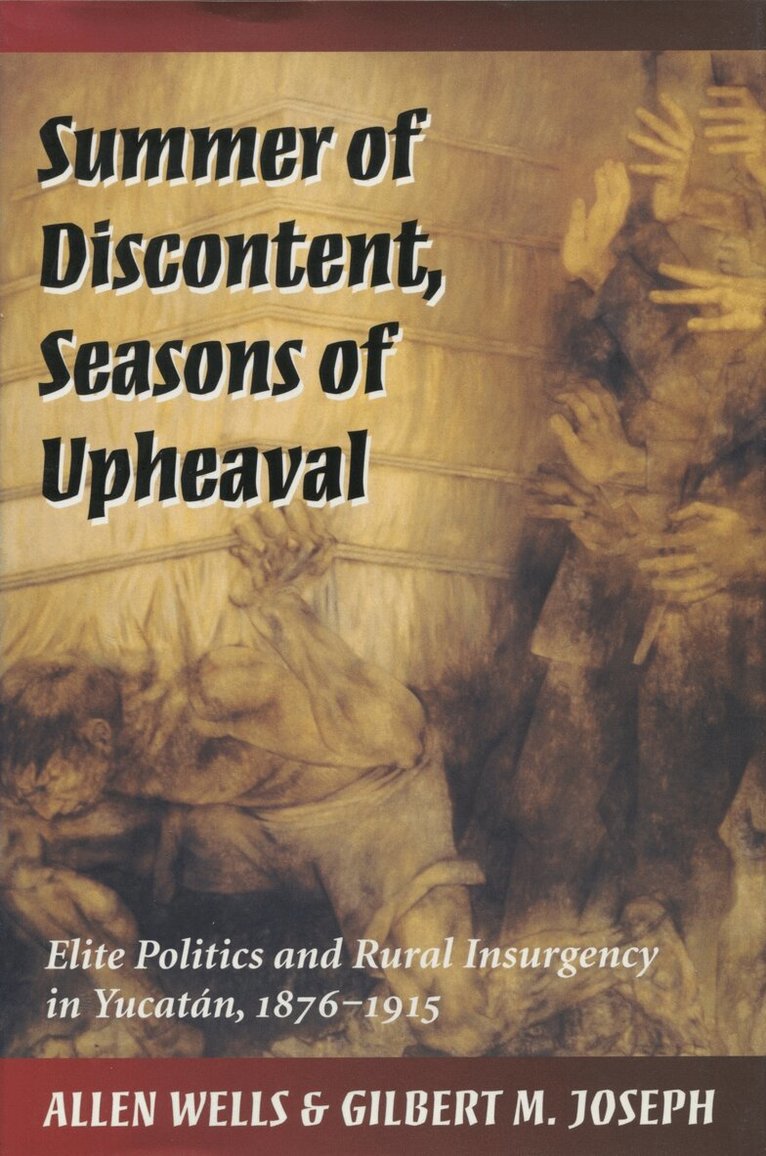
This book addresses a central problem often ignored by students of twentieth-century Mexico: the breakdown of the old order during the first years of the revolutionary era. That process was more contested and gradual in Yucatan than in any other Mexican region, and this close examination of the Yucatan experience sheds light on an issue of particular relevance to students of Central America, South America's southern cone, and other postcolonial societies: the capacity of national oligarchies to "hang on" in the face of escalating social change, the outbreak of local rebellions, and the mobilization of multiclass coalitions. Latin American historiography has generally failed to integrate the study of popular movements and rebellions with examinations of the determined efforts of elite establishments to prevent, contain, crush, and, ultimately, ideologically appropriate such rebellions. Most often, these problems are treated separately. This volume seeks to redress this imbalance by probing a set of linkages that is central to the study of Mexico's modern past: the complex, reciprocal relationship between modes of contestation and structures and discourses of power.
Häftad, Engelska, 2003
353 kr
Skickas inom 5-8 vardagar
Häftad, Engelska, 2010
380 kr
Skickas inom 5-8 vardagar
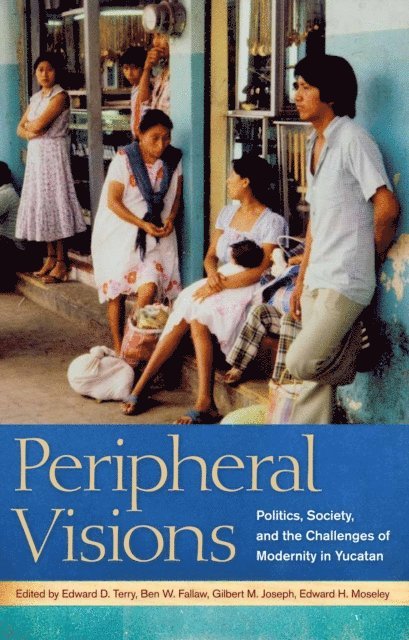
Yucatan has been called 'a world apart' - cut off from the rest of Mexico by geography and culture. Yet, despite its peripheral location, the region experienced substantial change in the decades after independence. As elsewhere in Mexico, apostles of modernization introduced policies intended to remold Yucatan in the image of the advanced nations of the day. Indeed, modernizing change began in the late colonial era and continued throughout the 19th century as traditional patterns of land tenure were altered and efforts were made to divest the Catholic Church of its wealth and political and intellectual influence. Some changes, however, produced fierce resistance from both elites and humbler Yucatecans and modernizers were frequently forced to retreat or at least reach accommodation with their foes. Covering topics from the early 19th century to the late 20th century, the essays in this collection illuminate both the processes of change and the negative reactions that they frequently elicited. The diversity of disciplines covered by this volume - history, anthropology, sociology, economics - illuminates at least three overriding challenges for study of the peninsula today. One is politics after the decline of the Institutional Revolutionary Party: What are the important institutions, practices, and discourses of politics in a post-postrevolutionary era? A second trend is the scholarly demystification of the Maya: Anthropologists have shown the difficulties of applying monolithic terms like Maya in a society where ethnic relations are often situational and ethnic boundaries are fluid. And a third consideration: researchers are only now beginning to grapple with the region's transition to a post-henequen economy based on tourism, migration, and the assembly plants known as maquiladoras. Challenges from agribusiness and industry will no doubt continue to affect the peninsula's fragile Karst topography and unique environments.
Häftad, Engelska, 1994
436 kr
Skickas inom 5-8 vardagar
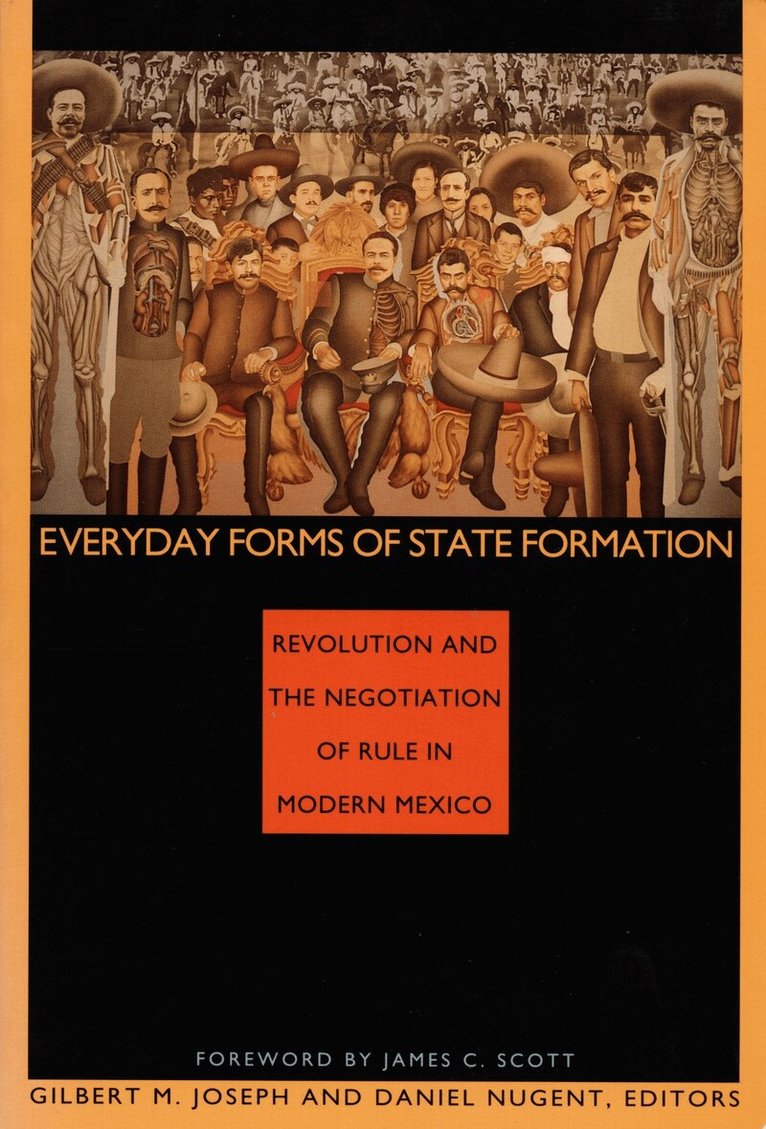
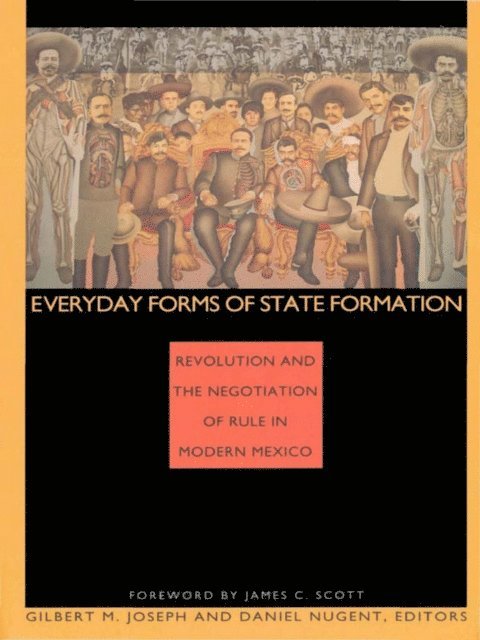
Everyday Forms of State Formation is the first book to systematically examine the relationship between popular cultures and state formation in revolutionary and post-revolutionary Mexico. While most accounts have emphasized either the role of peasants and peasant rebellions or that of state formation in Mexico’s past, these original essays reveal the state’s day-to-day engagement with grassroots society by examining popular cultures and forms of the state simultaneously and in relation to one another.Structured in the form of a dialogue between a distinguished array of Mexicanists and comparative social theorists, this volume boldly reassesses past analyses of the Mexican revolution and suggests new directions for future study. Showcasing a wealth of original archival and ethnographic research, this collection provides a new and deeper understanding of Mexico’s revolutionary experience. It also speaks more broadly to a problem of extraordinary contemporary relevance: the manner in which local societies and self-proclaimed "revolutionary" states are articulated historically. The result is a unique collection bridging social history, anthropology, historical sociology, and cultural studies in its formulation of new approaches for rethinking the multifaceted relationship between power, culture, and resistance.Contributors. Ana MarÍa Alonso, Armando Bartra, Marjorie Becker, Barry Carr, Philip Corrigan, Romana FalcÓn, Gilbert M. Joseph, Alan Knight, Florencia E. Mallon, Daniel Nugent, Elsie Rockwell, William Roseberry, Jan Rus, Derek Sayer, James C. Scott
Inbunden, Engelska, 1998
1 603 kr
Skickas
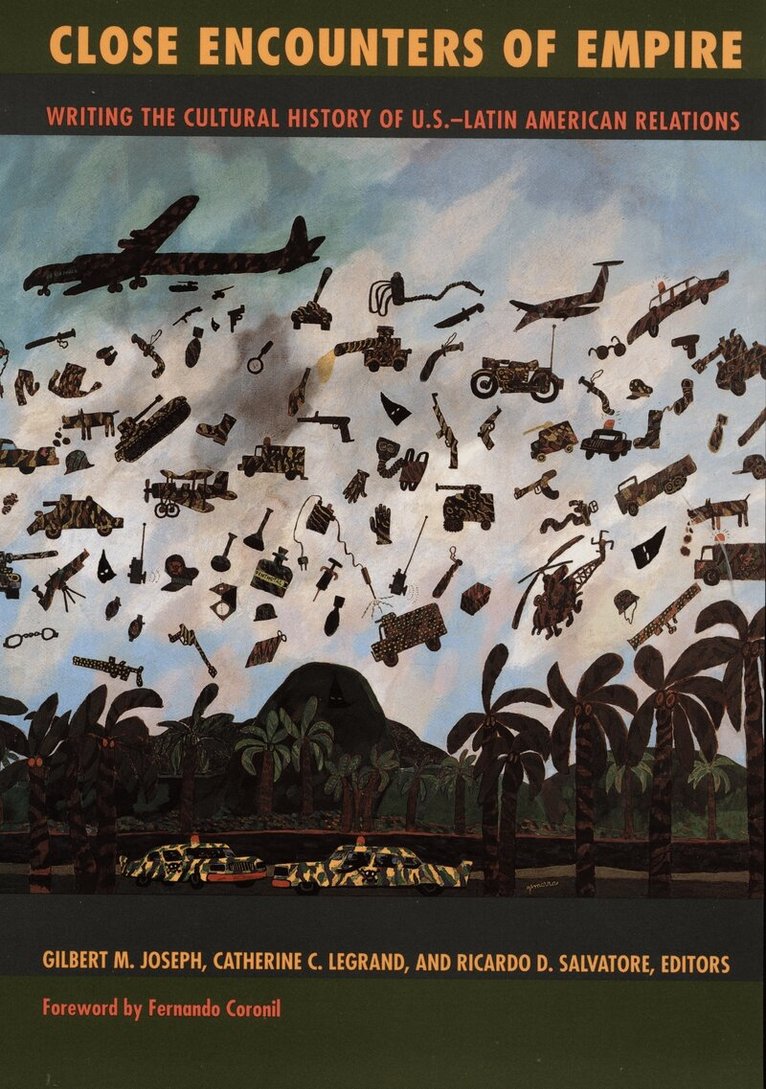
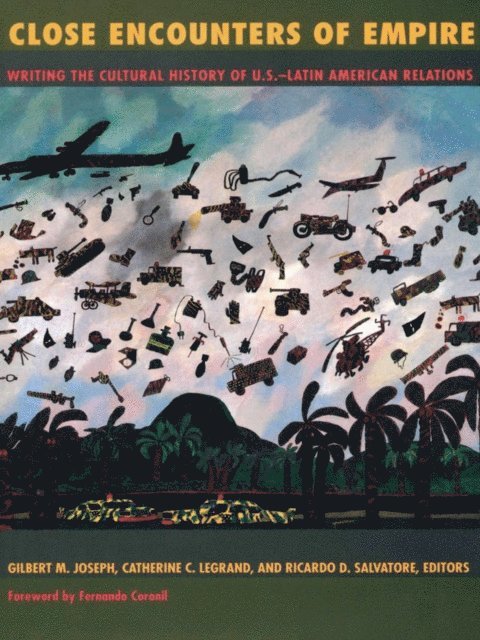
New concerns with the intersections of culture and power, historical agency, and the complexity of social and political life are producing new questions about the United States’ involvement with Latin America. Turning away from political-economic models that see only domination and resistance, exploiters and victims, the contributors to this pathbreaking collection suggest alternate ways of understanding the role that U.S. actors and agencies have played in the region during the postcolonial period. Exploring a variety of nineteenth- and twentieth-century encounters in Latin America, these theoretically engaged essays by distinguished U.S. and Latin American historians and anthropologists illuminate a wide range of subjects. From the Rockefeller Foundation’s public health initiatives in Central America to the visual regimes of film, art, and advertisements; these essays grapple with new ways of conceptualizing public and private spheres of empire. As such, Close Encounters of Empire initiates a dialogue between postcolonial studies and the long-standing scholarship on colonialism and imperialism in the Americas as it rethinks the cultural dimensions of nationalism and development.
Häftad, Engelska, 1998
450 kr
Skickas inom 5-8 vardagar
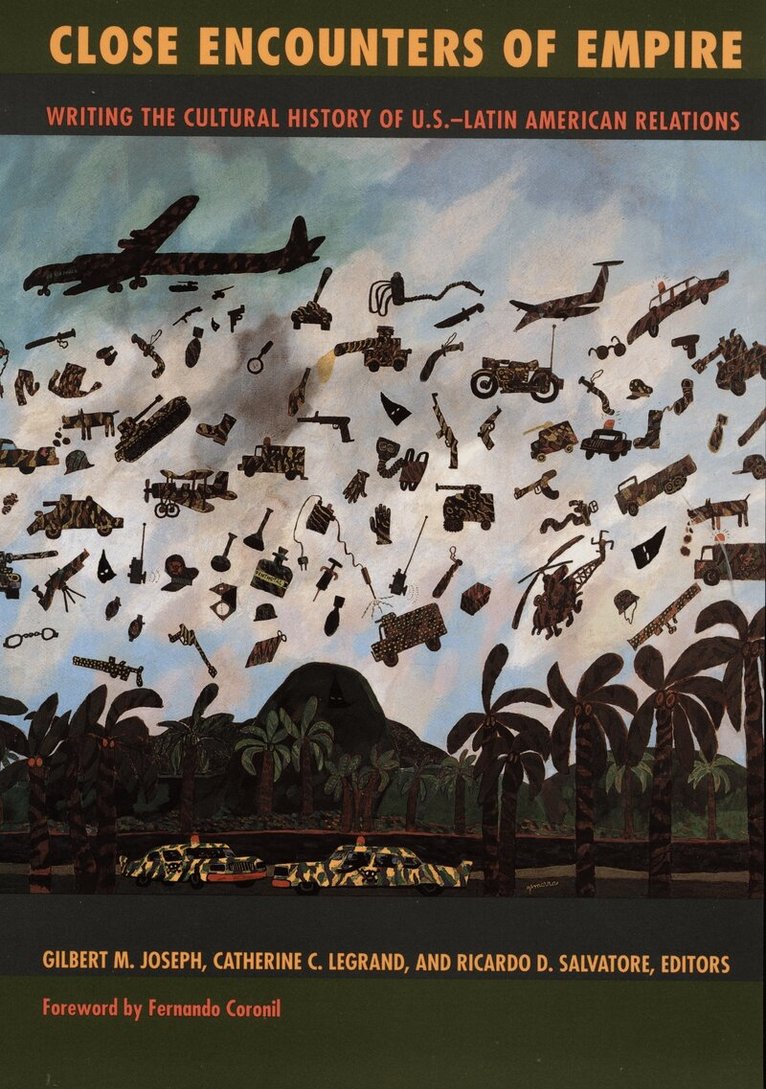
New concerns with the intersections of culture and power, historical agency, and the complexity of social and political life are producing new questions about the United States’ involvement with Latin America. Turning away from political-economic models that see only domination and resistance, exploiters and victims, the contributors to this pathbreaking collection suggest alternate ways of understanding the role that U.S. actors and agencies have played in the region during the postcolonial period. Exploring a variety of nineteenth- and twentieth-century encounters in Latin America, these theoretically engaged essays by distinguished U.S. and Latin American historians and anthropologists illuminate a wide range of subjects. From the Rockefeller Foundation’s public health initiatives in Central America to the visual regimes of film, art, and advertisements; these essays grapple with new ways of conceptualizing public and private spheres of empire. As such, Close Encounters of Empire initiates a dialogue between postcolonial studies and the long-standing scholarship on colonialism and imperialism in the Americas as it rethinks the cultural dimensions of nationalism and development.
Häftad, Engelska, 2001
423 kr
Skickas inom 5-8 vardagar
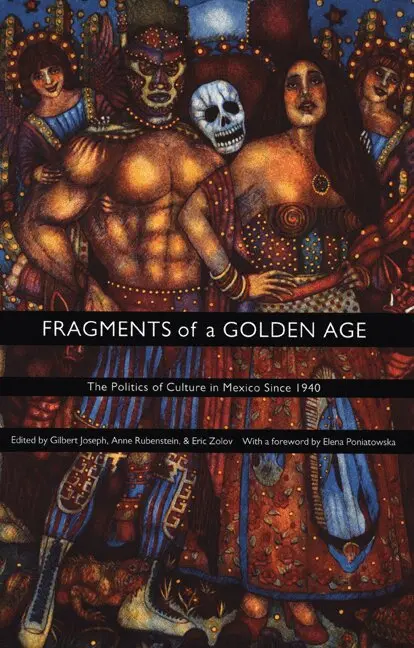
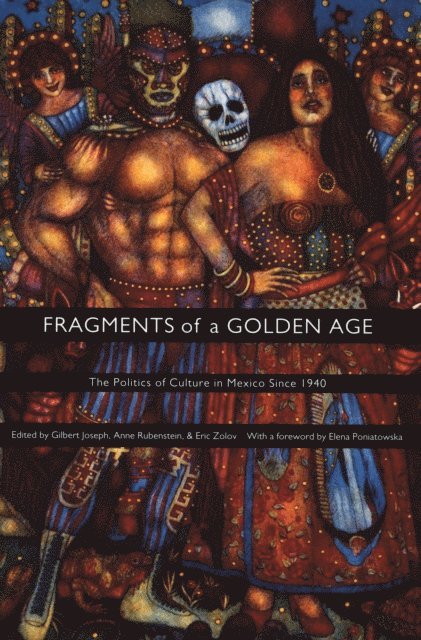
During the twentieth century the Mexican government invested in the creation and promotion of a national culture more aggressively than any other state in the western hemisphere. Fragments of a Golden Age provides a comprehensive cultural history of the vibrant Mexico that emerged after 1940. Agreeing that the politics of culture and its production, dissemination, and reception constitute one of the keys to understanding this period of Mexican history, the volume’s contributors-historians, popular writers, anthropologists, artists, and cultural critics-weigh in on a wealth of topics from music, tourism, television, and sports to theatre, unions, art, and magazines. Each essay in its own way addresses the fragmentation of a cultural consensus that prevailed during the “golden age” of post–revolutionary prosperity, a time when the state was still successfully bolstering its power with narratives of modernization and shared community. Combining detailed case studies-both urban and rural-with larger discussions of political, economic, and cultural phenomena, the contributors take on such topics as the golden age of Mexican cinema, the death of Pedro Infante as a political spectacle, the 1951 “caravan of hunger,” professional wrestling, rock music, and soap operas. Fragments of a Golden Age will fill a particular gap for students of modern Mexico, Latin American studies, cultural studies, political economy, and twentieth century history, as well as to others concerned with rethinking the cultural dimensions of nationalism, imperialism, and modernization. Contributors. Steven J. Bachelor, Quetzil E. CastaÑeda, Seth Fein, Alison Greene, Omar HernÁndez, Jis & Trino, Gilbert M. Joseph, Heather Levi, RubÉn MartÍnez, Emile McAnany, John Mraz, Jeffrey M. Pilcher, Elena Poniatowska, Anne Rubenstein, Alex Saragoza, Arthur Schmidt, Mary Kay Vaughan, Eric Zolov
Häftad, Engelska, 2001
436 kr
Skickas inom 5-8 vardagar
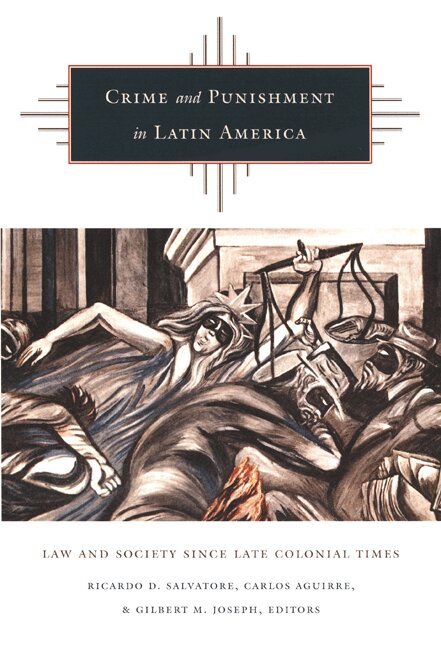
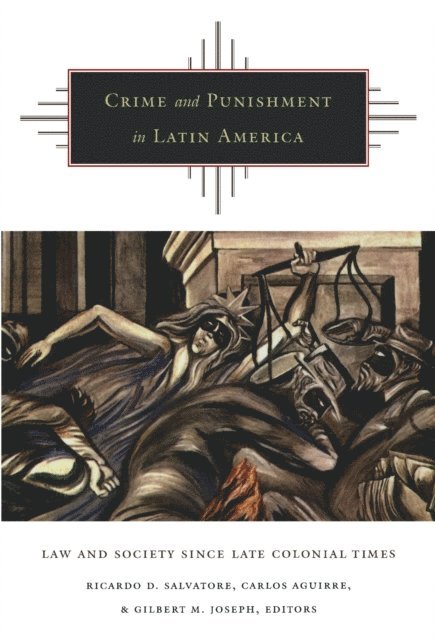
Crowning a decade of innovative efforts in the historical study of law and legal phenomena in the region, Crime and Punishment in Latin America offers a collection of essays that deal with the multiple aspects of the relationship between ordinary people and the law. Building on a variety of methodological and theoretical trends-cultural history, subaltern studies, new political history, and others-the contributors share the conviction that law and legal phenomena are crucial elements in the formation and functioning of modern Latin American societies and, as such, need to be brought to the forefront of scholarly debates about the region’s past and present.While disassociating law from a strictly legalist approach, the volume showcases a number of highly original studies on topics such as the role of law in processes of state formation and social and political conflict, the resonance between legal and cultural phenomena, and the contested nature of law-enforcing discourses and practices. Treating law as an ambiguous and malleable arena of struggle, the contributors to this volume-scholars from North and Latin America who represent the new wave in legal history that has emerged in recent years-- demonstrate that law not only produces and reformulates culture, but also shapes and is shaped by larger processes of political, social, economic, and cultural change. In addition, they offer valuable insights about the ways in which legal systems and cultures in Latin America compare to those in England, Western Europe, and the United States.This volume will appeal to scholars in Latin American studies and to those interested in the social, cultural, and comparative history of law and legal phenomena.Contributors. Carlos Aguirre, Dain Borges, Lila Caimari, Arlene J. DÍaz, Luis A. Gonzalez, Donna J. Guy, Douglas Hay, Gilbert M. Joseph, Juan Manuel Palacio, Diana Paton, Pablo Piccato, Cristina Rivera Garza, Kristin Ruggiero, Ricardo D. Salvatore, Charles F. Walker
Häftad, Engelska, 2001
436 kr
Skickas inom 5-8 vardagar
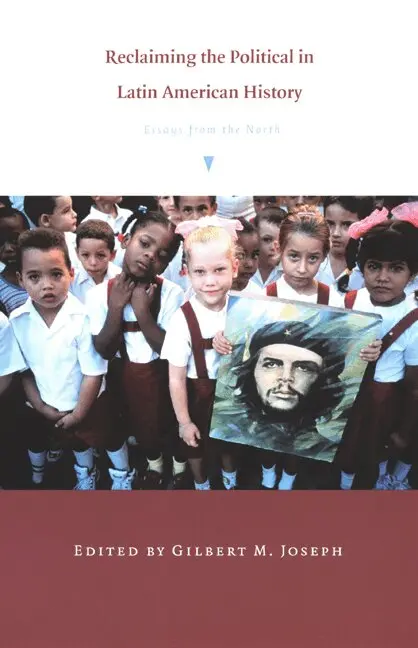
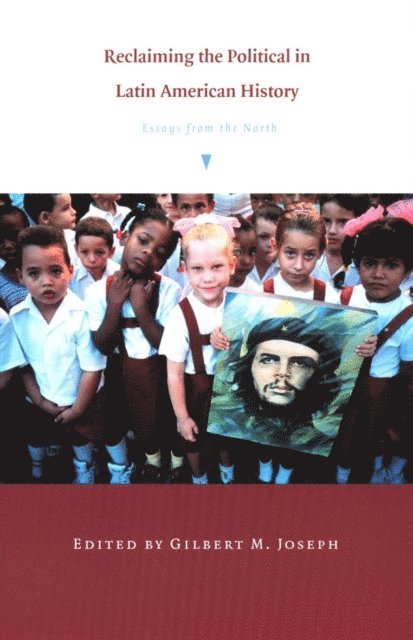
Reclaiming the Political in Latin American History is a collection that embraces a new social and cultural history of Latin America that is not divorced from politics and other arenas of power. True to the intellectual vision of Brazilian historian Emilia Viotti da Costa, one of Latin America’s most distinguished scholars, the contributors actively revisit the political-as both a theme of historical analysis and a stance for historical practice-to investigate the ways in which power, agency, and Latin American identity have been transformed over the past few decades.Taking careful stock of the state of historical writing on Latin America, the volume delineates current historiographical frontiers and suggests a series of new approaches that focus on several pivotal themes: the construction of historical narratives and memory; the articulation of class, race, gender, sexuality, and generation; and the historian’s involvement in the making of history. Although the book represents a view of the Latin American political that comes primarily from the North, the influence of Viotti da Costa powerfully marks the contributors’ engagement with Latin America’s past. Featuring a keynote essay by Viotti da Costa herself, the volume’s lively North-South encounter embodies incipient trends of hemispheric intellectual convergence.Contributors. Jeffrey L. Gould, Greg Grandin, Daniel James, Gilbert M. Joseph, Thomas Miller Klubock, Mary Ann Mahony, Florencia E. Mallon, Diana Paton, Steve J. Stern, Heidi Tinsman, Emilia Viotti da Costa, Barbara Weinstein
Häftad, Engelska, 2003
339 kr
Skickas inom 5-8 vardagar
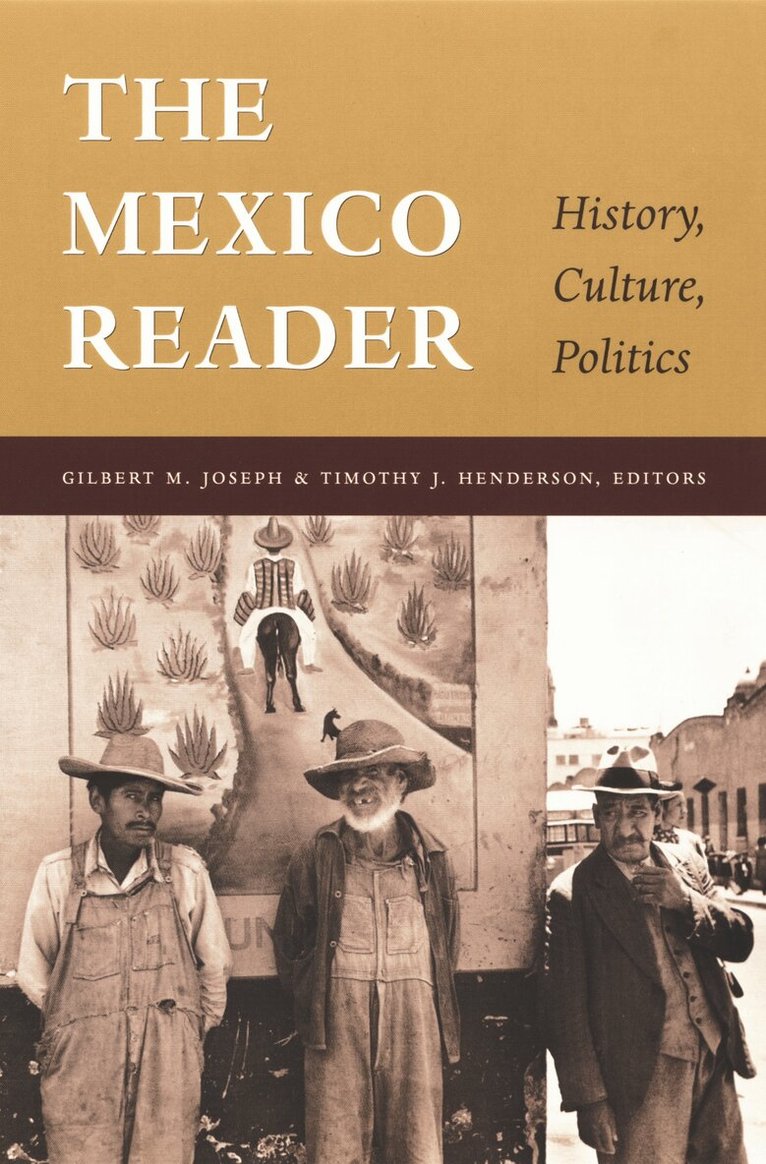
The Mexico Reader is a vivid introduction to muchos MÉxicos-the many Mexicos, or the many varied histories and cultures that comprise contemporary Mexico. Unparalleled in scope and written for the traveler, student, and expert alike, the collection offers a comprehensive guide to the history and culture of Mexico-including its difficult, uneven modernization; the ways the country has been profoundly shaped not only by Mexicans but also by those outside its borders; and the extraordinary economic, political, and ideological power of the Roman Catholic Church. The book looks at what underlies the chronic instability, violence, and economic turmoil that have characterized periods of Mexico’s history while it also celebrates the country’s rich cultural heritage.A diverse collection of more than eighty selections, The Mexico Reader brings together poetry, folklore, fiction, polemics, photoessays, songs, political cartoons, memoirs, satire, and scholarly writing. Many pieces are by Mexicans, and a substantial number appear for the first time in English. Works by Octavio Paz and Carlos Fuentes are included along with pieces about such well-known figures as the larger-than-life revolutionary leaders Pancho Villa and Emiliano Zapata; there is also a comminiquÉ from a more recent rebel, Subcomandante Marcos. At the same time, the book highlights the perspectives of many others-indigenous peoples, women, politicians, patriots, artists, soldiers, rebels, priests, workers, peasants, foreign diplomats, and travelers. The Mexico Reader explores what it means to be Mexican, tracing the history of Mexico from pre-Columbian times through the country’s epic revolution (1910–17) to the present day. The materials relating to the latter half of the twentieth century focus on the contradictions and costs of postrevolutionary modernization, the rise of civil society, and the dynamic cross-cultural zone marked by the two thousand-mile Mexico-U.S. border. The editors have divided the book into several sections organized roughly in chronological order and have provided brief historical contexts for each section. They have also furnished a lengthy list of resources about Mexico, including websites and suggestions for further reading.
Inbunden, Engelska, 2008
1 445 kr
Skickas inom 5-8 vardagar
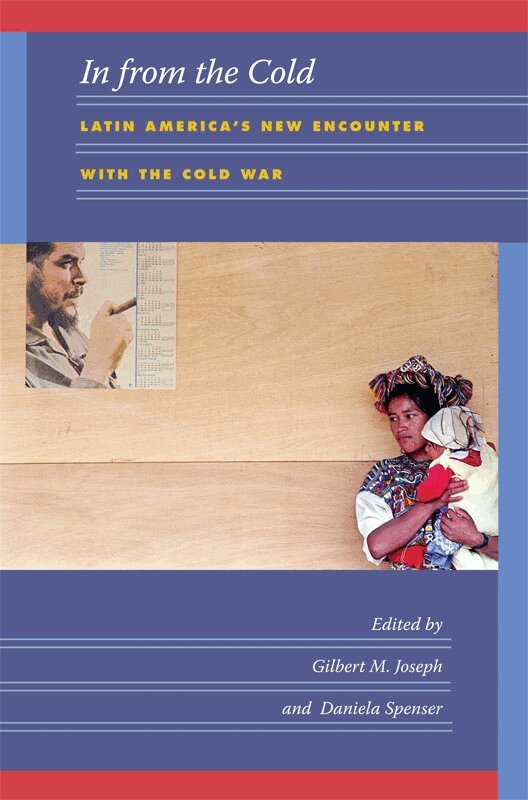
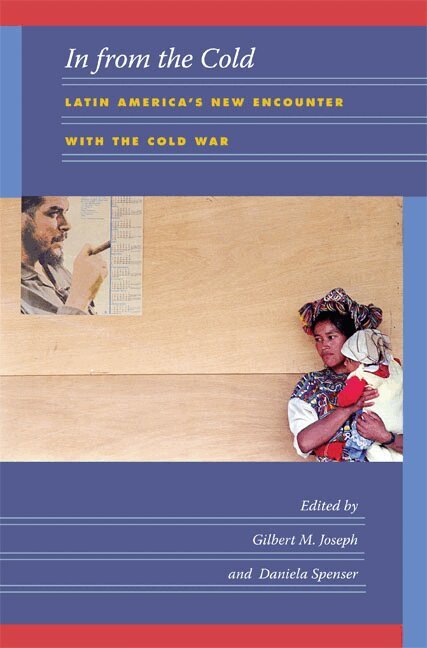
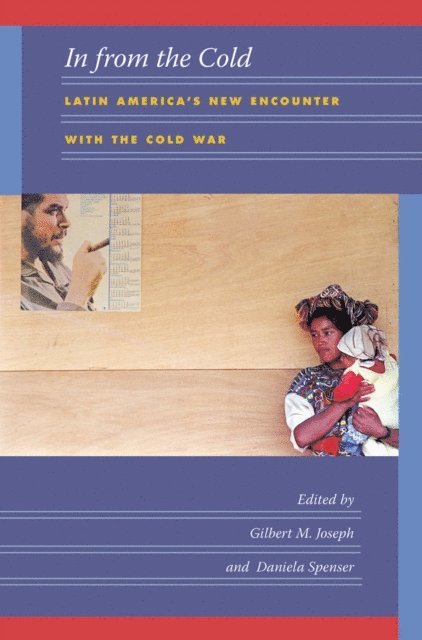
Over the last decade, studies of the Cold War have mushroomed globally. Unfortunately, work on Latin America has not been well represented in either theoretical or empirical discussions of the broader conflict. With some notable exceptions, studies have proceeded in rather conventional channels, focusing on U.S. policy objectives and high-profile leaders (Fidel Castro) and events (the Cuban Missile Crisis) and drawing largely on U.S. government sources. Moreover, only rarely have U.S. foreign relations scholars engaged productively with Latin American historians who analyze how the international conflict transformed the region's political, social, and cultural life. Representing a collaboration among eleven North American, Latin American, and European historians, anthropologists, and political scientists, this volume attempts to facilitate such a cross-fertilization. In the process, In From the Cold shifts the focus of attention away from the bipolar conflict, the preoccupation of much of the so-called "new Cold War history," in order to showcase research, discussion, and an array of new archival and oral sources centering on the grassroots, where conflicts actually brewed. The collection's contributors examine international and everyday contests over political power and cultural representation, focusing on communities and groups above and underground, on state houses and diplomatic board rooms manned by Latin American and international governing elites, on the relations among states regionally, and, less frequently, on the dynamics between the two great superpowers themselves. In addition to charting new directions for research on the Latin American Cold War, In From the Cold seeks to contribute more generally to an understanding of the conflict in the global south.Contributors. Ariel C. Armony, Steven J. Bachelor, Thomas S. Blanton, Seth Fein, Piero Gleijeses, Gilbert M. Joseph, Victoria Langland, Carlota McAllister, Stephen Pitti, Daniela Spenser, Eric Zolov
Häftad, Engelska, 2008
436 kr
Skickas inom 5-8 vardagar
Over the last decade, studies of the Cold War have mushroomed globally. Unfortunately, work on Latin America has not been well represented in either theoretical or empirical discussions of the broader conflict. With some notable exceptions, studies have proceeded in rather conventional channels, focusing on U.S. policy objectives and high-profile leaders (Fidel Castro) and events (the Cuban Missile Crisis) and drawing largely on U.S. government sources. Moreover, only rarely have U.S. foreign relations scholars engaged productively with Latin American historians who analyze how the international conflict transformed the region's political, social, and cultural life. Representing a collaboration among eleven North American, Latin American, and European historians, anthropologists, and political scientists, this volume attempts to facilitate such a cross-fertilization. In the process, In From the Cold shifts the focus of attention away from the bipolar conflict, the preoccupation of much of the so-called "new Cold War history," in order to showcase research, discussion, and an array of new archival and oral sources centering on the grassroots, where conflicts actually brewed. The collection's contributors examine international and everyday contests over political power and cultural representation, focusing on communities and groups above and underground, on state houses and diplomatic board rooms manned by Latin American and international governing elites, on the relations among states regionally, and, less frequently, on the dynamics between the two great superpowers themselves. In addition to charting new directions for research on the Latin American Cold War, In From the Cold seeks to contribute more generally to an understanding of the conflict in the global south.Contributors. Ariel C. Armony, Steven J. Bachelor, Thomas S. Blanton, Seth Fein, Piero Gleijeses, Gilbert M. Joseph, Victoria Langland, Carlota McAllister, Stephen Pitti, Daniela Spenser, Eric Zolov
Inbunden, Engelska, 2010
1 445 kr
Skickas inom 5-8 vardagar
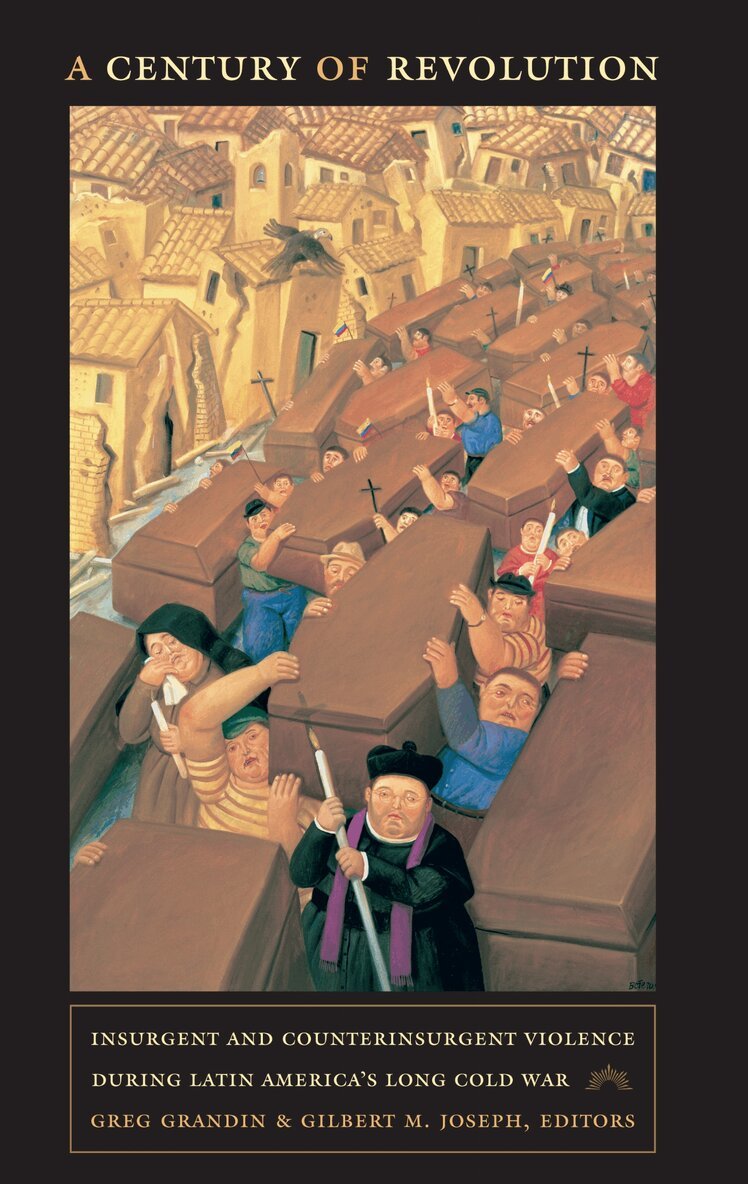
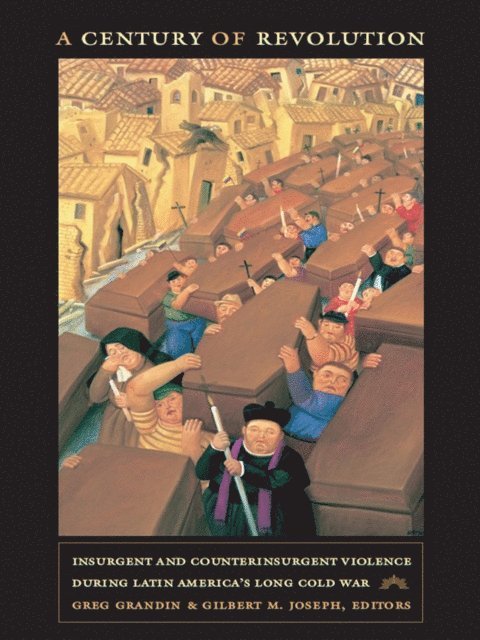
Latin America experienced an epochal cycle of revolutionary upheavals and insurgencies during the twentieth century, from the Mexican Revolution of 1910 through the mobilizations and terror in Central America, the Southern Cone, and the Andes during the 1970s and 1980s. In his introduction to A Century of Revolution, Greg Grandin argues that the dynamics of political violence and terror in Latin America are so recognizable in their enforcement of domination, their generation and maintenance of social exclusion, and their propulsion of historical change, that historians have tended to take them for granted, leaving unexamined important questions regarding their form and meaning. The essays in this groundbreaking collection take up these questions, providing a sociologically and historically nuanced view of the ideological hardening and accelerated polarization that marked Latin America’s twentieth century. Attentive to the interplay among overlapping local, regional, national, and international fields of power, the contributors focus on the dialectical relations between revolutionary and counterrevolutionary processes and their unfolding in the context of U.S. hemispheric and global hegemony. Through their fine-grained analyses of events in Chile, Colombia, Cuba, El Salvador, Guatemala, Mexico, Nicaragua, and Peru, they suggest a framework for interpreting the experiential nature of political violence while also analyzing its historical causes and consequences. In so doing, they set a new agenda for the study of revolutionary change and political violence in twentieth-century Latin America.ContributorsMichelle ChaseJeffrey L. GouldGreg GrandinLillian GuerraForrest HyltonGilbert M. JosephFriedrich KatzThomas Miller KlubockNeil LarsenArno J. MayerCarlota McAllisterJocelyn OlcottGerardo RÉniqueCorey RobinPeter Winn
Häftad, Engelska, 2010
436 kr
Skickas inom 5-8 vardagar
Latin America experienced an epochal cycle of revolutionary upheavals and insurgencies during the twentieth century, from the Mexican Revolution of 1910 through the mobilizations and terror in Central America, the Southern Cone, and the Andes during the 1970s and 1980s. In his introduction to A Century of Revolution, Greg Grandin argues that the dynamics of political violence and terror in Latin America are so recognizable in their enforcement of domination, their generation and maintenance of social exclusion, and their propulsion of historical change, that historians have tended to take them for granted, leaving unexamined important questions regarding their form and meaning. The essays in this groundbreaking collection take up these questions, providing a sociologically and historically nuanced view of the ideological hardening and accelerated polarization that marked Latin America’s twentieth century. Attentive to the interplay among overlapping local, regional, national, and international fields of power, the contributors focus on the dialectical relations between revolutionary and counterrevolutionary processes and their unfolding in the context of U.S. hemispheric and global hegemony. Through their fine-grained analyses of events in Chile, Colombia, Cuba, El Salvador, Guatemala, Mexico, Nicaragua, and Peru, they suggest a framework for interpreting the experiential nature of political violence while also analyzing its historical causes and consequences. In so doing, they set a new agenda for the study of revolutionary change and political violence in twentieth-century Latin America.ContributorsMichelle ChaseJeffrey L. GouldGreg GrandinLillian GuerraForrest HyltonGilbert M. JosephFriedrich KatzThomas Miller KlubockNeil LarsenArno J. MayerCarlota McAllisterJocelyn OlcottGerardo RÉniqueCorey RobinPeter Winn
Inbunden, Engelska, 2013
1 140 kr
Skickas inom 5-8 vardagar
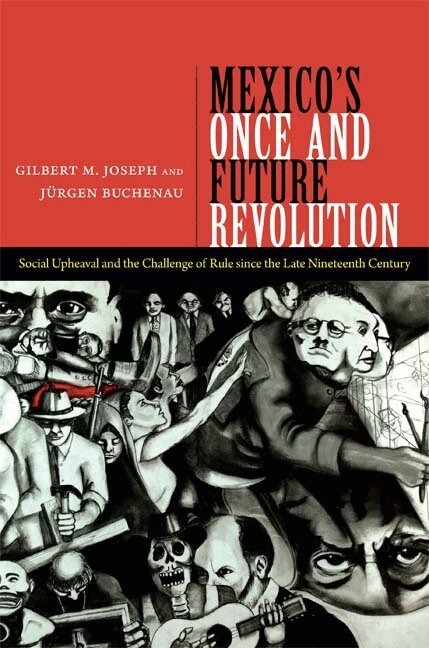
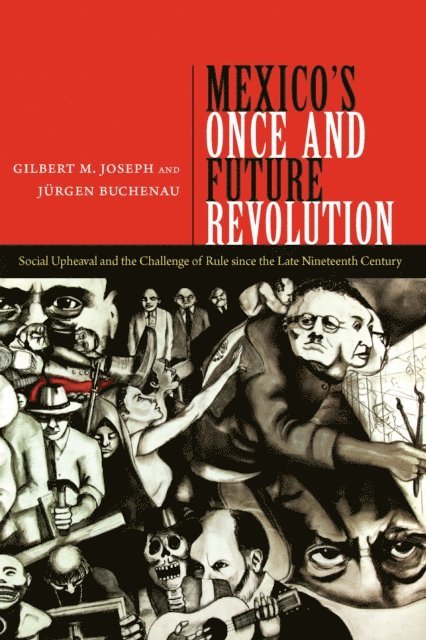
In this concise historical analysis of the Mexican Revolution, Gilbert M. Joseph and JÜrgen Buchenau explore the revolution's causes, dynamics, consequences, and legacies. They do so from varied perspectives, including those of campesinos and workers; politicians, artists, intellectuals, and students; women and men; the well-heeled, the dispossessed, and the multitude in the middle. In the process, they engage major questions about the revolution. How did the revolutionary process and its aftermath modernize the nation's economy and political system and transform the lives of ordinary Mexicans? Rather than conceiving the revolution as either the culminating popular struggle of Mexico's history or the triumph of a new (not so revolutionary) state over the people, Joseph and Buchenau examine the textured process through which state and society shaped each other. The result is a lively history of Mexico's "long twentieth century," from Porfirio DÍaz's modernizing dictatorship to the neoliberalism of the present day.
Häftad, Engelska, 2013
297 kr
Skickas inom 5-8 vardagar
In this concise historical analysis of the Mexican Revolution, Gilbert M. Joseph and JÜrgen Buchenau explore the revolution's causes, dynamics, consequences, and legacies. They do so from varied perspectives, including those of campesinos and workers; politicians, artists, intellectuals, and students; women and men; the well-heeled, the dispossessed, and the multitude in the middle. In the process, they engage major questions about the revolution. How did the revolutionary process and its aftermath modernize the nation's economy and political system and transform the lives of ordinary Mexicans? Rather than conceiving the revolution as either the culminating popular struggle of Mexico's history or the triumph of a new (not so revolutionary) state over the people, Joseph and Buchenau examine the textured process through which state and society shaped each other. The result is a lively history of Mexico's "long twentieth century," from Porfirio DÍaz's modernizing dictatorship to the neoliberalism of the present day.
Häftad, Engelska, 1995
554 kr
Skickas inom 10-15 vardagar
When the Spaniards settled in Latin America, they immediately surrounded themselves with cities. Equating civilization with urban existence, the early conquerors of the New World rapidly established themselves as urban lords. Latin American cities then became synonymous with Spanish power and all of its privileged attributes: political authority, ecclesiastical activity, commerce, finance, and conspicuous consumption. This volume represents some of the most enduring reflections on the Latin American city. All of the essays were written by public officials, journalists, and social commentators, among others, who participated actively in the affairs of the cities they so perceptively describe. The collection offers critical analyses spanning hundreds of years, beginning with the era of the conquistadores in Tenochtitl_n and continuing to the deafening bustle of today's urban crowds in Mexico City. Professors Gilbert Joseph and Mark Szuchman offer translations of classic pieces by writers previously little known to Western audiences: Cobo, Garc_a, Santos Vilhena, and Leite de Barros.
Inbunden, Engelska, 2022
1 445 kr
Skickas inom 5-8 vardagar
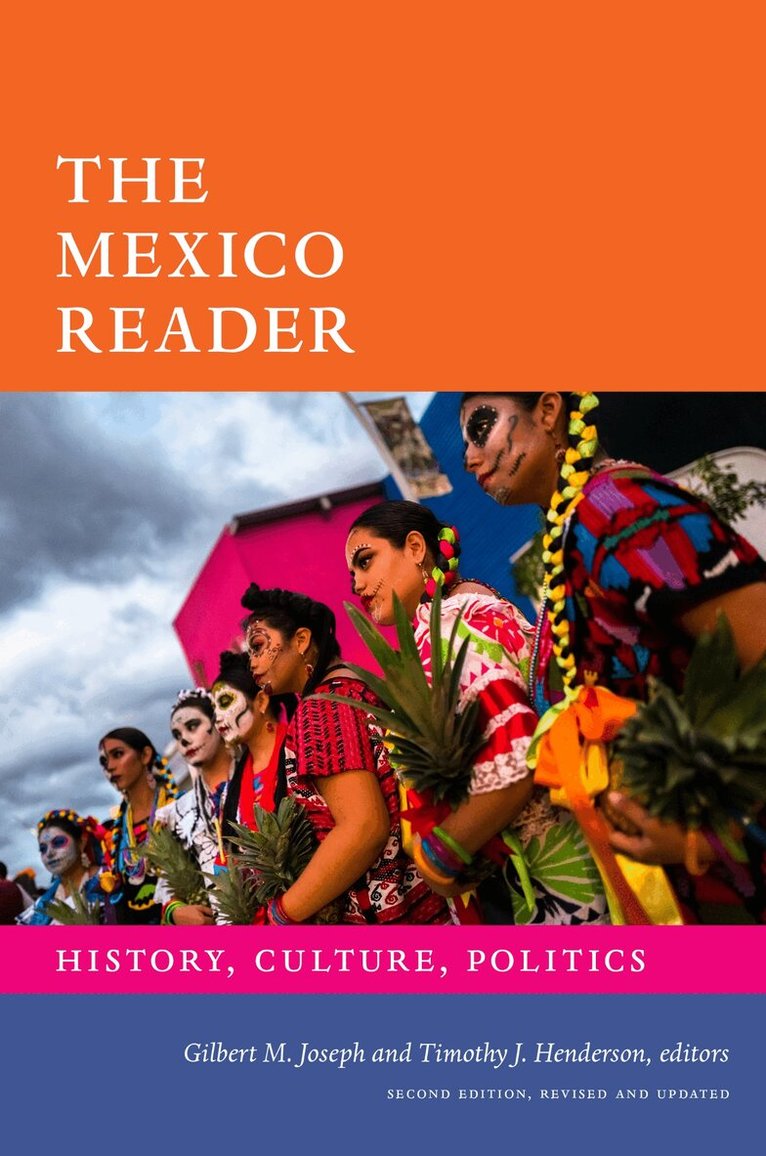
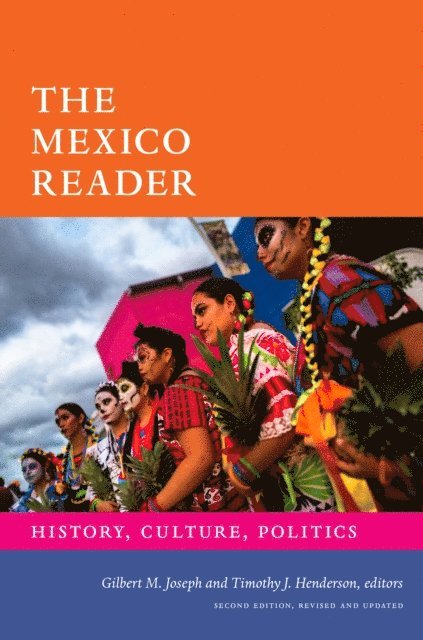
The Mexico Reader is a vivid and comprehensive guide to muchos MÉxicos-the many varied histories and cultures of Mexico. Unparalleled in scope, it covers pre-Columbian times to the present, from the extraordinary power and influence of the Roman Catholic Church to Mexico’s uneven postrevolutionary modernization, from chronic economic and political instability to its rich cultural heritage. Bringing together over eighty selections that include poetry, folklore, photo essays, songs, political cartoons, memoirs, journalism, and scholarly writing, this volume highlights the voices of everyday Mexicans-indigenous peoples, artists, soldiers, priests, peasants, and workers. It also includes pieces by politicians and foreign diplomats; by literary giants Octavio Paz, Gloria AnzaldÚa, and Carlos Fuentes; and by and about revolutionary leaders Pancho Villa and Emiliano Zapata. This revised and updated edition features new selections that address twenty-first-century developments, including the rise of narcopolitics, the economic and personal costs of the United States’ mass deportation programs, the political activism of indigenous healers and manufacturing workers, and the impact of the COVID-19 pandemic. The Mexico Reader is an essential resource for travelers, students, and experts alike.
Häftad, Engelska, 2022
366 kr
Skickas inom 5-8 vardagar
The Mexico Reader is a vivid and comprehensive guide to muchos MÉxicos-the many varied histories and cultures of Mexico. Unparalleled in scope, it covers pre-Columbian times to the present, from the extraordinary power and influence of the Roman Catholic Church to Mexico’s uneven postrevolutionary modernization, from chronic economic and political instability to its rich cultural heritage. Bringing together over eighty selections that include poetry, folklore, photo essays, songs, political cartoons, memoirs, journalism, and scholarly writing, this volume highlights the voices of everyday Mexicans-indigenous peoples, artists, soldiers, priests, peasants, and workers. It also includes pieces by politicians and foreign diplomats; by literary giants Octavio Paz, Gloria AnzaldÚa, and Carlos Fuentes; and by and about revolutionary leaders Pancho Villa and Emiliano Zapata. This revised and updated edition features new selections that address twenty-first-century developments, including the rise of narcopolitics, the economic and personal costs of the United States’ mass deportation programs, the political activism of indigenous healers and manufacturing workers, and the impact of the COVID-19 pandemic. The Mexico Reader is an essential resource for travelers, students, and experts alike.