
Daniel Patrick Kelly - Böcker
Visar alla böcker från författaren Daniel Patrick Kelly. Handla med fri frakt och snabb leverans.
2 produkter
2 produkter
1 160 kr
Skickas inom 10-15 vardagar
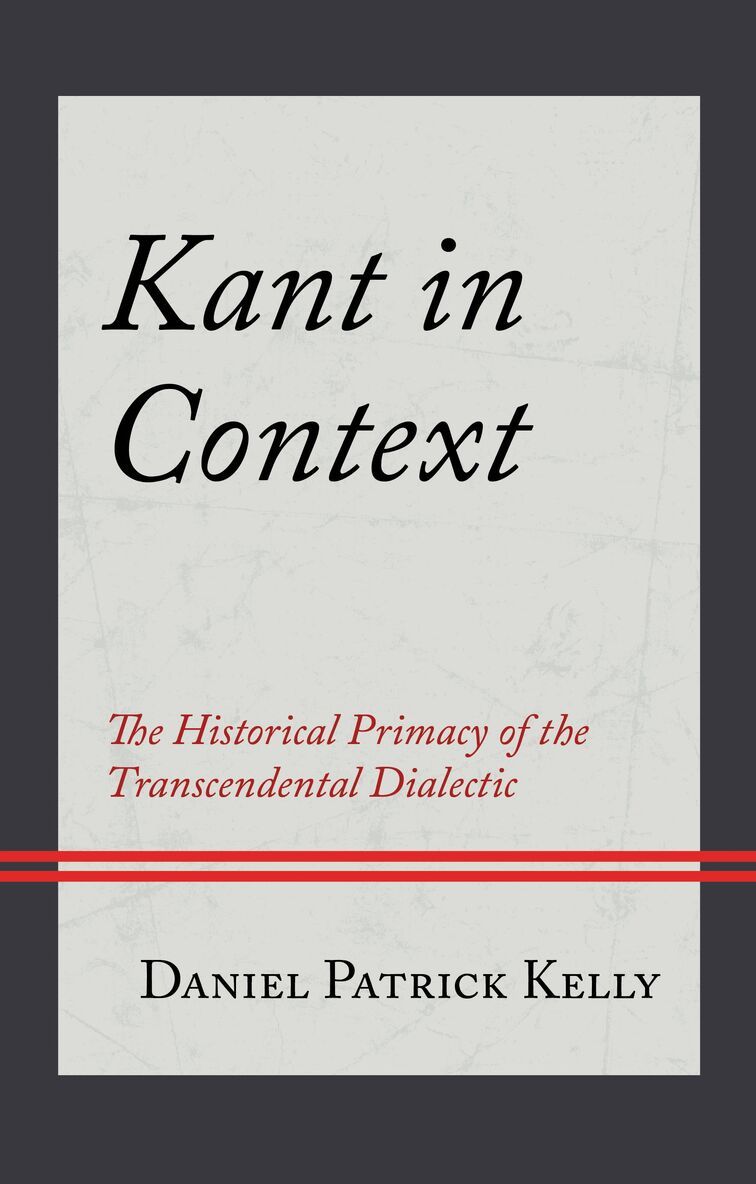
Kant in Context: The Historical Primacy of the Transcendental Dialectic examines the introduction of Kant’s critical philosophy through the lens of historical contextualization. Daniel Patrick Kelly argues that Kant’s seismic Copernican epistemic turn must be adequately positioned and understood within the German philosophical landscape that developed in Spinoza’s wake. This necessary historical analysis illuminates the development and comparative strength of Kant’s emergent transcendental idealism. However, in order to render the introduction of Kant’s critical system sufficient to this historical task, this book heuristically organizes the contents of the Critique of Pure Reason to highlight the work’s meta-philosophical historical conclusions. In this revised take on Kant’s Critique, Kelly argues that the "Transcendental Aesthetic" and subsequent "Transcendental Dialectic" emerge as foundational in understanding Kant’s Critique as a profound historical-methodological development, as they justify and ground the call for his new and supporting science of cognition, placing the "Transcendental Analytic" as inherently secondary in this heuristic reading of the Critique. The author’s overarching contention is that Kant’s identification of the dialectical limitations of metaphysical reasoning provides a more solid justification for Kant’s transcendental idealism than that of the novel postulates of the "Analytic."
1 089 kr
Skickas inom 10-15 vardagar
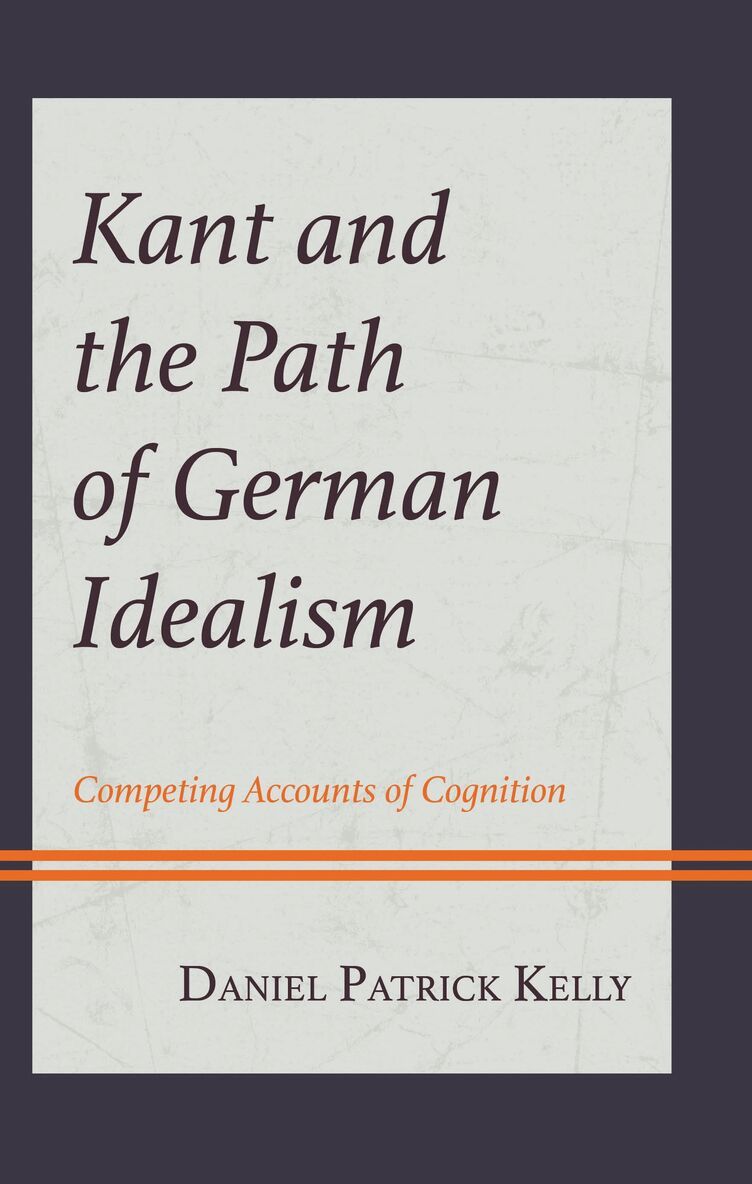
Kant’s critical philosophy emerged within a philosophical landscape ripe for change, and it provided an unprecedented blueprint for how to scientifically, ethically, and spiritually reconcile subjective experience within the unique realities of modernity. Nevertheless, Kant’s critical system encountered numerous challenges along its path toward influence. Drawing upon key texts from the Golden Age of philosophical scholarship from Kant to Hegel, Kant and the Path of German Idealism illuminates the trajectory of Kant’s critical foundation as it was initially received, developed, and ostensibly usurped. What emerges from Daniel Patrick Kelly’s reading of this philosophical period is the fundamental centrality of Kant’s discursive account of cognition. Kelly contends that the early and steady erosion of the Kantian discursive foundation—which is theoretically central to the strength, integrity, and applicability of the Kantian system—was largely due to persistent Neo-Spinozist developments, misunderstandings of Kant’s radical ideas, and the inability of Kant himself to sufficiently defend and further explicate his epistemology. This book also examines the revisionist developments of the immanent systems of Kant’s German Idealist successors, presenting their systematic efforts as cautionary tales in their coice to reject Kant’s epistemic wisdom.