Daniel Schaffer - Böcker
Visar alla böcker från författaren Daniel Schaffer. Handla med fri frakt och snabb leverans.
4 produkter
4 produkter
1 589 kr
Skickas inom 10-15 vardagar
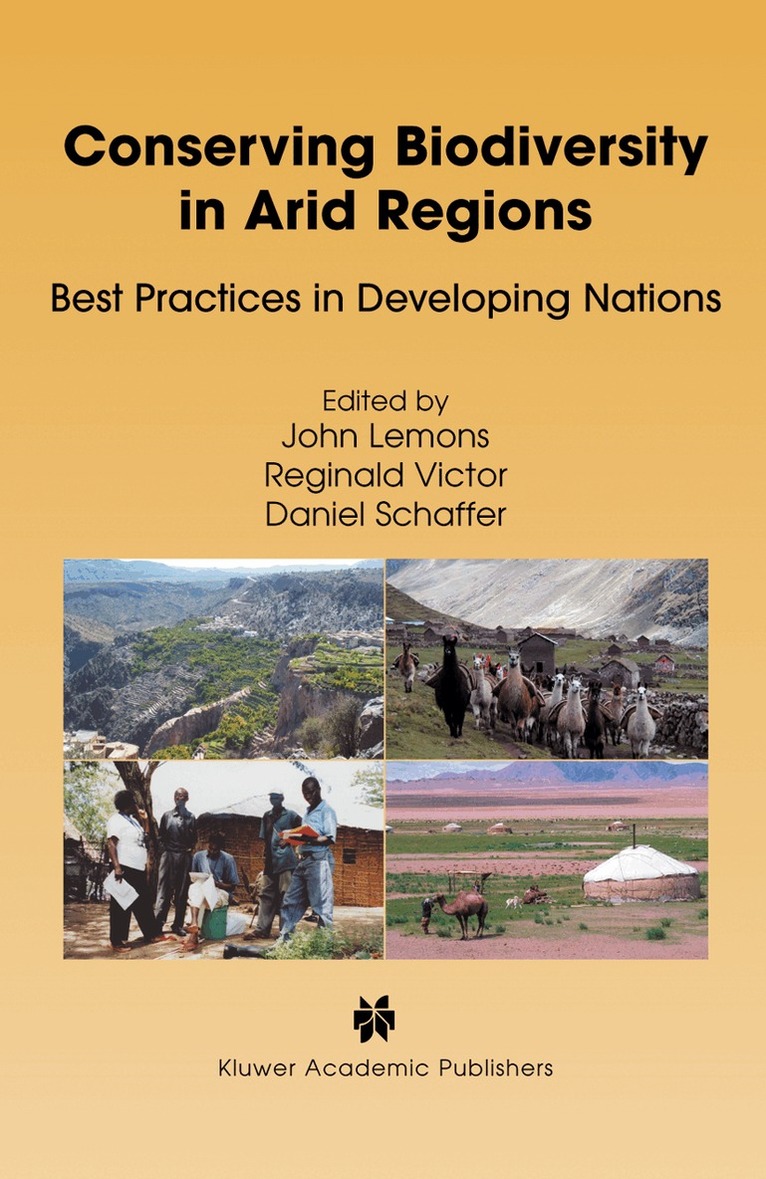
The protection of biodiversity and sustainable use of resources in arid and semiarid regions is important because: more than one-third of the earth's land area is drylands; up to one billion people (mostly poor) depend on drylands for their survival; the biological resources of drylands are both unique and vulnerable; and loss of dryland species increases the threats to the lives of millions of people. In Southern (developing) nations, successful experiences in conserving biodiversity and utilizing sustainable resources have not been publicized widely and hence have not been replicated in other relevant circumstances. For example, much of the available information on a wide variety of best practices and lessons learned for protecting and sustainably using arid and semiarid zone biodiversity remains within the institutions in which it has been generated and has not been shared between others working on similar issues for the mutual benefit of the global environment.Lack of financial resources constrains developing nations and their scientific institutions to widely disseminate the results of studies and projects as well as their ability to increase partnerships, cooperation, and capacity building between institutions and various stakeholders. The overall goal of this book is to increase the size of and more widely disseminate the "portfolio" of research and other works aimed at protecting and sustainably utilizing biodiversity of global significance in arid and semiarid areas in developing nations. Specifically, the book focuses on best practices and lessons learnt for science, for public policy and management, for increasing the participation of local people in decision making, and for enhancing partnerships and capacity building between institutions. In part, the successful practices and programmes described in this book are a follow up to the Earth Summit Conference and the ratification of the Convention on Biological Diversity (CBD) and the Convention to Combat Desertification (CCD) and, hence, provide examples of understudied measures by Southern nations to conserve and sustainably use biodiversity.
1 589 kr
Skickas inom 10-15 vardagar
On the eve of the World Summit for Sustainable Development (WSSD), held in autumn 2002 in Johannesburg, South Africa, United Nations Secretary General Kofi Annan recommended five specific areas as focal points of discussion for the global forum: Water, energy, health, agriculture and biodiversity. In his address, "Towards a Sustainable Future," delivered just four months before the WSSD, Secretary General Annan contended that concrete progress in each of these areas, often referred to by their acronym WEHAB, would be key to improving the quality of life not only in the developing world but across the globe. For most people, I think it is fair to say that the inclusion of biodiversity in a list that focuses on basic human needs may not be self-evident. Water, energy, health and agriculture, yes. But why biodiversity? The truth is that biodiversity is just as critical to global well-being as water, energy, agriculture and health. This is because biodiversity both drives and shapes nature's intricate and dynamic structure in an enduring form and force that enables both current and future generations to enjoy its bounty.
677 kr
Tillfälligt slut
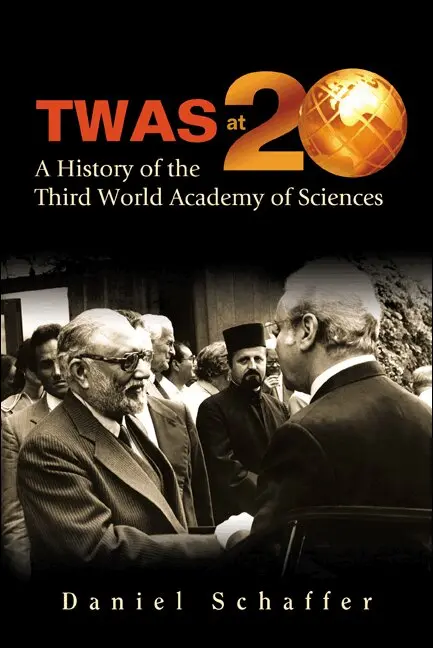
For the past 20 years, the Third World Academy of Sciences (TWAS) has been at the forefront of efforts to promote science and science-based developments in the developing world. This history of TWAS, the first of its kind, seeks to examine the forces that led to the creation of the Academy and that have sustained its growth and development ever since. This is a history of an organization that has made a difference in the advancement of science in the developing world and one that has been operated largely by and for scientists from the South. It provides a unique perspective on the challenges and opportunities that have driven science in the South over the past two decades and offers a window on the progress that has been made and the enormous amount of work that still needs to be done.
727 kr
Skickas inom 5-8 vardagar
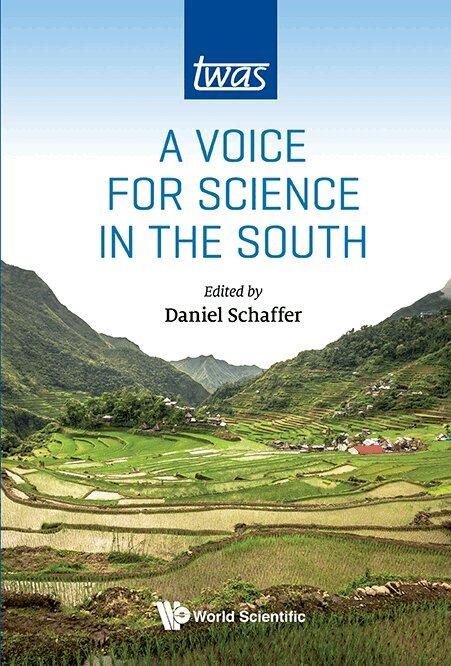
Science in the developing world has experienced historic change over the past 30 years. Nations that lacked resources for even basic science have since developed world-class research centres. Men and women who previously had no chance of pursuing scientific careers in their own countries now thrive in home-grown universities and laboratories dedicated to scientific excellence.The World Academy of Sciences (TWAS) has been front and centre during this remarkable transformation. A Voice for Science in the South tells the story of TWAS through the eyes of 11 eminent scientists associated with the Academy. They speak of the organization's challenges and triumphs, and describe what TWAS has meant for their careers and the careers of thousands of scientists in the developing world. They also explore the challenges that lie ahead for TWAS and, more generally, for science in the South. It is a story of unprecedented global change and an account of what must be done to ensure that all nations can share in the benefits that emerge when science is woven into the fabric of society.