Daniel Zamora – författare
Visar alla böcker från författaren Daniel Zamora. Handla med fri frakt och snabb leverans.
7 produkter
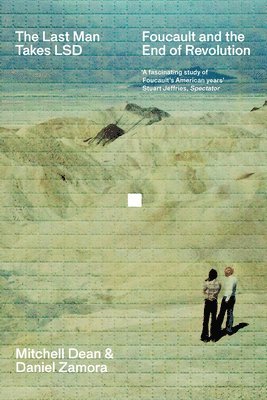
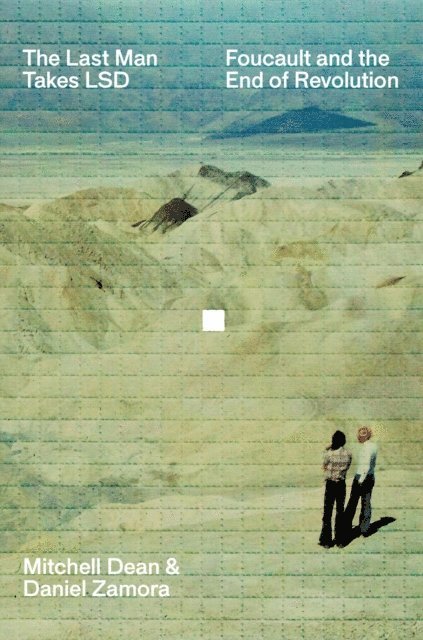
Last Man Takes LSD
Foucault and the End of Revolution
Av Daniel Zamora, Mitchell Dean
Häftad, 2023
156 kr
Lägg i varukorg
How Michel Foucault, drugs, California and the rise of neoliberal politics in 1970s France are all connectedIn May 1975, Michel Foucault took LSD in the desert in southern California. He described it as the most important event of his life, one which would lead him to completely rework his History …
Foucault and Neoliberalism
Av Daniel Zamora, Daniel Zamora m. fl.
Häftad, 2015
246 kr
Lägg i varukorg
Michel Foucault's death in 1984 coincided with the fading away of the hopes for social transformation that characterized the postwar period. In the decades following his death, neoliberalism has triumphed and attacks on social rights have become increasingly bold. If Foucault was not a direct …
Foucault and Neoliberalism
Av Daniel Zamora, Michael C. Behrent
Inbunden, 2015
569 kr
Lägg i varukorg
Michel Foucault's death in 1984 coincided with the fading away of the hopes for social transformation that characterized the postwar period. In the decades following his death, neoliberalism has triumphed and attacks on social rights have become increasingly bold. If Foucault was not a direct …
No Politics But Class Politics
Av Walter Benn Michaels, Adolph Reed Jr. m. fl.
Häftad, 2023
265 kr
Lägg i varukorg
Denouncing racism and celebrating diversity have become central to progressive politics. For many on the left, it seems, social justice would consist of an equitable distribution of wealth, power and esteem among racial groups. But as Adolph Reed Jr. and Walter Benn Michaels argue in this incisive …
Foucault and Neoliberalism
Av Michael C. Behrent, Daniel Zamora
E-bok, 2016
277 kr
Lägg i varukorg
Michel Foucault''s death in 1984 coincided with the fading away of the hopes for social transformation that characterized the postwar period. In the decades following his death, neoliberalism has triumphed and attacks on social rights have become increasingly bold. If Foucault was not a direct …
Last Man Takes LSD
Foucault and the End of Revolution
Av Daniel Zamora, Mitchell Dean
E-bok, 2021
128 kr
Lägg i varukorg
How Michel Foucault, drugs, California and the rise of neoliberal politics in 1970s France are all connected In May 1975, Michel Foucault took LSD in the desert in southern California. He described it as the most important event of his life, one which would lead him to completely rework his History …
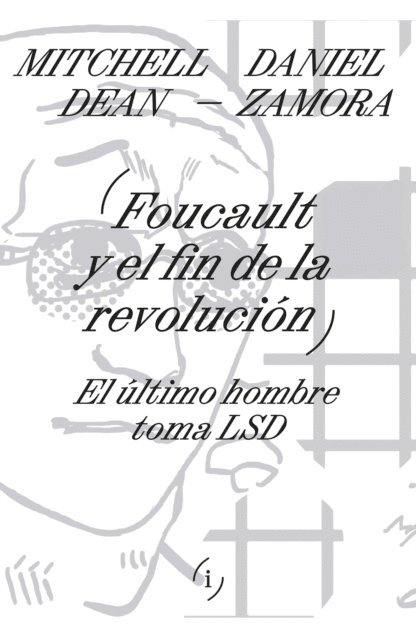
Foucault y el fin de la revolución
El último hombre toma LSD
Av Felisa Santos, Daniel Zamora m. fl.
E-bok, 2024
115 kr
Lägg i varukorg
LSD, sexo, Mayo del '68, neoliberalismo… Foucault, un filósofo que a cuarenta años de su muerte, mantiene una vigencia tan inapelable como controvertida. Michel Foucault marcó un antes y un después en el pensamiento contemporáneo. Es uno de los filósofos más importantes de las últimas décadas cuya …