Danielle Rosvally - Böcker
Visar alla böcker från författaren Danielle Rosvally. Handla med fri frakt och snabb leverans.
7 produkter
7 produkter
1 314 kr
Skickas inom 10-15 vardagar
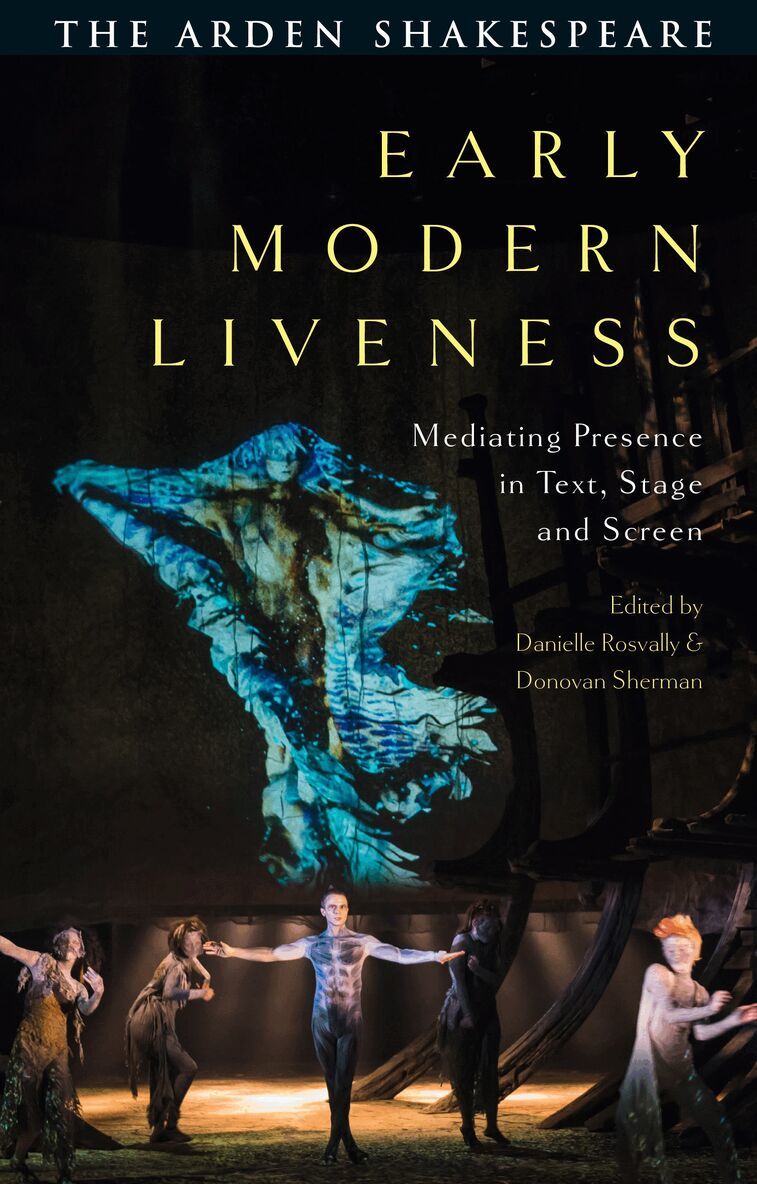
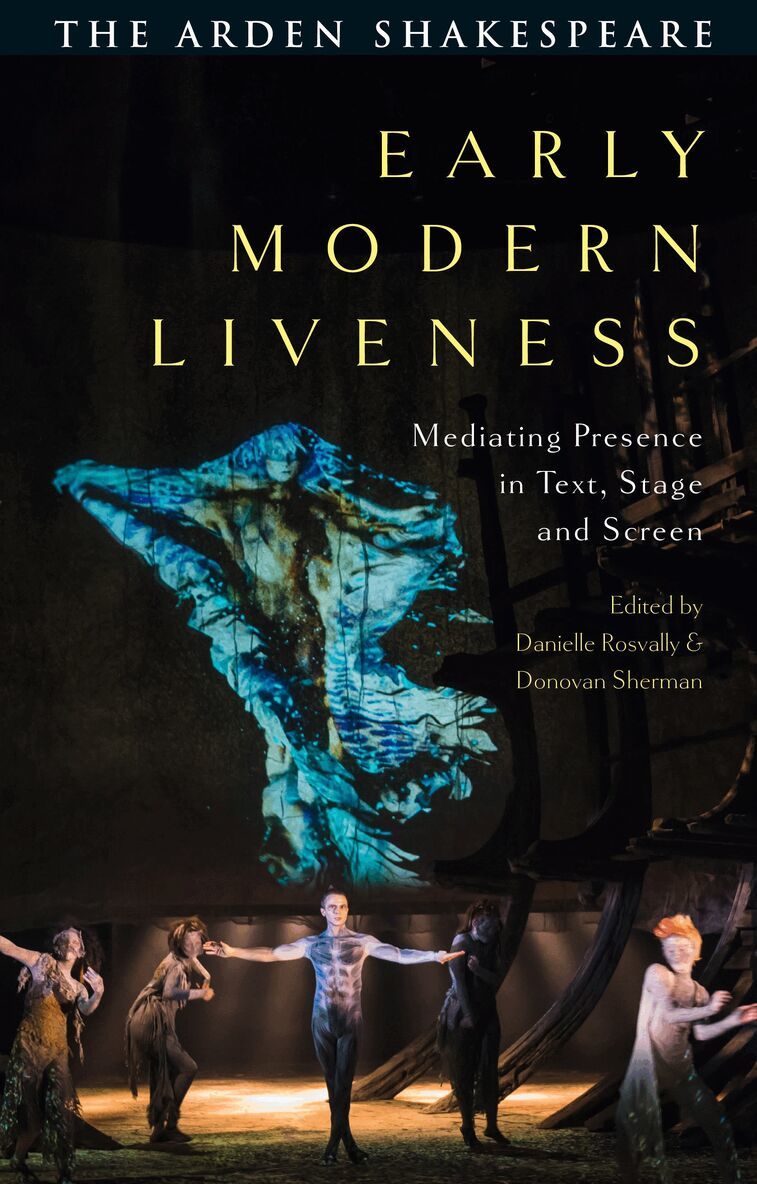
What does it mean for early modern theatre to be ‘live’? How have audiences over time experienced a sense of ‘liveness’? This collection extends discussions of liveness to works from the 16th and 17th centuries, both in their initial incarnations and contemporary adaptations. Drawing on theatre and performance studies, as well as media theory, this volume uses the concept of liveness to consider how early modern theatre – including non-Western and non-traditional performance – employs embodiment, materiality, temporality and perception to impress on its audience a sensation of presence.The volume’s contributors adopt varying approaches and cover a range of topics from material and textual studies, to early modern rehearsal methods, to digital and VR theatre, to the legacy of Shakespearean performance in global theatrical repertoires. This collection uses both early modern and contemporary performance practices to challenge our understanding of live performance. Productions and adaptions discussed include the Royal Shakespeare Company’s Dream (2021), CREW’s Hands on Hamlet (2017), Kit Monkman’s Macbeth (2018), Arslanköy Theatre Company’s Kraliçe Lear (2019), and a season of productions by the Original Practice Shakespeare Festival.Early Modern Liveness looks beyond theatrical events as primary sites of interpretive authority and examines the intimate and ephemeral experience of encountering early modern theatre in its diverse manifestations.
469 kr
Skickas inom 10-15 vardagar
What does it mean for early modern theatre to be ‘live’? How have audiences over time experienced a sense of ‘liveness’? This collection extends discussions of liveness to works from the 16th and 17th centuries, both in their initial incarnations and contemporary adaptations. Drawing on theatre and performance studies, as well as media theory, this volume uses the concept of liveness to consider how early modern theatre – including non-Western and non-traditional performance – employs embodiment, materiality, temporality and perception to impress on its audience a sensation of presence.The volume’s contributors adopt varying approaches and cover a range of topics from material and textual studies, to early modern rehearsal methods, to digital and VR theatre, to the legacy of Shakespearean performance in global theatrical repertoires. This collection uses both early modern and contemporary performance practices to challenge our understanding of live performance. Productions and adaptions discussed include the Royal Shakespeare Company’s Dream (2021), CREW’s Hands on Hamlet (2017), Kit Monkman’s Macbeth (2018), Arslanköy Theatre Company’s Kraliçe Lear (2019), and a season of productions by the Original Practice Shakespeare Festival.Early Modern Liveness looks beyond theatrical events as primary sites of interpretive authority and examines the intimate and ephemeral experience of encountering early modern theatre in its diverse manifestations.
915 kr
Kommande
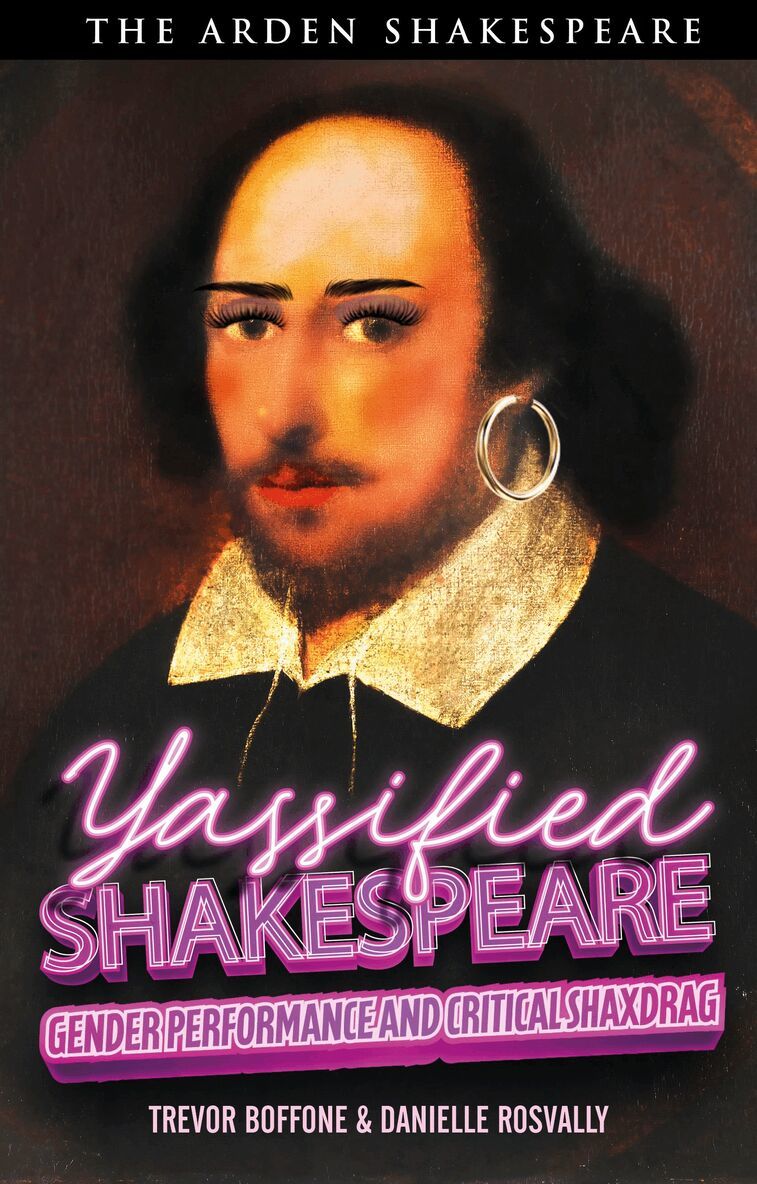
This book explores the under-theorized intersections between Shakespeare and drag in contemporary American culture and performances of and around what it terms “ShaxDrag.”From the root word “yass” comes the verb “to yassify”. On social media, to “yassify” something is to “glamify” it — generally by running it through multiple digital filters and making it queerer in the process. Yassification distorts reality, and its satire lies in its self-referential nature: there needs to be an original object for comparison to the yassified version. Enter: William Shakespeare.From Harold Perrineau’s turn as Mercutio in Baz Luhrmann’s Romeo + Juliet to the “ShakesQueer” episode of RuPaul’s Drag Race, Shakespeare’s cultural capital is often served hand-in-hand with drag aesthetics to contemporary audiences. Using a range of examples including & Juliet, RuPaul’s Drag Race, Something Rotten! and Fat Ham, this book interrogates the specific role Shakespeare plays in American popular culture for contemporary queer audiences. Shakespeare has long symbolized deep connection to white, eurocentric ideas about high culture, education, language, and taste. In digital spaces, Shakespeare can be fragmented, broken apart, manipulated, and re-arranged. In essence: Shakespeare is an identity that one might don and doff at will. This book argues that ShaxDrag is a means through which marginalized voices can liberate Shakespeare’s cultural capital from its colonialist agenda, re-read it via various contemporary filters, and use it to advocate for their own inclusion in greater canons. It uses the concept to mine Shakespearean remixes as a site of queer theory and to reveal how Shakespeare can be a critical site of queer world-making.
305 kr
Kommande
This book explores the under-theorized intersections between Shakespeare and drag in contemporary American culture and performances of and around what it terms “ShaxDrag.”From the root word “yass” comes the verb “to yassify”. On social media, to “yassify” something is to “glamify” it — generally by running it through multiple digital filters and making it queerer in the process. Yassification distorts reality, and its satire lies in its self-referential nature: there needs to be an original object for comparison to the yassified version. Enter: William Shakespeare.From Harold Perrineau’s turn as Mercutio in Baz Luhrmann’s Romeo + Juliet to the “ShakesQueer” episode of RuPaul’s Drag Race, Shakespeare’s cultural capital is often served hand-in-hand with drag aesthetics to contemporary audiences. Using a range of examples including & Juliet, RuPaul’s Drag Race, Something Rotten! and Fat Ham, this book interrogates the specific role Shakespeare plays in American popular culture for contemporary queer audiences. “ShaxDrag” can be an act of performance layered on top of drag, but additionally this book argues that adopting the persona of Shakespeare in the creative context of playful anachronisms, as in queer-coded iterations on Broadway or at Renaissance fairs, is in itself an act of drag. Shakespeare has long symbolized deep connection to white, eurocentric ideas about high culture, education, language, and taste. In digital spaces, Shakespeare can be fragmented, broken apart, manipulated, and re-arranged. In essence: Shakespeare is an identity that one might don and doff at will. This book argues that ShaxDrag is a means through which marginalized voices can liberate Shakespeare’s cultural capital from its colonialist agenda, re-read it via various contemporary filters, and use it to advocate for their own inclusion in greater canons. It uses the concept to mine Shakespearean remixes as a site of queer theory and to reveal how Shakespeare can be a critical site of queer world-making.
Theatres of Value
Buying and Selling Shakespeare in Nineteenth-Century New York City
Häftad, Engelska, 2025
454 kr
Skickas inom 5-8 vardagar
Explores the value of Shakespeare for theatrical businesspeople and audiences in nineteenth-century New York City.Theatres of Value explores the idea that buying and selling are performative acts and offers a paradigm for deeper study of these acts-"the dramaturgy of value." Modeling this multifaceted approach, the book explores six case studies to show how and why Shakespeare had value for nineteenth-century New Yorkers. In considering William Brown's African Theater, P. T. Barnum's American Museum and Lecture Hall, Fanny Kemble's American reading career, the Booth family brand, the memorial statue of Shakespeare in Central Park, and an 1888 benefit performance of Hamlet to theatrical impresario Lester Wallack, Theatres of Value traces a history of audience engagement with Shakespearean cultural capital and the myriad ways this engagement was leveraged by theatrical businesspeople.
Theatres of Value
Buying and Selling Shakespeare in Nineteenth-Century New York City
Inbunden, Engelska, 2024
1 499 kr
Skickas inom 3-6 vardagar
Explores the value of Shakespeare for theatrical businesspeople and audiences in nineteenth-century New York City.Theatres of Value explores the idea that buying and selling are performative acts and offers a paradigm for deeper study of these acts-"the dramaturgy of value." Modeling this multifaceted approach, the book explores six case studies to show how and why Shakespeare had value for nineteenth-century New Yorkers. In considering William Brown's African Theater, P. T. Barnum's American Museum and Lecture Hall, Fanny Kemble's American reading career, the Booth family brand, the memorial statue of Shakespeare in Central Park, and an 1888 benefit performance of Hamlet to theatrical impresario Lester Wallack, Theatres of Value traces a history of audience engagement with Shakespearean cultural capital and the myriad ways this engagement was leveraged by theatrical businesspeople.
1 857 kr
Skickas inom 10-15 vardagar
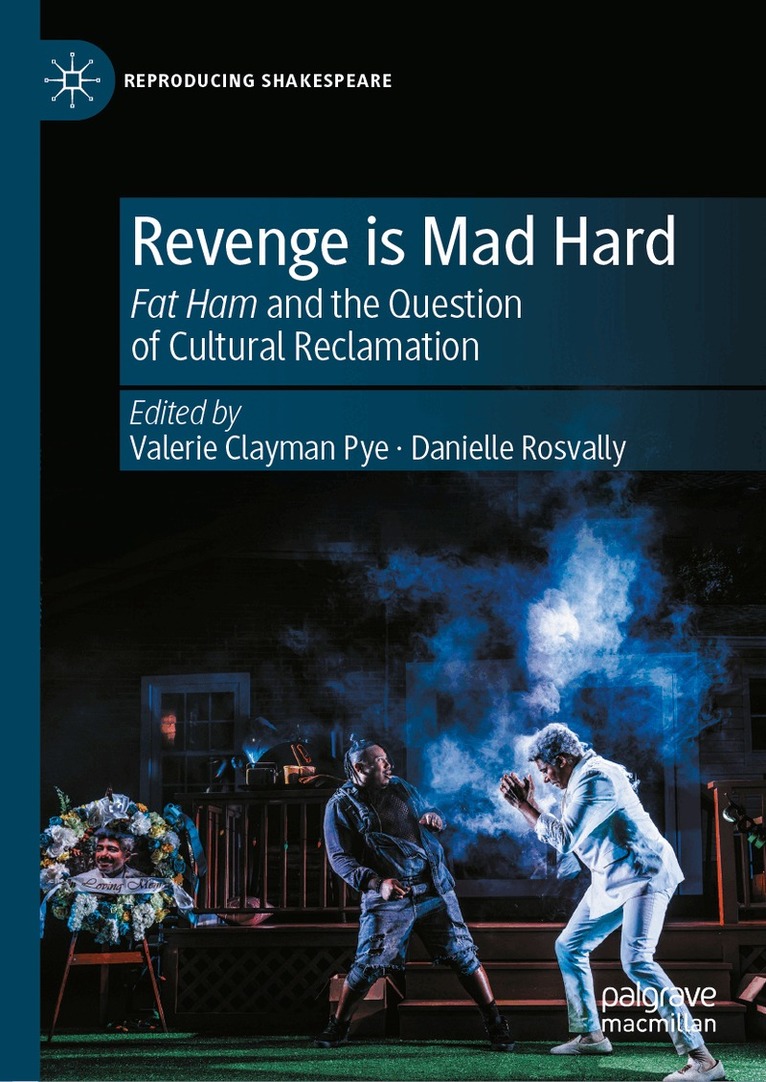
In April of 2021, a small theatre in Philadelphia took a big risk: The Wilma premiered a new play called Fat Ham by a then-almost-unknown playwright, James Ijames. Fat Ham reconfigures the story of Hamlet through the lens of a family barbeque in the American South. In Ijames’ play, Shakespeare’s protagonist becomes a fat, queer, Black man named Juicy. Juicy’s mother has just married his uncle in the wake of his father’s murder and Juicy himself is still dealing with grief about these events and the generational trauma they amplify as he strives for some thread of hope. The play made big waves; Ijames won the 2022 Pulitzer Prize for Drama, and it was nominated for five Tony awards in 2023.Fat Ham represents a major intervention in the ways we discuss storytelling, adaptation, and canon as it reclaims a major piece of cultural capital for several intersections of marginalized voices. This collection of essay offers perspectives on the play’s early life as well as creates a major theoretical framework for future discussions of Fat Ham in scholarship.The essays featured in Revenge is Mad Hard: Fat Ham and the Question of Cultural Reclamation address the intersecting themes of Adaptation, Performance, Identity, and Southerness. Each of these sections work to more fully specify and develop the themes of Fat Ham in the greater sphere of literary and performance studies.