David A. Yalof - Böcker
Visar alla böcker från författaren David A. Yalof. Handla med fri frakt och snabb leverans.
5 produkter
5 produkter
309 kr
Skickas inom 7-10 vardagar
In light of recent frustrations with the press over its increasingly sensationalistic coverage of the news, no liberty is more vulnerable to the vagaries of the current political climate than is 'freedom of the press'. By considering public opinion data from two original surveys (in 1997 and 1999) on free press rights against the backdrop of modern First Amendment jurisprudence, we offer new and original insights into the nature of popular support for these rights. Our findings are as comforting as they are counterintuitive: public support for the constitutional right to a free press remains as strong as ever, even as its most visible practitioners find themselves increasingly under siege. In offering this argument, we stake our position in an age-old debate over the true value and worth of public opinion. Our findings endorse the notion of a 'rational' public as well as the strength of press freedoms in our society.
626 kr
Skickas inom 7-10 vardagar
In light of recent frustrations with the press over its increasingly sensationalistic coverage of the news, no liberty is more vulnerable to the vagaries of the current political climate than is 'freedom of the press'. By considering public opinion data from two original surveys (in 1997 and 1999) on free press rights against the backdrop of modern First Amendment jurisprudence, we offer new and original insights into the nature of popular support for these rights. Our findings are as comforting as they are counterintuitive: public support for the constitutional right to a free press remains as strong as ever, even as its most visible practitioners find themselves increasingly under siege. In offering this argument, we stake our position in an age-old debate over the true value and worth of public opinion. Our findings endorse the notion of a 'rational' public as well as the strength of press freedoms in our society.
318 kr
Skickas inom 7-10 vardagar
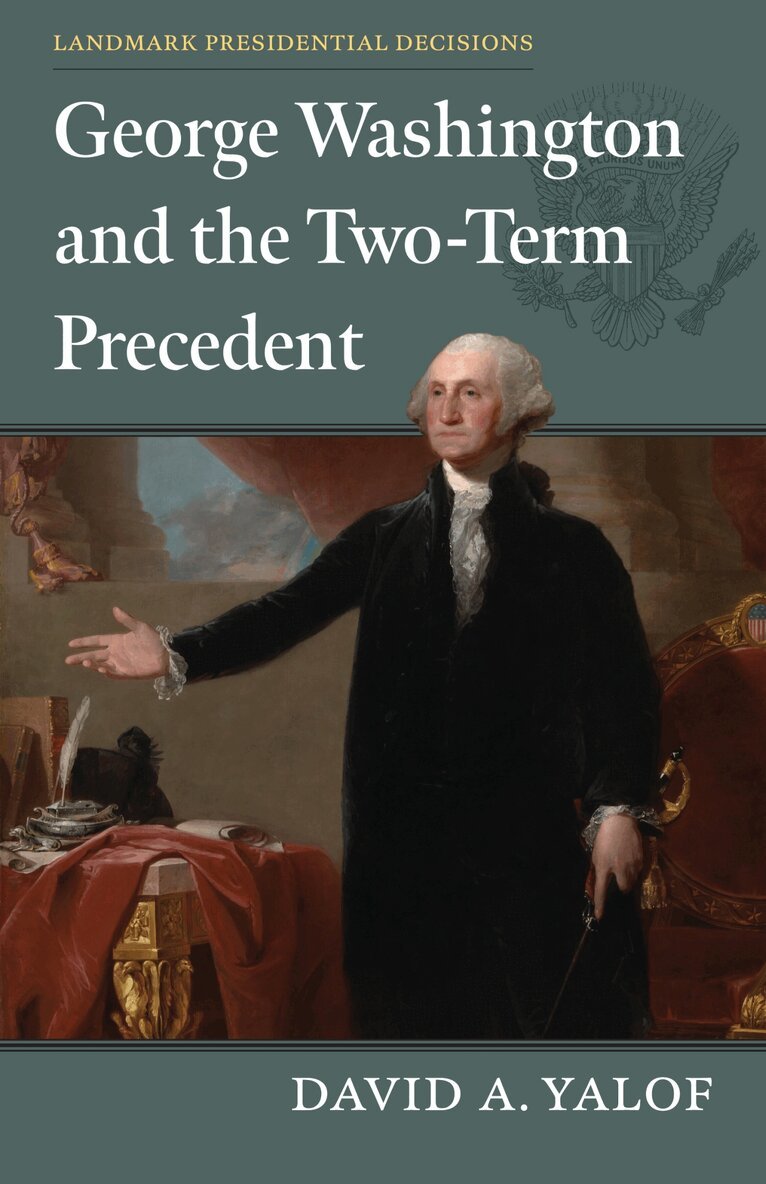
One of the earliest and most consequential presidential decisions in American history was George Washington’s choice to step down after two terms in office, despite the fact that he would almost certainly have won a third term had he chosen to run. The example he intended to set—and the circumstances he faced at the time—tell a more complicated story of the true motives behind his decision to retire and the impact his decision had on his successors and the nation. In George Washington and the Two-Term Precedent, David A. Yalof examines how this decision set a pattern that would be followed by presidents for more than a century until FDR began serving a third term in 1941.While often portrayed simply as a noble decision by Washington to restrain the power of the executive office, Washington’s decision was in fact motivated by self-interest and a desire to cement a legacy of honor and integrity. Yalof shows that he was never motivated by the desire to reign in the executive with an unwritten two-term limit. If anything, Washington hoped to strengthen the executive branch by demonstrating that the institution of the presidency could be trusted with the power and independence than it had so far received. His voluntary relinquishment of the presidency after two terms in office achieved these goals.Yalof focuses on the two-term precedent and how it came into being not by legal prescription but by the tacit influence of Washington’s refusal to run for a third term and what it suggests about American conceptions of executive power. George Washington and the Two-Term Precedent offers a sober reminder that the country’s most famous and original hero chose to walk away from power, and it was that decision that cemented his greatness in American history.
1 102 kr
Skickas inom 10-15 vardagar
One of the earliest and most consequential presidential decisions in American history was George Washington’s choice to step down after two terms in office, despite the fact that he would almost certainly have won a third term had he chosen to run. The example he intended to set—and the circumstances he faced at the time—tell a more complicated story of the true motives behind his decision to retire and the impact his decision had on his successors and the nation. In George Washington and the Two-Term Precedent, David A. Yalof examines how this decision set a pattern that would be followed by presidents for more than a century until FDR began serving a third term in 1941.While often portrayed simply as a noble decision by Washington to restrain the power of the executive office, Washington’s decision was in fact motivated by self-interest and a desire to cement a legacy of honor and integrity. Yalof shows that he was never motivated by the desire to reign in the executive with an unwritten two-term limit. If anything, Washington hoped to strengthen the executive branch by demonstrating that the institution of the presidency could be trusted with the power and independence than it had so far received. His voluntary relinquishment of the presidency after two terms in office achieved these goals.Yalof focuses on the two-term precedent and how it came into being not by legal prescription but by the tacit influence of Washington’s refusal to run for a third term and what it suggests about American conceptions of executive power. George Washington and the Two-Term Precedent offers a sober reminder that the country’s most famous and original hero chose to walk away from power, and it was that decision that cemented his greatness in American history.
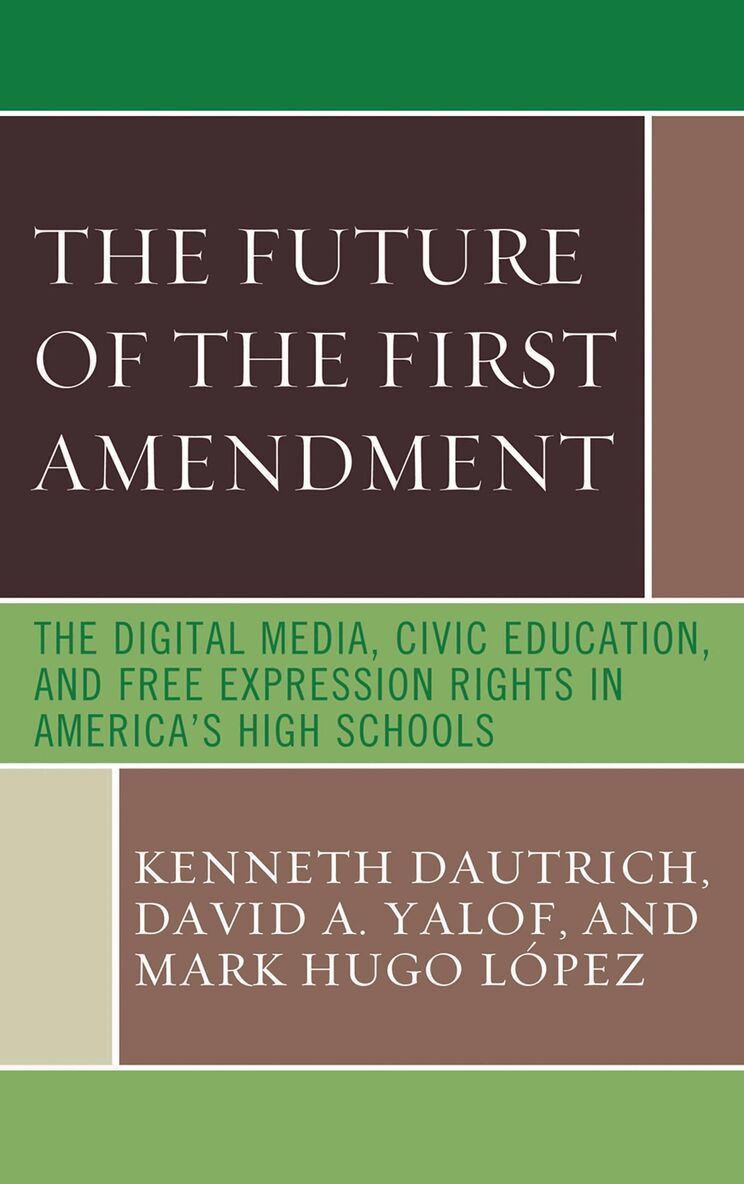
Future of the First Amendment
The Digital Media, Civic Education, and Free Expression Rights in America's High Schools
Inbunden, Engelska, 2008
675 kr
Skickas inom 10-15 vardagar
Findings from the high-profile John S. and James L. Knight Foundation-sponsored surveys of over 100,000 high school students in 2004 and 2006 provided a wake-up call to those interested in preserving the future of free expression rights in America. These studies documented the current lack of appreciation for free expression rights among the nation's high school students, and thus raised serious questions about the vitality of those rights as this generation reaches adulthood. In The Future of the First Amendment, the scholars who conducted the Knight studies identify a number of important connections and relationships that education reformers should account for as they seek to raise the status of the First Amendment among the nation's youth.This book documents and explores the ramifications of First Amendment education and student media activities—both traditional and digital—on student support for free expression rights. Linking these curricular and extra-curricular activities to the next generation's tolerance for free expression rights, it provides guidance to educators and policy-makers on methods of improving the next generation's appreciation for these rights which are so central to the health of American democracy.